Kardashians Before and After Plastic Surgery: An Overview

Key Takeaways
- Celebrity before-and-after images do not reveal the full story behind appearance changes.
- Makeup, lighting, weight changes, aging, grooming, and photo editing can all alter how someone looks.
- When surgery is involved, procedures are chosen to match individual anatomy, goals, and recovery needs.
- Safe cosmetic care starts with a qualified specialist, realistic expectations, and a clear understanding of risks and recovery.
- People considering treatment abroad should plan for consultation, travel timing, and follow-up before making decisions.
Public interest in celebrity appearance changes often reflects broader questions about cosmetic surgery, aging, styling, and image editing. This overview explains what may influence such transformations and how to think about aesthetic procedures in a careful, realistic way.
Overview
Search interest in Kardashians before and after plastic surgery usually comes from a simple curiosity: how do some public figures appear to change so dramatically over time? In reality, there is rarely one explanation. Appearance can shift because of cosmetic procedures, but also because of age, body weight, hairstyling, makeup technique, photography, clothing, and the natural changes that come with different life stages.
For readers who are thinking about cosmetic treatment themselves, celebrity examples can be useful only in one limited way: they show how much attention is placed on facial balance, body shape, and refinement. They do not show the full medical picture. A skilled plastic surgeon evaluates facial structure, skin quality, healing capacity, and personal goals rather than trying to copy a celebrity look exactly.
When the topic is viewed through a health lens, the more helpful question is not whether a particular star “did or did not” have surgery. It is what kinds of procedures exist, what they can and cannot achieve, and how someone can make a safe, informed decision if they are considering aesthetic treatment.
What may create a “before and after” effect

Before-and-after comparisons can be misleading because the same person may look quite different under different conditions. Professional styling alone can reshape perception: contouring makeup changes shadows, eyebrow shaping alters expression, and facial fillers or cosmetic skincare may subtly affect how features sit in photographs. Even posture and camera angle can create a noticeable transformation.
Weight loss or gain is another major factor. Changes in facial fullness, waist definition, breast size, and the way clothing fits can dramatically influence the overall impression of a person’s body. Age also plays a role, since skin elasticity, facial volume, and tissue position naturally evolve over time.
In some cases, people may choose surgical or non-surgical aesthetic procedures. Common options include rhinoplasty, breast augmentation or reduction, liposuction, tummy tuck, facelift, eyelid surgery, and injectable treatments. Each of these has a different purpose and recovery profile, and none of them guarantees a specific celebrity-like result.
Common procedures often discussed in celebrity transformations
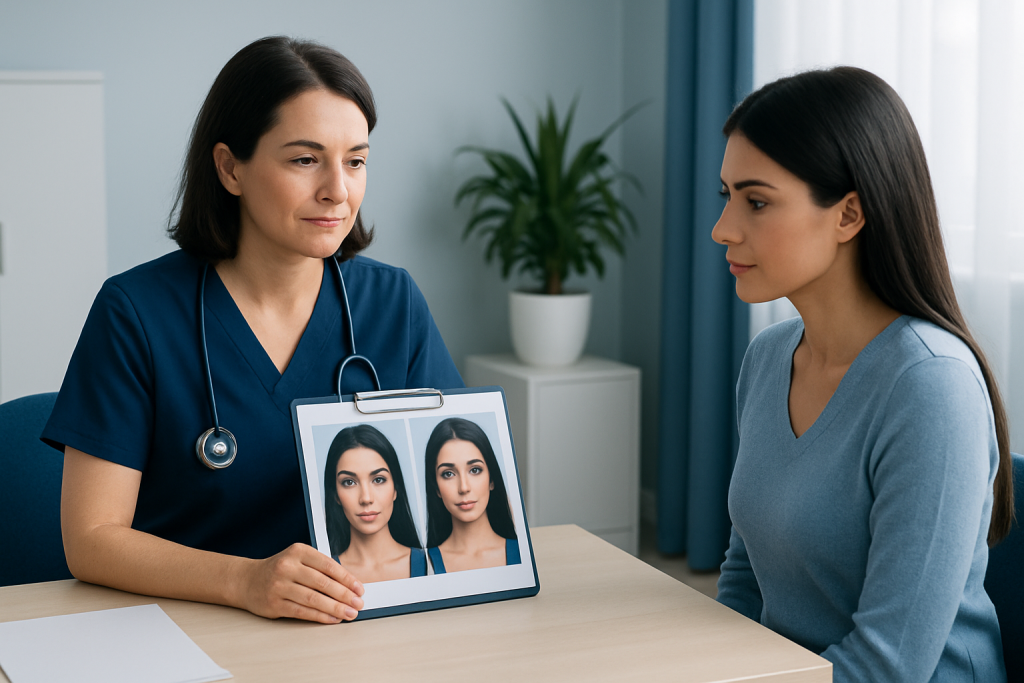
Public discussion around celebrity appearance frequently centers on a few familiar procedures. Facial surgery may include rhinoplasty to refine nasal shape, blepharoplasty to address drooping eyelids, or facelift surgery to soften visible signs of aging. Non-surgical treatments, such as fillers or wrinkle-relaxing injections, may also contribute to a refreshed look without the downtime of an operation.
Body procedures are discussed just as often. Liposuction removes localized fat deposits in selected areas, while abdominoplasty can tighten abdominal skin and repair separated muscles after weight changes or pregnancy. Breast surgery may involve augmentation, lifting, reduction, or a combination of techniques depending on body proportions and personal preference.
It is important to remember that a patient’s starting point matters. Two people who choose the same procedure may have very different results because of differences in skin thickness, healing tendency, bone structure, and tissue distribution. The safest outcome usually comes from choosing an approach that suits the person’s own anatomy rather than aiming for an exact imitation of someone else.
How surgeons evaluate candidacy
Before any cosmetic procedure, a consultation should focus on health, expectations, and anatomy. The surgeon reviews medical history, medications, previous operations, smoking status, and any condition that could affect anesthesia or healing. This step is especially important for international patients who may arrive with limited time and need a clear plan before traveling home.
The discussion should also explore motivation. A patient may want a more balanced profile, less fullness under the chin, a smoother abdomen, or a subtler breast contour. Clear communication matters, because a procedure can improve shape or proportion, but it cannot solve every emotional concern or create a completely different identity.
A thoughtful assessment may include photographs, physical examination, and sometimes imaging or lab tests. The goal is to determine whether the procedure is appropriate, what risks need to be discussed, and whether a staged treatment plan would be safer than doing everything at once.
Safety, risks, and realistic expectations
All surgery carries some risk, and cosmetic procedures are no exception. Common considerations include bleeding, infection, scarring, swelling, temporary numbness, asymmetry, and dissatisfaction with the final result. Depending on the operation, anesthesia-related issues and the need for revision surgery may also be part of the conversation.
Realistic expectations help patients make calmer, better decisions. A well-performed procedure can improve proportion, contour, or symmetry, but it should still look natural within the person’s own features. In cosmetic medicine, “successful” does not necessarily mean “dramatic”; for many patients, it means a result that fits comfortably with their face or body.
Patients should also be cautious about highly filtered images and social media trends. What appears to be a straightforward change online may actually involve multiple procedures, professional lighting, or digital editing. A reputable surgeon will explain what is achievable and what is not, without promising a celebrity replica.
Treatment options and recovery pathways
There is no single treatment that addresses every cosmetic goal. Some patients benefit from injectables, skin treatments, or energy-based devices, while others need surgical contouring for longer-lasting change. The choice depends on the concern, the degree of change desired, the patient’s health, and how much downtime is acceptable.
Recovery varies by procedure. Non-surgical treatments may allow a quick return to routine activities, while surgery often requires swelling management, wound care, temporary activity limits, and follow-up visits. International patients should ask in advance how long they need to stay near the treating center and whether additional checks will be required after they return home.
Planning also includes practical details: arranging postoperative support, understanding garment or scar care instructions, and knowing which symptoms should prompt contact with the care team. Good recovery is not just about the operation itself; it is also about the follow-through that protects the result and the patient’s comfort.
Prevention, preparation, and self-care
There is nothing to “prevent” when it comes to a celebrity’s personal choices, but there are sensible ways to prepare for cosmetic care. Patients can start by clarifying their goal in simple terms: better balance, softer lines, improved contour, or correction of a feature that has long been a source of concern. That clarity helps surgeons recommend the most appropriate option.
General health supports better healing. Patients are usually encouraged to stop smoking, discuss all medications and supplements, maintain stable weight when possible, and manage chronic conditions such as diabetes or high blood pressure before treatment. Healthy habits do not replace surgery, but they can make recovery smoother.
For people traveling for care, self-care also includes logistics. It helps to plan time off, bring a companion if needed, arrange safe transport, and confirm how communication with the clinic will continue after discharge. These details are especially useful for anyone returning to another country after treatment.
- Choose a board-qualified specialist with experience in the specific procedure.
- Ask to see clear information about expected recovery, scars, and limitations.
- Be cautious of “instant transformation” promises or pressure to decide quickly.
- Allow time for swelling to settle before judging the final result.
When to see a doctor
Anyone thinking seriously about cosmetic treatment should speak with a qualified doctor rather than relying on online comparisons. A consultation is the best place to discuss whether a procedure is suitable, what alternatives exist, and how to balance benefits against possible risks. That is true whether the goal is a subtle facial refinement or a more complex body-contouring plan.
After a procedure, medical advice should be sought promptly if there is increasing pain, fever, unusual bleeding, sudden swelling, trouble breathing, wound changes, or any symptom that feels unexpected or worsening. Early review can help address problems before they become more difficult to manage.
For international patients, it is wise to arrange follow-up expectations before traveling. Acibadem Health Point’s multidisciplinary specialists and JCI-accredited hospitals can diagnose and treat cosmetic surgery concerns for international patients, with care planning that supports both the procedure and the return home. The safest decisions are usually the ones made with enough time, clear information, and direct medical guidance.
A more balanced way to read celebrity transformations
Celebrity “before and after” stories can be entertaining, but they are not reliable medical evidence. They mix entertainment, image management, and public speculation, which makes it difficult to know what truly changed. For that reason, these comparisons are best used as conversation starters rather than as templates for personal treatment.
For patients considering aesthetic care, the more useful path is individualized planning. A good consultation focuses on proportion, tissue health, recovery time, and long-term satisfaction. That approach is more grounded than chasing an appearance that may itself be changing from year to year.
In the end, the goal of plastic surgery is not to look like someone else. It is to support a result that feels harmonious, medically appropriate, and aligned with the patient’s own features and life circumstances.
Frequently asked questions
Can “before and after” photos show whether someone had plastic surgery?
Not reliably. Photos can be affected by makeup, lighting, camera angle, weight changes, aging, and editing, so they do not tell the full story. They are best viewed as visual comparisons, not medical proof.
What procedures are most often linked to celebrity appearance changes?
People often mention rhinoplasty, facelift surgery, eyelid surgery, breast procedures, liposuction, tummy tuck, and injectables. However, any individual transformation may reflect several factors, including non-surgical care and styling choices.
Is it safe to choose surgery based on a celebrity look?
It is usually better to discuss the specific feature a patient wants to improve rather than naming a celebrity. Surgeons work with each person’s anatomy, and the safest plan is the one that fits the patient’s face or body rather than copying someone else’s result.
How long does recovery usually take after cosmetic surgery?
Recovery depends on the procedure and the person’s overall health. Some treatments involve little downtime, while surgery may require days to weeks of swelling control, activity limits, and follow-up care.
What should an international patient ask before traveling for cosmetic surgery?
It helps to ask about the treatment plan, expected recovery time, follow-up visits, and how to reach the care team after returning home. Patients should also confirm whether they will need someone to accompany them during early recovery.
Are non-surgical treatments always safer than surgery?
Not always, although they often have shorter recovery times. The safest option depends on the goal, the anatomy, the provider’s expertise, and the patient’s medical history.
References
- American Society of Plastic Surgeons
- Mayo Clinic
- Cleveland Clinic
- International Society of Aesthetic Plastic Surgery
- NHS
This article is for general information only and is not a substitute for professional medical advice. Please consult a qualified doctor about your individual situation.
More from the Health Library

Lindsay Lohan’s Plastic Surgery: A Medical Perspective

Tummy Tuck, Liposuction, or Both? How Doctors Separate Loose Skin From Stubborn Fat

Breast Augmentation Abroad: How Starting Shape Changes the Choice Between Implant, Fat Transfer, and Lift
Related Specialists

Prof. Dr. A. Taner Usta
Gynecology & Obstetrics
Prof. Dr. Ahmet Alanay
Orthopedic Surgery & Traumatology
Prof. Dr. Yasemin Şenyürek
General Surgery
Assoc. Prof. Dr. Filiz Gülustan
Ear Nose & Throat