

Photos And Measurements Before Plastic Surgery
Key Takeaways
- Photos show the surgeon angles, symmetry, skin quality, and visible contours that may not be obvious in a brief conversation.
- Measurements help confirm proportions, existing tissue volume, and the practical limits of surgery.
- Good preparation before traveling can reduce delays, improve communication, and help set realistic expectations.
- A surgeon may ask for front, side, and oblique photos, along with weight, height, and medical history.
- Remote planning cannot replace an in-person exam, but it can make the first consultation more efficient and focused.
Medically reviewed by the Acıbadem clinical team — July 13, 2026
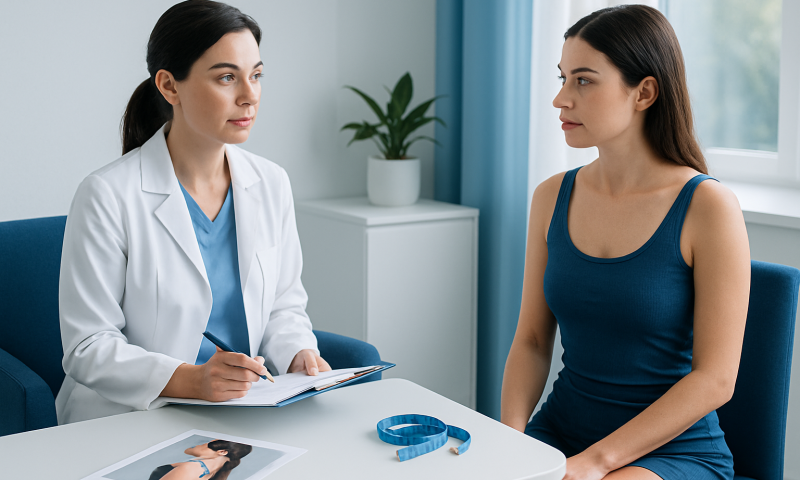
Before plastic surgery abroad, photos and body measurements give the surgeon a clearer picture of anatomy, proportions, and treatment goals. They help guide planning, support safer decisions, and make remote consultations more precise for international patients.
Overview
When a plastic surgeon reviews photographs and measurements before treatment abroad, the goal is not to judge appearance. The goal is to understand the body as accurately as possible before the patient arrives, especially when the consultation begins across borders and time zones.
In aesthetic surgery, small details matter. The slope of a nose, the position of a scar, the volume of tissue after weight change, or the balance between two sides of the body can all influence the plan. Photos and measurements help the surgeon move from a general request such as “I want a more natural result” to a more specific and medically useful discussion.
For international patients, this step often begins before the flight is booked. A well-prepared set of images and basic measurements can make the first consultation more productive, shorten back-and-forth communication, and help the surgeon decide whether the desired procedure is appropriate, what additional tests may be needed, and how much in-person assessment will still be required after arrival.
What photos can reveal
Medical photographs are used differently from ordinary pictures. They are taken to show anatomy, not to create a flattering image. A surgeon may look at the face or body from several directions to assess proportion, symmetry, contour, and how light and shadow define the area being treated.
In facial procedures, photos can show features such as the relationship between the nose and chin, eyelid shape, jawline softness, or unevenness after prior surgery. In body contouring, they can highlight skin laxity, fat distribution, scars, or changes after pregnancy or major weight loss. For breast or chest procedures, images may help the surgeon assess spacing, droop, implant-related changes, or differences between the two sides.
Photos also allow the surgeon to study the visible effects of movement and posture. A face can look different at rest and when smiling. The abdomen can appear differently when standing compared with lying down. That is why a useful photo set often includes more than one pose and more than one angle.
- Front, side, and oblique views are commonly requested.
- Good lighting helps show natural contours and skin quality.
- Neutral posture is usually preferred unless the surgeon asks for a specific position.
- Consistent distance from the camera can reduce distortion.
Why measurements matter as much as images
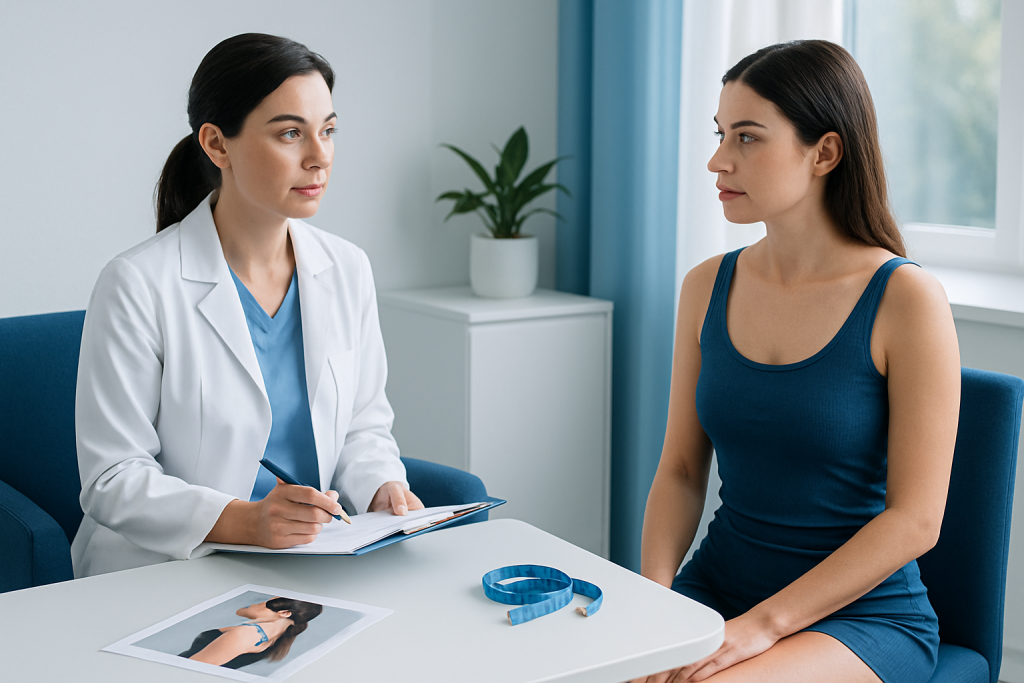
Measurements turn a visual impression into something more precise. They help the surgeon compare one area with another and estimate what can realistically be changed. In many procedures, the final plan depends on whether there is enough tissue, skin, or structural support to achieve the intended result safely.
Measurements may include height, weight, and body mass index, but they can also be more detailed. A surgeon may ask for breast width, waist circumference, abdominal skin looseness, eyelid measurements, or the distance between facial landmarks. These numbers help guide surgical design and may influence the choice between different techniques.
For patients seeking care abroad, measurements can also help the medical team prepare before the visit. If travel is involved, it is useful to know in advance whether the procedure is likely to be straightforward, whether it may require a longer recovery stay, or whether a second-stage treatment might be more appropriate than doing everything at once.
What the surgeon looks for in a remote review
A remote review is more than an exchange of pictures. A surgeon is usually looking for patterns that suggest how the tissues behave and what may happen after surgery. For example, the thickness of the skin, the elasticity of soft tissue, the degree of asymmetry, and the effect of previous operations can all change the surgical approach.
The surgeon may also use the images and measurements to identify warning signs that need clarification before treatment. A history of scarring, implants, previous trauma, major weight changes, smoking, blood-thinning medicines, or chronic illness may affect healing and may require additional testing or an in-person examination.
In some cases, the review helps the surgeon explain that the desired result may need to be adjusted to protect safety. That conversation is often valuable. It is better for a patient to hear before traveling that the realistic outcome differs slightly from the original idea than to discover it only after arrival.
How to prepare accurate photos and measurements
Clear preparation can make a remote consultation much more useful. Patients are usually asked to follow simple instructions so the surgeon can see the area without visual distortion. A calm, well-lit room and a plain background are often enough. The images do not need to look professional; they need to be honest and consistent.
It is usually helpful to remove makeup, jewelry, and loose clothing that hides the area of interest. Hair should be tied back for facial surgery, and the body part being reviewed should be fully visible if the surgeon requests that. If there are scars, birthmarks, prior incisions, or implants, these should be shown clearly rather than edited out.
Measurements should be taken carefully and, if possible, repeated to confirm accuracy. Patients may be asked to provide a recent weight, height, and any medical records that relate to the area being treated. If there is uncertainty, it is better to say so than to guess. A brief note explaining how the measurement was taken can also be useful.
- Use the same camera and similar lighting if possible.
- Avoid filters, retouching, and angled poses that change proportions.
- Include the specific area the surgeon asked to assess.
- Share relevant medical history, previous procedures, and medication list.
How these details shape the treatment plan abroad
Photos and measurements help determine whether a procedure is suitable, but they also shape the practical side of care. The surgeon may use them to estimate operative time, discuss anesthesia needs, identify whether combined procedures are sensible, and plan the expected recovery pathway.
For an international patient, this is especially important because travel adds another layer of planning. The medical team may need to advise how long the patient should remain near the clinic, when follow-up visits may be needed, and whether swelling, dressings, or activity limits could affect the return journey. A careful plan can reduce surprises and make the trip more manageable.
These details can also support communication between the first consultation and the day of surgery. If the patient’s concerns, body shape, or goals change before arrival, updated photos and measurements may help the surgeon revise the plan safely. In this way, the process stays flexible without becoming vague.
Limits of photos and measurements
Even the best photos and measurements cannot replace a physical examination. A surgeon still needs to feel tissue quality, check skin movement, assess breathing or function where relevant, and review the body in person before final decisions are made. Some findings are simply not visible on a screen.
Patients should also know that images can sometimes create false confidence. Camera lenses can distort size, shadows can exaggerate contours, and posture can change the appearance of symmetry. A responsible surgeon will interpret the information carefully and avoid promising a result based only on pictures.
Because of this, remote planning is usually best viewed as the first step in a wider process. It improves communication and preparation, but it does not eliminate the need for a thorough consultation, informed consent, and individualized assessment after the patient arrives.
Questions to ask before traveling for surgery
Patients often feel more prepared when they know what to clarify before departure. Asking the right questions can make the planning stage less stressful and can help the patient compare options more confidently.
Useful questions include what type of photos are needed, whether measurements should be taken by a clinician or at home, whether updated images are required after weight change, and what records should be brought to the first visit. It is also sensible to ask what parts of the plan may only be confirmed after an in-person exam.
For patients considering treatment at Acibadem Health Point, multidisciplinary specialists and JCI-accredited hospitals can help diagnose and treat plastic surgery concerns for international patients. That kind of coordinated approach can be especially helpful when planning care from another country, where clear communication and orderly follow-up matter as much as the procedure itself.
When to see a doctor
A plastic surgery consultation is appropriate when a person is considering treatment, has concerns about a previous result, or wants to understand whether a change can be made safely. It is also wise to seek medical advice before traveling if there is a history of poor wound healing, blood-clotting problems, diabetes, smoking, or repeated procedures in the same area.
Patients should seek prompt medical review if there are signs of infection, sudden swelling, new pain, breathing difficulty, skin color changes, or a wound that is not healing properly. Even when the situation is not urgent, it is important not to rely on photos alone if the issue is medical rather than cosmetic.
A thoughtful consultation can turn uncertain hopes into a clearer plan. By using photographs, measurements, and a full medical history together, the surgeon can better understand the patient’s anatomy and guide them toward care that is realistic, personalized, and safe.
Frequently asked questions
Why do plastic surgeons ask for photos before an overseas consultation?
Photos help the surgeon study the area from several angles and understand proportions before the patient arrives. They make the first consultation more efficient and can show details that are easy to miss in a short video call.
What kind of measurements are usually needed?
That depends on the procedure, but common requests include height, weight, and area-specific measurements such as waist, breast, or facial distances. The surgeon uses these numbers to judge anatomy, symmetry, and the practical limits of treatment.
Can a surgeon plan surgery from photos alone?
Photos are useful, but they are not enough on their own. A physical examination is still needed to assess tissue quality, movement, scars, and other findings that pictures cannot show well.
Should patients retake photos if their weight changes?
Yes, updated photos are often helpful if the body has changed significantly. Weight change, pregnancy, illness, or a recent procedure can all affect the plan and may change what the surgeon recommends.
Are filtered or edited photos acceptable for consultation?
No, unedited images are best because filters can change shape, skin tone, and proportions. The surgeon needs an honest view of the area to make safe recommendations.
What if the patient feels unsure about sharing personal images online?
That concern is understandable, and patients can ask how images are stored, who reviews them, and whether secure submission methods are used. A reputable clinic should explain its privacy practices clearly before the patient sends any medical photos.
References
- American Society of Plastic Surgeons
- International Society of Aesthetic Plastic Surgery
- National Institute of Arthritis and Musculoskeletal and Skin Diseases
- World Health Organization
- The Aesthetic Society
This article is for general information only and is not a substitute for professional medical advice. Please consult a qualified doctor about your individual situation.
More from the Health Library


Related Specialists

Dr. Serkan Tokgönül
Aesthetic Plastic & Reconstructive Surgery
Dr. Ömercan Yağız Öksüz
Aesthetic Plastic & Reconstructive Surgery
Prof. Dr. Mehmet Veli Karaaltın
Aesthetic Plastic & Reconstructive Surgery
Dr. Nezail Demirciler
Plastic, Reconstructive and Aesthetic Surgery