Gynecomastia Recovery Abroad: How Long to Stay Before Flying Home

Key Takeaways
- The safest time to fly after gynecomastia surgery is individualized, not fixed by a single number.
- Early follow-up allows the surgeon to check drains, wounds, swelling, and pain control before travel.
- Compression garments, walking, hydration, and clot-prevention advice can support recovery on the journey home.
- Long-haul flights may require extra planning because swelling, discomfort, and limited movement can affect comfort and safety.
- Unexpected symptoms such as shortness of breath, one-sided leg swelling, fever, or heavy bleeding should be assessed promptly.
Gynecomastia recovery abroad depends on the extent of surgery, the person’s overall health, and how the early healing period goes. Most patients need time for follow-up checks, swelling control, and safe travel planning before flying home.
Overview
Gynecomastia surgery can be an important step for men who want relief from persistent breast enlargement and the discomfort or self-consciousness that may come with it. For patients who travel abroad for treatment, the surgery itself is only part of the plan; the return flight and the first days after it deserve just as much attention.
How long a person should stay before flying home depends on the type of procedure performed, whether liposuction, gland removal, or both were used, and how the early recovery is progressing. A short stay may be enough for some, while others need more time for wound checks, drain removal, and clearer guidance before a long trip.
International patients often benefit from discussing the travel timeline before surgery, not after it. That conversation should include the expected swelling pattern, the need for compression garments, activity limits, and what to do if symptoms change after returning home.
What Recovery Usually Feels Like
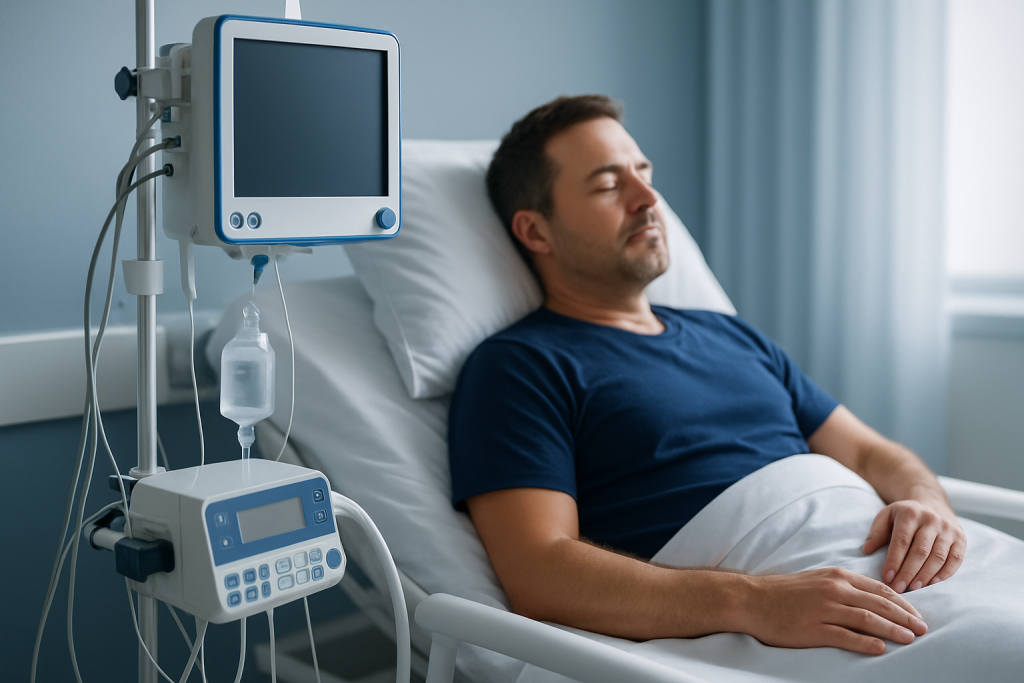
The first phase of gynecomastia recovery is usually marked by swelling, tenderness, tightness across the chest, and a sense that movement feels guarded. These effects are commonly most noticeable in the first several days, then gradually ease as the tissues settle.
Bruising can appear in the chest and sometimes extend toward the sides of the torso. Some people notice numbness or altered skin sensation, which often improves over time but may take weeks or longer to normalize.
Recovery is not identical for every patient. Men who had a smaller correction may feel comfortable sooner, while those who had more extensive contouring or skin tightening may need more time before they can sit through a long flight without strain.
- Common early experiences include swelling, soreness, and tightness.
- Compression garments are often used to help support healing tissues.
- Energy levels may be lower than usual for several days.
How Long to Stay Before Flying Home
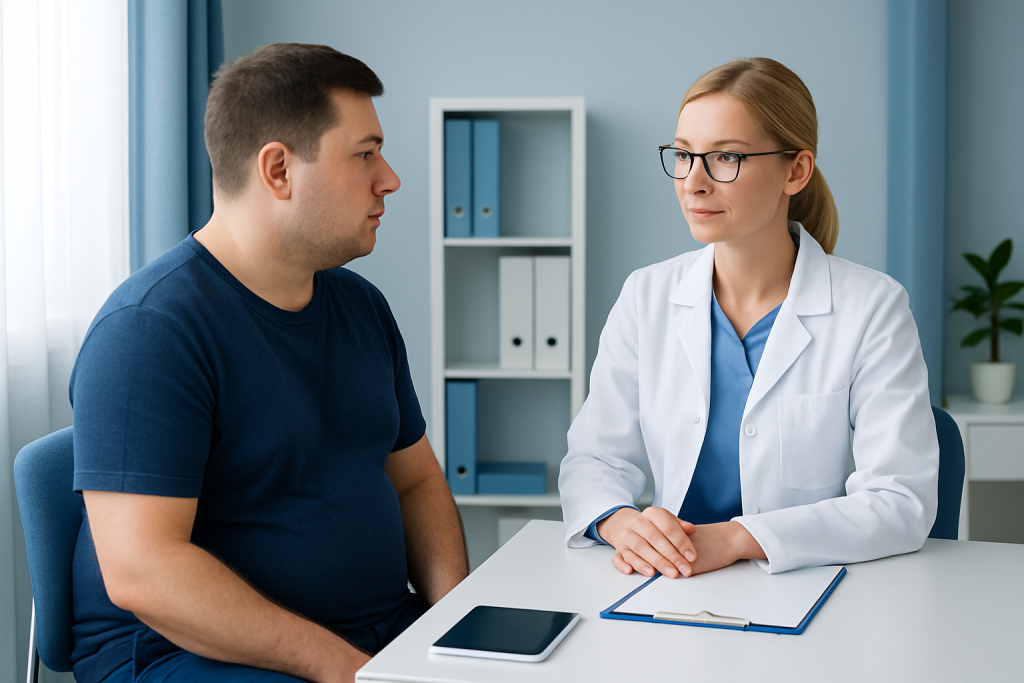
There is no universal number of days that fits every patient after gynecomastia surgery abroad. Some surgeons may allow travel once the early postoperative review is reassuring and the patient can move comfortably, while others may advise a longer stay if healing is more complex.
Many international patients are asked to remain in the destination country long enough for at least one follow-up appointment after surgery. That visit helps the surgical team assess swelling, check incisions, confirm that there is no excessive fluid collection, and review whether the compression garment is fitting properly.
The safest itinerary usually depends on practical details as much as medical ones. A short domestic-style flight, a long-haul international flight, and a journey with multiple connections each place different demands on the body, so the surgeon’s advice should reflect the actual route home rather than a generic schedule.
Before leaving, the patient should know whether drains, dressings, or medication instructions will still need attention. If any part of the aftercare plan is still active, the departure date may need to shift.
Factors That Influence the Timeline
The timing of travel after gynecomastia surgery is shaped by several clinical and practical factors. The more extensive the procedure, the more likely the body will need extra time to settle before a long flight.
Age, overall fitness, smoking history, and the presence of medical conditions such as diabetes or clotting concerns can also affect healing. Patients who already have a slower recovery profile may need a more cautious travel plan.
Other factors include the length of the flight, whether the person can walk regularly during the trip, and whether they will have support once they arrive home. Being able to rest properly after landing matters because recovery continues after the airport, not only before it.
- Extent of surgery and tissue removal
- Need for drains or repeated dressing changes
- Distance and duration of the flight
- Overall health and clot risk
- Access to follow-up care after returning home
Preparing for the Flight Home
Good preparation can make the journey home easier and more comfortable. Patients are usually advised to wear the surgeon-recommended compression garment if instructed, because it helps support the chest and may reduce discomfort during travel.
Movement is important on the day of the flight. Gentle walking at the airport, standing up at intervals when permitted, and avoiding long periods of complete stillness can help circulation. Hydration is also sensible, since air travel and recovery can both contribute to a dry, fatigued feeling.
It is wise to keep practical items within reach: discharge paperwork, medication instructions, any prescribed medicines, a charger, and contact details for the surgical team. A loose, front-opening shirt can be easier to manage than clothing that needs to be pulled over the head.
If the surgeon has given restrictions on lifting, reaching overhead, or carrying luggage, those limits should be followed carefully. Large suitcases, heavy backpacks, and rushing through terminals can strain healing tissues and make the trip more uncomfortable.
Symptoms That Need Closer Attention
Most patients experience a gradual, expected recovery, but certain symptoms should prompt medical review. The goal is not to create alarm; it is to recognize changes early so they can be handled appropriately.
Contact the surgical team or a local doctor if there is increasing redness, warmth, worsening pain, foul-smelling drainage, fever, or a sudden increase in swelling on one side of the chest. These findings may suggest infection, bleeding, or fluid buildup and should be assessed.
After travel, urgent attention is needed for shortness of breath, chest pain, fainting, or swelling and pain in one leg, since these can be signs of a blood clot. Even though such complications are not common, they are important to treat quickly if they occur.
Prevention & Self-care
Self-care after gynecomastia surgery is built around steadiness rather than dramatic measures. Following the surgeon’s instructions for wound care, garment use, activity limits, and medications is one of the best ways to support healing.
Patients should avoid smoking and recreational drug use during recovery, as these can interfere with tissue healing and circulation. Alcohol is best discussed with the treating team, particularly if pain medicine or antibiotics are being used.
Sleep positioning may also matter. Many patients find that resting on the back with the upper body slightly elevated is more comfortable than lying flat or turning onto the chest early in recovery. Light movement, balanced meals, and rest all contribute to a smoother return to normal activity.
For international patients, planning for follow-up before leaving the destination country is especially helpful. If the surgeon recommends a review after arrival home, a local doctor should be identified in advance so care continues without interruption.
When to See a Doctor
Medical advice should be sought promptly if symptoms are not improving as expected or if the recovery course seems to change suddenly. A patient should not assume that every new symptom is a normal part of healing, particularly after flying.
It is also appropriate to contact the surgical team if there is uncertainty about garment use, wound care, medication timing, or whether it is still safe to travel. Clear instructions are part of safe postoperative care, and asking early can prevent avoidable problems.
Acibadem Health Point’s multidisciplinary specialists and JCI-accredited hospitals diagnose and treat gynecomastia for international patients, with recovery planning that includes the practical realities of returning home.
Anyone with severe pain, breathing difficulty, heavy bleeding, or rapidly increasing swelling should seek urgent medical assessment without delay.
References
This article is for educational purposes and does not replace individualized medical advice. The ideal recovery timeline should always be confirmed with the operating surgeon, especially when travel is planned soon after surgery.
Patients traveling abroad may also benefit from keeping copies of operative notes, discharge instructions, and follow-up recommendations so that any doctor who sees them later has a clear record of the procedure and recovery plan.
Frequently asked questions
How long should a patient stay abroad after gynecomastia surgery before flying home?
The answer varies by the type of surgery, the pace of healing, and the length of the flight home. Many surgeons want at least one postoperative review before travel, but the final decision should come from the operating team after examining the patient.
Is it safe to fly soon after gynecomastia surgery?
Flying too soon can be uncomfortable and may complicate recovery if swelling or bleeding is still active. A surgeon will usually consider wound status, pain control, mobility, and any clot risk before clearing travel.
Why do surgeons recommend follow-up before international travel?
A follow-up visit allows the team to check incisions, swelling, and any drains or dressings. It also gives the patient a chance to ask practical questions about the flight, luggage, and care at home.
What should a patient wear on the flight home?
Loose, comfortable clothing is usually easiest, and a front-opening top can be helpful. If a compression garment has been prescribed, the surgeon should confirm how and when it should be worn during travel.
What symptoms after flying need urgent attention?
Shortness of breath, chest pain, one-sided leg swelling, fainting, heavy bleeding, or rapidly worsening pain should be assessed urgently. These symptoms are not typical and should not be ignored.
Can a patient return to work or exercise soon after arriving home?
That depends on how extensive the surgery was and how the healing is progressing. Light daily activity is often resumed gradually, while exercise, lifting, and chest strain usually wait until the surgeon says it is safe.
References
- American Society of Plastic Surgeons
- NHS
- Mayo Clinic
- Cleveland Clinic
This article is for general information only and is not a substitute for professional medical advice. Please consult a qualified doctor about your individual situation.