How To Relax

Key Takeaways
- Relaxation works best when it is practiced regularly, not only during a crisis.
- Breathing exercises, gentle movement, and sleep routines can all support a calmer nervous system.
- Stress may show up as tension, irritability, headaches, or poor sleep, not only as worry.
- If stress feels persistent or overwhelming, a doctor or mental health professional can help.
- Travel, work pressure, and family demands can all make relaxation harder, so realistic routines matter.
Relaxation is a skill that can be learned, not a personality trait. Small, repeatable habits can help the body settle, the mind slow down, and daily stress feel more manageable.
Overview
People often expect relaxation to feel dramatic, but it usually begins with small physical changes: the shoulders drop, the jaw loosens, breathing becomes slower, and thoughts become less urgent. These changes can be surprisingly powerful when repeated day after day.
It can also help to think of relaxation as a form of hygiene for the nervous system. Just as sleep, food, and movement need regular attention, the mind benefits from predictable pauses. Those pauses are especially valuable when someone is recovering from a procedure, adapting to a new environment, or trying to make clear decisions about care from another country.
There is no single best method. The most useful plan is usually the one a person can actually keep doing.
Signs the Body Needs a Break
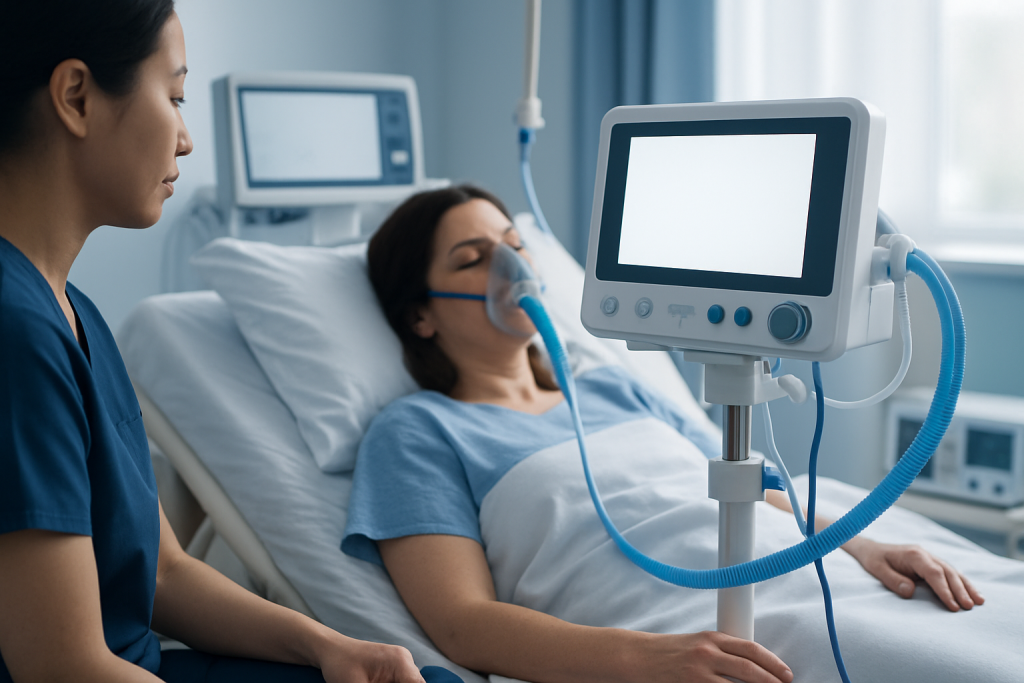
In a medical setting, these signs may be especially important. A person preparing for imaging, treatment discussions, surgery, or follow-up visits may not feel “panicked,” yet still experience a level of tension that affects sleep and appetite. Addressing that strain early can improve comfort and help appointments feel more focused.
If stress begins to affect daily functioning, it is worth taking seriously even if the cause seems ordinary. The body does not distinguish between “big” and “small” stress in a simple way; repeated strain can still build up. Paying attention to early signals makes it easier to respond before exhaustion sets in.
A helpful question is: “What changes when this person is under stress?” The answer often points directly to where support is needed.
What Makes It Hard To Relax

It can help to identify the practical barriers rather than blame willpower. Is the person too tired to plan? Too uncomfortable to sit still? Too distracted to focus? Each answer suggests a different solution, such as a shorter practice, a movement-based technique, or support from a professional.
Relaxation also becomes harder when the body is already overstimulated by caffeine, poor sleep, dehydration, or pain. Addressing those basic needs can make every other calming technique work better. Sometimes the most effective “relaxation method” begins with a meal, a glass of water, or an earlier bedtime.
For some people, stress is linked to anxiety or depression. In those cases, relaxation methods can still help, but they may work best as part of broader care rather than as the only strategy.
Simple Ways To Relax
Gentle movement often supports relaxation better than complete inactivity. Walking, stretching, yoga, tai chi, or light swimming can release physical tension and help the mind settle. For many people, movement works because it gives stress a constructive outlet rather than asking the body to stay still with extra energy inside.
Creative or sensory activities can also calm the nervous system. Reading, journaling, listening to music, gardening, warm baths, or making a cup of tea may seem simple, but they can signal safety and predictability to the body. The best activity is usually the one that feels restorative rather than performative.
Some people relax more easily when they combine methods. For example, a short walk followed by slow breathing may be more effective than either one alone.
Relaxation Habits That Support Sleep
If the mind races at night, writing down tomorrow’s tasks or worries earlier in the evening may help. This simple practice can reduce the sense that everything must be remembered at once. Some people also benefit from keeping the bedroom cool, quiet, and reserved mainly for rest.
It is important to be patient with sleep changes. One calm evening does not reset a whole week of tension, but repeated routines can gradually teach the body what rest feels like. If sleep problems continue, a doctor can help look for contributors such as pain, anxiety, medication effects, or sleep disorders.
Relaxation before bed should feel soothing, not like another item on a perfection checklist.
Stress Management For Work, Travel, and Recovery
It can also be useful to set boundaries around stress when possible. That may mean limiting news consumption, pausing nonessential messages, or choosing one or two priorities instead of trying to solve everything at once. Small boundaries protect attention, and attention is a major part of calm.
When care is being organized from another country, a coordinated team can make a meaningful difference. At Acibadem Health Point, multidisciplinary specialists and JCI-accredited hospitals help diagnose and treat a wide range of conditions for international patients, with attention to communication and continuity of care. That kind of structure can reduce uncertainty and make it easier to focus on recovery.
Even so, the person still benefits from their own routine: breathing breaks, sleep protection, movement, and realistic expectations.
When To See a Doctor
It is especially sensible to seek help if relaxation techniques are causing frustration rather than relief. That may mean the body is in a more complicated stress state, sleep is significantly disrupted, or an underlying health issue needs attention. A doctor can help distinguish ordinary stress from a condition that needs treatment.
If someone is preparing for care abroad, asking about the treatment plan, recovery timeline, and follow-up process can also reduce anxiety. Clear information often restores a sense of control.
Needing help to relax is not a weakness. It is a common and reasonable step toward better health.
Frequently asked questions
What is the fastest way to relax in the moment?
Slow breathing is often one of the quickest ways to settle the body. A person can lengthen the exhale, relax the shoulders, and focus on a simple rhythm for a few minutes. It may not remove the stressor, but it can reduce the body’s immediate alarm response.
Why is it so hard to relax even when there is time?
Some people find stillness uncomfortable because their minds are used to constant activity or worry. Stress, poor sleep, caffeine, pain, and anxiety can all make relaxation harder. In those cases, very short practices are often more realistic than long sessions.
Can exercise help with relaxation?
Yes, gentle physical activity often helps release tension and improve mood. Walking, stretching, yoga, and similar movement can be especially helpful when done regularly. The goal is not intense training, but a pace that feels supportive rather than draining.
Do relaxation techniques help with medical anxiety?
They can help reduce physical tension and make stressful moments more manageable. Relaxation methods are most useful when paired with clear information, supportive communication, and a realistic care plan. If anxiety is strong or persistent, a clinician can suggest additional support.
What if relaxation methods do not work for a while?
That does not mean the person is doing them wrong. It may mean the stress level is high, the technique is not the right fit, or another issue such as pain or anxiety needs attention. A doctor or mental health professional can help identify the next step.
How can someone relax while traveling for treatment?
Keeping a simple routine helps: drink enough water, rest when possible, protect sleep, and use a short breathing exercise before appointments. It can also help to organize documents, ask questions early, and lean on the care team for practical guidance.
References
- World Health Organization
- National Institute of Mental Health
- American Psychological Association
- Mayo Clinic
- NHS
This article is for general information only and is not a substitute for professional medical advice. Please consult a qualified doctor about your individual situation.