Pregnancy After Bariatric Surgery: How Long to Wait and What to Monitor

Key Takeaways
- Pregnancy is usually safest when it is planned after the body has passed the rapid weight-loss phase.
- Nutritional monitoring is essential because bariatric surgery can affect iron, folate, vitamin B12, calcium, vitamin D, and protein intake.
- The recommended waiting period can vary by procedure and individual recovery, so personalized medical advice is important.
- Some symptoms, such as persistent vomiting, dehydration, or signs of anemia, should be assessed promptly.
- Care during pregnancy often involves both obstetric and bariatric specialists, especially when follow-up is being coordinated across countries.
Medically reviewed by the Acıbadem clinical team — June 13, 2026
Pregnancy after bariatric surgery is often possible and can be healthy, but timing and nutritional monitoring matter. Most people are advised to wait until weight and eating patterns are more stable and to work closely with a healthcare team before and during pregnancy.
Overview
Pregnancy after bariatric surgery is a topic that deserves planning rather than guesswork. Many people who have had surgery for weight loss go on to have successful pregnancies, but the period after surgery is not the same as life before it. The body is adjusting to a new way of eating, absorbing nutrients, and managing weight, and those changes matter for both the parent and the developing baby.
The main question is usually not whether pregnancy is possible, but when it is best to begin trying. Most clinicians advise waiting until weight loss has slowed and nutrition is more stable, because the first months after surgery can bring rapid physical change and a higher risk of nutrient shortfalls. For someone traveling for care or continuing follow-up from another country, it helps to think ahead about where pregnancy monitoring will happen, who will review lab results, and how nutritional supplements will be managed over time.
The exact timing depends on the type of surgery, how the body is healing, and whether there are ongoing concerns such as vomiting, anemia, or difficulty keeping up with food and fluids. A coordinated plan can make the transition into pregnancy safer and less stressful.
How long to wait before trying to conceive
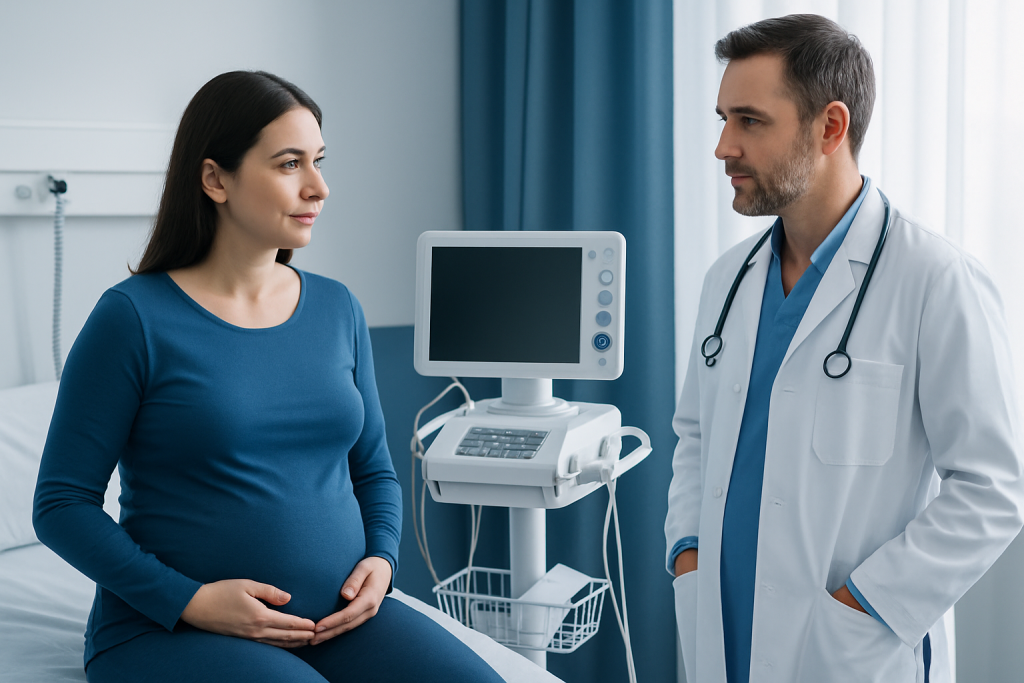
There is no single waiting period that fits everyone, but a common recommendation is to avoid pregnancy during the rapid weight-loss phase after bariatric surgery. In practical terms, many people are guided to wait about 12 to 18 months after surgery, and sometimes longer if weight is still changing quickly or nutrition has not yet stabilized. The goal is to enter pregnancy when the body has reached a more settled state.
The waiting period can differ by procedure. After a Gastrectomy vs. Gastric Bypass: Differences That Matter Beyond the Operating Room" class="ahp-ilk">sleeve gastrectomy, gastric bypass, or other bariatric operations, the rate of weight loss and the impact on nutrient absorption may vary, which is why a surgeon or obesity medicine specialist should help decide when it is appropriate to try for pregnancy. If menstruation has become irregular after weight loss, that can also affect timing and may make ovulation harder to predict.
It is important to remember that waiting is not about denying pregnancy; it is about improving the chance that the pregnancy begins with enough nutritional reserve and body stability. For patients who are seeking care internationally, this may mean scheduling a preconception review before travel or arranging a follow-up visit with a team that can stay in contact once pregnancy begins.
What changes after bariatric surgery
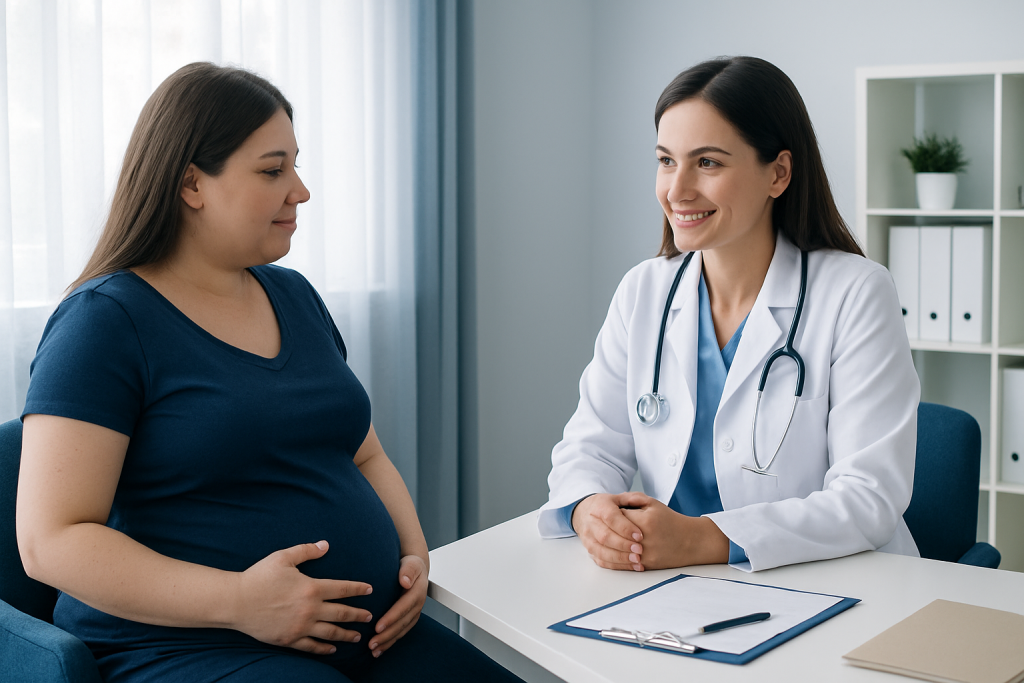
Bariatric surgery changes more than the size of the stomach. Depending on the procedure, it may reduce food intake, alter digestion, or affect absorption of vitamins and minerals. That is why pregnancy after surgery is monitored differently from pregnancy in someone who has not had the operation. A healthy diet may still be possible, but the margin for error is smaller.
Rapid weight loss can improve fertility, which is one reason some people become pregnant sooner than expected after surgery. That improvement can be welcome, but it also means contraception and planning deserve attention soon after the procedure. A healthcare team may discuss the best method of contraception and when it is safe to stop it if pregnancy is desired.
Some people also notice food intolerance, reflux, nausea, or early fullness. During pregnancy, these symptoms can overlap with normal pregnancy discomforts, which makes it even more important to have a baseline plan. When a patient is following up from abroad, clear records of the procedure type, operative notes, and nutritional history are especially helpful for the obstetric team.
Symptoms and warning signs to monitor
Most pregnancies after bariatric surgery require attention to the same basic warning signs as any other pregnancy, plus a few that are more specific to prior surgery. Persistent vomiting, difficulty swallowing, inability to keep fluids down, and worsening abdominal pain should not be ignored. They can signal dehydration, a surgical complication, or an issue with nutrient intake.
Other signs worth monitoring include unusual fatigue, dizziness, paleness, hair loss, muscle weakness, numbness or tingling, and brittle nails. These may be clues to iron, vitamin B12, folate, thiamine, or other deficiencies. If there has been poor food intake or repeated vomiting, thiamine deficiency needs particular attention because it can become serious if left untreated.
- Ongoing nausea or vomiting that prevents normal eating or drinking
- Signs of dehydration such as dark urine, dizziness, or reduced urination
- Symptoms of anemia, including fatigue, shortness of breath, or paleness
- Abdominal pain, especially if it is persistent or severe
- New weakness, numbness, or trouble walking
Monitoring is not meant to create anxiety. It is a practical way to catch small problems before they become harder to correct.
Causes & risk factors for concern in pregnancy
The main reason pregnancy after bariatric surgery needs closer monitoring is the possibility of nutritional deficiency. Iron, folate, vitamin B12, vitamin D, calcium, and protein are especially important during pregnancy, and some procedures make it harder to maintain adequate levels. Even if a person feels well, laboratory values may show a deficit before symptoms appear.
Rapid weight loss, limited oral intake, food aversion, and vomiting can increase risk. Certain procedures that bypass part of the intestine may also reduce absorption more than restrictive procedures do. The risk is not the same for everyone, which is why individualized follow-up is more reliable than one-size-fits-all advice.
Additional concerns can include gallstones during rapid weight loss, reflux, low blood sugar episodes in some patients, and the challenge of balancing pregnancy-related weight gain with post-surgery expectations. A person with a history of anemia, low vitamin levels, or difficult recovery after surgery may need more frequent checks. This is especially important for international patients who may be moving between healthcare systems and need a clear continuity plan.
Diagnosis and preconception assessment
Before pregnancy, a clinician will usually review the type of bariatric procedure, current weight trend, eating pattern, supplement use, and any history of complications. Blood tests often include a complete blood count and assessments of iron stores, vitamin B12, folate, vitamin D, calcium, and other markers based on the person’s surgery and medical history. The purpose is to identify issues that can be corrected before conception.
If pregnancy has already occurred, early evaluation is still useful. The team may confirm how far along the pregnancy is, review medications and supplements, and check whether any symptoms suggest dehydration or deficiency. In some cases, care also involves a dietitian who understands both bariatric needs and pregnancy nutrition.
For someone traveling internationally, a helpful step is to gather surgical records, recent laboratory results, and a list of supplements before the first appointment. That makes it easier for the new care team to make decisions quickly and safely, without repeating unnecessary testing or missing important details from the original operation.
Treatment options and nutritional support
There is no special “treatment” for being pregnant after bariatric surgery; the focus is on careful support. Prenatal vitamins are commonly recommended, but they may need to be adjusted to match the surgery type and laboratory findings. Iron, vitamin B12, folate, calcium, vitamin D, and sometimes thiamine may be added or monitored more closely.
Dietary guidance usually emphasizes regular meals, adequate protein, fluids between meals rather than with meals if tolerated, and foods that are rich in nutrients without causing discomfort. Some people benefit from smaller, more frequent meals because the stomach holds less than before. If nausea or vomiting is significant, the clinician may recommend specific pregnancy-safe strategies and assess whether dehydration is developing.
When deficiencies are detected, treatment may involve oral supplements, injections, or intravenous replacement depending on severity and absorption. If the pregnancy is being managed across borders, it is important that the supplement plan is written clearly so that it can be continued without interruption. Acibadem Health Point’s multidisciplinary specialists and JCI-accredited hospitals can help diagnose and treat this condition for international patients, with coordinated follow-up when needed.
Prevention & self-care during pregnancy
Good self-care begins before conception. A pre-pregnancy visit can confirm whether the timing is right, whether supplements are adequate, and whether any nutrition gaps need correction. Reliable contraception should be used until a clinician confirms that it is appropriate to start trying.
During pregnancy, the practical habits matter: keep up with scheduled blood tests, take recommended supplements consistently, stay hydrated, and report troublesome symptoms early. It can also help to keep a simple record of weight, food tolerance, and any vomiting episodes, especially if appointments are spread between countries or different medical systems.
Emotional support is part of care too. Pregnancy after surgery can bring mixed feelings, especially when the body is changing quickly or when medical advice seems complex. A calm, coordinated plan with obstetrics, bariatric care, and nutrition support can reduce uncertainty and make the experience feel more manageable.
When to see a doctor
Medical advice should be sought before trying to conceive after bariatric surgery, ideally once the surgical team and obstetric clinician can review the recovery course together. If pregnancy happens sooner than planned, an early appointment is still worthwhile. Timely review can help identify nutritional issues early and guide safe supplementation.
During pregnancy, a doctor should be contacted promptly for persistent vomiting, dehydration, fainting, abdominal pain, inability to tolerate food or fluids, or symptoms that suggest anemia or vitamin deficiency. Sudden or severe symptoms should never be dismissed as routine pregnancy discomfort, especially when there is a history of bariatric surgery.
Regular follow-up is especially useful for patients who are returning home after surgery or planning prenatal care in a different country. A clear handoff between teams helps avoid gaps in lab monitoring and makes it easier to respond to changes before they affect maternal or fetal health.
Frequently asked questions
How long should someone wait to get pregnant after bariatric surgery?
Many clinicians recommend waiting about 12 to 18 months after surgery, but the right timing depends on the procedure and whether weight and nutrition have stabilized. The safest answer is usually the one based on an individual review rather than a fixed calendar date. A preconception visit can help confirm readiness.
Is pregnancy after gastric bypass or sleeve gastrectomy safe?
It can be safe when it is planned and monitored carefully. The main concerns are nutrient deficiencies, dehydration, and making sure the body has recovered from the rapid weight-loss phase. Close follow-up helps reduce these risks.
What vitamins are most important during pregnancy after bariatric surgery?
Iron, folate, vitamin B12, vitamin D, calcium, protein, and sometimes thiamine are commonly monitored. The exact plan depends on the type of surgery and laboratory results. Supplements should be tailored by a clinician rather than chosen at random.
Can bariatric surgery affect fertility?
Yes, many people become more fertile after weight loss, sometimes before they expect it. That is why contraception and pregnancy planning are important soon after surgery. If pregnancy is desired, timing should be discussed with the care team.
What symptoms should not be ignored during pregnancy after surgery?
Persistent vomiting, dehydration, abdominal pain, dizziness, fainting, and symptoms of anemia should be assessed promptly. These signs can sometimes point to nutrition problems or a surgical issue. Early evaluation is the safest approach.
Do all pregnancies after bariatric surgery need extra monitoring?
Most do benefit from closer monitoring, even when everything seems to be going well. Blood tests and nutrition reviews can identify problems before they cause symptoms. This is especially helpful if care is being coordinated across different countries or clinics.
References
- American College of Obstetricians and Gynecologists
- American Society for Metabolic and Bariatric Surgery
- World Health Organization
- NHS
- Mayo Clinic
This article is for general information only and is not a substitute for professional medical advice. Please consult a qualified doctor about your individual situation.