Fitzpatrick Skin Type

Key Takeaways
- Fitzpatrick skin type is based on how skin usually reacts to sun exposure, not just on skin color.
- The scale helps clinicians estimate sunburn risk and choose safer cosmetic or medical skin procedures.
- People with deeper skin tones can still burn and can still need strong photoprotection.
- Self-assessment is useful, but a dermatologist can give a more accurate evaluation when treatment planning matters.
- Sun protection remains important for every skin type, year-round.
Fitzpatrick skin type is a dermatologist-used scale that estimates how skin responds to ultraviolet light, especially how easily it burns or tans. It can help guide sun protection habits and the planning of certain skin treatments, including lasers and light-based procedures.
Overview
The Fitzpatrick skin type scale is a practical way of describing how skin tends to respond to ultraviolet (UV) light. Rather than focusing only on appearance, it asks a more useful question for everyday care and medical planning: does the skin usually burn, tan, or do both?
Dermatologists use this scale when discussing sun protection, pigment concerns, and the safety of treatments such as laser procedures, chemical peels, and certain light-based therapies. For international patients traveling for dermatology or aesthetic care, it can be one of the first details reviewed because it helps the team plan treatment more carefully from the start.
The scale includes six skin types, from Type I to Type VI. It is not a judgment of skin tone and it does not replace a clinical assessment, but it offers a shared language that supports clearer, safer decisions.
Symptoms and What the Types Mean
Fitzpatrick skin type is not a disease, so it does not have symptoms in the usual medical sense. Instead, each type describes a pattern of response to sun exposure. A person may have fair skin and still be misclassified, or have deeper skin and still burn easily, which is why the scale focuses on behavior after UV exposure.
In broad terms, Type I skin usually burns very easily and rarely tans, while Type VI skin is much less likely to burn and more likely to darken naturally with sun exposure. The categories in between show varying degrees of burn and tan response. Dermatologists may ask questions such as whether the skin freckles, how quickly redness appears, and whether tanning follows a burn or happens without one.
- Type I: Always burns, never tans easily
- Type II: Usually burns, tans minimally
- Type III: Sometimes burns, gradually tans
- Type IV: Rarely burns, tans easily
- Type V: Very rarely burns, tans deeply
- Type VI: Never or almost never burns, deeply pigmented skin
Because the scale is based on tendency rather than appearance alone, it can change the way skin care is planned even when two people look superficially similar.
Causes & Risk Factors

Fitzpatrick skin type is influenced by genetics and by how much natural melanin the skin makes and distributes. Melanin helps absorb and disperse UV radiation, which partly explains why some skin types burn more quickly and others tan more readily.
Family background, eye color, hair color, freckling, and previous sun exposure can all affect the way skin behaves in sunlight. However, everyday appearance does not always predict response accurately. Some people with medium or dark skin tones may assume they are protected from sun damage, but they can still experience burns, hyperpigmentation, and long-term UV injury.
Risk factors for UV-related skin damage include frequent outdoor exposure, a history of sunburn, use of photosensitizing medications, and prior cosmetic or medical procedures that increase light sensitivity. For people planning treatment abroad, it is important to mention any past reactions to sun, tanning beds, peels, or lasers so the care team can adapt the plan safely.
Diagnosis and How Dermatologists Assess It
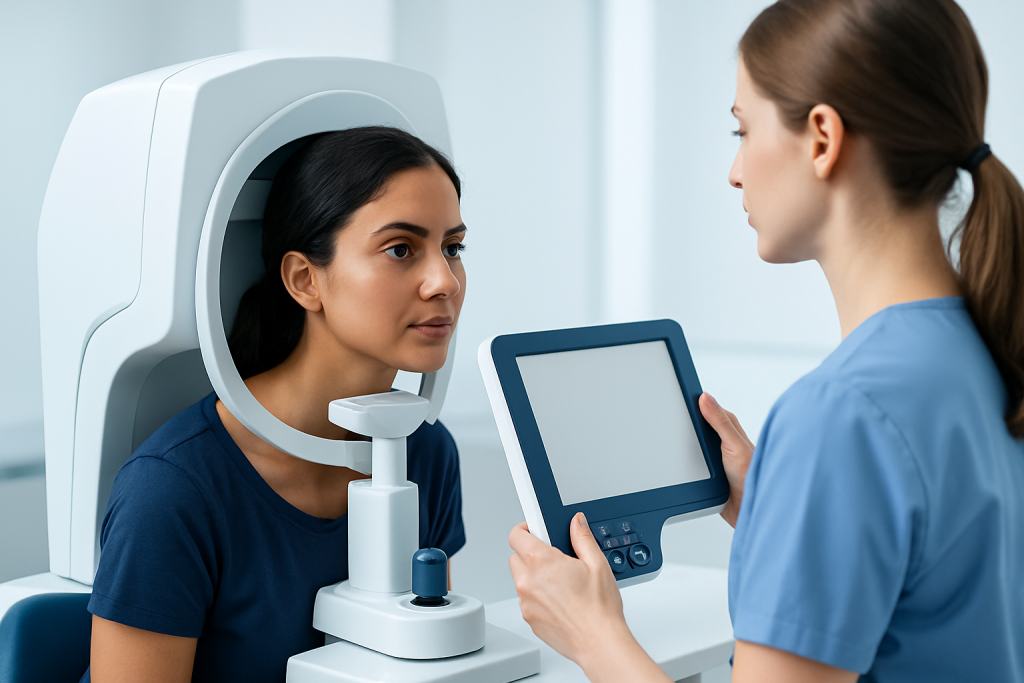
There is no laboratory test for Fitzpatrick skin type. It is usually estimated through a focused conversation and observation by a clinician. The dermatologist may ask how the skin behaves after first sun exposure of the season, whether the person tans after burning, and how much freckling occurs with sun exposure.
In clinics, this assessment may be combined with a broader review of skin tone, recent tanning, pigment disorders, and any previous reactions to procedures. This matters because skin type can affect the risk of post-inflammatory hyperpigmentation, scarring, or uneven healing after certain treatments. A careful review is especially useful when patients arrive from another country and may have limited time for pre-procedure planning.
Self-assessment charts exist, and they can be helpful for general education. Still, a dermatologist’s evaluation is more reliable when treatment decisions depend on the result. The best answer often comes from the whole clinical picture rather than from a single question or photo.
Treatment Options and Procedure Planning
Fitzpatrick skin type itself does not require treatment, but it influences how other skin concerns are managed. Dermatologists may adjust laser settings, choose different wavelengths, or select alternative technologies to lower the risk of burns and pigment changes. The same careful approach may apply to chemical peels, resurfacing, and some light-based treatments.
For patients seeking cosmetic or dermatologic procedures, the skin type discussion is one part of safe planning. It helps set expectations about healing time, aftercare, and the possibility of temporary redness or darkening after treatment. In higher Fitzpatrick types, clinicians often pay close attention to preventing post-inflammatory hyperpigmentation and may recommend a more conservative approach.
When a condition such as acne, acne scars, melasma, rosacea, or sun damage is being treated, the choice of method may differ depending on skin type. The goal is not to avoid treatment, but to choose the most appropriate option for the individual skin profile.
Prevention & Self-care
Sun protection is useful for every Fitzpatrick type. Even skin that rarely burns can accumulate UV damage over time, and repeated exposure can worsen pigmentation changes, premature aging, and skin cancer risk. Consistent protection is often more effective than occasional intensive use.
Daily self-care generally includes using a broad-spectrum sunscreen, seeking shade during strong sun, wearing protective clothing, and using hats and sunglasses outdoors. People who are planning travel for treatment should also think about the climate at their destination and how soon they will be outdoors after the procedure. After many dermatologic treatments, fresh skin can be more sensitive to sunlight than usual.
- Use broad-spectrum sunscreen as part of the morning routine
- Reapply when outdoors for long periods
- Avoid intentional tanning and tanning beds
- Protect healing skin after procedures with clothing and shade
- Follow the clinician’s aftercare instructions closely
If the skin tends to darken after inflammation, gentle skincare and prompt management of irritation can be helpful. Barrier support, avoidance of harsh scrubs, and patience during healing often matter as much as active products.
When to See a Doctor
A dermatologist should be consulted when a person is unsure of their Fitzpatrick skin type and needs it for treatment planning, or when the skin reacts strongly to sun with redness, blistering, or lingering pigment changes. Medical advice is also important if there is a history of burns after minor exposure, unusual sensitivity to light, or concern about a medication that may increase sun reactions.
People considering laser treatment, peels, or other cosmetic procedures should seek a professional assessment before scheduling care, especially if they have darker skin, a history of keloids, or prior post-treatment darkening. An accurate review can reduce avoidable complications and help the clinician choose the right method.
For international patients, a pre-travel consultation and a clear aftercare plan can make a meaningful difference. Acibadem Health Point’s multidisciplinary specialists and JCI-accredited hospitals diagnose and treat a wide range of dermatologic concerns for international patients, including skin-type-based treatment planning.
Living Well With Your Skin Type
Knowing a Fitzpatrick skin type can be reassuring because it gives patients a framework for making better choices, not a label to worry about. It helps explain why one person burns quickly, why another develops dark marks after inflammation, and why the same procedure may not suit every skin equally.
The most useful mindset is practical: protect the skin from UV exposure, share the full history with the dermatologist, and ask how the planned treatment is adapted for the individual skin profile. When that conversation happens early, patients are more likely to feel prepared and less likely to be surprised by aftercare needs once they are home or traveling.
Skin type is only one part of overall skin health, but it is a very useful part. With good guidance, people of every skin type can receive thoughtful, individualized care.
Frequently asked questions
Is Fitzpatrick skin type the same as skin color?
No. Skin color gives a rough visual impression, but Fitzpatrick skin type is based on how the skin usually responds to sun exposure. Two people with similar-looking skin may still have different burn and tan patterns.
Can darker skin still get sunburned?
Yes. Deeper skin tones have more natural protection, but they are not immune to sunburn or UV damage. Sun protection is still important for all skin types.
Why do doctors ask about Fitzpatrick skin type before laser treatment?
Because skin type can affect how likely the skin is to burn, pigment, or heal with color changes after treatment. This helps the clinician choose settings and methods that are safer for the individual patient.
Can Fitzpatrick skin type change over time?
The basic tendency is largely genetic, but real-life response can shift with tanning, aging, medications, and skin conditions. That is why clinicians look at both history and current skin appearance.
How can someone estimate their own Fitzpatrick skin type?
A person can think about what usually happens after the first strong sun exposure of the season: burn, tan, or both. Self-assessment is only a guide, though, and a dermatologist can confirm it more accurately.
Does Fitzpatrick skin type affect acne scar treatment?
Yes, it can. Some treatments are selected or adjusted differently in skin that is more prone to post-inflammatory hyperpigmentation or scarring, so the skin type helps with safer planning.
References
- American Academy of Dermatology
- National Institutes of Health
- DermNet
- Mayo Clinic
This article is for general information only and is not a substitute for professional medical advice. Please consult a qualified doctor about your individual situation.