Fatty Liver Symptoms: Causes and Treatment

Key Takeaways
- Fatty liver may cause no symptoms in the early stages, which is why it is often found during routine tests.
- When symptoms happen, they are usually vague, such as tiredness, upper abdominal discomfort, or a sense of fullness.
- Weight changes, insulin resistance, alcohol use, and certain health conditions can raise the likelihood of fatty liver.
- Diagnosis usually involves blood tests, imaging, and sometimes additional liver assessment.
- Lifestyle changes are often the first line of care, but treatment should be individualized by a clinician.
- People with jaundice, worsening pain, swelling, or confusion should seek prompt medical attention.
Medically reviewed by the Acıbadem clinical team — August 19, 2026
Fatty liver often develops quietly, so many people notice no symptoms at first. When signs do appear, they are usually subtle and worth checking early, especially because liver health can change over time with proper evaluation and care.
Overview
Fatty liver means that excess fat has built up in liver cells. It is common for the condition to remain silent for a long time, especially in the early stages, which is why many people only learn about it after a blood test or ultrasound done for another reason. For that reason, the phrase fatty liver symptoms can be misleading: the liver may already be under strain even when nothing feels obviously wrong.
There are two broad forms. One is linked mainly to alcohol use, and the other is associated with metabolic factors such as excess weight, type 2 diabetes, high blood lipids, and insulin resistance. Both forms deserve attention because ongoing fat accumulation can sometimes lead to inflammation, scarring, and more advanced liver disease if it is not addressed.
For patients who live in another country, the first step is often simply understanding whether a mild abnormal lab result or an incidental scan finding is important. A careful review by a clinician can help separate a temporary change from a pattern that needs ongoing follow-up, treatment, and a practical plan that fits travel, work, and home life.
Symptoms
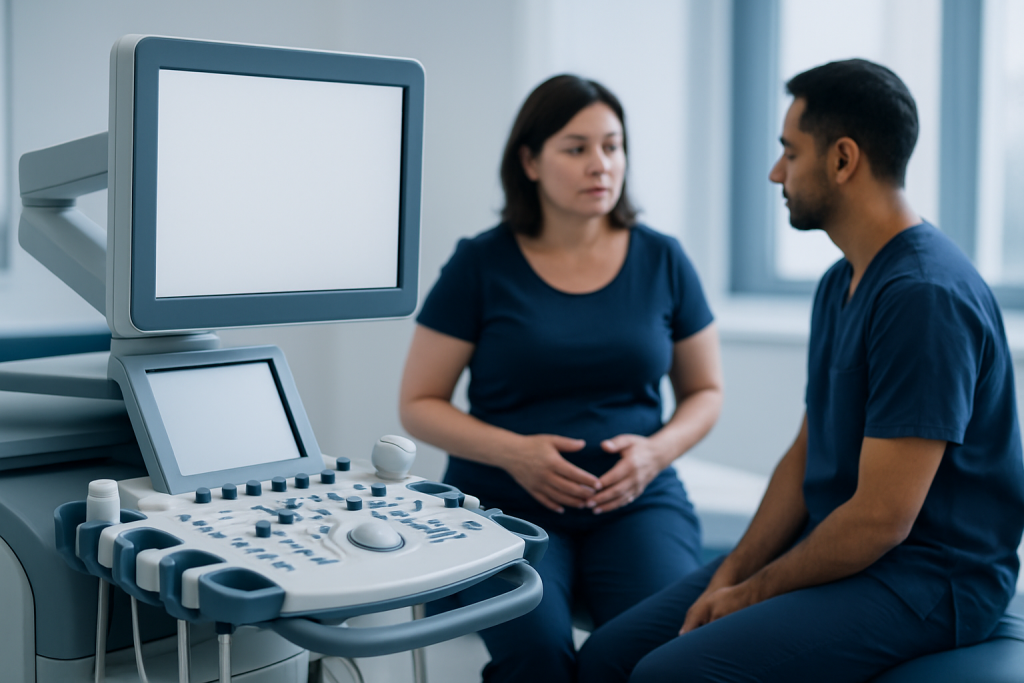
Many people with fatty liver have no symptoms at all. When symptoms do appear, they are usually not dramatic and can be easy to dismiss as stress, poor sleep, or general tiredness. This quiet presentation is one reason the condition is often found late unless someone is already being monitored for another health issue.
Possible symptoms may include:
- Fatigue or a low-energy feeling that does not improve with rest
- Mild discomfort or a dull ache in the upper right side of the abdomen
- A sense of fullness or heaviness in the belly
- Reduced appetite or occasional nausea
- General feeling of being unwell without a clear cause
As liver disease progresses, more concerning signs can appear. These may include yellowing of the skin or eyes, abdominal swelling, leg swelling, easy bruising, dark urine, pale stools, or confusion. These are not typical early findings and should be assessed promptly by a doctor.
Causes & Risk Factors

Fatty liver develops when the liver stores more fat than it can manage efficiently. In many cases, the underlying drivers are part of a broader metabolic picture rather than a single isolated cause. This means the liver can be affected even in people who do not feel unwell and may be surprised by the diagnosis.
Common risk factors include excess body weight, central obesity, type 2 diabetes, prediabetes, high triglycerides, low HDL cholesterol, and insulin resistance. Certain medications, rapid weight loss, poor nutrition, and some inherited or autoimmune conditions can also contribute. Alcohol use may cause or worsen fat accumulation and liver injury, even when the amounts seem modest to the person drinking.
Risk is not determined by weight alone. Some people with a normal body mass index can still develop fatty liver, especially if they have diabetes, metabolic syndrome, or a family history of liver disease. This is one reason clinicians often look at the whole health picture rather than focusing on a single number.
Diagnosis
Diagnosis usually begins with a conversation about symptoms, alcohol use, medications, medical history, and family history. A doctor may also ask about weight changes, blood sugar control, cholesterol levels, and any prior liver test results. The goal is not just to confirm fat in the liver, but to understand why it is present and whether inflammation or scarring may already be developing.
Testing commonly includes liver blood tests, blood sugar and lipid checks, and imaging such as ultrasound. Depending on the situation, additional tools like FibroScan or other noninvasive fibrosis assessments may be used to estimate stiffness in the liver. In selected cases, more detailed evaluation may be recommended to clarify the stage of disease or rule out other conditions.
For international patients, diagnosis may involve more than one appointment if prior records are incomplete. Bringing previous lab results, scans, and a medication list can help the team compare changes over time and avoid repeating tests unnecessarily.
Treatment Options
Treatment depends on the cause, the degree of liver involvement, and whether scarring has started. There is no single approach that fits everyone, but in many cases the most effective treatment begins with everyday changes that reduce the liver’s metabolic burden. The aim is to lower fat in the liver, calm inflammation, and protect long-term liver function.
For many people, the first recommendations include gradual weight reduction if needed, improved nutrition, regular physical activity, better blood sugar control, and management of cholesterol and blood pressure. Alcohol reduction or abstinence is important when alcohol is a factor. If diabetes, obesity, or elevated lipids are present, those conditions are often treated at the same time because they are closely connected to liver health.
There is no universally approved medication that reverses fatty liver for every person, so treatment is individualized. In some cases, a doctor may recommend medicines for related conditions, vitamin evaluation, or referral to a liver specialist if fibrosis risk is higher. If advanced liver damage is found, the care plan becomes more specialized and may involve long-term monitoring and, in severe cases, transplant evaluation.
Prevention & Self-care
Prevention often overlaps with treatment because the same habits that protect the liver also help the heart, blood sugar, and overall energy level. Small, sustainable changes tend to work better than short-lived strict plans. The goal is not perfection; it is a steady pattern that the person can maintain in daily life and, if needed, while traveling for follow-up care.
Helpful self-care steps include:
- Choose a balanced eating pattern with plenty of vegetables, fiber, and lean proteins
- Limit highly processed foods and sugary drinks
- Stay physically active in a way that is realistic and safe
- Review alcohol intake honestly with a clinician
- Take prescribed medicines as directed and avoid unapproved supplements
- Keep regular follow-up for diabetes, cholesterol, and blood pressure
People who are arranging care from abroad may find it useful to ask in advance how follow-up will work after they return home. A clear plan for lab monitoring, medication adjustments, and warning signs can make the transition smoother and reduce uncertainty.
When to See a Doctor
Any person who has persistent fatigue, unexplained upper abdominal discomfort, abnormal liver tests, or a scan that mentions fatty liver should speak with a doctor. Even if symptoms are mild, early evaluation can help determine whether the condition is stable or whether there is a higher risk of inflammation or fibrosis.
Medical review is especially important for people with diabetes, obesity, high cholesterol, heavy alcohol use, or a family history of liver disease. These factors can increase the chance that fatty liver will progress, so monitoring should not be delayed just because symptoms are minimal.
Urgent assessment is needed if jaundice, swelling, vomiting blood, black stools, confusion, marked abdominal swelling, or severe pain occurs. For patients seeking care from overseas, Acibadem Health Point’s multidisciplinary specialists and JCI-accredited hospitals can help diagnose and treat fatty liver disease with a coordinated approach that supports international patients before and after travel.
Living With Fatty Liver: What Follow-up Usually Involves
Once fatty liver is identified, care often becomes a long-term partnership rather than a one-time visit. The focus is on tracking liver tests, metabolic health, and any signs that the condition is improving or progressing. This is especially important because symptoms may remain quiet even when the liver is changing internally.
Follow-up may include repeat blood tests, periodic imaging, and review of weight, glucose, and cholesterol trends. If the liver has developed scarring, the schedule for monitoring can become more structured. The exact plan depends on the person’s age, other health conditions, and how the liver responds to treatment.
Many patients do well when they understand that fatty liver is manageable, especially when identified early. Clear communication, practical goals, and consistent monitoring can make a meaningful difference over time.
Frequently asked questions
Can fatty liver cause symptoms in the early stages?
Yes, but many people have no noticeable symptoms at first. Fatty liver is often found during routine blood work or imaging done for another reason. That is why screening and follow-up matter when risk factors are present.
Is fatigue a common fatty liver symptom?
Fatigue is one of the more common nonspecific complaints people report. However, it can have many causes, so it should not be assumed to come from the liver without proper evaluation. A clinician may look at liver tests as well as other possible explanations.
Does fatty liver always mean serious liver disease?
No, not always. Some people have simple fat buildup that remains stable for years, while others may develop inflammation or scarring over time. The key is to assess the stage of disease rather than assume the worst.
Can fatty liver improve with lifestyle changes?
In many cases, yes. Gradual weight loss if needed, regular activity, better blood sugar control, and reduced alcohol intake can all help lower liver fat. A doctor can guide which changes are most appropriate for the individual.
What tests are usually used to diagnose fatty liver?
Doctors commonly use blood tests and imaging such as ultrasound, and sometimes noninvasive fibrosis assessments to estimate liver stiffness. Additional testing may be needed to rule out other causes of liver problems. The exact workup depends on the person’s history and risk factors.
When should someone seek urgent care for liver symptoms?
Urgent care is important if jaundice, confusion, swelling, severe abdominal pain, vomiting blood, or black stools appear. These symptoms can signal more advanced liver disease or another serious condition. Prompt medical assessment is the safest step.
References
- American Liver Foundation
- National Institute of Diabetes and Digestive and Kidney Diseases
- Mayo Clinic
- World Gastroenterology Organisation
- European Association for the Study of the Liver
This article is for general information only and is not a substitute for professional medical advice. Please consult a qualified doctor about your individual situation.
Explore treatments in Turkey — costs, top hospitals & a free quote
JCI-accredited · board-certified surgeons · reply within 24h
Add us as a Preferred Source to see more of our trusted health content across Google Search, AI Overviews and Discover.