

Estradiol: Uses, Dosage and Side Effects

Key Takeaways
- Estradiol is a natural estrogen hormone that may be prescribed in different forms, including tablets, patches, gels, or vaginal treatments.
- It is commonly used to relieve menopause symptoms, protect bone health in selected patients, and treat certain hormone deficiencies or gynecologic conditions.
- Benefits and risks depend on age, medical history, the form used, and whether a progestogen is also needed.
- Regular follow-up matters because hormone therapy should be reviewed over time and adjusted to the person’s changing needs.
- Patients should seek medical advice promptly if they notice unusual bleeding, chest pain, shortness of breath, severe headache, or signs of a blood clot.
Medically reviewed by the Acıbadem clinical team — August 19, 2026
Estradiol is a form of estrogen used to treat a range of hormone-related concerns, most often in menopause and some other gynecologic or endocrine situations. Understanding how it works, who may benefit, and what to monitor can help patients use it more confidently and safely.
Overview
Estradiol is one of the main forms of estrogen, the hormone that plays a central role in the menstrual cycle, reproductive health, bone maintenance, and several other body functions. In medical care, estradiol may be prescribed when the body is no longer making enough estrogen on its own, or when replacing estrogen is part of the treatment plan.
For many people, estradiol is discussed during the menopause transition, when falling hormone levels can bring hot flashes, night sweats, vaginal dryness, sleep disruption, or mood changes. It may also be used in some cases of premature ovarian insufficiency, after certain surgeries, or as part of gender-affirming hormone care. The right approach depends on the person’s symptoms, age, overall health, and treatment goals.
Because estradiol can be delivered in several ways, the experience of treatment is not the same for everyone. Some people prefer a skin patch or gel for steadier hormone levels, while others may need a vaginal preparation for local symptoms. A clinician usually helps match the form of estradiol to the specific concern being treated.
Symptoms and reasons it may be prescribed
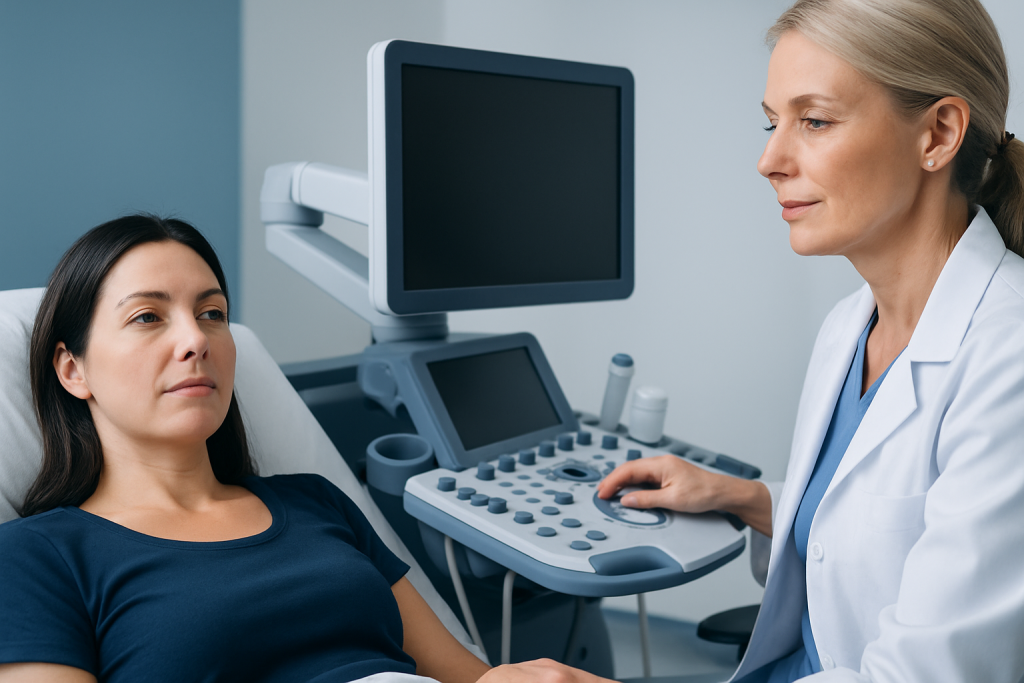
Estradiol is not prescribed for a single symptom alone; it is used to address patterns that suggest estrogen deficiency or a condition that responds to estrogen support. In menopause, the most common reasons include hot flashes, night sweats, sleep disruption, vaginal dryness, discomfort during sex, and urinary symptoms linked to thinning of the vaginal and urinary tissues.
Some patients are offered estradiol because low estrogen is affecting bone health. Estrogen helps slow bone loss, so treatment may be considered in selected patients who are at higher risk for osteoporosis and who are appropriate candidates for hormone therapy. In younger patients with ovarian insufficiency, replacement may be important not only for symptoms but also for long-term health.
Other reasons can include management of hormone-related symptoms after removal of the ovaries, or part of care for certain endocrine or gender-affirming treatment plans. When patients travel for specialist care, the goal is usually to clarify exactly what the hormone is being used for, what form suits their day-to-day life, and how follow-up will happen once they return home.
Causes and risk factors

The need for estradiol often arises from naturally lower estrogen production, but the underlying reason matters. Menopause is the most common setting, as ovarian function gradually declines and estrogen levels fall. Surgical removal of the ovaries can create a more sudden change, and some medical conditions can reduce ovarian hormone production earlier than expected.
Risk factors that may influence whether estradiol is appropriate include a history of blood clots, stroke, certain cancers, unexplained vaginal bleeding, liver disease, migraines with aura, or smoking, especially with increasing age. The route of administration also matters: some forms may be preferred over others depending on risk profile and symptom type.
It is also important to distinguish between systemic and local treatment. Vaginal estradiol is often used for dryness and urinary symptoms and may involve less overall hormone exposure than tablets or patches, whereas systemic estradiol is intended to affect the whole body. A doctor considers these differences carefully before recommending a plan.
Diagnosis and medical evaluation before treatment
There is no single test that determines whether estradiol is needed. Instead, clinicians combine symptom history, menstrual or surgical history, physical examination, and sometimes laboratory tests to understand hormone status and rule out other causes of symptoms. For many patients, the conversation begins with a detailed review of hot flashes, bleeding patterns, sleep changes, bone health, and sexual or urinary symptoms.
Before starting estradiol, the clinician usually reviews personal and family medical history, blood pressure, current medications, and any prior hormone use. If a patient still has a uterus, the need for a progestogen is considered because estrogen alone can stimulate the uterine lining and raise the risk of abnormal growth. When symptoms are unusual or bleeding is present, additional evaluation may be needed before hormones are prescribed.
Patients coming from abroad often find it helpful when evaluation is organized efficiently: records are reviewed, the treatment plan is explained clearly, and follow-up steps are written down before departure. That kind of preparation can make it easier to continue care safely once home, especially if hormone therapy needs long-term monitoring.
Treatment options and how estradiol is used
Estradiol can be given in several forms, and the best option depends on the symptom being treated. Systemic forms include tablets, skin patches, gels, and sprays; these are often used for hot flashes, night sweats, and broader menopausal symptoms. Vaginal forms are usually chosen for dryness, painful intercourse, or urinary discomfort linked to low estrogen in the local tissues.
Each route has practical advantages. Patches and gels may provide steadier levels and avoid some first-pass liver effects seen with oral treatment, while tablets may be more convenient for some patients. Vaginal treatment tends to be focused on the area of concern and may be used differently from systemic therapy. A clinician may adjust the plan over time based on symptom relief, side effects, and risk factors.
Estradiol is sometimes combined with other medicines. For people with a uterus, a progestogen may be added to protect the uterine lining. In some care pathways, estradiol is part of a broader endocrine plan rather than a stand-alone medication. The essential point is that hormone therapy should be individualized rather than chosen by symptom name alone.
Possible side effects and safety considerations
Like all hormone treatments, estradiol can cause side effects. Some are mild and may improve after the body adjusts, including breast tenderness, nausea, bloating, headache, or spotting. Skin irritation can occur with patches, and vaginal products may cause local irritation in some patients.
More serious risks depend on the form used, dose, age, and personal medical history. Estradiol can increase the risk of blood clots in some people, and it may not be suitable for those with certain cancers, liver disease, or unexplained bleeding. In patients with a uterus, using estrogen without appropriate endometrial protection can increase the risk of uterine lining changes.
Safety is not about fear; it is about matching treatment to the person. A thoughtful clinician will discuss benefits and risks in plain language, review warning signs to watch for, and decide how often follow-up is needed. If treatment is started during a visit abroad, the same safety plan should include clear instructions for routine monitoring after the patient returns home.
- Seek urgent medical help for chest pain, sudden shortness of breath, one-sided leg swelling, or severe headache.
- Report unusual vaginal bleeding, especially after menopause.
- Ask a clinician before starting or stopping estradiol if other hormone medicines are involved.
Prevention and self-care
Estradiol itself is not a condition that can be prevented, but some of the problems it is used to treat can be made easier to manage with practical self-care. Patients with menopausal symptoms may benefit from layered strategies such as cooling techniques, regular physical activity, sleep routines, stress reduction, and avoiding personal hot flash triggers when possible.
Vaginal dryness and discomfort often improve when local estrogen is used as directed, but non-hormonal moisturizers and lubricants can also support comfort. Bone health deserves attention as well: weight-bearing exercise, adequate calcium and vitamin D intake, and fall prevention are all part of a broader plan when estrogen loss is affecting the skeleton.
Patients should keep a simple record of symptoms, side effects, and any bleeding pattern changes. That record can be especially useful when care is split between countries, because it helps the next clinician see how the treatment is working and whether adjustments are needed. Medication lists, prior test results, and the exact estradiol formulation should be kept together for future appointments.
When to see a doctor
Medical advice should be sought before starting estradiol, because the safest choice depends on personal risk factors and treatment goals. A clinician can help decide whether systemic therapy, local vaginal therapy, or a non-hormonal option is the best fit. This is particularly important for people with a history of clotting, cancer, liver disease, or abnormal bleeding.
During treatment, new or worsening symptoms should not be ignored. Unexplained vaginal bleeding, persistent severe headaches, vision changes, chest pain, shortness of breath, or swelling and pain in one leg need prompt assessment. Even milder issues, such as ongoing nausea, breast tenderness, or inadequate symptom relief, are worth discussing because the dose or form may need to be changed.
For Myomectomy Recovery for International Patients: The Usual Travel Timeline" class="ahp-ilk">international patients, timely review is especially valuable when treatment begins away from home. Acibadem Health Point’s multidisciplinary specialists and JCI-accredited hospitals can diagnose and treat estradiol-related hormone concerns for international patients, with a focus on clear planning for follow-up and continuity of care.
Living well with estradiol therapy
Patients often do best when estradiol is treated as one part of a larger health plan rather than a stand-alone prescription. Hormone therapy decisions should be revisited periodically, especially as age, blood pressure, smoking status, migraine history, or family history change. What made sense at one stage of life may need to be reassessed later.
Good communication is central. Patients should know why estradiol was chosen, what improvement is expected, what side effects are acceptable, and which symptoms should trigger an earlier appointment. If travel is involved, a written summary of the treatment plan can make it easier to coordinate with a local doctor after returning home.
Used thoughtfully, estradiol can be a helpful treatment for selected patients. The most useful approach is usually the one that addresses the symptom burden while respecting safety, long-term health, and the realities of everyday life.
Frequently asked questions
What is estradiol used for most often?
Estradiol is most often used to treat menopause-related symptoms such as hot flashes, night sweats, and vaginal dryness. It may also be used in selected patients for bone health, premature ovarian insufficiency, or other hormone-related care plans.
Is estradiol the same as estrogen?
Estradiol is a form of estrogen, which is the broader group name for female sex hormones with important roles in reproduction and bone health. In medical treatment, estradiol is one of the most commonly used estrogen forms.
Can everyone with menopause take estradiol?
No. Whether estradiol is appropriate depends on age, symptoms, medical history, and individual risk factors. A doctor will review benefits and risks before recommending it.
What side effects should patients watch for?
Mild side effects can include breast tenderness, nausea, bloating, headache, or spotting. More urgent symptoms such as chest pain, shortness of breath, one-sided leg swelling, or unusual vaginal bleeding should be assessed promptly.
Do patients with a uterus need another medicine with estradiol?
Often, yes. If estradiol is taken systemically and the person still has a uterus, a progestogen is commonly added to protect the uterine lining. The exact plan should be decided by a clinician.
Can vaginal estradiol be used for dryness without treating the whole body?
Yes. Vaginal estradiol is usually used for local symptoms such as dryness, discomfort, or urinary irritation and is not the same as systemic hormone therapy. A clinician can help choose the most suitable form.
References
- National Institute of Diabetes and Digestive and Kidney Diseases
- U.S. Food and Drug Administration
- North American Menopause Society
- American College of Obstetricians and Gynecologists
- World Health Organization
This article is for general information only and is not a substitute for professional medical advice. Please consult a qualified doctor about your individual situation.
Explore treatments in Turkey — costs, top hospitals & a free quote
JCI-accredited · board-certified surgeons · reply within 24h
Add us as a Preferred Source to see more of our trusted health content across Google Search, AI Overviews and Discover.
More from the Health Library



Related Specialists

Dr. Gamze Karababa
Gynecology & Obstetrics
Dr. Onur Özdenoğlu
Gynecology & Obstetrics
Dr. Selcen Bahadır
Gynecology & Obstetrics
Prof. Dr. A. Taner Usta
Gynecology & Obstetrics