Erectile Dysfunction Workup Abroad: What Men Should Expect Before Treatment Is Recommended

Key Takeaways
- Erectile dysfunction is often a symptom, not a diagnosis on its own, so the workup looks for possible underlying causes.
- A good evaluation usually includes a detailed medical and sexual history, medication review, physical examination, and selected laboratory tests.
- Some men need additional testing, such as hormone studies, blood sugar checks, or cardiovascular assessment, depending on their risk factors.
- Psychological stress, relationship factors, and travel-related anxiety can also affect erections and should be discussed openly.
- Treatment is usually recommended only after the cause is better understood, which helps match care to the individual.
- Clear follow-up plans are especially important for international patients who may continue care after they return home.
An erectile dysfunction workup is usually a structured process that looks for physical, hormonal, psychological, and medication-related causes before treatment is recommended. For men seeking care abroad, understanding each step can make the experience calmer, more efficient, and easier to follow after returning home.
Overview
Erectile dysfunction, often shortened to ED, is the ongoing difficulty in getting or keeping an erection firm enough for satisfying sexual activity. In many cases, the first step is not treatment but evaluation. That matters because ED can be linked to circulation, hormones, nerve function, medications, stress, sleep problems, or a combination of factors.
For men who travel abroad for care, the workup is usually designed to be efficient without being rushed. A well-structured consultation can help the doctor understand whether the problem is temporary, whether it points to another health issue, and what kind of treatment is most appropriate. The goal is not only to improve erections, but also to identify broader health concerns that may need attention.
It may help to think of the workup as a careful sorting process. Some causes are straightforward and easily addressed, while others require a closer look. A thoughtful evaluation gives the medical team enough information to recommend treatment safely and realistically, especially when follow-up will happen across borders.
Symptoms and What Patients Usually Notice
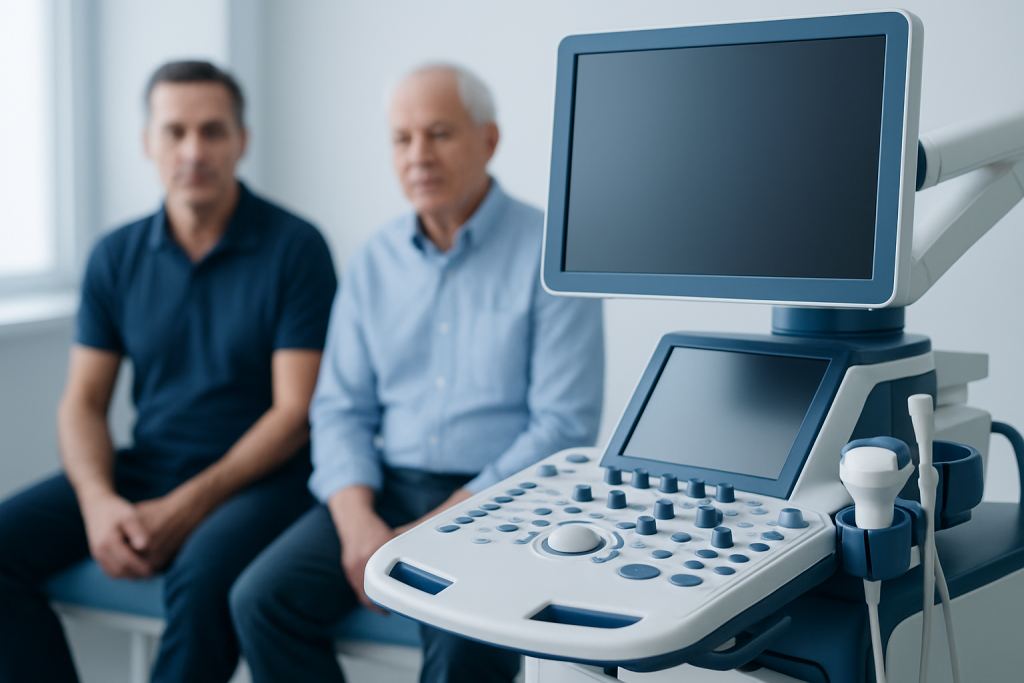
ED does not always begin the same way for every man. Some notice that erections are less firm than before, while others find that erections do not last long enough for intercourse. In some cases, the issue appears only in certain situations, such as after stress, fatigue, or alcohol use. In others, it is more consistent and gradually becomes more frequent.
During the workup, the doctor may ask whether the problem affects all sexual settings or only specific ones. Erections during sleep or on waking can offer useful clues. A pattern that varies by situation sometimes suggests a psychological or relationship component, while a more constant pattern may raise concern for a physical cause.
Doctors may also ask about related symptoms, since ED can appear alongside reduced sex drive, difficulty with ejaculation, pain, urinary symptoms, tiredness, weight changes, or mood changes. These details help guide the next steps and can point toward hormone imbalance, diabetes, vascular disease, medication effects, or other conditions.
For many men, the most useful preparation is to notice the pattern before the appointment. When did the problem start? Is it getting worse? Are there triggers? Clear answers often make the consultation more productive.
Causes and Risk Factors Doctors Look For

ED can be related to blood flow, nerve signals, hormone levels, emotional health, or a side effect of another condition or treatment. Because erections depend on several body systems working together, doctors usually look beyond the penis itself. The evaluation is often broader than patients expect, and that is intentional.
Common risk factors include diabetes, high blood pressure, high cholesterol, smoking, obesity, sleep apnea, cardiovascular disease, low testosterone, depression, anxiety, and pelvic surgery or injury. Some medicines, including certain blood pressure drugs, antidepressants, and prostate treatments, may also contribute. Alcohol and recreational drug use can play a role as well.
International patients sometimes come with a long list of questions about whether travel, long-term stress, or performance anxiety could be the cause. These factors can matter, especially when symptoms started during a period of major life change. Still, the doctor usually tries not to assume a single explanation until the history, exam, and test results are reviewed together.
A careful workup also considers whether ED may be an early sign of a larger health issue. Because the blood vessels involved in erections are small, changes there may appear before symptoms of heart or vascular disease become obvious. That is one reason a proper evaluation is considered important rather than optional.
How the Diagnosis Is Made
The first part of the workup is usually a detailed conversation. The doctor may ask about the timeline of symptoms, sexual function, medical conditions, surgery, medications, sleep, mood, and lifestyle habits. Questions may feel personal, but they are standard and necessary. Honest answers help the team distinguish between physical, psychological, and mixed causes.
A physical examination often follows. It may include blood pressure measurement, cardiovascular assessment, abdominal and genital examination, and a check for signs of hormonal imbalance or nerve-related issues. The exam is usually brief but important because it can reveal clues that are not obvious from history alone.
Laboratory testing is commonly tailored to the individual. Blood tests may check blood sugar or diabetes markers, cholesterol, kidney and liver function, thyroid function, and hormone levels such as testosterone when appropriate. Not every patient needs every test. The doctor chooses based on age, symptoms, risk factors, and overall health.
Some men may need additional testing if the cause remains unclear. This can include specialized hormone testing, nocturnal erection assessment, or vascular studies in selected cases. Psychological screening may also be helpful when stress, low mood, or anxiety seems to be a major factor. The aim is to build a complete picture before treatment is recommended.
Treatment Options Doctors May Consider After Workup
Treatment is usually discussed only after the likely cause or causes are understood. That is especially true when care is being arranged abroad, since a plan should be practical enough to continue after the patient returns home. In many cases, treatment starts with addressing underlying health issues and adjusting factors that may be worsening symptoms.
Depending on the evaluation, a doctor may recommend lifestyle changes, switching a contributing medication, treating low testosterone when confirmed, or addressing diabetes, blood pressure, or cholesterol problems. For some men, counseling or sex therapy is appropriate, particularly when anxiety, relationship strain, or stress is part of the picture. A combination approach is often more effective than focusing on erections alone.
Medication for ED may be discussed after the assessment, but it is not the right first step for everyone. The doctor will consider cardiovascular status, other medications, and whether the patient is a safe candidate. In some cases, devices, injections, or other therapies may be considered if oral medication is not suitable or not effective.
For international patients, a good treatment plan should be clear and portable. That means instructions should be understandable, follow-up timing should be realistic, and any further tests or referrals should be outlined before travel home. Good planning reduces the chance of confusion later.
Preparing for an Appointment Abroad
Men traveling for an ED evaluation can make the visit smoother by bringing a medication list, previous lab results, imaging reports, and a short summary of past diagnoses or surgeries. It also helps to note when the symptoms began, how often they occur, and whether anything seems to improve or worsen them. Even a few written notes can make the consultation more efficient.
It is also useful to share any concerns about privacy, language, or cultural comfort early in the process. Reputable international clinics are accustomed to helping patients who are seeing a doctor outside their home country, and they can often arrange translation support or coordinated visits. That kind of preparation can reduce stress and make sensitive discussions easier.
Patients should also think ahead about follow-up. If tests are done abroad, ask how results will be shared, who will interpret them, and whether repeat testing will be needed later. If treatment is started, it should be clear how care will continue once the patient is back home.
- Bring a current list of medicines and supplements.
- Note any changes in sexual function, mood, sleep, or energy.
- Share cardiovascular risk factors and family history.
- Ask how test results and follow-up will be handled after travel.
Prevention, Self-care, and Everyday Habits
Not every case of ED can be prevented, but some habits support overall sexual and vascular health. Regular exercise, balanced nutrition, good sleep, and avoiding tobacco can all help. These measures benefit erections indirectly by improving circulation, mood, energy, and blood sugar control.
Stress management also matters. For some men, performance pressure becomes part of the problem, especially after a few difficult experiences. Taking time to address anxiety, relationship concerns, or sleep disruption can make a meaningful difference, even when a medical cause is also present.
Self-care should not be confused with self-diagnosis. ED that is persistent, worsening, or associated with other symptoms deserves a professional assessment. A man may feel tempted to look for a quick fix, but a proper evaluation often prevents missed medical issues and leads to more reliable treatment choices.
International patients may also benefit from setting realistic expectations. Improvement is often gradual, and treatment may involve more than one adjustment. Patience and follow-up are part of the process, not a sign that something has gone wrong.
When to See a Doctor
Medical evaluation is appropriate when ED happens repeatedly, lasts more than a short period, or begins to affect confidence or relationships. It is also wise to seek care if the problem appears suddenly without an obvious explanation, if libido is also reduced, or if there are symptoms such as chest discomfort, shortness of breath, fatigue, or urinary changes. These details can help identify a broader health concern.
Men should not wait if they have diabetes, high blood pressure, heart disease, or other risk factors, since ED may be an early warning sign of vascular problems. A consultation can be a useful opening to review overall health, not just sexual function. In that sense, the appointment can support both immediate quality of life and longer-term prevention.
For those considering care abroad, a clinic experienced in international patients can make the process easier to navigate. Acibadem Health Point’s multidisciplinary specialists and JCI-accredited hospitals diagnose and treat erectile dysfunction for international patients, with attention to clear communication and coordinated follow-up. As always, a qualified doctor should guide the final treatment plan.
Frequently Asked Questions
Q: Is erectile dysfunction workup always necessary before treatment?
A: In most persistent cases, yes. Since ED can reflect another medical issue, a workup helps identify the cause and supports safer treatment choices. Some men need only a basic assessment, while others benefit from a more detailed evaluation.
Q: What tests are most commonly done?
A: Common tests may include blood sugar checks, cholesterol testing, hormone assessment when indicated, and other routine blood work. The exact tests depend on age, symptoms, and risk factors, so not everyone needs the same panel.
Q: Can stress or anxiety cause erectile dysfunction?
A: Yes, stress and anxiety can affect erection quality and may also worsen physical causes. Doctors often consider both mental and physical contributors rather than treating them separately.
Q: Should men stop their medicines before the appointment?
A: No, not unless a doctor specifically advises it. Instead, bring a full list of prescriptions, over-the-counter medicines, and supplements so the clinician can review possible side effects or interactions.
Q: How long does an ED evaluation take when done abroad?
A: It depends on the clinic and whether testing is done the same day. Some assessments can be completed in one visit, while others require follow-up appointments or lab results before treatment is recommended.
Q: What if the doctor cannot find a single cause?
A: That is not unusual. ED often has more than one contributing factor, and treatment can still be planned by addressing the most likely causes and supporting overall health. Follow-up may help refine the approach over time.
References
- National Institute of Diabetes and Digestive and Kidney Diseases
- American Urological Association
- European Association of Urology
- Mayo Clinic
- Cleveland Clinic
This article is for general information only and is not a substitute for professional medical advice. Please consult a qualified doctor about your individual situation.