Maggot

Key Takeaways
- Maggot therapy uses specially prepared sterile larvae, not wild maggots found in the environment.
- It may help clean wounds that contain dead tissue or are slow to heal.
- The treatment is applied and monitored by trained clinicians to protect healthy skin and reduce discomfort.
- It is not suitable for every wound, so a doctor should decide whether it is appropriate.
- Good wound care, infection control, and follow-up remain essential during and after treatment.
Maggot therapy is a medical treatment that uses sterile larvae to remove dead tissue from certain wounds and support healing. It is not the same as accidental infestation and is considered only in selected cases under professional supervision.
Overview
Maggot therapy is a planned medical treatment in which sterile fly larvae are placed on a wound to help remove dead or infected tissue. In everyday language, the idea can sound unsettling, yet in clinical practice it is a carefully controlled method used for specific wounds that are difficult to clean in other ways.
The larvae used in treatment are not ordinary insects from the environment. They are produced under sterile conditions and applied by trained professionals, usually inside a protective dressing or special container. Their role is to break down non-viable tissue, reduce debris, and help create a cleaner wound bed for healing.
For some patients, especially those with chronic wounds, diabetes-related foot ulcers, pressure sores, or wounds that are not improving with standard care, maggot therapy may be one part of a broader wound plan. The choice is made case by case, with attention to the wound’s appearance, the person’s medical history, and their overall treatment goals.
Symptoms and Conditions That May Lead to Consideration

Maggot therapy is not chosen because of a single symptom. Instead, it is considered when a wound has features that suggest dead tissue is preventing healing. Clinicians may notice yellow, grey, or black tissue in the wound, a layer of slough, or a wound bed that remains stuck in a non-healing phase.
People may also be dealing with long-lasting pain, drainage, odor, or repeated dressing failures. In some cases, the wound may be hard to access or too fragile for more aggressive surgical cleaning. The purpose of maggot therapy is to help the wound move toward a healthier state, not to replace all other wound care.
Conditions where it may sometimes be discussed include:
- Chronic diabetic foot ulcers
- Pressure injuries
- Venous leg ulcers with dead tissue
- Traumatic wounds with necrotic tissue
- Post-surgical wounds that are not healing as expected
Even when these conditions are present, treatment is not automatic. Some wounds are better managed with standard debridement, moisture balance, compression, off-loading, antibiotics, or surgical care, depending on the situation.
Causes and Risk Factors
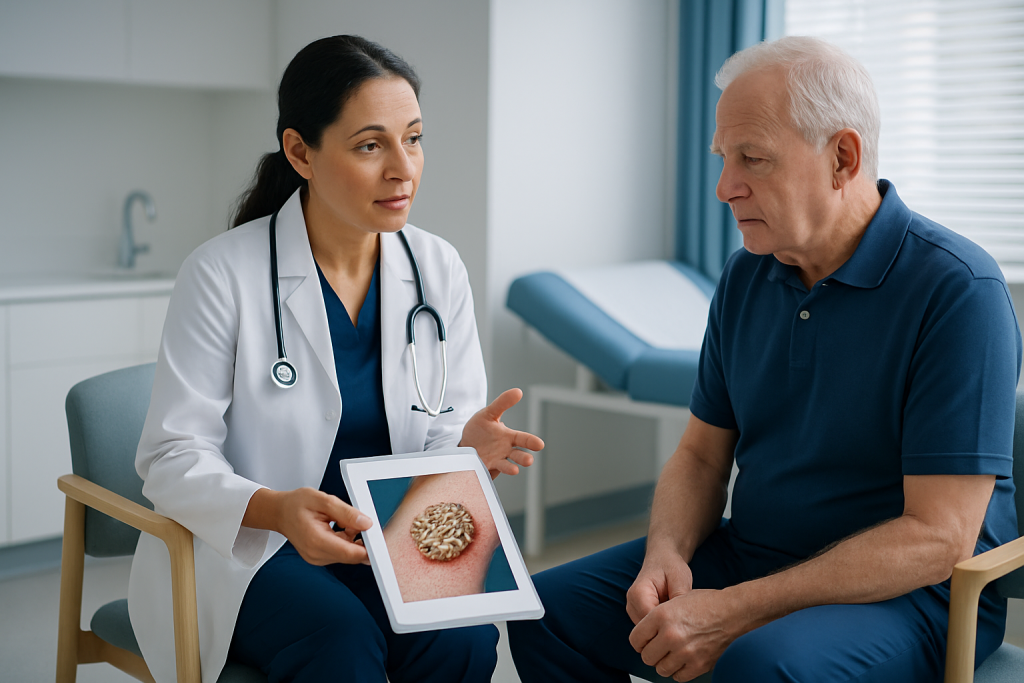
Maggot therapy becomes relevant when a wound contains necrotic tissue, also called dead tissue, that the body cannot clear efficiently on its own. Dead tissue can slow healing because it blocks healthy tissue from forming and can create an environment where bacteria thrive.
Several factors can raise the likelihood of chronic wounds developing in the first place. Diabetes, poor circulation, immobility, nerve damage, smoking, older age, and repeated pressure on the skin are common contributors. Poor nutrition and some immune or vascular conditions can also make wound healing more difficult.
These same factors may make a clinician consider specialized wound care. If a wound has not improved despite appropriate treatment, or if standard methods are not suitable, a doctor may discuss whether sterile larvae are an option. The decision depends on the wound itself, the patient’s comfort, and the overall medical picture rather than on a single diagnosis.
Diagnosis
There is no separate test to diagnose the need for maggot therapy. Instead, the wound care team evaluates the wound and decides whether this treatment may help. That assessment usually begins with a physical examination of the wound size, depth, tissue type, drainage, smell, surrounding skin, and signs of infection.
The clinician may review medical history, including diabetes control, circulation problems, current medicines, pain level, allergies, and prior wound treatments. In some cases, imaging or laboratory tests may be used to understand whether bone involvement, deep infection, or poor blood supply is affecting healing.
For international patients, this evaluation often includes a practical discussion about travel timing, dressing changes, follow-up access, and whether the patient can return for monitoring after treatment. Because maggot therapy is only one part of wound management, the diagnosis step is really a care-planning step: deciding if the wound is a good match for this approach and what support will be needed around it.
Treatment Options
If maggot therapy is recommended, the larvae are placed on the wound in a controlled manner. They may be contained in a special dressing or pouch, or they may be applied directly and covered securely so they stay in the target area. Their work is to digest dead tissue while leaving healthier tissue largely untouched.
During treatment, the wound team monitors the wound closely. The dressing may be changed at set intervals, and the patient may be asked about discomfort, leakage, odor, or changes in drainage. Some people feel only mild discomfort, while others notice pressure, tingling, or itching. The exact experience depends on the wound, the location, and personal sensitivity.
Maggot therapy may be combined with other care such as:
- Gentle cleaning and regular dressing changes
- Antibiotics when infection is present and confirmed by a clinician
- Compression therapy for venous ulcers when appropriate
- Off-loading or pressure relief for foot and heel wounds
- Better blood sugar control, nutrition support, or circulation treatment
It is important to understand that maggot therapy is not a cure-all. It is a wound-cleaning method that can support healing when used in the right setting. A doctor will decide whether it is preferable to surgical debridement, enzymatic agents, or routine wound care.
Prevention and Self-care
People cannot always prevent chronic wounds, but they can lower the chance of wounds worsening by following basic skin and foot-care habits. For anyone with diabetes, circulation problems, or reduced sensation, daily skin checks are especially important. Small injuries that seem minor can become more serious if they are not noticed early.
Self-care during wound treatment focuses on keeping the area protected and following the wound team’s instructions carefully. Dressings should be left in place as directed, and the wound should be kept clean and dry unless the clinician advises otherwise. Patients should also avoid using home remedies, powders, or ointments that were not approved by the care team, since these can interfere with healing.
Helpful habits often include:
- Checking feet and skin every day for redness, blisters, or breaks
- Wearing shoes that fit well and reduce pressure points
- Keeping blood glucose and blood pressure within the ranges advised by the doctor
- Eating enough protein and fluids, if not restricted for another medical reason
- Not smoking, since smoking can impair wound healing
For patients traveling from another country, it helps to plan wound follow-up before arrival and to ask how dressings will be managed after discharge. A clear aftercare plan makes treatment more comfortable and reduces the chance of missed dressing changes once the patient returns home.
When to See a Doctor
A doctor should evaluate any wound that is not improving after a reasonable period of care, especially if dead tissue, drainage, odor, or pain is increasing. Wounds in people with diabetes, poor circulation, or weakened immunity deserve prompt attention because they can change quickly.
Medical review is also important if the wound becomes more red, warm, swollen, or tender, or if the patient develops fever, chills, or a general feeling of being unwell. These signs can suggest infection or another complication that needs treatment. If the wound is on the foot and walking has become painful or difficult, that is another reason to be seen without delay.
Patients who are interested in maggot therapy should ask a wound specialist whether it is suitable for their case, what alternatives exist, and how follow-up will work. Acibadem Health Point’s multidisciplinary specialists and JCI-accredited hospitals diagnose and treat complex wounds for international patients with coordinated care from evaluation through recovery. The right plan is the one that fits the wound, the person, and the practical realities of healing.
Living With Chronic Wounds While Healing
Recovering from a chronic wound often takes patience and repeated review rather than a single procedure. Many patients benefit from understanding that wound healing is gradual, and that progress may be measured in small but meaningful changes such as less dead tissue, cleaner drainage, or healthier-looking edges.
It can help to keep a simple record of dressing changes, pain, odor, drainage, and any new skin changes. This information gives the care team a clearer picture of how the wound is responding. For patients traveling for treatment, photos and written instructions can be useful once they return home, especially if a local clinician will continue follow-up.
Emotional comfort matters too. The idea of maggot therapy can feel difficult at first, but many people find that a calm explanation of the purpose, process, and expected sensations makes the treatment more manageable. Knowing what the team is trying to achieve often reduces anxiety and helps patients participate confidently in their care.
Frequently asked questions
What is maggot therapy used for?
Maggot therapy is used to remove dead tissue from certain wounds that are slow to heal. It can help create a cleaner wound bed so healing can progress more effectively. It is considered only when a clinician thinks it is appropriate for the specific wound.
Are the larvae sterile?
Yes. Medical maggots are specially bred and sterilized for clinical use. They are very different from larvae found outdoors or in unclean environments.
Does maggot therapy hurt?
Some people feel little discomfort, while others notice pressure, tingling, or mild pain. The care team monitors the wound and can adjust the plan if symptoms become troublesome. Pain level often depends on the wound location and the amount of treatment needed.
Can maggot therapy be used on any wound?
No. It is not appropriate for every wound, and some wounds are better treated with other methods. A wound specialist considers tissue type, infection status, blood flow, and the patient’s overall health before recommending it.
How long does treatment last?
The length of treatment varies with the wound and the amount of dead tissue present. In some cases, it may be used briefly as part of a broader wound plan. The clinician decides when to stop based on the wound’s response.
What should a patient do after maggot therapy?
Patients should follow dressing instructions closely and keep scheduled follow-up visits. They should report increasing pain, redness, swelling, fever, or unusual drainage promptly. Good ongoing wound care remains important after the larvae are removed.
References
- World Health Organization
- Centers for Disease Control and Prevention
- National Institute for Health and Care Excellence
- Wound Healing Society
- Mayo Clinic
This article is for general information only and is not a substitute for professional medical advice. Please consult a qualified doctor about your individual situation.