Emdr Therapy

Key Takeaways
- EMDR therapy is a structured form of psychotherapy that helps the brain process difficult memories in a safer, less distressing way.
- It is commonly used for post-traumatic stress disorder, but some people with anxiety, grief, or other trauma-related symptoms may also benefit.
- Treatment usually moves through several phases, including history-taking, preparation, memory processing, and follow-up.
- People often notice changes in how upsetting a memory feels, rather than losing the memory itself.
- A licensed mental health professional should assess whether EMDR is appropriate, especially when symptoms are severe or complex.
EMDR therapy is a structured psychotherapy used to help people process distressing memories and reduce the emotional impact of trauma. It is widely used for post-traumatic stress and may also help with other anxiety-related concerns when guided by a qualified clinician.
Overview
EMDR therapy, short for eye movement desensitization and reprocessing, is a psychotherapy approach designed to help people work through distressing experiences that continue to feel “stuck” in the mind and body. Instead of asking a person to describe a traumatic event in detail for long periods, EMDR uses a carefully structured process that combines focused recall with guided bilateral stimulation, such as eye movements, taps, or sounds.
The aim is not to erase memory. Rather, the goal is to reduce the intense emotional charge attached to it so that the memory becomes easier to hold, think about, and live with. For some international patients, this can be a meaningful option when trauma symptoms have followed them across countries, affected sleep or work, or made travel and daily life feel more difficult than before.
EMDR is commonly associated with post-traumatic stress disorder, but clinicians may also consider it for other concerns linked to traumatic stress. A qualified mental health professional will determine whether EMDR fits the person’s history, current symptoms, and readiness for this kind of work.
Symptoms and Conditions EMDR May Help With
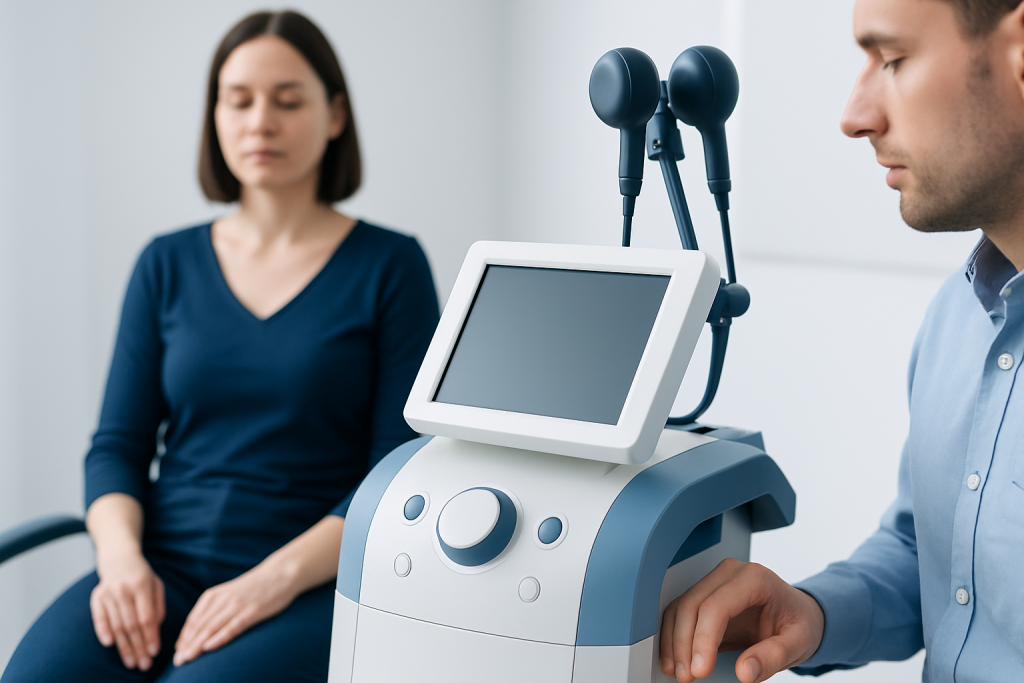
People usually seek EMDR when certain memories or experiences do not fade in the usual way. Instead, they may remain vivid, emotionally overwhelming, or triggered by ordinary reminders such as a sound, smell, place, or news story. The body can react as if the event is happening again, even when the person knows they are safe.
Common concerns that may prompt an EMDR evaluation include intrusive memories, nightmares, flashbacks, heightened startle response, avoidance of reminders, irritability, sleep disturbance, and persistent anxiety. Some people also report shame, self-blame, emotional numbness, or a feeling of being disconnected from others after difficult experiences.
EMDR is most established for PTSD, but trained clinicians may also use it in carefully selected cases involving grief, panic symptoms, performance anxiety, childhood adversity, or other trauma-related difficulties. It is important to remember that symptom patterns vary, and the right treatment plan depends on the person’s full mental health picture.
- Intrusive memories or flashbacks
- Nightmares and sleep disruption
- Avoidance of trauma reminders
- Heightened alertness or panic-like reactions
- Emotional numbness or difficulty trusting others
How EMDR Works

EMDR is based on the idea that distressing experiences can become stored in a way that leaves them unusually vivid and emotionally active. When later reminders appear, the brain may react as though the original threat is still present. EMDR helps the nervous system revisit those memories in a more controlled setting so they can be processed differently.
During a session, the therapist guides the person to recall a target memory while also focusing on bilateral stimulation. This alternating attention appears to help reduce the intensity of the memory and support new, more adaptive associations. Many patients describe this as the memory feeling “less sharp” or less overwhelming over time.
The process is collaborative. The therapist does not force a person to relive trauma all at once. Instead, the work is paced so the person remains grounded and resourced. This pacing is especially important for people with complex trauma, dissociation, or multiple stressors, including those arranging care while traveling from another country.
Causes and Risk Factors
EMDR itself is not a treatment for a single cause; it is a method used to address the after-effects of distressing experiences. The events that lead someone to seek help may include accidents, violence, medical trauma, abuse, combat exposure, natural disasters, sudden loss, or other overwhelming events. In some cases, repeated smaller stressors can have a similar cumulative impact.
Not everyone who experiences trauma develops long-term symptoms. Risk can be influenced by the severity and duration of the event, whether the person had support afterward, previous trauma history, current stress levels, and existing mental health conditions. Physical illness, sleep problems, and major life changes can also make symptoms harder to settle.
People who are considering EMDR should share relevant history with their clinician, including past psychiatric treatment, current medications, substance use, and any episodes of dissociation or self-harm. This information helps the therapist decide whether EMDR is appropriate now or whether another approach should come first.
Diagnosis and Assessment Before Treatment
There is no medical test that confirms whether someone “needs” EMDR. Instead, treatment begins with a clinical assessment. A therapist or psychiatrist will ask about symptoms, past experiences, current stressors, and how trauma is affecting sleep, relationships, work, and day-to-day functioning.
Before EMDR starts, the clinician usually checks whether the person can tolerate memory work safely. This may include looking at emotional regulation, grounding skills, current safety concerns, and whether there are conditions such as severe depression, active substance use disorder, psychosis, or unstable medical issues that need attention first.
For international patients, assessment may also include practical planning: how many sessions are feasible before travel, whether follow-up can continue remotely, and how to coordinate care with local providers at home. Good preparation can make treatment feel more predictable and support continuity after returning home.
Treatment Options and What a Session Looks Like
EMDR is usually delivered over multiple sessions rather than in a single visit. The standard framework includes history-taking, preparation, assessment, desensitization, installation of more adaptive beliefs, body scan, closure, and reevaluation. These phases create structure so the work can be carefully paced and revisited as needed.
A typical session may begin with checking in about recent symptoms, then identifying a target memory, the related thoughts and emotions, and the body sensations that come with it. The therapist then uses bilateral stimulation while the person notices what comes up. Over time, the emotional intensity may decrease and the memory may become easier to view from a more balanced perspective.
EMDR is often combined with other therapeutic tools, such as psychoeducation, breathing exercises, grounding techniques, and coping strategies for sleep or anxiety. Some people improve with EMDR alone, while others benefit most from a broader treatment plan that may also include medication or trauma-informed counseling.
Because each person’s history is different, no one treatment schedule fits everyone. Some patients move through processing relatively quickly, while others need more preparation, stabilization, or interval follow-up. A thoughtful clinician will adjust the plan rather than rushing the process.
Prevention and Self-care
Although a person cannot always prevent traumatic stress, supportive habits can make recovery easier. Sleep regularity, predictable routines, gentle movement, and reducing alcohol or recreational drug use can all help the nervous system settle. Many patients also find it useful to limit overexposure to triggering media while they are actively healing.
Between sessions, grounding skills are often valuable. These may include noticing five things in the room, feeling feet on the floor, slow breathing, keeping a comfort object nearby, or writing down practical next steps after a difficult session. For people traveling for treatment, it helps to plan quiet time after appointments and avoid scheduling emotionally demanding activities immediately afterward.
Self-care does not replace therapy, but it can support it. When EMDR is part of care, the therapist may recommend a brief plan for the days after each session, especially if the person is dealing with jet lag, family responsibilities, or the stress of receiving care away from home.
- Keep sleep and meal times as steady as possible
- Use grounding skills when memories feel activated
- Stay connected to trusted people
- Avoid alcohol or drugs that may worsen symptoms
- Follow the therapist’s guidance on between-session coping
When to See a Doctor
It is sensible to seek professional help if distressing memories, nightmares, avoidance, panic, or emotional numbness are affecting daily life. A mental health professional can help determine whether EMDR is appropriate or whether another therapy should come first. Early assessment is especially useful when symptoms have lasted for weeks or are interfering with work, school, relationships, or sleep.
Immediate help is important if a person has thoughts of self-harm, feels unable to stay safe, has severe dissociation, or is using alcohol or drugs to cope in a way that is becoming hard to control. In those situations, urgent mental health support is the safest next step.
For people traveling from abroad, it can be helpful to arrange a consultation before the trip or soon after arrival so that expectations, session planning, and follow-up are clear. Acibadem Health Point’s multidisciplinary specialists and JCI-accredited hospitals can help diagnose and treat this condition for international patients, with coordinated care that supports continuity before and after travel.
Living With Trauma Symptoms While Treatment Is Ongoing
Healing from trauma is often uneven. Some days feel steadier than others, and temporary symptom increases can happen as difficult material is being processed. This does not always mean treatment is going wrong; it often means the nervous system is working through material that has been held for a long time.
Patients often do best when they keep communication open with their therapist and note any patterns between sessions, such as sleep changes, physical tension, or specific triggers. Sharing these observations helps the clinician fine-tune pacing and decide when to pause, stabilize, or continue processing.
Support from family or trusted friends can also matter, especially for patients recovering in a foreign city or navigating care after long-distance travel. Clear plans for transport, rest, and follow-up appointments can reduce stress and make treatment feel more manageable.
Frequently asked questions
What does EMDR stand for?
EMDR stands for eye movement desensitization and reprocessing. It is a structured form of psychotherapy that uses guided bilateral stimulation while a person focuses on a distressing memory.
Is EMDR only for PTSD?
No. PTSD is the best-known use, but clinicians may also consider EMDR for other trauma-related symptoms, anxiety problems, or distress linked to specific events. The therapist decides based on the person’s symptoms and overall mental health.
Will I have to talk about my trauma in detail?
Usually, not in the same way as some other therapies. The person shares enough for the therapist to understand the target memory and symptoms, but EMDR is designed to keep the work structured and paced.
How many sessions are needed?
The number of sessions varies widely. Some people notice improvement in a few sessions, while others need longer treatment, especially if trauma was repeated, complex, or associated with other mental health concerns.
Is EMDR safe for everyone?
EMDR is safe for many people when provided by a trained professional, but it is not the right first step for everyone. People with severe instability, active substance misuse, psychosis, or intense dissociation may need additional support before trauma processing begins.
Can EMDR be done while traveling or after returning home?
Yes, but planning matters. It is helpful to know how follow-up will work, whether the therapist can continue remotely, and what support is available if symptoms rise between sessions.
References
- American Psychological Association
- National Institute of Mental Health
- World Health Organization
- U.S. Department of Veterans Affairs National Center for PTSD
This article is for general information only and is not a substitute for professional medical advice. Please consult a qualified doctor about your individual situation.