Dumping Syndrome: Symptoms, Causes and Treatment

Key Takeaways
- Dumping syndrome usually follows surgery that changes the stomach or the way it empties.
- Symptoms may start soon after eating or appear later as a blood sugar drop.
- Meal timing, food choices, and portion size are the foundation of management.
- Doctors may use medicines when diet changes are not enough.
- Persistent vomiting, weight loss, or fainting deserve medical review.
Medically reviewed by the Acıbadem clinical team — August 19, 2026
Dumping syndrome is a set of digestive and body-wide symptoms that can happen when food moves too quickly from the stomach into the small intestine, often after stomach or weight-loss surgery. With the right meal pattern, follow-up, and treatment plan, many people can manage it well and feel more in control of eating again.
Overview
Dumping syndrome is not a single disease but a pattern of symptoms that happens when food, especially sugar-rich food, leaves the stomach too quickly and enters the small intestine in an unprepared burst. The condition is most often seen after surgery on the stomach, including some bariatric procedures, ulcer surgery, or partial stomach removal for other reasons.
For many patients, the experience is confusing at first because the symptoms can look different from one episode to the next. A person may feel full very quickly, develop cramping or diarrhea soon after eating, or later notice shakiness and weakness that suggest a low blood sugar response. Understanding the timing of symptoms is often the first step toward getting the pattern under control.
International patients who are traveling for surgery or follow-up care may find that the diagnosis is straightforward once the surgical history and meal-related symptom pattern are reviewed together. In most cases, careful dietary adjustments and practical education form the center of treatment, with medicines reserved for selected situations.
Symptoms
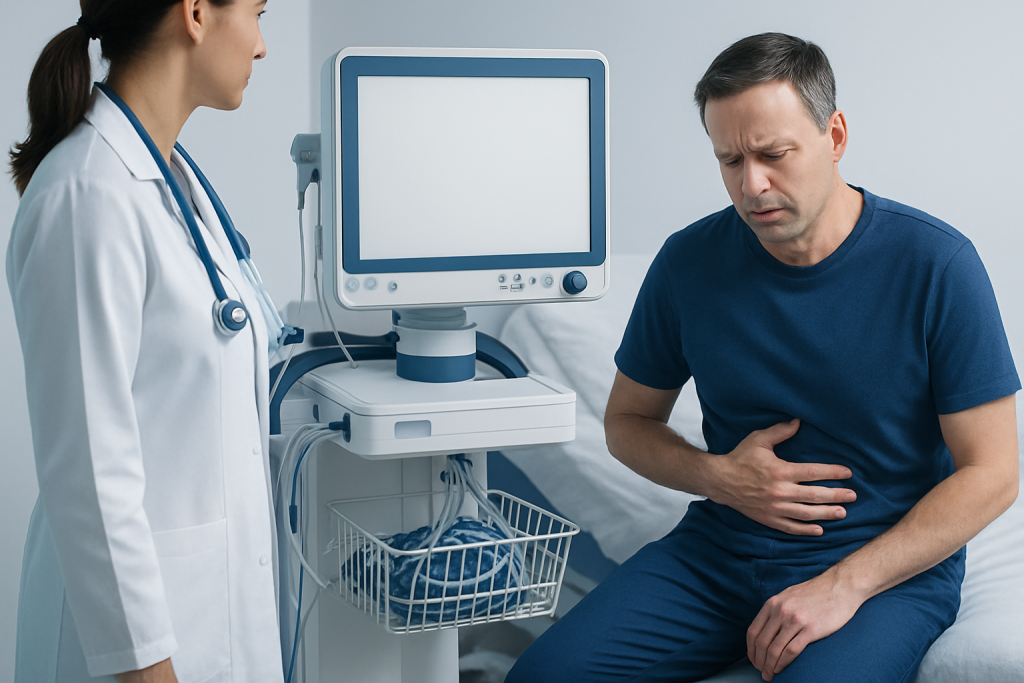
Doctors usually describe dumping syndrome in two forms: early and late. Early dumping begins within about 10 to 30 minutes after a meal, when fluid shifts into the intestine and the gut reacts to the sudden change. Late dumping appears one to three hours after eating and is linked to a blood sugar drop after a rapid rise and fall in glucose.
Early symptoms may include:
- Abdominal cramping or bloating
- Nausea
- Urgent diarrhea
- Flushing or feeling warm
- Racing heartbeat
- Dizziness or light-headedness
Late symptoms may include shakiness, sweating, hunger, confusion, weakness, palpitations, or a sudden need to sit or lie down. Some people have only one type, while others notice both. The intensity can vary from a mild nuisance to a problem that interferes with work, travel, and normal meals.
Because symptoms can overlap with other conditions, it helps to notice exactly when they happen, what was eaten, and how long they lasted. That pattern is often more useful to a clinician than a single symptom on its own.
Causes & Risk Factors
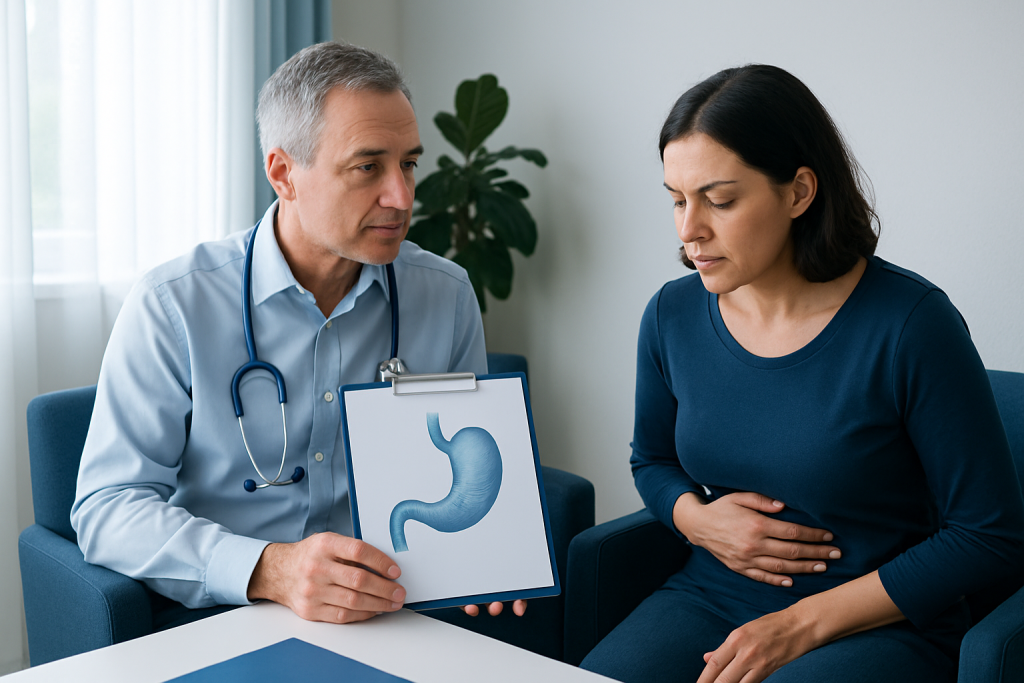
Dumping syndrome is mainly a mechanical and hormonal consequence of altered stomach anatomy. When the stomach no longer stores and releases food in its usual way, the small intestine receives a larger, faster load than it can comfortably handle. This can pull fluid into the bowel and trigger digestive symptoms, while also causing a surge in hormones and insulin that may lead to a later glucose drop.
Common procedures linked with dumping syndrome include gastric bypass, sleeve or partial stomach operations in some cases, gastrectomy, and surgeries that bypass the pyloric valve or change how the stomach empties. The risk is influenced by the exact operation, how much stomach tissue was changed, and how the body adapts during healing.
Factors that can make symptoms more likely or more noticeable include large meals, high-sugar drinks or desserts, eating quickly, drinking a lot with meals, and not following postoperative nutrition guidance. People who already have trouble maintaining weight or blood sugar may feel the effects more strongly and should discuss a tailored plan with their care team.
Diagnosis
Diagnosis begins with a detailed conversation about the surgery history and the timing of symptoms after eating. A clinician will usually ask what the person ate, how quickly symptoms began, whether there is diarrhea or flushing, and whether shakiness or weakness occurs later. That history often points strongly toward dumping syndrome before any tests are ordered.
Depending on the situation, the medical team may check blood glucose levels, especially if late dumping is suspected. Some patients may be asked to keep a food-and-symptom diary or undergo testing that looks at glucose changes after eating. In selected cases, doctors may also review for other problems such as infection, medication side effects, nutritional deficiencies, or complications related to surgery.
For patients seeking care from another country, bringing operative notes, discharge summaries, and recent lab results can save time and reduce uncertainty. A clear record of the original procedure helps the team distinguish dumping syndrome from other postoperative digestive complaints.
Treatment Options
Treatment usually starts with food-pattern changes because they often make the biggest difference. Patients are commonly advised to eat smaller meals more often, chew thoroughly, and choose foods that slow digestion rather than trigger a sudden intestinal rush. Liquid and sugary calories are often the first to be limited, especially when symptoms happen soon after meals.
Helpful strategies may include:
- Choosing protein, fiber, and healthy fats with meals
- Avoiding large servings of sweets or sweetened drinks
- Separating fluids from meals if advised by the care team
- Eating slowly and stopping before feeling overly full
- Lying down briefly after meals only if the doctor recommends it
If dietary changes are not enough, doctors may consider medicines that help slow stomach emptying or reduce the late blood sugar drop. In rare and difficult cases, additional procedures may be discussed, but this is not common and depends on the underlying surgery and overall health. Treatment is usually individualized, especially for people who are recovering abroad and need a plan they can realistically continue at home.
Prevention & Self-care
Prevention after stomach surgery is mostly about consistency rather than restriction. The same meal plan that helps prevent symptoms in the clinic also needs to be practical at home, during travel, and across different time zones or food environments. Patients do best when they understand not just what to avoid, but why certain meals create trouble.
Self-care often includes planning ahead for meals, carrying appropriate snacks, and reading labels for hidden sugars. Keeping a symptom diary can help identify personal triggers such as fruit juices, pastries, sweet coffee drinks, or fast eating during busy days. Some people also benefit from regular blood sugar checks if their doctor is concerned about late dumping.
Nutrition after surgery should remain supervised, because over-restricting food can lead to poor intake or unwanted weight loss. A dietitian familiar with post-surgical care can help adjust the plan so it is both symptom-aware and nutritionally complete. That is especially useful for international patients who need advice that can be continued after returning home.
When to See a Doctor
Medical review is appropriate when symptoms are frequent, worsening, or affecting daily life. It is also important to contact a clinician if a person has repeated vomiting, cannot keep fluids down, is losing weight unexpectedly, or feels afraid to eat because symptoms keep returning. These situations may mean the meal plan needs revision or another problem is present.
Prompt assessment is especially important if someone has fainting, confusion, severe weakness, chest pain, signs of dehydration, or blood sugar symptoms that do not improve. Even when dumping syndrome is the likely explanation, doctors may want to check for anemia, electrolyte changes, nutritional deficits, or other postoperative issues that can add to the burden.
For patients planning treatment abroad, it is sensible to arrange follow-up before travel home so the next steps are clear. At Acibadem Health Point, multidisciplinary specialists and JCI-accredited hospitals diagnose and treat dumping syndrome for international patients with coordinated care and follow-up planning.
Living Well After Surgery
Dumping syndrome can feel discouraging because it affects everyday moments that should be simple, such as breakfast, family dinners, or work lunches. Still, many people improve when they learn which foods are difficult, how to pace meals, and when to ask for medication or specialist advice. The condition is often manageable, even if it takes time to settle into a new rhythm.
The most useful long-term approach is a partnership between the patient, the surgeon, the gastroenterology team, and, when needed, a dietitian or endocrinologist. That support helps the person move from reacting to symptoms toward anticipating them and preventing them. For many patients, this is the difference between avoiding meals and eating with confidence again.
Frequently asked questions
Is dumping syndrome the same as food intolerance?
No. Food intolerance usually relates to difficulty digesting a specific ingredient, while dumping syndrome is caused by food moving too quickly from the stomach into the small intestine. The timing of symptoms after surgery is an important clue.
Can dumping syndrome happen after bariatric surgery?
Yes, it can occur after some weight-loss procedures, especially those that change how the stomach empties. The exact risk depends on the type of surgery and how the body adapts during recovery.
Do all patients need medicine for dumping syndrome?
No. Many people improve with meal changes alone, especially when they eat smaller portions and reduce sugary drinks and desserts. Medicines are usually considered when symptoms continue despite careful diet adjustments.
Can dumping syndrome cause low blood sugar?
Yes, late dumping can lead to symptoms of low blood sugar a few hours after eating. Shakiness, sweating, confusion, and weakness are common warning signs and should be discussed with a doctor.
Will dumping syndrome go away on its own?
Sometimes symptoms become less noticeable as the body adapts, but they do not always disappear without guidance. Ongoing symptoms are best managed with a structured plan rather than waiting and hoping they resolve.
What should a patient bring to an appointment about this problem?
It helps to bring surgery records, medication lists, recent lab results, and a short diary of meals and symptoms. That information often makes the diagnosis clearer and helps the doctor suggest practical changes sooner.
References
- Mayo Clinic
- National Institute of Diabetes and Digestive and Kidney Diseases
- American College of Gastroenterology
- National Institute for Health and Care Excellence
- Cleveland Clinic
This article is for general information only and is not a substitute for professional medical advice. Please consult a qualified doctor about your individual situation.
Persistent digestive symptoms? Get evaluated in Turkey
JCI-accredited · board-certified surgeons · reply within 24h
Add us as a Preferred Source to see more of our trusted health content across Google Search, AI Overviews and Discover.