Dravet Syndrome

Key Takeaways
- Dravet syndrome usually starts in the first year of life with prolonged or repeated seizures.
- A change in the SCN1A gene is a common cause, but diagnosis is based on the whole clinical picture.
- Treatment often combines anti-seizure medicines, emergency planning, and trigger reduction.
- Fever, overheating, illness, and sleep loss can make seizures more likely in many children.
- Long-term care often includes neurology follow-up, developmental support, and family education.
Dravet syndrome is a rare, lifelong epilepsy disorder that usually begins in infancy and can affect development, movement, and daily safety. Early recognition and specialist care can help families manage seizures and plan practical support over time.
Overview
Dravet syndrome is a rare form of epilepsy that begins early in life, most often during infancy. It is not a single-seizure problem; it is a complex neurological condition that can influence seizure control, development, coordination, and everyday safety.
Families often first notice that a baby or young child has a seizure during a fever, after vaccination, or during an ordinary illness. Over time, seizures may occur without fever as well, and the child may need ongoing care from a pediatric neurologist and other specialists. Because the condition can evolve, the diagnosis is usually made by looking at the child’s seizure pattern, development, and genetic testing together.
For families traveling from another country, the practical questions can feel immediate: what kind of seizures are happening, what triggers should be avoided, and how to build a care plan that is realistic at home. A clear diagnosis helps answer those questions and gives families a safer path forward.
Symptoms
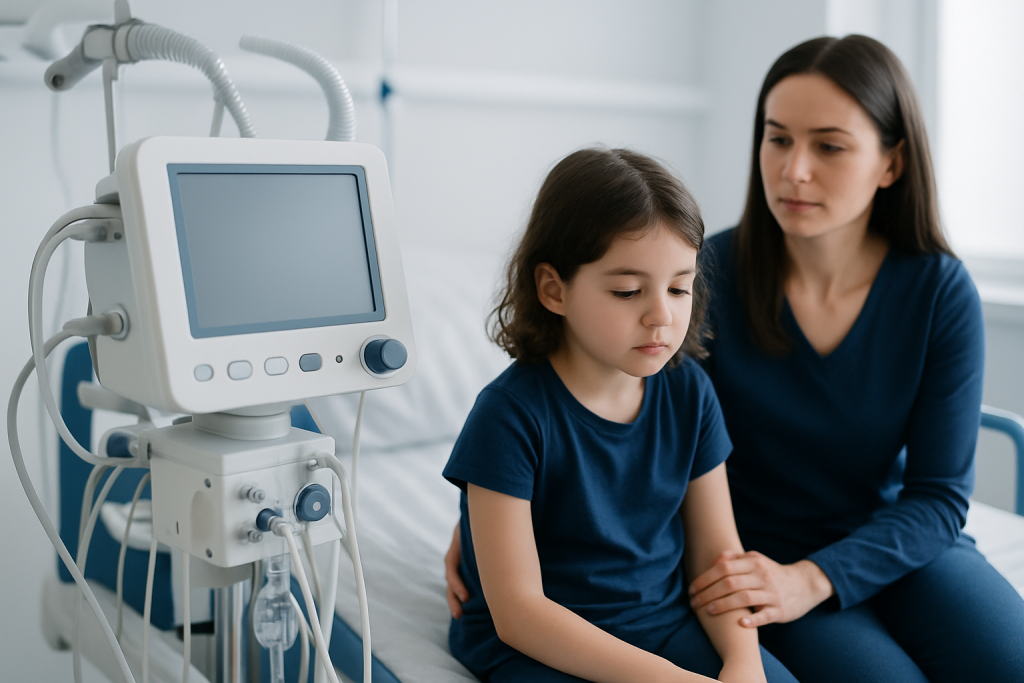
The first signs of Dravet syndrome are often seizure-related. A baby who previously seemed well may have a prolonged convulsive seizure, sometimes triggered by fever, warm baths, or a body temperature rise during an illness. Seizures may last longer than expected or happen in clusters, which can be especially distressing for caregivers.
As the child grows, the seizure picture often becomes more varied. Different seizure types may appear, including focal seizures, myoclonic jerks, absence-like spells, or generalized tonic-clonic seizures. Some children also develop unsteady walking, low muscle tone, sleep difficulties, and delayed speech or learning progress.
Common features may include:
- Seizures beginning in the first year of life
- Seizures that are prolonged or hard to stop
- Seizures triggered by fever, overheating, or flashing lights in some children
- Developmental slowing after an initially typical early infancy period
- Problems with balance, coordination, or attention
Not every child shows the same pattern. Some symptoms are subtle at first, which is why early specialist assessment matters when seizures begin in infancy.
Causes & Risk Factors

In many children, Dravet syndrome is linked to a change in the SCN1A gene, which helps nerve cells send electrical signals in a controlled way. When this gene is altered, the brain’s electrical activity can become easier to disrupt, making seizures more likely. The gene change may be inherited, but it often happens for the first time in the child.
Most families do not cause the condition, and nothing in pregnancy or routine parenting should be assumed to have triggered it. Certain factors can, however, make seizures more likely once a child already has Dravet syndrome. Fever, illness, overheating, dehydration, sleep deprivation, and sudden changes in body temperature are common examples.
Risk is also higher when a child has a family history of epilepsy or a known genetic disorder, but many affected children have no clear family history. Because the syndrome is rare, early seizures are sometimes mistaken for febrile seizures or another epilepsy type before the full pattern becomes clear.
Diagnosis
Diagnosing Dravet syndrome is a step-by-step process rather than a single test result. A specialist looks closely at the age when seizures began, what the seizures looked like, whether fever or other triggers were involved, and how the child is developing over time. These details often matter as much as the test results themselves.
Testing commonly includes an EEG to assess brain electrical activity and genetic testing to look for SCN1A or other related changes. Brain imaging may also be used to rule out other causes of seizures, especially when the presentation is not typical. In the early stages, results may not be definitive, so follow-up over time is often important.
For international patients, bringing a written seizure timeline, videos of events if available, medication lists, and prior test results can make the first consultation much more efficient. Clear records can help the care team separate Dravet syndrome from febrile seizures, other genetic epilepsies, or conditions that can look similar in infancy.
Treatment Options
There is currently no cure for Dravet syndrome, but treatment can reduce seizure burden, improve safety, and support quality of life. Care usually needs to be individualized because some anti-seizure medicines are more suitable than others, and certain medicines may be avoided in this syndrome. A pediatric neurologist typically guides these choices.
Management often combines several approaches. Anti-seizure medication may be prescribed to reduce seizure frequency and severity, while a rescue plan is created for prolonged seizures or seizure clusters. In some cases, a ketogenic diet, vagus nerve stimulation, or other specialist strategies may be considered when seizures remain difficult to control.
Treatment commonly includes:
- Daily anti-seizure medicines selected for the child’s seizure type and overall profile
- Emergency or rescue medication for prolonged seizures, as advised by the doctor
- Developmental, speech, occupational, or physical therapy
- Safety planning for bathing, sleeping, travel, and school routines
- Regular follow-up to adjust care as the child grows
Because Dravet syndrome affects more than seizures alone, treatment works best when it addresses the child’s movement, learning, communication, and family needs together.
Prevention & Self-care
Dravet syndrome itself cannot be prevented once the underlying genetic change is present, but many seizure-related complications can be reduced with thoughtful day-to-day care. Families usually benefit from learning the child’s trigger pattern and building routines that keep temperature, sleep, and hydration stable as much as possible.
Helpful self-care often includes giving fever a prompt response under medical guidance, avoiding overheating, keeping a regular sleep schedule, and using the rescue plan exactly as prescribed. Caregivers may also be taught how to position the child safely during a seizure and when to seek urgent help.
For families balancing care across borders, a written plan is especially useful. It may include the child’s diagnosis, current medicines, seizure action steps, emergency contacts, and the name of the treating neurologist. This can help a local doctor or emergency team respond more quickly if a seizure happens during travel or after returning home.
When to See a Doctor
A medical evaluation is important whenever an infant or young child has a first seizure, a prolonged seizure, repeated seizures in a short time, or seizures linked with fever that seem unusually long or severe. It is also important to seek assessment if a child who has been developing typically begins to lose skills, becomes unsteady, or has changes in speech or attention.
Urgent help is needed if a seizure lasts longer than the family’s emergency plan allows, if breathing seems affected, if the child is not waking normally afterward, or if injuries occur during the event. Families should not try to sort out the diagnosis alone, because early specialist input can reduce delay and improve safety planning.
Acibadem Health Point’s multidisciplinary specialists and JCI-accredited hospitals can diagnose and treat Dravet syndrome for international patients, with coordinated support from neurology and related pediatric services. For many families, that combination makes it easier to connect diagnosis, treatment, and follow-up into one practical plan.
Living With Dravet Syndrome
Daily life with Dravet syndrome often becomes more manageable when care is organized around predictability. Children may do better when their routines are steady, caregivers share the same seizure plan, and teachers or relatives know what to do if an episode happens. Small adjustments, such as keeping the child cool and well rested, can make a meaningful difference for some families.
Emotional support matters too. Parents and caregivers may feel overwhelmed by the uncertainty of seizures, especially when a child is young or the diagnosis is still being clarified. Support from neurology teams, therapists, and family support networks can help caregivers stay confident and avoid feeling alone in the process.
As children grow, their needs may change. Some will need help with learning, communication, mobility, or behavior, while others may mainly need seizure-focused care and safety planning. Regular follow-up allows the treatment plan to evolve with the child rather than staying fixed at the first diagnosis.
Frequently asked questions
What age does Dravet syndrome usually start?
Dravet syndrome usually begins in infancy, often within the first year of life. A first seizure may happen during fever or illness, but later seizures can occur without a trigger. Because early symptoms can look like common febrile seizures, specialist review is important if seizures are prolonged or recurrent.
Is Dravet syndrome inherited?
Sometimes it can run in families, but many cases happen because of a new gene change in the child. A genetic result can help clarify the cause, but diagnosis is based on more than genetics alone. A neurologist can explain what the result means for the child and family members.
Can Dravet syndrome be cured?
There is no cure at present, but many children benefit from a carefully planned treatment strategy. The goal is to reduce seizures, prevent emergencies, and support development and daily functioning. Ongoing follow-up is important because the care plan often needs adjustment over time.
Which seizures are most common in Dravet syndrome?
Seizure types can change over time, but prolonged convulsive seizures are often an early feature. Later, children may have a mix of seizure types, including focal seizures and myoclonic jerks. A seizure diary or video can help doctors identify the pattern more accurately.
Should certain medicines be avoided?
Some anti-seizure medicines may not be appropriate in Dravet syndrome, so treatment should always be guided by a specialist familiar with the condition. This is one reason an accurate diagnosis matters early. Families should not start, stop, or switch medicines without medical advice.
What can families do during a seizure?
The child should be kept safe, placed on the side if possible, and watched closely for breathing and recovery. Families should follow the doctor’s rescue plan for prolonged seizures and call emergency services if the seizure does not stop as instructed. A clear action plan can reduce panic and help caregivers respond calmly.
References
- Epilepsy Foundation
- National Institute of Neurological Disorders and Stroke
- GeneReviews
- American Academy of Neurology
- World Health Organization
This article is for general information only and is not a substitute for professional medical advice. Please consult a qualified doctor about your individual situation.
More from the Health Library



Related Specialists
Dr. Cüneyt Uçar
Emergency Service
Prof. Dr. Hüseyin Hayrı Kertmen
Neurosurgery
Prof. Dr. Tevfik Rifki Evrenkaya
Internal Medicine
Prof. Dr. Barış Kocaoğlu
Orthopedic Surgery & Traumatology