Dot Medical Card

Key Takeaways
- A DOT medical card is proof of medical fitness for many commercial drivers in the United States.
- The card is issued after a DOT physical exam that checks vision, hearing, blood pressure, medications, and overall health.
- Some conditions can limit certification, but many drivers can still qualify with treatment and follow-up.
- Keeping medical records, medications, and follow-up appointments organized helps avoid delays in renewal.
- Drivers should know when a full recertification is needed and when a shorter certification period may be given.
A DOT medical card shows that a commercial driver meets the health standards required to operate safely under U.S. Department of Transportation rules. It is issued after a DOT physical exam and must be renewed on schedule to remain valid.
Overview
A DOT medical card is part of the safety system for commercial driving in the United States. It is issued after a driver completes a Department of Transportation medical examination and is found medically fit to operate a commercial motor vehicle under federal standards.
For many drivers, the card is more than a piece of paperwork. It is the bridge between a medical visit and the ability to keep working, which is why the exam often feels practical and time-sensitive rather than routine. The process is designed to identify health issues that could affect alertness, reaction time, vision, or the ability to handle long hours on the road.
Although the rules are specific, the broader purpose is simple: to support safe driving for the driver, passengers, and everyone else sharing the road. A driver with a chronic condition is not automatically disqualified; in many cases, certification is still possible with treatment, documentation, and a clinician’s careful review.
Symptoms
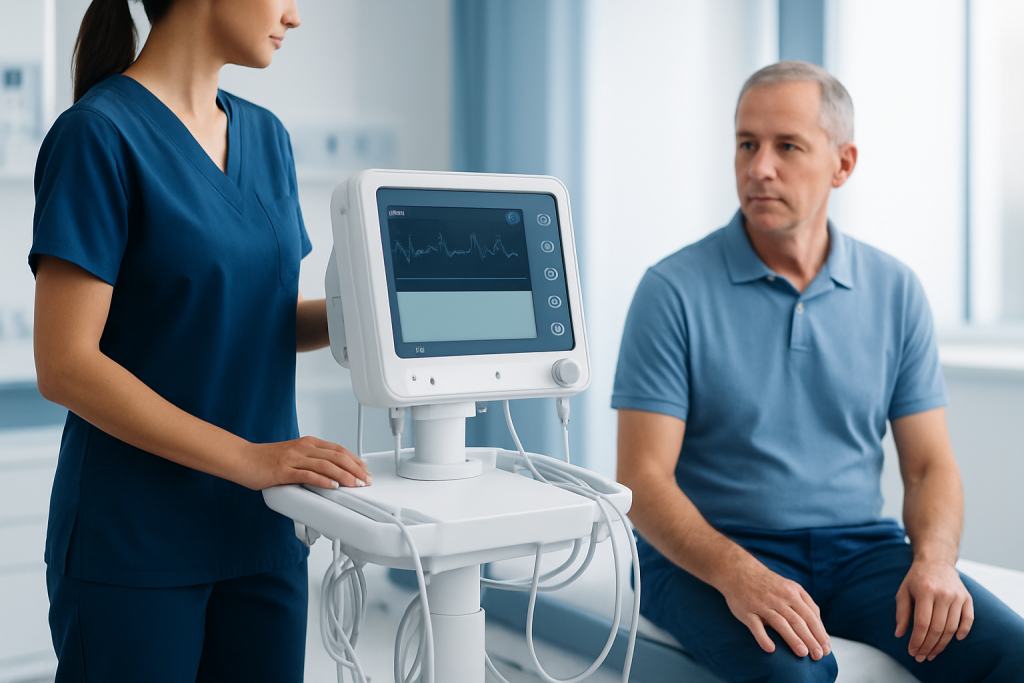
A DOT medical card itself does not cause symptoms, but the health issues that may affect certification often do. A driver may notice fatigue, dizziness, chest discomfort, blurry vision, trouble hearing, severe daytime sleepiness, shortness of breath, or difficulty controlling blood sugar or blood pressure.
Some conditions are easy to overlook because they develop slowly. Sleep apnea, hypertension, diabetes, and early vision changes may not interfere with daily life at first, yet they can become important during a DOT exam because they may increase the risk of sudden impairment while driving.
Drivers should also pay attention to medication effects. A new prescription, over-the-counter sleep aid, or treatment that causes drowsiness, slowed reaction time, or lightheadedness may matter during certification and should be discussed openly with the examining clinician.
Causes & Risk Factors

The need for a DOT medical card is driven by job type rather than illness. Commercial drivers who operate vehicles covered by federal DOT rules must meet medical standards intended to show they can perform safety-sensitive work. The card is commonly needed by truck drivers, bus drivers, and other commercial operators.
Certain health factors make certification more complex. These include uncontrolled high blood pressure, insulin-treated diabetes in some situations, seizure disorders, serious heart disease, significant hearing or vision loss, substance use concerns, and sleep disorders that reduce alertness.
Risk factors for difficulty passing the exam are often the same factors that affect general health: obesity, smoking, sedentary work patterns, poor sleep, and limited access to regular medical care. For international drivers or travelers who need certification while away from home, the main challenge is often documentation, not the exam itself. Having recent records, a medication list, and specialist notes available can reduce delays.
- Commercial driving job responsibilities
- Chronic conditions that affect alertness or control
- Use of medications with sedating side effects
- Inconsistent follow-up for blood pressure, diabetes, or sleep disorders
- Limited access to prior medical records during travel or relocation
Diagnosis
Getting a DOT medical card begins with a DOT physical examination performed by a qualified medical examiner. The visit is structured and usually focuses on the areas that most directly influence safe driving: vision, hearing, blood pressure, heart health, neurologic status, medication use, and any history of sleep or substance-related conditions.
The clinician may ask about past surgeries, hospitalizations, chronic diseases, and whether any condition has changed since the last certification. Drivers may be asked to bring glasses, hearing aids, glucose logs, specialist letters, a medication list, or records showing stable treatment. In some cases, urine testing is included as part of the exam process, depending on the clinic and regulatory requirements.
After reviewing the findings, the examiner decides whether the driver meets medical standards, needs follow-up before certification, or qualifies for a shorter certification interval. If the driver does not meet the standard on the day of the visit, that does not always mean permanent disqualification. It often means more medical information or better control of a condition is needed first.
Treatment Options
A DOT medical card is not treated with medicine itself, but the health issues that affect certification often are. The goal is to bring conditions under good control so the driver can safely meet federal standards. This may involve treatment from a primary care doctor, cardiologist, endocrinologist, sleep specialist, neurologist, or another clinician depending on the condition.
Common approaches include blood pressure management, diabetes treatment, sleep apnea evaluation and therapy, vision correction, hearing support, and careful medication review. If a medication causes sedation or impaired coordination, a clinician may consider an alternative that better fits driving work. Drivers should never change prescriptions on their own before an exam without medical guidance.
In some situations, certification is granted for a shorter period so the medical examiner can reassess a condition more often. That can be useful when a health issue is stable but still needs monitoring. For drivers traveling internationally for care, coordination matters: medical notes, test results, and follow-up plans should be organized so the next clinician can understand the history quickly and avoid repeating tests unnecessarily.
For patients seeking coordinated evaluation abroad, Acibadem Health Point’s multidisciplinary specialists and JCI-accredited hospitals can diagnose and treat relevant conditions for international patients, with an emphasis on clear communication and continuity of care.
Prevention & Self-care
While a DOT medical card cannot be “prevented” in the usual sense, drivers can take practical steps to make the certification process smoother and to protect long-term health. Regular checkups help conditions such as hypertension, diabetes, and sleep apnea stay on track before they interfere with work eligibility.
Drivers benefit from keeping a simple health file. A current medication list, recent test results, specialist reports, and documentation of any assistive devices can save time at the exam. It is also wise to schedule renewal visits early enough to allow time for follow-up if a concern appears.
Day-to-day habits matter as well. Better sleep routines, physical activity when possible, balanced meals on the road, hydration, and smoking cessation support overall fitness for driving. If a driver has been told to use CPAP, glasses, hearing aids, or another treatment, consistent use is important not only for health but also for certification confidence.
- Book renewal before the certificate expires
- Bring records for chronic conditions
- Use prescribed treatments consistently
- Avoid new sedating medicines without medical review
- Follow up promptly on abnormal blood pressure or glucose readings
When to See a Doctor
A driver should contact a clinician before the DOT exam if a known condition has recently changed, symptoms have worsened, or a specialist report is needed for certification. That is especially important for blood pressure concerns, sleep apnea, diabetes management, fainting episodes, chest symptoms, or changes in vision or hearing.
Medical help is also appropriate if a driver has trouble staying awake while driving, suspects a sleep disorder, or has side effects from medication that could affect safe operation of a vehicle. Waiting until the last minute can make it harder to gather records or adjust treatment in time for renewal.
If a driver is unsure whether a condition may affect certification, a pre-exam consultation can be helpful. It gives time to understand the likely requirements, plan follow-up, and avoid surprises on the day of the physical. That practical step often reduces stress more than any form or checklist can.
Living With a DOT Medical Card Requirement
For many drivers, the DOT medical card becomes part of a repeating rhythm: manage health, document stability, renew on time, and keep driving. The process can feel demanding, especially when work schedules are tight or care must be arranged across borders, but it is usually manageable with planning.
Drivers who live with chronic conditions often do best when they treat the card as a checkpoint rather than a verdict. A certification issue can be a signal to strengthen treatment, improve follow-up, or gather more information—not necessarily a sign that commercial driving must end.
Understanding the rules early, staying honest during the exam, and keeping medical records organized can make the process much simpler. For international patients who need coordinated evaluation, a clear plan with qualified clinicians helps the medical side stay aligned with the demands of work and travel.
Frequently asked questions
What is a DOT medical card?
A DOT medical card is a certificate showing that a commercial driver meets the medical standards required for safety-sensitive driving. It is issued after a DOT physical exam by a qualified medical examiner. The card is commonly needed for drivers regulated under U.S. federal transportation rules.
How long is a DOT medical card valid?
The certification period depends on the driver’s health and the examiner’s judgment, but it is often limited to a set interval rather than issued indefinitely. If a condition needs closer monitoring, the examiner may give a shorter period. Drivers should check the expiration date carefully and plan ahead for renewal.
Can someone fail the DOT physical because of high blood pressure?
High blood pressure can affect certification if it is not controlled, but it does not automatically end a driver’s ability to work. The examiner looks at the blood pressure reading, medical history, and whether treatment is stable. Many drivers can qualify once their blood pressure is managed appropriately.
Do you need to bring anything to a DOT physical?
Drivers are often asked to bring glasses, hearing aids, a medication list, and records related to chronic conditions such as diabetes, sleep apnea, or heart disease. Recent specialist notes or test results can also be helpful. Bringing complete information can make the exam faster and more accurate.
Can sleep apnea affect a DOT medical card?
Yes. Sleep apnea matters because untreated sleepiness can affect alertness and reaction time while driving. If a driver has symptoms such as loud snoring, daytime sleepiness, or witnessed breathing pauses, evaluation and treatment may be needed before certification.
What should a driver do if the DOT card is about to expire while traveling?
The best step is to arrange renewal as early as possible and keep copies of recent medical records accessible during travel. If the driver is abroad, having documentation in English and a current medication list can help a new clinician review the case quickly. Planning ahead reduces the chance of work interruption.
References
- Federal Motor Carrier Safety Administration
- U.S. Department of Transportation
- Centers for Disease Control and Prevention
- American Academy of Family Physicians
This article is for general information only and is not a substitute for professional medical advice. Please consult a qualified doctor about your individual situation.