Autopsy

Key Takeaways
- An autopsy examines the body after death to identify disease, injury, or other causes of death.
- There are two main types: medical autopsy and forensic autopsy.
- Families may request or consent to an autopsy in some situations, depending on local laws and circumstances.
- Results can support grief support, medical learning, and future care for relatives with inherited conditions.
- A thoughtful discussion with the medical team or forensic authorities can help families understand the process and next steps.
An autopsy is a detailed medical examination performed after death to help determine the cause and manner of death, understand disease, or answer important legal and family questions. It is handled with care and respect, and the findings can sometimes provide clarity for loved ones and doctors alike.
Overview
An autopsy is a careful medical examination of a person’s body after death. Its purpose is to better understand why the person died and whether illness, injury, treatment complications, or other factors played a role. In many cases, it also helps answer questions that were difficult to resolve during life.
There are two broad forms of autopsy. A medical autopsy is usually performed in a hospital or pathology setting to learn more about disease, treatment, or an unexpected death. A forensic autopsy is generally ordered when the death may involve injury, violence, an accident, or legal investigation. Both are carried out with professionalism and respect.
For families, the word “autopsy” can feel unfamiliar or emotional. Yet it often serves a practical purpose: it can clarify uncertainty, support the death certificate process, and sometimes provide information that may matter for close relatives, especially if an inherited condition is found.
What an Autopsy Can Reveal
An autopsy may show the immediate cause of death, such as a heart attack, infection, blood clot, stroke, internal bleeding, or organ failure. It can also identify underlying conditions that contributed to death, including long-term disease that was not fully recognized while the person was alive.
In some cases, the examination helps explain why symptoms did not improve despite treatment. It may show how an illness progressed, whether there were complications from surgery or medication, or whether an unexpected condition was present. These findings can be particularly important when the death was sudden or medically complex.
For families, the value is not only medical. A clear explanation can ease uncertainty and may help relatives make sense of what happened. In some situations, the results can also guide screening or counseling for family members if a hereditary disease is suspected.
Causes & Risk Factors: Why an Autopsy May Be Recommended
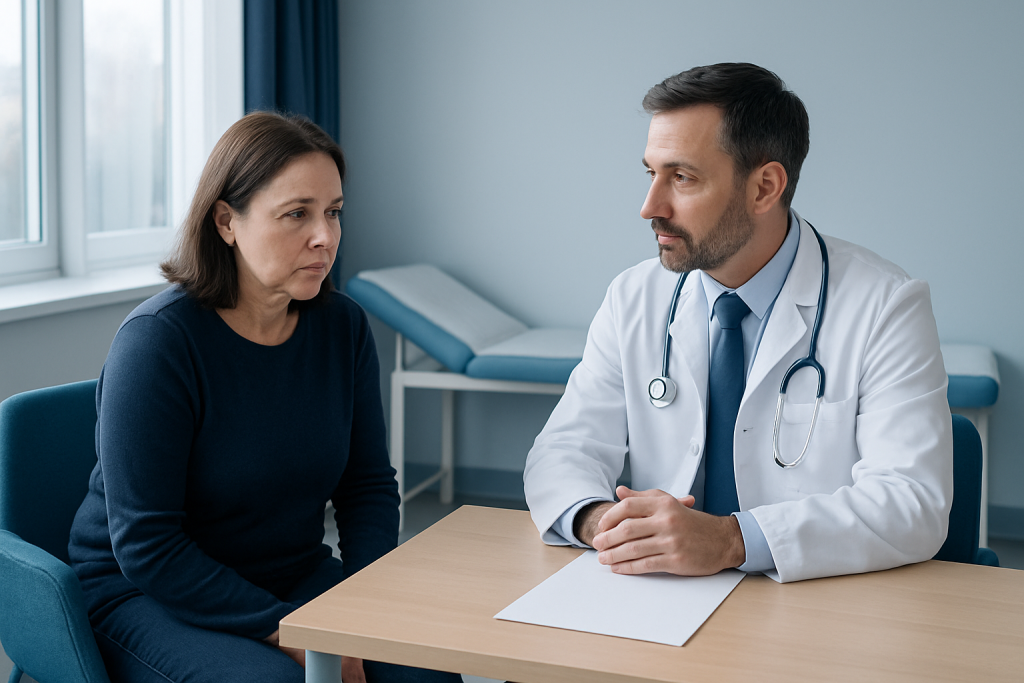
An autopsy is not done for every death. It is more commonly considered when the cause of death is uncertain, when death happens unexpectedly, or when the person had a serious condition that was not fully understood. It may also be recommended after trauma, a sudden collapse, a possible overdose, or a death occurring during or after a medical procedure.
Several circumstances may increase the likelihood that an autopsy will be discussed:
- Unexpected or unexplained death
- Death shortly after surgery or medical treatment
- Suspected infection, poisoning, or overdose
- Possible injury, accident, or violence
- Concern about an inherited or contagious disease
- Need for legal documentation or public health investigation
In the hospital setting, doctors may suggest an autopsy when the clinical picture remains unclear despite testing and treatment. In some countries and situations, legal authorities may require one, while in others families may be asked to consent depending on local rules and the circumstances of death.
Diagnosis and the Autopsy Process
An autopsy begins with a review of the person’s medical history, hospital notes, medications, imaging, laboratory results, and the events leading up to death. The pathologist then performs an external examination, followed by a detailed internal examination of the organs when required.
The process may include measuring organs, looking for injury or disease, taking tissue samples, and sometimes ordering toxicology or microscopic studies. These tests help build a fuller picture than a visual inspection alone can provide. When needed, specialists may examine the heart, brain, lungs, liver, kidneys, or other tissues in detail.
The body is handled with care throughout the procedure. When the examination is complete, the body is respectfully prepared for release according to local practice and the wishes of the family. In many cases, funeral arrangements can proceed after the autopsy, though timing may vary depending on the extent of testing required.
Treatment Options: What Happens After the Findings
An autopsy itself is not a treatment, but its findings can lead to important next steps. If the death was related to a disease process, the medical team may use the results to improve care plans for other patients with similar conditions or to refine how a diagnosis is understood in future cases.
For families, the most immediate “next step” is often a discussion of the results once the report is ready. The doctor, pathologist, or legal authority may explain the cause of death, contributing conditions, and any unanswered questions. In some cases, results may suggest that close relatives should consider screening, genetic counseling, or a medical review.
When the autopsy is forensic, the report may also support legal or administrative processes. Families may need guidance about death certification, documentation for travel, insurance, or repatriation if the death occurred abroad. In international situations, clear communication between the hospital, local authorities, and the family is especially important.
Prevention & Self-care: Supporting Families Before and After an Autopsy
An autopsy cannot usually be “prevented” when it is legally required, but families can often prepare for it by asking questions early. It helps to clarify who is authorizing the autopsy, how long the process may take, when results might be available, and which belongings or documents should be kept safe.
For those making decisions, a calm conversation with the doctor or hospital team can reduce uncertainty. Families may wish to ask whether the examination is medical or forensic, whether it is limited to specific organs, and whether the body will be released for burial or cremation after testing is complete. If the death occurred in another country, it can also help to ask about translation, consular support, and transfer of records.
Emotional self-care matters as much as paperwork. Grief can be sharper when the death is sudden or unexplained, and waiting for results can be difficult. Support from trusted relatives, faith leaders, counselors, or bereavement services can help families move through the process with less isolation.
When to See a Doctor
While an autopsy occurs after death, families may still need medical guidance before deciding on it or after receiving the report. A doctor should be contacted when the death was unexpected, when symptoms before death were unusual, or when the family has concerns about whether an inherited condition may affect others.
Medical advice is also helpful if the autopsy report mentions a disease that relatives should understand more fully, such as heart conditions, certain cancers, infections, or genetic disorders. A clinician can explain what the findings mean in practical terms and whether any family members should be screened.
In an international-patient setting, families may benefit from a hospital team that can coordinate records, explain the results clearly, and support follow-up across borders. Acibadem Health Point’s multidisciplinary specialists and JCI-accredited hospitals diagnose and treat complex conditions for international patients, including situations where an autopsy report leads to further medical questions for the family.
What Families Often Ask First
Questions about autopsy often begin with timing, consent, and whether the procedure will delay funeral arrangements. Families may also ask if the examination will be limited, whether tissue samples will be stored, and how the results will be shared. These are reasonable questions, and the care team should answer them in straightforward language.
It is also common to ask whether an autopsy can reveal everything that happened. The honest answer is no single test can answer every question, but an autopsy is one of the most informative tools available after death. It can confirm many causes of death, rule out some possibilities, and sometimes uncover findings that were not suspected.
Because each case is different, the best approach is usually to speak directly with the treating doctor, hospital pathologist, or legal authority. They can explain what kind of autopsy is planned, what it may show, and what the family can expect afterward.
Frequently asked questions
What is the main purpose of an autopsy?
The main purpose is to determine the cause and manner of death as accurately as possible. It can also reveal diseases, injuries, or treatment-related complications that were not fully known before death. In some cases, it provides information that is useful for surviving relatives.
What is the difference between a medical autopsy and a forensic autopsy?
A medical autopsy is usually done to understand disease or the medical reason for death. A forensic autopsy is typically ordered when there may be legal concerns, trauma, violence, or an accident. The setting and the questions being answered are often different, even though both involve a detailed examination.
Does the family always have to consent to an autopsy?
Not always. Consent rules depend on local laws, the circumstances of death, and whether the case is under legal investigation. In some situations, families are asked for permission; in others, an autopsy may be required by law or public authority.
Will an autopsy delay a funeral or burial?
It can sometimes take extra time, especially if tissue, toxicology, or specialist testing is needed. However, families are usually able to proceed with arrangements once the body is released. The hospital or authority can explain the expected timeline.
Can an autopsy show if a disease runs in the family?
Sometimes it can. If the pathologist finds evidence of an inherited condition, doctors may advise relatives to seek screening or genetic counseling. This does not mean every family member will be affected, but it can be a helpful starting point.
How are autopsy results shared with families?
Results are usually discussed after the full report is completed, which may take time. A doctor, pathologist, or legal representative will explain the findings and answer questions in plain language. Families can ask for clarification if any part of the report is difficult to understand.
References
- World Health Organization
- National Institutes of Health
- Centers for Disease Control and Prevention
- College of American Pathologists
- Royal College of Pathologists
This article is for general information only and is not a substitute for professional medical advice. Please consult a qualified doctor about your individual situation.