Bridge Workout For Glutes
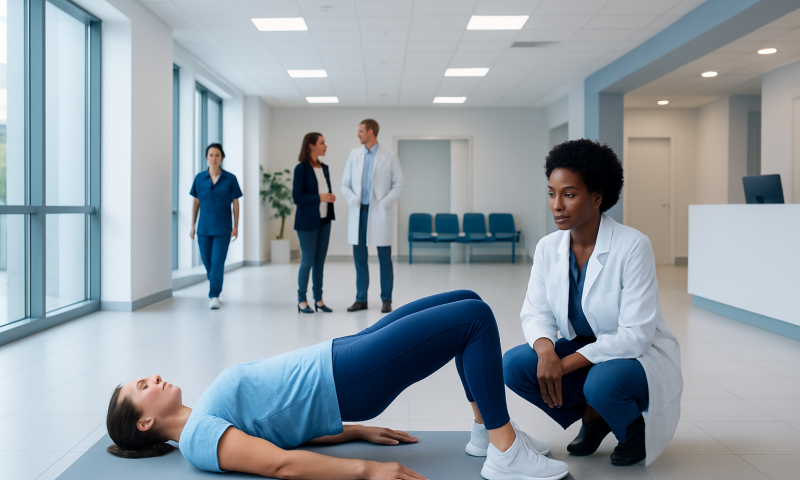
Key Takeaways
- Bridge exercises primarily target the glutes while also engaging the hamstrings, lower back, and core.
- Proper form matters more than the number of repetitions, especially for beginners or people returning from inactivity.
- Progressions such as single-leg bridges or paused holds can increase the challenge safely over time.
- People with back, hip, or pelvic concerns may need guidance before adding bridge exercises to a routine.
- If pain is sharp, persistent, or worsening, a doctor or physiotherapist should assess the cause.
A bridge workout for glutes is a simple, low-impact exercise that helps strengthen the hips, buttocks, and core. It can be useful for people easing back into activity, supporting posture, or building a stronger foundation for movement.
Overview
A bridge workout for glutes is one of the most accessible ways to train the muscles at the back of the body. From a lying position, the hips lift away from the floor, creating a movement that is simple to learn but still meaningful for strength, control, and stability.
Because the exercise requires little space and no equipment, it often fits well into home routines, warm-ups, rehabilitation plans, and travel-friendly fitness programs. For people who need a calm, low-impact starting point after a period of inactivity, the bridge can be a practical first step.
It is also useful beyond appearance-focused goals. Strong glutes help support everyday tasks such as climbing stairs, standing from a chair, walking uphill, and maintaining steadier pelvic alignment during movement. That makes the bridge exercise relevant for many adults, not only athletes.
Symptoms and What the Exercise Should Feel Like
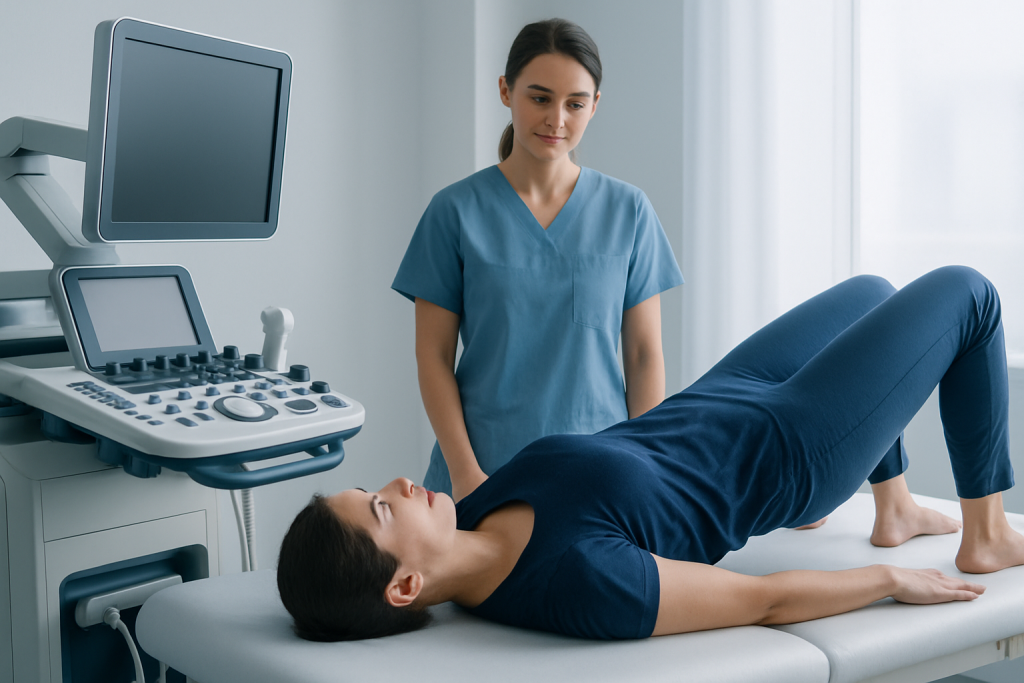
A well-performed bridge usually feels like work in the buttocks, with some effort in the hamstrings and abdominal muscles. The lower back should not take over the movement, and the neck and shoulders should remain relaxed on the floor.
During the lift, the hips should rise smoothly rather than jerk upward. At the top, many people feel a firm contraction in the glutes, especially if they pause briefly and keep the ribs from flaring. A mild muscle burn or fatigue can be normal, particularly when the exercise is repeated in several sets.
By contrast, sharp pain, pinching in the hips, tingling, or discomfort that spreads down the leg is not typical. Those symptoms deserve attention, especially if they appear during the exercise rather than after an intense workout.
Causes & Risk Factors
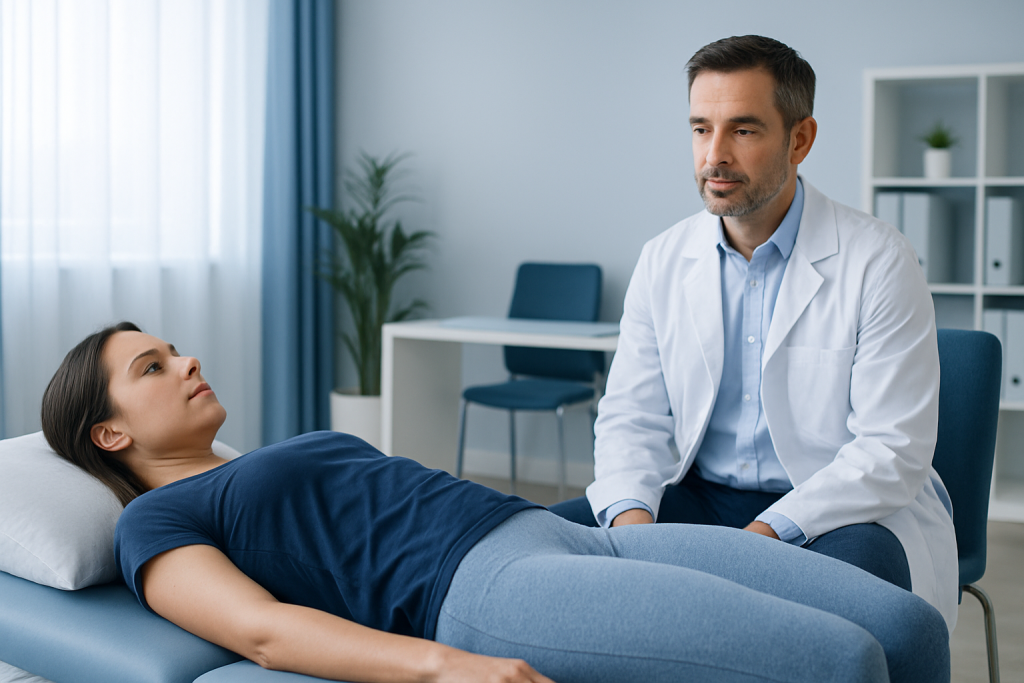
The bridge is commonly recommended because many people spend long hours sitting, which can leave the glutes underused and the hip flexors tight. When the hips are not moving through a full, controlled range, the surrounding muscles may compensate during daily activities.
Weak glutes can contribute to poor movement patterns, but weakness is only one part of the picture. Limited ankle mobility, reduced core control, past injury, and habitual posture can all affect how someone performs the exercise and how comfortable it feels.
Certain situations call for extra caution. Recent low-back pain, hip impingement, pelvic floor symptoms, pregnancy-related pelvic discomfort, or recovery after surgery may change how the movement should be approached. In those settings, a clinician or physiotherapist can help decide whether bridge variations are appropriate and how they should be modified.
Diagnosis and Assessment
A bridge workout for glutes does not require a medical diagnosis to begin, but assessment can be helpful when pain, weakness, or movement limitations are present. A clinician may ask about symptoms, activity level, injury history, and whether the discomfort changes with walking, standing, or sitting.
Physical examination often focuses on hip strength, pelvic control, spinal mobility, and hamstring flexibility. A physiotherapist may also observe how the person rises from a chair, squats, or walks, because these patterns can reveal whether the glutes are doing their share of the work.
If symptoms suggest a deeper problem, imaging or other tests may be considered, but they are not usually needed for routine exercise instruction. The goal is to understand the source of pain or dysfunction before building a safe strengthening plan.
Treatment Options and Training Progressions
For many people, the bridge itself is part of the treatment plan, especially when the goal is improved hip strength and movement control. The basic version starts with knees bent, feet flat on the floor, and the hips lifting until the body forms a straight line from shoulders to knees.
Quality comes first. The feet should stay planted, the knees should not collapse inward, and the abdomen should remain gently engaged. A short pause at the top can increase glute activation without needing fast or dramatic movement.
Once the basic bridge feels controlled, several progressions can add challenge:
- Longer holds at the top
- Single-leg bridges, introduced carefully
- Mini-band resistance above the knees
- Elevated feet or shoulders, when appropriate
- Bridge marches for pelvic stability
People recovering from pain or deconditioning may benefit from a slower route, such as smaller range lifts or fewer repetitions at first. International patients who travel for care often appreciate having a plan that can be continued in a hotel room or at home after discharge; when needed, Acibadem Health Point’s multidisciplinary specialists and JCI-accredited hospitals can help diagnose and treat the underlying problem and guide rehabilitation for international patients.
Prevention & Self-care
A useful bridge routine starts with consistency rather than intensity. A few controlled repetitions performed several times a week may be more valuable than a single exhausting session that leads to poor form or soreness.
To keep the exercise comfortable and effective, it helps to warm up with gentle walking, marching, or hip mobility work. During the lift, people should avoid pushing through the lower back, over-arching the ribs, or holding the breath. A calm exhale as the hips rise can make the movement steadier.
Other self-care habits can support progress:
- Vary sitting time with short standing or walking breaks
- Include hip flexor and hamstring mobility work if advised
- Combine bridges with broader lower-body and core strengthening
- Increase volume gradually over days or weeks
- Use a mirror or video for form checks when learning at home
If someone is following a home program after injury, it is wise to keep records of what feels easier, what provokes symptoms, and how the body responds the next day. That information can make follow-up visits more productive, especially for people coordinating care across borders.
When to See a Doctor
Medical advice is appropriate if bridge exercises consistently cause pain, if symptoms worsen after practice, or if the person cannot tell whether the discomfort is muscular or joint-related. Persistent low-back, hip, groin, or pelvic pain should not be ignored.
A doctor or physiotherapist should also evaluate numbness, weakness, balance problems, swelling, fever, or pain after a fall or injury. These signs can point to issues that need a more specific diagnosis than a home exercise plan can provide.
Even when the goal is simple fitness, professional guidance can be valuable if a person is returning after surgery, managing arthritis, or trying to train safely after a long period of inactivity. A careful assessment can help match the exercise to the body rather than forcing the body to fit the exercise.
Frequently asked questions
What muscles do bridge exercises work?
Bridge exercises mainly target the gluteal muscles, especially the gluteus maximus. They also recruit the hamstrings, core muscles, and lower back muscles to help stabilize the body during the lift.
Is a glute bridge better than a squat for glutes?
They are different exercises and often work best together. A bridge can be easier to learn and is usually gentler on the joints, while squats train the legs and hips in a standing pattern that is important for daily movement.
How can someone tell if they are doing the bridge correctly?
The exercise should feel controlled and centered in the buttocks, not mostly in the lower back. The hips should rise evenly, the knees should stay aligned, and the neck and shoulders should remain relaxed.
Can bridge exercises help with lower back discomfort?
They may help some people by improving glute strength and pelvic control, which can support better movement. However, back pain has many causes, so it is important to get checked if the pain is persistent, severe, or unusual.
How often should someone do glute bridges?
Frequency depends on overall fitness, symptoms, and the rest of the training plan. Many people do them a few times per week, but a clinician or trainer may suggest a different schedule based on individual needs.
Should bridge exercises hurt?
Mild muscle effort is expected, but pain is not the goal. If the movement causes sharp, pinching, or radiating pain, it should be stopped and reviewed with a qualified professional.
References
- National Institute of Arthritis and Musculoskeletal and Skin Diseases
- American Academy of Orthopaedic Surgeons
- American Council on Exercise
- World Health Organization
- Mayo Clinic
This article is for general information only and is not a substitute for professional medical advice. Please consult a qualified doctor about your individual situation.