Deviated Septum Surgery: What to Expect

Key Takeaways
- A deviated septum is a common structural issue in the nose, but surgery is usually reserved for symptoms that affect breathing or quality of life.
- Septoplasty aims to reposition or trim the bent cartilage and bone inside the nose rather than change the outside appearance.
- An ENT specialist typically confirms the diagnosis with a nasal examination and may order additional tests if other problems are suspected.
- Recovery is often straightforward, but temporary congestion, swelling, and mild discomfort are common after surgery.
- People traveling for treatment should plan for a pre-operative consultation, enough time for early recovery, and follow-up arrangements after returning home.
Medically reviewed by the Acıbadem clinical team — August 19, 2026
Deviated Septum Surgery: Cost and Recovery" class="ahp-ilk">Deviated septum surgery, usually called septoplasty, is an operation that straightens the wall between the nostrils to improve airflow through the nose. It may be considered when a shifted septum causes ongoing blockage, snoring, sinus problems, or repeated nosebleeds that do not improve with non-surgical care.
Overview
A deviated septum happens when the thin wall that divides the two sides of the nose is displaced to one side. For some people, this is a minor anatomical variation; for others, it narrows the nasal passage enough to make breathing feel consistently restricted. When symptoms persist despite sprays, allergy care, or other non-surgical measures, deviated septum surgery is often considered.
The operation is usually called septoplasty. Its purpose is functional: to improve airflow by straightening the septum from the inside. In selected cases, the surgeon may also address related issues such as enlarged nasal turbinates or other structural problems that contribute to blockage. Because the nose is central to sleep, exercise, voice resonance, and daily comfort, even a small improvement in airflow can matter a great deal.
People often seek information about this surgery after months or years of living with nasal congestion that never fully responds to medication. For international patients, the decision may also involve planning around travel, timing, and follow-up care, so understanding the procedure clearly helps them prepare with confidence.
Symptoms
A deviated septum does not always cause symptoms, and many people discover it only during an exam for another reason. When it does become noticeable, the most common complaint is one-sided or alternating nasal blockage that can make breathing feel uneven. Some people describe it as constantly “getting less air” through one side of the nose.
Other symptoms may include noisy breathing, snoring, a tendency to mouth-breathe, or a feeling of pressure in the face. Some patients also notice recurrent nosebleeds, especially if the nasal lining becomes dry and irritated on the more obstructed side.
Symptoms that can sometimes occur with a deviated septum include:
- Chronic nasal congestion or blockage
- Difficulty breathing through the nose, especially during sleep or exercise
- Snoring or disturbed sleep
- Frequent sinus discomfort or pressure
- Repeated nosebleeds
- Preference for sleeping on one side to breathe more easily
These symptoms can overlap with allergies, nasal polyps, chronic sinusitis, and enlarged turbinates. That is why an ENT evaluation matters before deciding whether surgery is the right next step.
Causes & Risk Factors

A septum can be deviated from birth or become displaced later in life. Some people are born with a septum that is slightly off-center, while others develop the problem after a fall, sports injury, traffic accident, or other facial trauma. In many cases, there is no single dramatic event, only a gradual awareness that one side of the nose never seems to breathe quite as well as the other.
Risk factors for having symptoms that become significant enough to consider surgery include prior nasal injury, repeated inflammation inside the nose, and additional anatomic narrowing from swollen turbinates or sinus disease. Allergies do not cause a deviated septum, but they can make obstruction feel worse by adding swelling on top of the structural narrowing.
It is also worth noting that not every deviated septum needs surgery. The decision usually depends on how much the anatomy affects daily life, whether non-surgical care has been tried, and whether other nasal conditions are part of the picture.
Diagnosis
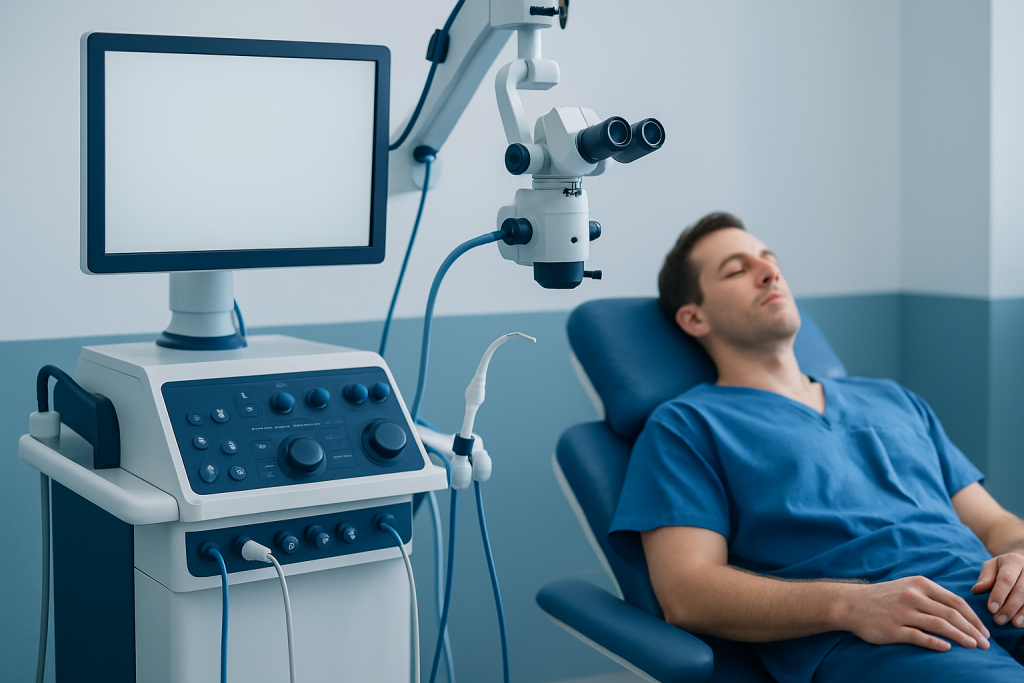
Diagnosis begins with a careful history and a focused examination by an ENT specialist. The doctor will ask about breathing patterns, sleep quality, sinus symptoms, nosebleeds, injuries, previous nasal treatments, and how the symptoms affect daily activities. A physical exam often includes looking inside the nose with a lighted instrument or a nasal endoscope.
In some cases, the doctor may also assess whether allergies, chronic sinusitis, turbinate enlargement, or nasal valve collapse are contributing to the problem. This distinction is important because surgery on the septum alone may not fully relieve obstruction if another issue is also present.
Imaging is not always required, but a scan may be ordered if sinus disease, prior trauma, or other structural concerns need closer review. For international patients, a detailed pre-travel consultation can help clarify whether septoplasty is appropriate, what additional tests are needed, and how much recovery time should be set aside before returning home.
Treatment Options
When symptoms are mild, treatment often starts without surgery. Saline rinses, allergy management, nasal steroid sprays, and avoiding irritants may ease swelling and make breathing more comfortable. These measures can be helpful, but they do not straighten the septum itself.
Septoplasty is the main surgical treatment for a symptomatic deviated septum. During the procedure, the surgeon works inside the nose to reshape or reposition the bent cartilage and bone. The goal is to improve airflow while preserving as much of the natural support structure as possible. In some cases, the surgeon may combine septoplasty with turbinate reduction or another procedure if there is more than one cause of obstruction.
The surgery is usually performed under anesthesia, and many people go home the same day, although plans vary depending on the person’s overall health and the extent of the operation. Recovery experiences differ, but patients commonly notice temporary swelling and congestion before gradual improvement in breathing. It is normal for the nose to feel blocked at first because the tissues need time to heal.
Possible considerations before surgery include:
- Stopping certain medicines if the doctor advises it
- Arranging safe transportation after anesthesia
- Planning time away from work, travel, or strenuous activity
- Understanding how follow-up will happen after leaving the hospital or country
For people traveling for care, the treatment plan should include a realistic recovery window and clear instructions for local follow-up once they return home.
Prevention & Self-care
A deviated septum itself usually cannot be prevented if it is present from birth, and not every injury can be avoided. Even so, protecting the nose from trauma and managing nasal irritation can reduce the chance of worsening symptoms. Wearing appropriate protective equipment during sports or high-risk activities is a practical step.
After surgery, self-care becomes especially important. Patients are usually advised to rest, avoid heavy lifting and forceful nose blowing, keep the nose moist as directed, and follow wound-care instructions carefully. These measures help the tissues heal and reduce the chance of bleeding or prolonged swelling.
General self-care tips before or after treatment may include:
- Using saline rinses or sprays if recommended
- Keeping indoor air comfortably humid, especially in dry climates
- Managing allergies consistently rather than only when symptoms flare
- Avoiding smoking and exposure to secondhand smoke
- Attending scheduled follow-up visits even if symptoms are improving
Patients who are flying home after surgery should ask their doctor when it is safe to travel and what warning signs should prompt medical review during the trip.
When to See a Doctor
An ENT consultation is appropriate when nasal blockage is ongoing, affects sleep or exercise, or does not improve with routine medical care. It is also wise to seek evaluation if one side of the nose is consistently harder to breathe through, if nosebleeds are recurring, or if a past injury may have changed the shape of the septum.
Medical review is especially important when symptoms are being mistaken for allergies or sinus infections but keep returning despite treatment. A clinician can help determine whether the main issue is a deviated septum, another nasal structure, or a combination of factors. That distinction guides the most effective next step.
After surgery, patients should contact their doctor promptly if they develop heavy bleeding, fever, worsening pain, or a sudden change in breathing. Mild congestion and pressure are common during healing, but symptoms that feel unusual or progressively worse deserve attention. Acibadem Health Point’s multidisciplinary specialists and JCI-accredited hospitals can diagnose and treat deviated septum surgery needs for international patients in a coordinated way that supports planning, treatment, and follow-up.
Recovery and Long-Term Outlook
Recovery after septoplasty is usually gradual rather than immediate. In the first days, the nose often feels stuffy because swelling, crusting, and internal healing are part of the normal process. As the tissues settle, breathing commonly improves over weeks, and some people continue to notice refinement for longer.
Follow-up visits are important because the surgeon may want to check healing, remove any internal supports if they were used, and answer questions about activity, travel, and nasal care. Patients sometimes worry that the procedure “did not work” because the earliest recovery phase can feel congested; this is often temporary and does not reflect the final result.
Long-term outlook is generally good when the main cause of obstruction is structural and the operation addresses the right problem. If allergies, sinus disease, or nasal valve narrowing are also present, those conditions may need ongoing care so that breathing benefits are maintained over time.
Living With the Decision
Choosing surgery for a deviated septum is often less about the scan or the exam and more about the daily pattern a person has been living with. Some patients want better sleep. Others want to breathe comfortably during exercise, reduce chronic mouth breathing, or stop relying on repeated short-term fixes that never seem to solve the problem fully.
For international patients, the decision also includes practical questions: how long to stay after surgery, who will help during the first recovery days, and how communication will continue once they are back home. A good treatment plan should feel structured, understandable, and achievable, not rushed.
When those pieces are in place, septoplasty can be a straightforward and effective way to improve nasal airflow and quality of life. The most useful next step is a careful ENT assessment, followed by a plan tailored to the person’s anatomy, symptoms, and travel needs.
Frequently asked questions
What is the difference between a deviated septum and septoplasty?
A deviated septum is the structural problem: the wall between the nostrils is off-center. Septoplasty is the surgery used to correct that problem by straightening the septum and improving airflow.
How does a doctor know if surgery is needed?
An ENT specialist looks at the nose, reviews symptoms, and checks whether other conditions such as allergies or sinus disease are also contributing. Surgery is usually considered when symptoms are persistent and affect daily life despite non-surgical care.
Is deviated septum surgery painful?
Most people describe the recovery as uncomfortable rather than severely painful. Pressure, congestion, and swelling are common early on, and the doctor can recommend ways to stay comfortable during healing.
Will septoplasty change the appearance of the nose?
Septoplasty is mainly designed to improve breathing, not cosmetic appearance. Any external change is usually limited, although a surgeon may discuss additional procedures if the outside shape also needs correction.
How long does recovery usually take?
Early recovery often takes about one to two weeks, but internal healing continues longer. The exact timeline depends on the extent of surgery, whether other procedures were done, and how closely aftercare instructions are followed.
Can a deviated septum come back after surgery?
The septum is usually more aligned after surgery, but healing changes, scar tissue, or new trauma can affect results over time. That is why follow-up care and protecting the nose from injury remain important.
References
- American Academy of Otolaryngology–Head and Neck Surgery
- Merck Manual Professional Edition
- Mayo Clinic
- NHS
- Cleveland Clinic
This article is for general information only and is not a substitute for professional medical advice. Please consult a qualified doctor about your individual situation.
Explore treatments in Turkey — costs, top hospitals & a free quote
JCI-accredited · board-certified surgeons · reply within 24h
Add us as a Preferred Source to see more of our trusted health content across Google Search, AI Overviews and Discover.