Deviated Septum Surgery Cost and Recovery

Key Takeaways
- Septoplasty is often recommended when a deviated septum causes ongoing nasal blockage or related symptoms that do not improve with medical care.
- The total cost depends on the hospital, surgeon, anesthesia, testing, and whether septoplasty is combined with other nasal procedures.
- Recovery is usually gradual, with the first week focused on rest, swelling control, and avoiding strain.
- Follow-up matters, especially for patients traveling from another country, because healing checks may be needed after returning home.
- Not every deviated septum requires surgery; an ENT specialist first confirms whether symptoms are truly linked to the septum.
- A clear preoperative plan helps patients compare hospitals, understand what is included, and prepare for postoperative care.
Deviated septum surgery, usually called septoplasty, is performed to improve airflow through the nose and ease symptoms such as blockage or repeated sinus issues. Cost and recovery can vary by country, hospital, and whether additional procedures are needed, so understanding the full care pathway helps patients plan more confidently.
Overview
A deviated septum means the thin wall between the nostrils is off-center. For some people, that is simply an anatomy note on a scan or exam. For others, it becomes a practical problem: breathing feels harder through one side of the nose, sleep is less comfortable, and recurrent congestion seems to linger.
When symptoms remain troublesome despite medical treatment, ENT specialists may recommend septoplasty, the operation used to straighten the septum and improve nasal airflow. The decision is not based on the appearance of the nose alone; it is usually made after reviewing symptoms, examination findings, and whether other nasal issues are also present.
For international patients, two questions often come up early: what the surgery may cost and how long recovery will take. Both answers depend on several factors, including the hospital setting, the complexity of the case, and whether additional procedures are performed at the same time.
Symptoms and When Surgery Is Considered
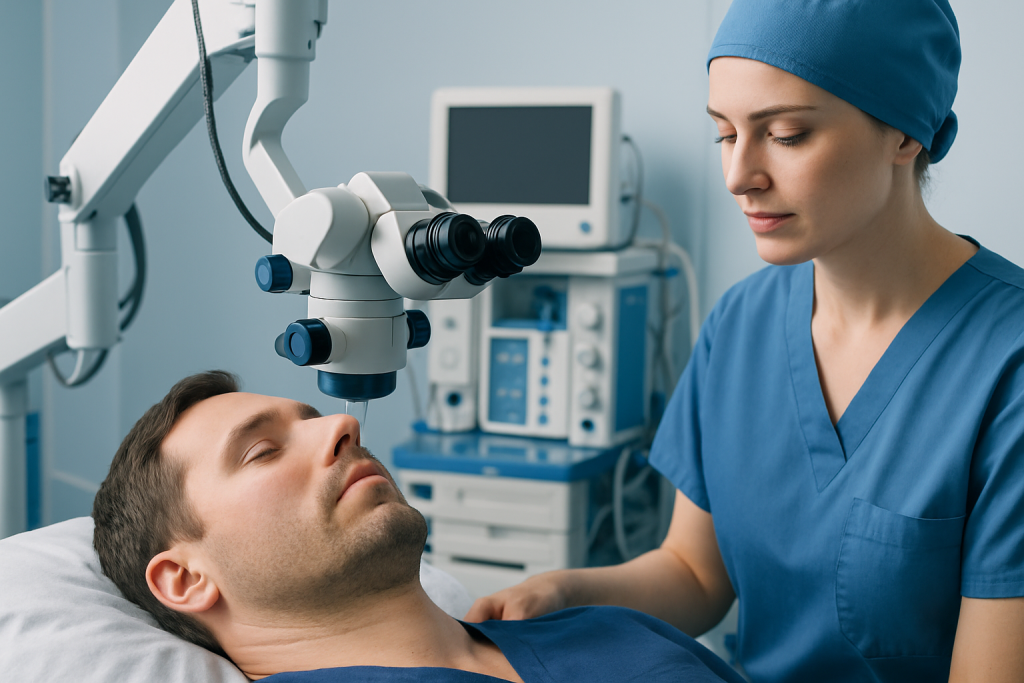
Not every deviated septum causes meaningful symptoms. Many people live with a mild deviation and never need treatment. Surgery is more commonly discussed when the septum contributes to persistent nasal obstruction that affects daily life, exercise, sleep, or comfort during travel and altitude changes.
Common symptoms linked to a deviated septum can include:
- One-sided or alternating nasal blockage
- Difficulty breathing through the nose, especially at night
- Snoring or disrupted sleep
- Frequent sinus pressure or congestion
- Nosebleeds related to dryness or airflow changes
An ENT specialist also looks for other causes of blockage, such as allergies, swollen nasal tissue, enlarged turbinates, or nasal valve weakness. If symptoms are coming from more than one source, the treatment plan may include more than septoplasty alone.
Causes and Risk Factors

A deviated septum may be present from birth, or it may develop after an injury to the nose. Sometimes the shift is subtle and only becomes noticeable later, when swelling, aging, or another nasal condition makes breathing symptoms more obvious.
Several factors can influence whether the deviation becomes a problem. A person with allergies, frequent sinus inflammation, or a history of nasal trauma may notice symptoms sooner because the airway is already more sensitive. In other cases, the deviation is discovered during an evaluation for snoring, recurrent sinus complaints, or cosmetic concerns.
The need for surgery is not determined by the deviation alone. It is usually based on how much the condition affects function and how well non-surgical measures have helped. That is why a careful ENT assessment is important before deciding on an operation.
How Doctors Diagnose the Problem
Diagnosis starts with a detailed discussion of symptoms, including when they began, how severe they feel, and whether they change with colds, allergies, or sleep position. The doctor also asks about previous nasal injury, sinus problems, and any medicines or sprays already tried.
An ENT examination usually includes a look inside the nose, often with a nasal endoscope. This helps the doctor see the septum, the turbinates, and the nasal passages more clearly. In some cases, imaging such as a CT scan may be used if sinus disease or another structural issue is suspected.
For patients traveling for care, this stage is also where practical planning begins. The team may discuss how much time should be set aside for preoperative testing, what documents to bring, and whether postoperative review can be done in person or with remote follow-up after returning home.
Treatment Options and What Affects Cost
The main surgical treatment for a deviated septum is septoplasty. During the procedure, the surgeon repositions, trims, or reshapes the septal cartilage and bone to create a clearer nasal passage. If enlarged turbinates, nasal polyps, or other structural issues are contributing to blockage, the surgeon may recommend an additional procedure at the same time.
That combination is one reason costs can differ from patient to patient. The final price is shaped by several elements, including the surgeon’s expertise, anesthesia fees, operating room use, hospital category, preoperative tests, medications, and the length of stay if overnight observation is needed. International patients may also need to consider travel, lodging, and follow-up appointments when budgeting.
Patients comparing treatment options should ask what the quoted price includes. A clear estimate should explain whether consultations, imaging, anesthesia, postoperative visits, and any necessary nasal packing or splints are included. This makes it easier to compare hospitals fairly and avoid surprises later.
- Standard septoplasty may be sufficient when the septum is the main issue.
- Additional nasal surgery may be advised if other structures also narrow airflow.
- Medication may still be used after surgery to support comfort and healing.
Recovery: What the First Days and Weeks Are Usually Like
Recovery after septoplasty is typically gradual rather than dramatic. Many people notice that the first few days feel more uncomfortable than the later stages because congestion, swelling, and mild bleeding are common early on. Breathing may not feel fully improved right away, which can be reassuring to know beforehand.
During the first week, patients are usually advised to rest, keep the head elevated, avoid heavy lifting, and follow instructions about nasal cleaning or saline rinses. If splints or packing are used, the medical team explains how they are managed and when they are removed. Mild pressure, drainage, and fatigue are common, but they should steadily ease.
Over the next several weeks, swelling inside the nose continues to settle. Activity is usually increased step by step, while contact sports, forceful nose blowing, and strenuous exercise are avoided until the surgeon says it is safe. The exact timeline varies, especially if septoplasty was combined with another procedure.
For people recovering away from the hospital that performed the surgery, written instructions are especially important. A good discharge plan should explain what is normal, which symptoms need attention, and when follow-up should happen after international travel.
Prevention and Self-care
A deviated septum itself cannot usually be prevented if it is due to development or a past injury, but symptoms can often be reduced with sensible nasal care before and after treatment. If allergies are part of the picture, controlling them may lessen congestion and make breathing feel easier even if surgery is not yet needed.
After surgery, self-care focuses on protecting the healing tissue. Patients are commonly advised to avoid smoke exposure, stay hydrated, use saline as recommended, and rest the nose from unnecessary pressure. Sleeping with the head slightly elevated may help with early swelling.
It also helps to plan recovery around practical life. Patients who are flying home after surgery should discuss timing with their surgeon, since pressure changes, fatigue, and limited access to care can make the first days after a flight more demanding. Having the follow-up plan in place before departure is a simple but valuable part of aftercare.
When to See a Doctor
An ENT evaluation is appropriate when nasal blockage lasts for weeks or keeps returning, especially if it affects sleep, exercise, or quality of life. It is also sensible to seek assessment after a nasal injury, or if congestion seems one-sided and does not improve with standard treatment.
After surgery, patients should contact their medical team if they notice heavy bleeding, fever, worsening pain, increasing swelling, or a sudden change in breathing. Most postoperative symptoms are mild and improve over time, but new or intensifying symptoms deserve review.
For international patients, choosing a center with clear communication can make the process much calmer. Acibadem Health Point’s multidisciplinary specialists and JCI-accredited hospitals diagnose and treat deviated septum cases for international patients, with attention to both surgery and follow-up planning.
Frequently asked questions
What is the difference between a deviated septum and septoplasty?
A deviated septum is the condition, meaning the septum sits off-center. Septoplasty is the surgery used to straighten or improve that internal wall so airflow through the nose can be easier.
How much does deviated septum surgery usually cost?
The cost varies widely depending on the hospital, surgeon, anesthesia, tests, and whether other nasal procedures are done at the same time. Patients should ask for a written estimate that clearly lists what is included.
How long does recovery take after septoplasty?
The first few days usually involve the most congestion and discomfort, while everyday activity often returns gradually over the following week or two. Internal swelling can take longer to fully settle, so breathing improvement may continue over several weeks.
Will breathing improve right away after surgery?
Not always. Early swelling and crusting can temporarily make the nose feel blocked, so breathing may improve slowly rather than immediately.
Can a deviated septum come back after surgery?
Septoplasty aims to correct the structural problem, but the nose can be affected by injury, healing changes, or ongoing nasal conditions. Regular follow-up helps the surgeon check healing and address any remaining symptoms.
Do all deviated septums need surgery?
No. Many people do well without an operation, especially if symptoms are mild or controlled with non-surgical care. Surgery is usually considered when blockage or related problems remain significant despite treatment.
References
- American Academy of Otolaryngology–Head and Neck Surgery
- National Health Service
- Mayo Clinic
- Merck Manual Consumer Version
- Cleveland Clinic
This article is for general information only and is not a substitute for professional medical advice. Please consult a qualified doctor about your individual situation.