Dental Implants Abroad: Single Tooth, Bridge, or Full-Arch—How to Choose

Key Takeaways
- A single missing tooth is often treated differently from several missing teeth or a full arch of loss.
- Bone volume, gum health, bite forces, and overall medical history all influence the best implant plan.
- Some patients need grafting or staged care, which can affect whether treatment can be completed in one trip.
- Implants are designed to be long-lasting, but success depends on daily oral care and regular follow-up.
- Patients traveling abroad should plan time for consultation, imaging, healing, and the possibility of a second visit.
Medically reviewed by the Acıbadem clinical team — June 13, 2026
Choosing a dental implant plan abroad is not only about replacing teeth; it is about matching the treatment to the number of missing teeth, the health of the supporting bone, and the patient’s travel timeline. This guide explains the differences between single-tooth, bridge, and full-arch implant options in practical terms.
Overview
When a patient is considering dental implants abroad, the first decision is usually not about the brand of implant or the number of clinic visits. It is about the size of the problem being solved. Replacing one missing tooth, several adjacent teeth, or an entire arch of teeth calls for different planning, different timelines, and sometimes different surgical approaches.
Dental implants are small posts placed in the jaw to support a crown, bridge, or full set of replacement teeth. They are meant to function as stable anchors, but they are not one-size-fits-all. A patient with one healthy gap may do well with a single implant and crown, while someone with multiple missing teeth may benefit more from an implant-supported bridge or a full-arch solution.
For international patients, the decision also includes practical questions: How many days can be spent abroad? Is the jaw ready for immediate treatment, or is a graft needed first? Will there be a second stage after healing? The right plan balances mouth health, comfort, function, and travel realities rather than simply choosing the most advanced-looking option.
Symptoms and Signs That Replacement May Be Needed
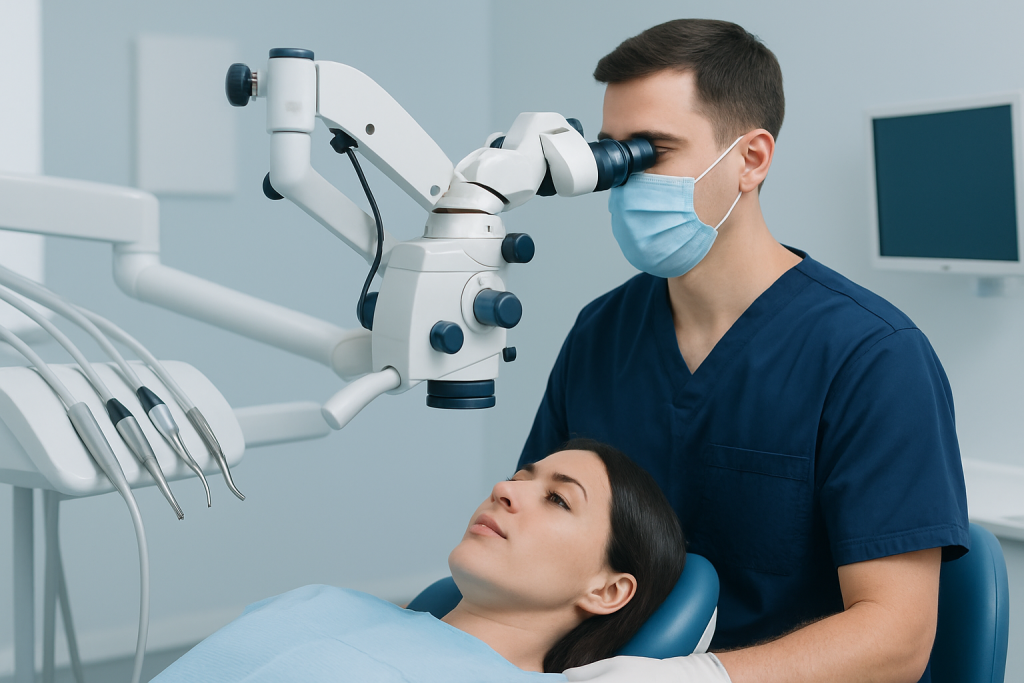
The need for an implant is usually driven by what is missing, damaged, or no longer functioning well. A patient may notice a single gap, several teeth that are loose or painful, or a wider pattern of tooth loss that affects chewing and speech. In some cases, the concern is not pain but the way the smile or bite has changed over time.
Common reasons people begin exploring dental implants include:
- a missing tooth after extraction, trauma, or decay
- difficulty chewing on one side
- shifting teeth around a gap
- changes in facial support after tooth loss
- loose dentures or sore spots from removable appliances
- repeated problems with older bridges or fillings
It helps to think beyond appearance alone. A missing tooth can change bite balance, allow neighboring teeth to drift, and reduce the amount of stimulation the jawbone receives. Over time, this may affect how replacement options fit and how much preliminary treatment is needed before implants can be placed.
Causes & Risk Factors

Tooth loss has many causes, and the best implant option often depends on what led to the loss in the first place. Decay, gum disease, injury, wear, failed root canal treatment, and congenital absence of teeth can all create different patterns of damage. A person who lost one tooth in an accident may have a very different treatment path from someone who has had years of gum disease and several missing teeth.
Factors that can influence implant planning include the amount of jawbone available, the health of the gums, smoking status, uncontrolled diabetes, some immune conditions, and certain medications that affect healing. A patient’s bite is also important; heavy grinding or clenching can place extra force on new restorations and may change the design chosen by the dental team.
Travel adds another layer. Someone seeking care abroad may arrive with limited records, older restorations, or incomplete information about previous treatment. That is why careful examination and imaging matter so much. The safest decision is usually the one that is based on current scans and an honest discussion of what can be completed now versus what should wait until healing is complete.
Diagnosis and Treatment Planning
Good implant planning starts with measurements, not assumptions. A dental team typically reviews medical history, examines the mouth, assesses the bite, and uses imaging such as panoramic X-rays or three-dimensional scans to evaluate bone volume and nearby structures. This step helps determine whether a tooth can be replaced directly or whether the site needs preparation first.
In a single-tooth case, planning focuses on the space, neighboring teeth, and the amount of bone in one area. For multiple missing teeth, the team considers whether separate implants are needed or whether a bridge can be supported by fewer implants. In full-arch cases, the question becomes how many implants are needed to support the entire arch safely and predictably.
For international patients, treatment planning should also address timing. Some procedures can be started and finished quickly, while others require a healing period before the final teeth are attached. Patients benefit from asking whether treatment can be completed in one trip, whether a temporary restoration is possible, and what follow-up will be needed after they return home.
Treatment Options: Single Tooth, Bridge, or Full-Arch
Single-tooth implant. This is often the most straightforward option when only one tooth is missing and the neighboring teeth are healthy. A titanium or similarly biocompatible post is placed in the jaw, then a crown is attached after healing. The advantage is that adjacent teeth are usually left untouched, unlike a traditional bridge that may require reshaping support teeth.
Implant-supported bridge. When several teeth are missing in a row, a bridge supported by implants can restore the space without placing an implant for every single tooth. This can be useful when bone conditions, budget considerations, or anatomy make a larger number of implants less practical. It is different from a conventional bridge because the support comes from implants rather than natural teeth.
Full-arch implant restoration. When most or all teeth in one jaw are missing or no longer useful, a full-arch solution may be considered. This can involve a fixed prosthesis anchored to several implants or, in some cases, a removable overdenture retained by implants. The choice depends on bone availability, oral hygiene habits, bite forces, and the patient’s goals for stability and aesthetics.
In selected cases, immediate temporary teeth may be placed after surgery, but this is not appropriate for everyone. If the jawbone is limited or additional grafting is needed, the final restoration may need to wait. The most suitable option is the one that offers reliable healing and a manageable follow-up plan, especially when care is being coordinated across countries.
How to Choose the Right Option Abroad
The best implant plan is usually the one that fits both the mouth and the logistics of travel. A patient who is replacing one tooth may not need the same strategy as someone who is rebuilding an entire arch. The number of missing teeth matters, but so do the condition of the bone, the quality of the gum tissue, and the patient’s ability to return for follow-up.
A useful way to compare options is to ask a few direct questions: Is the missing tooth isolated, or are other teeth at risk? Would a bridge or a single implant preserve more healthy tissue? Is the jaw strong enough for implant placement now, or should healing and grafting come first? Is the expected maintenance something the patient can realistically continue after traveling home?
International patients should also consider their own daily habits. Those who clench or grind may need a more durable design and a night guard. Patients with limited dexterity may do better with a restoration that is easier to clean. The right choice is not simply the fastest treatment, but the one that can be maintained safely after the trip ends.
Recovery, Prevention & Self-care
Healing after implant surgery usually happens in stages. The gum tissue closes first, while the implant gradually bonds with the bone beneath it. During this period, the dental team may advise a soft diet, careful oral hygiene, and avoidance of habits that could disturb healing, such as smoking or biting hard foods on the treated area.
Patients who travel abroad should leave with clear written instructions and a realistic follow-up plan. That may include when to return for checks, how to clean around temporary teeth, and which symptoms are expected during recovery. Because follow-up may happen in another country, it is wise to know which records, scan images, and treatment notes to keep for the home dentist.
Long-term care matters just as much as the surgery itself. Implants still need regular brushing, flossing or interdental cleaning, professional exams, and attention to gum health. A healthy implant is easier to maintain when the surrounding tissues are kept clean and when any problem, such as looseness or inflammation, is addressed early.
When to See a Doctor
A patient should seek a dental evaluation if a missing tooth is making chewing difficult, if a denture no longer fits well, or if nearby teeth are starting to move. Consultation is also important when there is a history of gum disease, trauma, or repeated dental failure, because these situations may change the recommended implant approach.
It is especially helpful to speak with a qualified dentist or oral surgeon before booking travel if there is jaw pain, active infection, uncontrolled medical illness, or uncertainty about how many teeth need replacement. A pre-travel consultation can prevent surprises and reduce the chance of arriving without enough time for the best treatment path.
Patients who want coordinated international care may benefit from centers that can handle imaging, surgical planning, prosthetic design, and follow-up in a structured way. At Acibadem Health Point, multidisciplinary specialists and JCI-accredited hospitals diagnose and treat dental implant cases for international patients, helping align clinical needs with travel planning and aftercare.
Frequently asked questions
Is a single dental implant always better than a bridge?
Not always. A single implant is often preferred when only one tooth is missing and the neighboring teeth are healthy, because it does not require reshaping adjacent teeth. However, if the bone, spacing, or overall dental condition is not suitable, an implant-supported bridge may be the more practical choice.
Can full-arch implants be finished in one trip abroad?
Sometimes, but not for every patient. Some people are candidates for immediate temporary teeth, while others need grafting or a healing period before the final restoration can be placed. The treatment timeline should be confirmed after examination and imaging, not before.
What makes someone a poor candidate for implants right away?
Active gum disease, insufficient jawbone, untreated infection, and certain medical conditions can affect timing or require additional preparation. Smoking and heavy clenching can also make planning more complex. A dentist can explain whether the issue is temporary or whether a different restoration is safer.
Do implants require special care after returning home?
Yes, but the routine is usually manageable. Implants need careful brushing, cleaning between teeth or prosthetic parts, and regular dental reviews. Patients should also keep copies of their scans and treatment notes in case a home dentist needs them later.
What is the difference between an implant bridge and a regular bridge?
A regular bridge is supported by natural teeth, which often need to be filed down. An implant bridge is held in place by implants in the jaw, so the surrounding healthy teeth may be left untouched. The best option depends on tooth condition, bone support, and long-term maintenance needs.
How should a patient prepare before traveling for implant treatment?
It helps to gather previous dental records, list current medications, and ask whether there will be one visit or more than one stage of care. Patients should also plan for recovery time, soft foods, and follow-up after returning home. A clear pre-travel consultation makes the trip more predictable and safer.
References
- American Dental Association
- International Team for Implantology
- Mayo Clinic
- NHS
- American Academy of Periodontology
This article is for general information only and is not a substitute for professional medical advice. Please consult a qualified doctor about your individual situation.