Ct Angiogram And Angiography

Key Takeaways
- CT angiogram uses CT scanning and contrast dye to create detailed vessel images without placing a catheter into an artery.
- Catheter angiography is an invasive test that can show blood vessels in real time and may also allow treatment during the same procedure.
- Doctors may choose one test over the other based on the body part being evaluated, the urgency of the situation, and the level of detail needed.
- Preparation often includes reviewing kidney function, allergies, medications, and fasting instructions.
- Most people go home the same day, but recovery advice differs depending on whether the test was noninvasive CT imaging or catheter-based angiography.
Medically reviewed by the Acıbadem clinical team — August 19, 2026
CT angiogram and angiography are imaging tests used to look closely at blood vessels and blood flow. They help doctors find narrowing, blockages, aneurysms, and other vascular problems, then plan the most appropriate treatment.
Overview
When a doctor needs to see how blood moves through the arteries and veins, two tests often come into consideration: CT angiogram and angiography. They sound similar because both are designed to map blood vessels, yet they are not the same test and they are not used in exactly the same way.
A CT angiogram, often called CTA, combines a CT scanner with contrast dye injected into a vein. It produces detailed cross-sectional images of blood vessels quickly and without placing a catheter into an artery. Conventional angiography, also called catheter angiography or digital subtraction angiography, uses a thin tube inserted into a blood vessel and guided to the area of interest, usually with X-ray imaging.
For patients planning care from another country, the distinction matters. The right test can influence whether a condition is diagnosed, monitored, or treated during the same visit, so understanding the purpose of each exam can make decision-making feel more manageable.
How CT angiogram and angiography differ
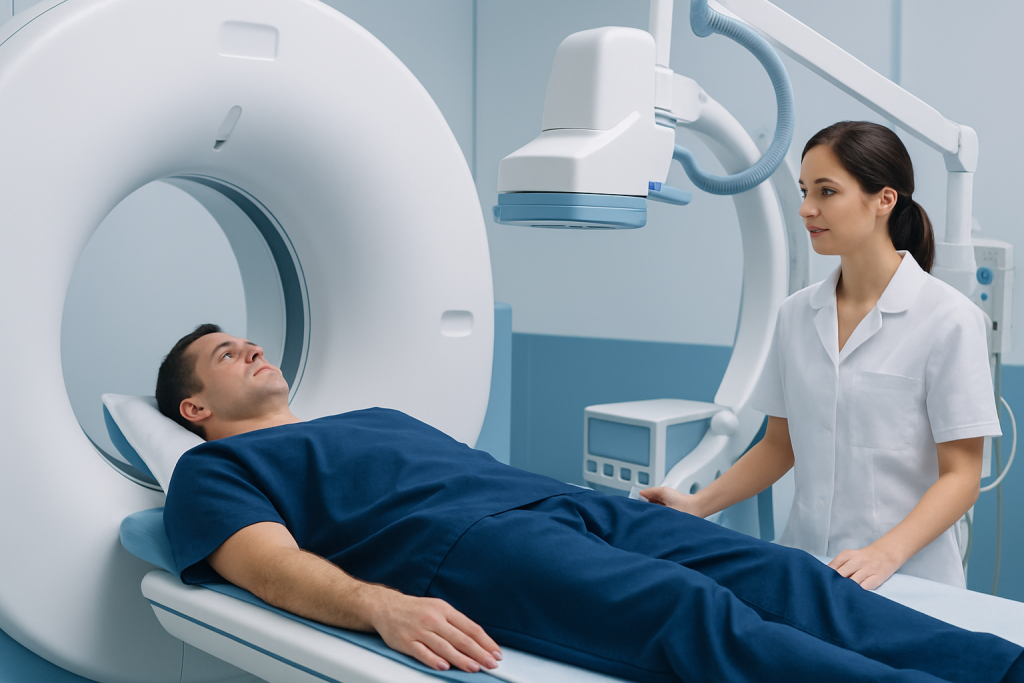
The biggest difference is how images are obtained. In CT angiography, contrast dye travels through the bloodstream while the CT scanner captures rapid images from outside the body. This approach is noninvasive except for the IV line and is often used to evaluate vessels in the brain, neck, chest, abdomen, pelvis, arms, or legs.
Catheter angiography is more invasive. A doctor inserts a catheter through a small puncture, commonly in the wrist or groin, then guides it to the blood vessel that needs detailed study. Contrast dye is injected directly through the catheter, and X-ray images show blood flow in real time.
Because catheter angiography can visualize vessels with very high detail and can sometimes lead directly to a procedure such as angioplasty or stent placement, it is often chosen when treatment may be needed right away. CTA is more commonly used as a diagnostic test when a fast, highly detailed map of vessels is enough.
- CT angiogram: quicker, noninvasive, usually diagnostic
- Catheter angiography: invasive, very detailed, may be diagnostic and therapeutic
- Both: use contrast dye to highlight blood vessels
What symptoms or concerns lead to these tests?

Doctors do not order vascular imaging at random. These tests are usually recommended when symptoms, exam findings, or earlier test results suggest that a blood vessel may be narrowed, blocked, weakened, or inflamed.
Common reasons include chest pain that could be related to coronary artery disease, leg pain when walking, sudden neurologic symptoms such as weakness or speech changes, suspected aneurysm, unexplained bleeding, or concerns about blood supply before surgery. CTA may also be used after trauma to check for vessel injury.
Sometimes the test is requested even before obvious symptoms appear, especially when a person has strong risk factors or an abnormal result on another study. In those situations, the imaging helps doctors understand whether a problem is present and how urgent it may be.
Causes and risk factors for needing vascular imaging
These tests are not causes of disease; they are tools used to investigate conditions that affect the circulatory system. The underlying concerns often involve atherosclerosis, aneurysms, blood clots, congenital vessel differences, vasculitis, or complications after an injury or prior procedure.
Risk factors that commonly prompt closer evaluation include high blood pressure, high cholesterol, diabetes, smoking history, family history of vascular disease, kidney disease, and older age. For some people, a known heart or vascular condition means imaging is needed to guide follow-up rather than to make a first diagnosis.
In international-patient settings, the doctor may also consider recent medical records, prior scans from another country, and whether a person is stable enough to travel. That broader context helps decide whether a CT angiogram is sufficient or whether catheter angiography offers the clearest next step.
How the diagnosis is made
The “diagnosis” in this setting comes from the imaging findings themselves, interpreted alongside symptoms, physical examination, and other tests. Before either study, the care team usually reviews medical history, allergies, medications, pregnancy status when relevant, and kidney function if contrast dye will be used.
For CT angiography, the patient lies on a table that moves through the scanner while images are taken in seconds. Contrast dye is injected through an IV, and the timing of the scan is carefully coordinated so the vessels are seen at the right moment. The exam is generally painless, though some people notice a brief warm sensation from the dye.
Catheter angiography takes place in a procedure suite. After numbing the skin, the doctor places the catheter and guides it to the target vessel using live imaging. Because it is more involved, it usually takes longer than CTA and may require a short recovery period afterward for monitoring.
Treatment options and what each test can lead to
Neither CT angiogram nor angiography is treatment by itself, but both guide treatment decisions. A CTA might show a coronary narrowing, aneurysm, or blocked artery that needs medication, surveillance, or referral to a specialist. It can also help plan surgery or another vascular procedure.
Catheter angiography can do more than diagnose. If a blockage is found, the same session may sometimes allow a doctor to widen the vessel with a balloon, place a stent, or deliver targeted therapy. This “see and treat” feature is one reason angiography remains important even in an era of advanced CT scanning.
The best approach depends on the condition, the person’s overall health, and whether the goal is to confirm a diagnosis, plan a procedure, or intervene immediately. A specialist will balance detail, safety, and practicality rather than choosing one test automatically.
- After CTA: doctors may recommend medicines, lifestyle changes, repeat imaging, or specialist referral
- After angiography: follow-up may include monitoring the access site, additional imaging, or a treatment plan based on the findings
Prevention and self-care before and after the test
Patients can make the experience smoother by sharing complete medical information ahead of time. It is especially helpful to mention previous reactions to contrast dye, asthma, kidney problems, diabetes medications, blood thinners, and any possibility of pregnancy.
Fasting instructions vary. Some CTA exams need only a short break from food and drink, while catheter angiography may require a longer preparation period. The care team will also explain whether to continue regular medicines or adjust them temporarily.
After a CT angiogram, most people return to usual activities quickly unless the doctor gives different advice. After catheter angiography, keeping the puncture site clean and dry, avoiding heavy lifting for a short time, and watching for bleeding or swelling are common recommendations. Drinking fluids may be encouraged if appropriate, because hydration can help the body clear contrast dye.
For patients arranging care from abroad, it can be useful to plan ahead for transportation, an overnight stay if needed, and follow-up communication once home. Clear discharge instructions make it easier to continue recovery safely across time zones and borders.
When to see a doctor
A doctor should be consulted if there is chest pain, shortness of breath, sudden weakness, trouble speaking, severe leg pain, a new pulsating mass, or any symptom that may suggest reduced blood flow or a vascular emergency. Imaging decisions in these situations are time-sensitive and should be guided by urgent medical evaluation.
After either test, medical advice should be sought if there is increasing pain, persistent bleeding, marked swelling, numbness, fever, rash, or any unexpected change near the IV or catheter site. These symptoms do not always mean something serious, but they deserve prompt review.
People with kidney disease, contrast allergy, complex heart or vascular conditions, or multiple prior procedures may benefit from a specialist opinion before scheduling imaging. At Acibadem Health Point, multidisciplinary specialists and JCI-accredited hospitals diagnose and treat vascular conditions for international patients with coordinated, patient-centered care.
Living with the results and planning next steps
Imaging results are most useful when they are connected to a broader care plan. A patient may need medication, periodic monitoring, a procedure, or reassurance that no urgent vascular problem is present. In many cases, the next step is not immediate intervention but a thoughtful discussion about risk reduction and follow-up timing.
When care is being coordinated internationally, it helps to ask for copies of the report and images, a plain-language explanation of the findings, and guidance on what should happen after returning home. That information supports follow-up with the local doctor and makes it easier to continue care without repeating unnecessary tests.
Although the technology can sound intimidating, both CT angiogram and angiography are familiar tools in modern vascular medicine. The most important question is not which test sounds more advanced, but which one is best suited to the clinical situation and the patient’s safety.
Frequently asked questions
Is a CT angiogram the same as angiography?
No. A CT angiogram uses CT scanning and IV contrast to image blood vessels, while angiography usually refers to catheter-based X-ray imaging. They can answer similar questions, but they are performed differently and are chosen for different reasons.
Which test is more invasive?
Catheter angiography is more invasive because it requires placing a thin tube into an artery or vein. CT angiography usually only requires an IV line, so recovery is generally easier.
Why would a doctor choose angiography instead of CT angiogram?
A doctor may choose angiography when very detailed vessel images are needed or when a treatment might be done during the same procedure. It is also useful when CT is not the best option because of the clinical situation or the body part being examined.
Is contrast dye safe?
For most people, contrast dye is well tolerated, but the care team checks for allergies and kidney problems first. Patients should always tell the doctor about past reactions to contrast or any kidney disease before the test.
Do these tests hurt?
CT angiography is usually not painful, though the IV injection may cause brief discomfort or a warm feeling. Catheter angiography involves numbing medicine at the insertion site, and most people feel pressure rather than sharp pain.
How long does recovery take?
Recovery after CT angiography is usually short, and many people return to normal activity the same day. Recovery after catheter angiography may take longer because the insertion site needs time to heal and be monitored.
References
- American College of Radiology
- Radiological Society of North America
- National Heart, Lung, and Blood Institute
- Society of Interventional Radiology
- Mayo Clinic
This article is for general information only and is not a substitute for professional medical advice. Please consult a qualified doctor about your individual situation.
Explore treatments in Turkey — costs, top hospitals & a free quote
JCI-accredited · board-certified surgeons · reply within 24h
Add us as a Preferred Source to see more of our trusted health content across Google Search, AI Overviews and Discover.