Fitness Obliques

Key Takeaways
- The obliques help with twisting, side bending, breathing support, and trunk stability.
- Balanced core training is usually more effective than focusing on one muscle group alone.
- Good form matters more than intensity when working the oblique muscles.
- Sharp pain, swelling, or pain with movement may signal an injury and should be assessed.
- People recovering from surgery, pregnancy, or back pain may need a tailored exercise plan.
The obliques are important core muscles that help the trunk bend, rotate, and stabilize during daily movement and exercise. Understanding how to train them safely can improve posture, support performance, and reduce strain during activity.
Overview
The obliques are the muscles that run along the sides of the abdomen. They do more than shape the waistline: they help the body twist, lean, brace, and transfer force from the lower body to the upper body. In practical terms, they are part of nearly every movement that involves turning, reaching, lifting, or staying upright against resistance.
For people exploring fitness obliques as part of a training plan, it helps to think of them as support muscles rather than a single area to “target.” Strong obliques contribute to a stable trunk, which can make daily activities feel easier and may improve the quality of exercise movements such as walking, running, throwing, rowing, and lifting.
Because the obliques work together with the back, hips, diaphragm, and deeper abdominal muscles, they respond best to balanced training. This is especially relevant for international patients who may be starting or restarting exercise after travel, illness, surgery, or a prolonged period of sitting, when the core can feel deconditioned and sensitive.
Symptoms and Function
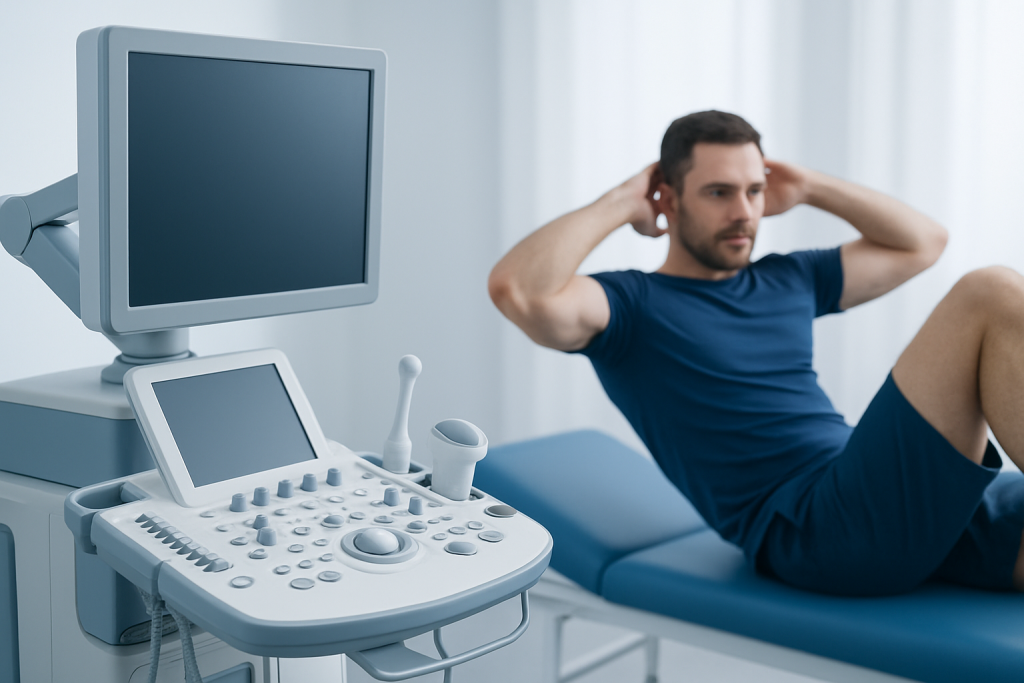
Healthy obliques are usually not something a person “feels” during the day, except when they are working. During exercise, mild muscle fatigue or a warm, engaged sensation along the sides of the abdomen is normal. These muscles are active when a person turns to look over a shoulder, carries luggage, gets out of bed, or steadies the torso while stepping sideways.
When the obliques are strained or overworked, the sensations are different. A muscle strain often causes localized tenderness, discomfort during twisting or side bending, and pain that increases with coughing, laughing, or getting up from a chair. The area may feel tight or guarded, and the movement pattern may become stiff to protect the muscle.
- Common functional roles: trunk rotation, lateral flexion, posture support, core bracing
- Possible signs of overload: soreness that lingers, pain with movement, reduced range of motion
- Less typical and more concerning signs: visible swelling, bruising, severe pain, or pain that does not improve with rest
It is helpful to distinguish normal training discomfort from injury-related pain. Muscle fatigue should settle with rest and recovery, while persistent or sharp pain deserves medical review, particularly if it began after a sudden movement, fall, or strenuous exercise session.
Causes & Risk Factors

Oblique pain or weakness is often linked to simple overload. Repeated twisting drills, abrupt increases in workout volume, poor lifting technique, and exercises performed without proper warm-up can all irritate the abdominal wall. Sports that combine rotation and force, such as tennis, golf, baseball, rowing, and martial arts, place the obliques under particular demand.
Risk also rises when the surrounding muscles are not conditioned to share the work. Tight hip flexors, limited spinal mobility, weak glutes, or poor breathing mechanics can push the trunk to compensate. In some people, long periods of sitting, chronic coughing, or carrying heavy loads asymmetrically, such as one-sided bags or travel luggage, may gradually strain the side abdominal muscles.
Additional factors can make the area more vulnerable:
- Previous abdominal, pelvic, or spine injury
- Recent pregnancy or postpartum recovery
- Core exercises done with poor technique
- Returning too quickly after illness or surgery
- General deconditioning after inactivity or long-distance travel
In some cases, pain felt in the side of the abdomen is not a muscle problem at all. Digestive, kidney, rib, or back conditions can mimic an oblique strain, which is why a careful assessment matters when symptoms are unusual, severe, or not clearly linked to exercise.
Diagnosis
A clinician usually begins by asking where the pain is, when it started, and which movements make it worse. This history is important because the obliques can be irritated by both sports activity and everyday actions such as sneezing, standing from a seated position, or rolling in bed. A detailed description of the exercise routine and recent changes in activity often helps narrow the cause.
Physical examination typically looks at posture, tenderness, trunk rotation, side bending, breathing mechanics, and whether the pain is reproduced with specific movements. The clinician may also check the back, hips, ribs, and abdomen to rule out nearby sources of pain. If the history suggests a strain, diagnosis is often clinical and based on the pattern of symptoms.
Imaging is not always needed, but it may be considered if the pain is severe, the diagnosis is unclear, or another condition needs to be excluded. When people are arranging care from abroad, it can be useful to bring prior reports, workout details, and any imaging results, since this helps the treating team compare old and new findings without repeating unnecessary tests.
Treatment Options
Treatment depends on the cause and severity of the problem. A mild oblique strain often improves with relative rest, temporary modification of activities, and a gradual return to movement. The aim is not complete inactivity, but a reduction in motions that provoke pain while maintaining gentle mobility and everyday function.
Rehabilitation may include guided stretching, progressive core exercises, breathing work, and technique correction. A physical therapist may teach movements that engage the core without excessive strain, then slowly build toward rotational and resisted exercises. This stepwise approach is especially useful for people who want to resume sports, gym work, or active travel without triggering a setback.
Typical treatment tools may include:
- Activity modification and short-term rest from provoking movements
- Ice or heat, depending on what feels more comfortable
- Targeted physical therapy and exercise progression
- Pain relief measures recommended by a clinician when appropriate
- Assessment for associated back, rib, or abdominal issues if symptoms are atypical
More advanced or persistent cases may need a broader rehabilitation plan. If the pain is linked to another medical problem, treatment focuses on that underlying condition. People considering treatment in another country often benefit from a multidisciplinary team that can coordinate diagnosis, imaging, rehabilitation, and follow-up before they return home.
Prevention & Self-care
Good prevention starts with how core training is introduced. The obliques usually respond better to progressive loading than to repeated high-effort twisting from the beginning. Controlled exercises that emphasize alignment, breathing, and smooth movement are often safer than fast, forceful repetitions performed in a rushed gym session.
Self-care also means paying attention to recovery. Adequate sleep, hydration, and time between intense sessions allow muscle tissue to adapt. People who sit for long periods may benefit from standing breaks, gentle trunk mobility work, and posture changes throughout the day. When traveling, especially on long flights or car rides, simple walking breaks and light stretching can reduce stiffness in the trunk and hips.
- Warm up before rotational or abdominal training
- Increase exercise difficulty gradually
- Use controlled form rather than momentum
- Train the whole core, including back and glutes
- Stop if pain is sharp, increasing, or one-sided in a concerning way
For anyone recovering from childbirth, abdominal surgery, or a back injury, self-care should be individualized. A qualified clinician can suggest when it is safe to resume side-plank work, twisting drills, or resistance training, since the right timing depends on healing and overall strength.
When to See a Doctor
Medical evaluation is advisable if oblique pain is severe, lasts more than a few days without improvement, or repeatedly returns with exercise. It is also important to seek care if the pain started after a fall, sudden forceful twist, or direct blow to the abdomen or ribs. A clinician can determine whether the problem is a muscle strain or something else.
People should not ignore symptoms such as fever, unexplained vomiting, abdominal swelling, blood in the urine, shortness of breath, chest pain, or pain that is not clearly related to movement. These features may point to another medical issue that needs prompt assessment. Likewise, numbness, weakness, or pain radiating from the back may suggest a spine-related cause rather than a core muscle injury.
For international patients, it is reasonable to plan evaluation early if symptoms interfere with travel, sleep, or daily activities. Acibadem Health Point’s multidisciplinary specialists and JCI-accredited hospitals diagnose and treat this condition for international patients, with coordinated care that can support both assessment and recovery planning.
Frequently asked questions
What do the oblique muscles do?
The obliques help the torso rotate, bend to the side, and stay stable during movement. They also assist with bracing the core, which supports posture and efficient body mechanics.
Can oblique exercises reduce waist size?
Exercise can strengthen and define the muscles under the skin, but it does not selectively remove body fat from one area. A balanced training plan, overall activity, and nutrition are usually more important for body composition changes.
How can someone tell if an oblique is strained?
A strain often causes localized pain along the side of the abdomen that worsens with twisting, side bending, coughing, or laughing. If the pain is sharp, persistent, or associated with swelling or bruising, medical assessment is a good idea.
Are side planks good for the obliques?
Side planks can be a helpful exercise because they challenge the obliques to stabilize the trunk. They should be introduced gradually and stopped if they cause pain rather than normal muscle effort.
Should a person keep exercising with oblique pain?
Mild soreness after training may settle with rest and lighter activity, but sharp or worsening pain should not be pushed through. It is usually safer to modify the exercise plan and get a clinician’s advice if symptoms persist.
When is imaging needed for oblique pain?
Imaging is not always necessary and is often not the first step for a straightforward strain. It may be considered if the diagnosis is uncertain, symptoms are severe, or another abdominal, rib, or spine problem needs to be ruled out.
References
- American College of Sports Medicine
- Mayo Clinic
- National Institute of Arthritis and Musculoskeletal and Skin Diseases
- Cleveland Clinic
- Merck Manual Consumer Version
This article is for general information only and is not a substitute for professional medical advice. Please consult a qualified doctor about your individual situation.