Gunshot Wound

Key Takeaways
- A gunshot wound can cause serious internal injury even when the visible entry wound seems minor.
- The first priority is emergency care, bleeding control, and rapid transport to a hospital.
- Treatment may include wound cleaning, surgery, imaging, antibiotics, tetanus protection, and rehabilitation.
- Recovery depends on the location of the injury, associated damage, infection risk, and overall health.
- After discharge, careful follow-up helps monitor healing, function, pain control, and emotional recovery.
A gunshot wound is a medical emergency that can damage skin, muscles, organs, blood vessels, or bones, even when the outer wound looks small. Prompt first aid and emergency evaluation can help reduce complications and support recovery.
Overview
A gunshot wound is not defined only by the size of the opening in the skin. A bullet or pellet can pass through soft tissue, bone, blood vessels, chest, abdomen, pelvis, or head and leave a much wider path of injury beneath the surface.
For that reason, any suspected gunshot wound should be treated as an emergency. Even when the person is awake and the wound appears “small,” bleeding, internal organ injury, shock, or hidden fractures may develop quickly. In real-world care, the first decision is rarely about the wound itself; it is about getting the person to the right emergency team without delay.
In a hospital setting, evaluation usually focuses on three questions: Is the person stable? Where did the projectile travel? What immediate treatment is needed to prevent further harm? The answers guide everything that follows, from imaging to surgery to rehabilitation.
Symptoms
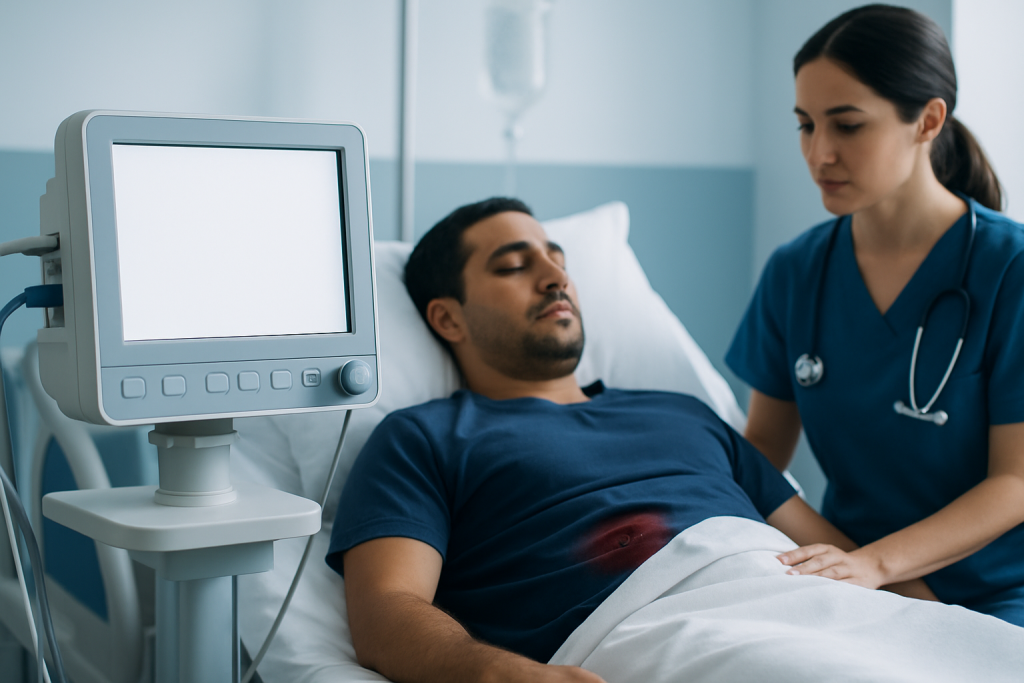
The visible sign is often an entry wound, and sometimes there is also an exit wound. However, the outward appearance can be misleading. A small puncture may hide a deeper tract, while a larger, irregular wound may be associated with significant tissue damage.
Common signs can include:
- Bleeding, ranging from mild to severe
- Pain, swelling, or bruising
- Difficulty moving the affected area
- Shortness of breath if the chest is involved
- Abdominal pain, distention, or vomiting if the abdomen is involved
- Numbness, weakness, or loss of function if nerves are affected
- Pale, cool skin, dizziness, or fainting, which may suggest blood loss or shock
Some symptoms appear later. Infection, increasing redness, drainage, fever, worsening pain, or reduced movement may develop days after the injury. A person who has been shot should not be reassured only by a temporary feeling of improvement; delayed complications are common enough to require medical follow-up.
Causes & Risk Factors

Gunshot wounds are caused by high-energy projectiles entering the body. The extent of injury depends on the type of firearm, distance, bullet velocity, path through the body, and whether bones or major vessels are struck. A projectile may fragment, ricochet, or remain lodged in tissue, all of which can change the treatment plan.
Risk is influenced by circumstances rather than a single personal trait. Situations with higher exposure to firearms, unsafe handling, conflict, or delayed access to emergency services increase the chance of severe outcomes. Alcohol or drug use, lack of protective environments, and living far from trauma care can also complicate response and recovery.
From a medical standpoint, the most important risk factor is not only the injury itself but the possibility of unrecognized internal damage. That is why doctors often approach any gunshot wound with a broad trauma assessment rather than focusing only on the visible entry point.
Diagnosis
Diagnosis starts with a trauma assessment, including airway, breathing, circulation, and neurologic status. Emergency teams check blood pressure, heart rate, oxygen level, mental status, and the amount and location of bleeding. If the person is unstable, treatment may begin before all tests are completed.
Depending on the injury, doctors may use X-rays, CT scans, ultrasound, or other imaging to see the bullet path and identify fractures, internal bleeding, air in the chest, or organ injury. Blood tests can help evaluate blood loss, infection risk, and the need for transfusion or surgery.
When the wound is on the outside of the body but the concern is deeper injury, the examination may still lead to hospital observation even if the person feels relatively well. In international-patient care, this evaluation can also include coordination with family members, interpreters, and prior medical records if the patient was injured while traveling or far from home.
Treatment Options
Treatment depends on location, depth, bleeding, and whether the bullet is still inside the body. The immediate goal is to save life and preserve function. That may mean stopping bleeding, maintaining breathing, giving fluids or blood, and preparing for surgery.
Possible treatments include surgical cleaning of the wound, repair of damaged blood vessels or organs, fracture stabilization, removal of foreign material when appropriate, and closure of the wound. Not every retained bullet must be removed; doctors usually weigh the risks and benefits carefully, especially if the fragment is near nerves, joints, or major vessels.
Supportive care may include pain management, tetanus protection, antibiotics when indicated, and monitoring for infection or bleeding. After the acute phase, rehabilitation may help restore strength, range of motion, walking ability, hand function, or independence in daily activities. Emotional support can also be an important part of treatment, because traumatic injuries often affect sleep, mood, and confidence long after the skin has healed.
Prevention & Self-care
Prevention focuses on firearm safety, secure storage, lawful handling, and reducing exposure to violent situations when possible. Safe storage means keeping firearms unloaded, locked, and separated from ammunition, with access limited to responsible adults. Education and supervision are especially important where children or adolescents may be present.
If a gunshot wound has already occurred, self-care is about following the treatment plan closely. The person should keep follow-up appointments, take prescribed medications as directed, monitor the wound for changes, and avoid strenuous activity until a doctor says it is safe. Wound dressings should be changed exactly as instructed, and the area should be kept clean and dry if that is part of the care plan.
Recovery can be physically and emotionally demanding, especially for patients who return home to another country after treatment. It is helpful to arrange a clear discharge summary, copies of imaging, a list of procedures performed, and contact information for follow-up care before travel. If Acibadem Health Point is part of the care journey, its multidisciplinary specialists and JCI-accredited hospitals can help diagnose and treat gunshot wounds for international patients with coordinated follow-up planning.
When to See a Doctor
A gunshot wound always needs emergency medical evaluation, even if the person seems stable. The safest response is to call emergency services and get to the nearest trauma-capable hospital as quickly as possible. Delaying care can allow bleeding, infection, or hidden organ injury to worsen.
After the initial treatment, a doctor should be contacted promptly if there is increasing pain, fever, spreading redness, drainage, numbness, weakness, trouble breathing, vomiting, new swelling, or difficulty using the affected body part. These symptoms can signal infection, circulation problems, or delayed complications.
People recovering from a gunshot wound may also benefit from follow-up with surgeons, rehabilitation specialists, pain management clinicians, and mental health professionals. This broader team approach is often what helps the body heal and the person regain function with the least possible disruption to daily life.
Frequently asked questions
What should be done first for a gunshot wound?
The first priority is to call emergency services and control severe bleeding if it is safe to do so. The person should be kept still and transported to emergency care as quickly as possible. Even a small wound can hide serious internal injury.
Can a gunshot wound be serious if the bullet does not come out?
Yes. A retained bullet can still damage tissue, blood vessels, bones, or organs, and the absence of an exit wound does not mean the injury is minor. Doctors decide whether removal is needed based on the bullet’s location and the risks involved.
How do doctors check for internal damage after a gunshot wound?
They usually combine a physical exam with imaging such as X-rays, CT scans, or ultrasound. Blood tests and repeated vital sign checks may also be needed. The exact tests depend on where the injury is and whether the person is stable.
How long does recovery take after a gunshot wound?
Recovery time varies widely. It depends on the body part injured, whether surgery was needed, and whether there were complications such as infection or nerve damage. Some people recover in weeks, while others need months of rehabilitation and follow-up.
Is pain normal during healing?
Some pain and discomfort are common, especially in the early stages. The important thing is whether the pain is improving over time or getting worse. Increasing pain, redness, swelling, fever, or new drainage should be checked by a doctor.
Can a person travel after treatment for a gunshot wound?
Sometimes yes, but only when the treating team says it is safe. Before traveling, the person should have a stable condition, clear wound-care instructions, and a plan for follow-up. Copies of scans, discharge notes, and medication lists are especially helpful when care continues in another country.
References
- World Health Organization
- Centers for Disease Control and Prevention
- American College of Surgeons
- National Institute of Justice
- Mayo Clinic
This article is for general information only and is not a substitute for professional medical advice. Please consult a qualified doctor about your individual situation.