Colonoscopy Prep: How To Prepare and What To Expect

Key Takeaways
- Good bowel preparation is essential for a complete and accurate colonoscopy.
- Clear instructions about diet, laxatives, and timing should be followed exactly as given by the care team.
- Mild bloating, frequent stools, and temporary dehydration can happen during prep and usually improve afterward.
- People with diabetes, kidney disease, constipation, or heart conditions may need individualized instructions.
- A poorly prepared bowel can mean the procedure takes longer or may need to be repeated.
Medically reviewed by the Acıbadem clinical team — August 19, 2026
Colonoscopy prep is the bowel-cleaning process that helps the doctor examine the colon clearly and safely. With the right diet, timing, and guidance, most people can complete preparation with less discomfort and fewer surprises.
Overview
Colonoscopy prep is the part of the process most people think about first, and for good reason: the quality of the bowel preparation affects how well the doctor can see the lining of the colon. The goal is simple, even if the steps feel inconvenient — the bowel needs to be as clear as possible so polyps, inflammation, bleeding, or other changes are not hidden by stool or fluid.
In practical terms, preparation usually involves changing what is eaten for a short period, taking a prescribed laxative or bowel-cleansing solution, and sometimes adjusting everyday medicines. Some clinics use split-dose instructions, where the preparation is taken in two parts, because that approach often leaves the colon cleaner by the time of the procedure. The exact plan varies by age, health conditions, and the time of day the colonoscopy is scheduled.
For people traveling from another country, the prep instructions may arrive before the trip and should be reviewed carefully, since food options, language differences, and time zones can make timing confusing. It helps to confirm details early, arrange a companion if sedation is planned, and make space in the schedule for bathroom access and rest.
What Good Prep Usually Feels Like
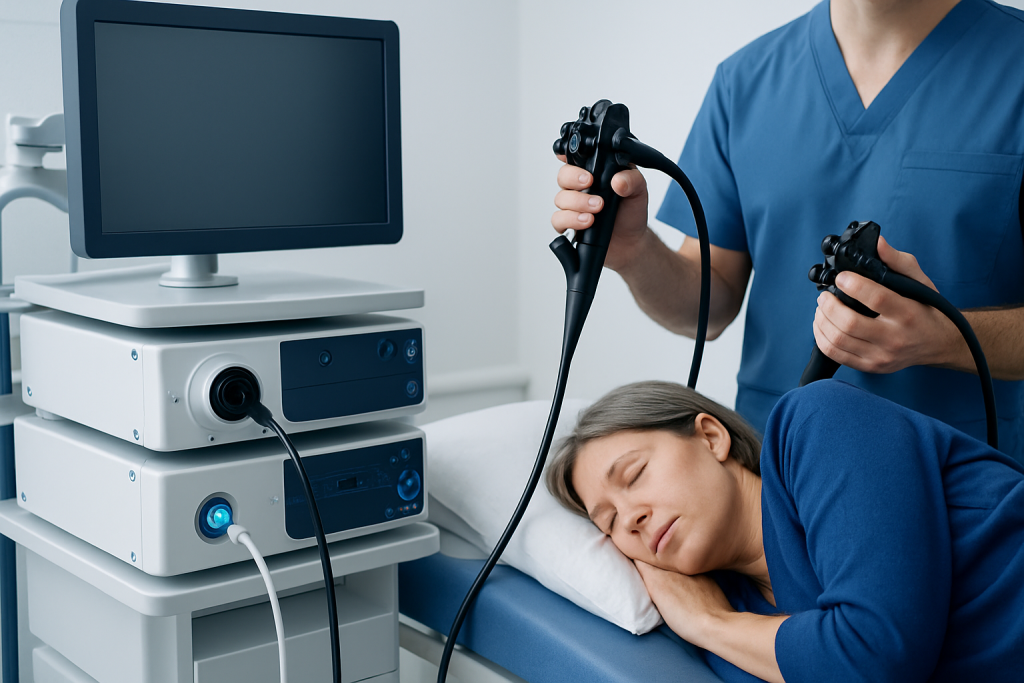
Colonoscopy prep is not intended to be painful, but it is often inconvenient and physically busy. As the bowel empties, frequent bathroom trips are expected, and stool usually becomes progressively looser until it turns watery and pale. This is a sign that the cleansing is working.
Some people notice bloating, cramping, nausea, or a temporary sense of weakness, especially if they are drinking a large volume of solution or not taking enough clear fluids. A mild headache can also occur if eating has been restricted for longer than usual. These effects are usually short-lived and improve after the procedure and rehydration.
It is helpful to think ahead about practical comfort: loose clothing, easy bathroom access, wipes, barrier cream if needed, and a place to rest near the toilet can make the process easier. For patients with sensitive stomachs, chilled solution, a straw, or dividing the drink into smaller intervals may improve tolerance, as long as that still follows the prescribed plan.
Diet Before the Procedure
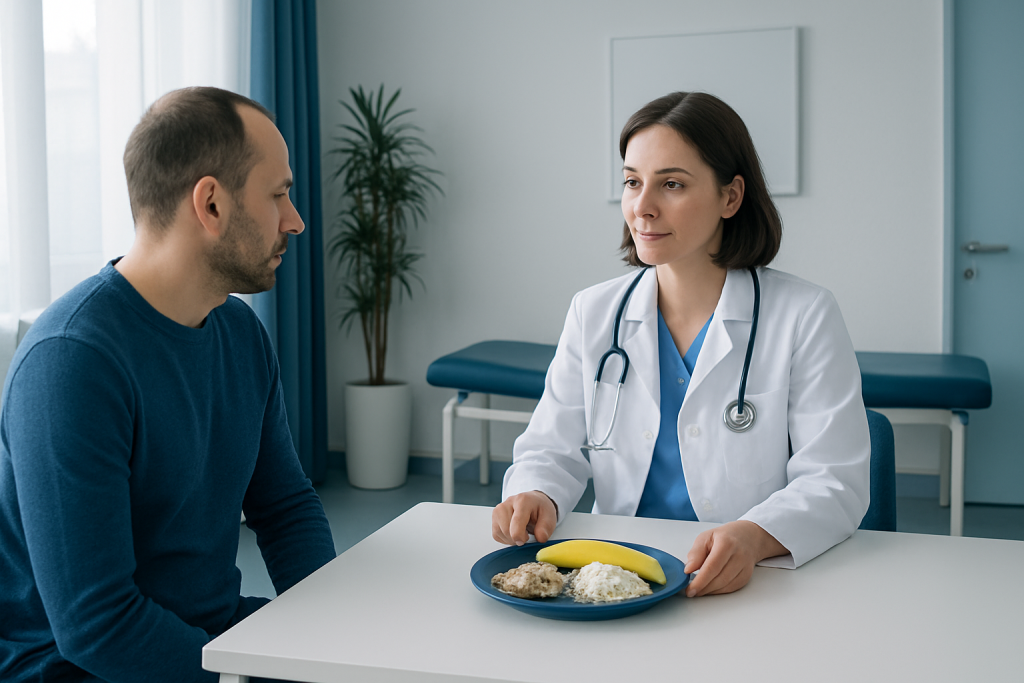
Dietary instructions are often the first part of prep, and they matter because leftover fiber can cling to the colon wall. Many plans begin with a low-residue or low-fiber diet for a period before the exam, followed by clear liquids on the day before, or on the final day before the procedure. The exact timeline depends on the clinic and the patient’s medical background.
Low-fiber choices may include refined grains, eggs, yogurt if allowed, plain chicken, and well-cooked foods without seeds or skins. Foods that are typically restricted include nuts, seeds, corn, raw vegetables, berries, whole grains, and anything with a rough, fibrous texture. Clear liquids usually include water, broth, tea or coffee without milk, clear juice without pulp, and certain sports drinks if permitted by the care team.
- Follow the written diet plan exactly; small changes can affect the final cleansing result.
- Avoid red or purple drinks when instructed, since they can stain the colon lining and confuse the view.
- Check labels carefully because gelatin, juice, and electrolyte drinks may contain ingredients that are not allowed.
Patients who live with diabetes, inflammatory bowel disease, swallowing problems, or a history of constipation may receive adjusted dietary instructions. When care is being coordinated across borders, it is especially useful to ask for the plan in advance so shopping and meal timing can be arranged before the travel day.
Bowel-Cleansing Medicines and Timing
The cleansing medicine is the core of colonoscopy prep. It works by drawing water into the bowel or stimulating the intestines to move stool out, depending on the product used. Many people are given a split-dose schedule, which means part of the solution is taken the evening before and the remainder several hours before the test.
Exact timing matters because the colon starts refilling over time. Taking the final part too early may leave too much residue by the procedure time, while taking it too late may conflict with anesthesia or sedation rules. The clinic’s timing instructions should therefore be followed carefully, even if they seem precise.
Patients are usually advised to stay near a bathroom once the prep begins. It can be useful to keep the solution cold if allowed, sip through a straw, and alternate with permitted clear fluids to reduce the salty or strong taste. If nausea develops, it is better to slow down briefly and contact the care team for guidance than to abandon the plan on one’s own.
Some preparation regimens include tablets, powders, or a combination of methods. People who have had trouble completing prep in the past should tell the doctor early, because a different approach may be more comfortable and more effective.
Symptoms, Side Effects, and What Is Normal
Most side effects of colonoscopy prep are expected and temporary. Frequent watery stools, mild cramping, abdominal fullness, and a sense of tiredness are common during the cleansing period. These symptoms usually mean the bowel is emptying as intended.
Dehydration is the main issue to watch for, especially if the person is not drinking enough clear fluids. Dry mouth, dizziness when standing, dark urine, or marked weakness can suggest that fluids need to be increased and the care team should be updated. People with kidney disease, heart failure, or other fluid-related conditions need especially individualized advice.
Less commonly, people may have vomiting, severe abdominal pain, or an inability to keep the prep down. Those symptoms are not something to simply push through. If they occur, the doctor or clinic should be contacted promptly for instructions, since an alternative plan may be needed.
It is also normal for bowel movements to continue until fairly close to the procedure. Many patients worry that the continued output means something is wrong, but in most cases it is simply the last stage of the cleanout.
How Doctors Decide if Prep Is Good Enough
The medical team checks the quality of the bowel preparation during the colonoscopy itself. The colon needs to be clear enough for the doctor to inspect the lining, identify small polyps, and examine areas of concern without obstruction. If the bowel is not sufficiently clean, the procedure may take longer or be less complete.
Several factors can make prep more difficult: chronic constipation, prior abdominal surgery, certain pain medicines, diabetes, delayed stomach emptying, and previous incomplete colonoscopy. Age alone does not determine how well someone will do, but individual health patterns often influence the prep plan.
When a patient has a history of poor bowel cleansing, the doctor may recommend an earlier diet change, extra instructions, a different laxative approach, or more discussion about medication adjustments. The aim is not to make prep harder, but to make the exam more useful and reduce the chance of repeating it.
Prevention & Self-care Before and After the Procedure
Good preparation starts before the prep solution is opened. Reading the instructions in advance, checking whether any medicines need to be held or adjusted, and arranging transport home if sedation is planned can remove much of the stress on the day of the test. People who are traveling should confirm arrival time, clinic contact details, and the language available for instructions or consent.
During prep, staying hydrated with approved clear liquids is one of the most helpful self-care steps. A chilled drink, small sips at regular intervals, and a calm pace can improve tolerance. It is also sensible to stay near a bathroom, protect the skin around the anus with gentle cleansing, and rest when needed.
After the colonoscopy, eating usually resumes gradually as advised by the care team. Light meals are often easier at first, especially if sedation was used. Mild bloating from air introduced during the procedure may pass within hours. If the doctor removed a polyp or gave specific aftercare instructions, those should be followed exactly.
Acibadem Health Point’s multidisciplinary specialists and JCI-accredited hospitals support international patients who need colonoscopy evaluation, preparation guidance, and follow-up care, with instructions adapted to the individual plan.
When to See a Doctor
Patients should contact a doctor or the colonoscopy team if they cannot keep the prep down, develop severe abdominal pain, feel faint, or show signs of significant dehydration. Any sudden change that feels more than mild discomfort deserves a call, especially in people with kidney, heart, or diabetes-related conditions.
It is also important to ask for help if the instructions are unclear. That includes uncertainty about which foods are allowed, when to stop eating, when to take the laxative, or how to handle prescription medicines such as insulin, blood thinners, or blood pressure tablets. Clarifying these details early helps avoid cancellations and improves the chance of a successful exam.
After the procedure, medical advice should be sought for persistent abdominal pain, heavy bleeding, fever, or worsening weakness. While mild cramping or a small amount of bleeding after certain procedures may be expected, the care team should explain what is normal for each person’s situation.
A Practical Final Word
Colonoscopy prep is often remembered as the least appealing part of the journey, but it is also the part that most directly affects how useful the exam will be. Clear instructions, enough fluids, and a schedule that fits the person’s health needs can make the experience more manageable and more effective.
For patients crossing borders for care, preparation is not only medical but logistical: medication timing, meal planning, transport, and recovery all matter. A good plan makes the day of the colonoscopy feel more predictable and helps the doctor focus on what matters most — a careful, accurate look at the colon.
Frequently asked questions
How long does colonoscopy prep usually take?
The preparation itself often starts one or more days before the colonoscopy, depending on the clinic’s instructions. The bowel-cleansing medicine is usually taken the day before and sometimes again the morning of the procedure. The exact timing depends on the test schedule and the person’s health needs.
Can someone drink water during colonoscopy prep?
In many prep plans, clear liquids such as water are encouraged up to a certain point before the procedure. However, each clinic has its own fasting rules, especially if sedation will be used. The written instructions should always be followed exactly.
Why is split-dose prep often recommended?
Split-dose prep divides the cleansing medicine into two parts, which can help keep the colon cleaner closer to the time of the procedure. That often improves visibility during the exam. Not every patient uses the same plan, so the doctor chooses the method that best fits the situation.
What should a person do if the prep causes nausea?
Mild nausea can happen, especially if the solution is large or tastes unpleasant. Slowing the pace briefly, chilling the drink if allowed, and taking small sips of permitted clear fluids may help. If vomiting occurs or the prep cannot be finished, the clinic should be contacted for advice.
Is constipation a reason colonoscopy prep may be harder?
Yes, constipation can make the bowel harder to clear and may require a different prep plan. People with a history of infrequent stools should tell the doctor before the procedure. Extra guidance may help make the cleansing more effective.
Can regular medicines be taken during colonoscopy prep?
Some medicines can be continued, while others may need adjustment or temporary holding. This is especially important for diabetes medicines, blood thinners, and certain heart or kidney medications. The patient should ask the doctor for a medicine-by-medicine plan rather than guessing.
References
- Mayo Clinic
- American Society for Gastrointestinal Endoscopy
- National Institute of Diabetes and Digestive and Kidney Diseases
- World Health Organization
This article is for general information only and is not a substitute for professional medical advice. Please consult a qualified doctor about your individual situation.
Colonoscopy in Turkey — costs, top hospitals & a free quote
JCI-accredited · board-certified surgeons · reply within 24h
Add us as a Preferred Source to see more of our trusted health content across Google Search, AI Overviews and Discover.