Does Your Heart Stop When You Sneeze

Key Takeaways
- A sneeze does not normally stop the heart; it briefly changes pressure in the chest and blood flow.
- A momentary skipped-beat sensation after sneezing is often related to a normal reflex, not a heart emergency.
- Repeated palpitations, fainting, chest pain, or shortness of breath deserve medical review.
- People with known heart disease, dizziness, or rhythm problems should mention sneeze-related symptoms to a doctor.
- Good allergy control, hydration, and awareness of triggers can make sneezing episodes less uncomfortable.
Medically reviewed by the Acıbadem clinical team — August 19, 2026
A sneeze can feel abrupt enough to make the chest tighten or the heartbeat seem to pause, but the heart does not usually stop. The body’s pressure and nerve reflexes briefly change heart rhythm and blood flow, which is usually harmless in healthy people.
Overview
The question sounds dramatic, but the answer is reassuring: a sneeze does not usually make the heart stop. What many people notice is a brief shift in the chest — a thump, a pause, or an odd flutter — caused by the sudden pressure change that accompanies the sneeze itself.
A sneeze is a powerful reflex. The lungs, chest wall, throat, and blood vessels all react in a split second, and the heart responds to that movement. In most healthy adults, this response is short-lived and harmless. It can feel unusual, though, especially if the sneeze is forceful, repeated, or happens when a person is already anxious, congested, or tired.
For international patients deciding whether they need evaluation, the practical question is less about the sneeze and more about the pattern. Occasional odd beats after sneezing are common. Symptoms that come with fainting, chest discomfort, or a known heart condition deserve a more careful look, even if the sneeze seemed to trigger them.
What Actually Happens During a Sneeze
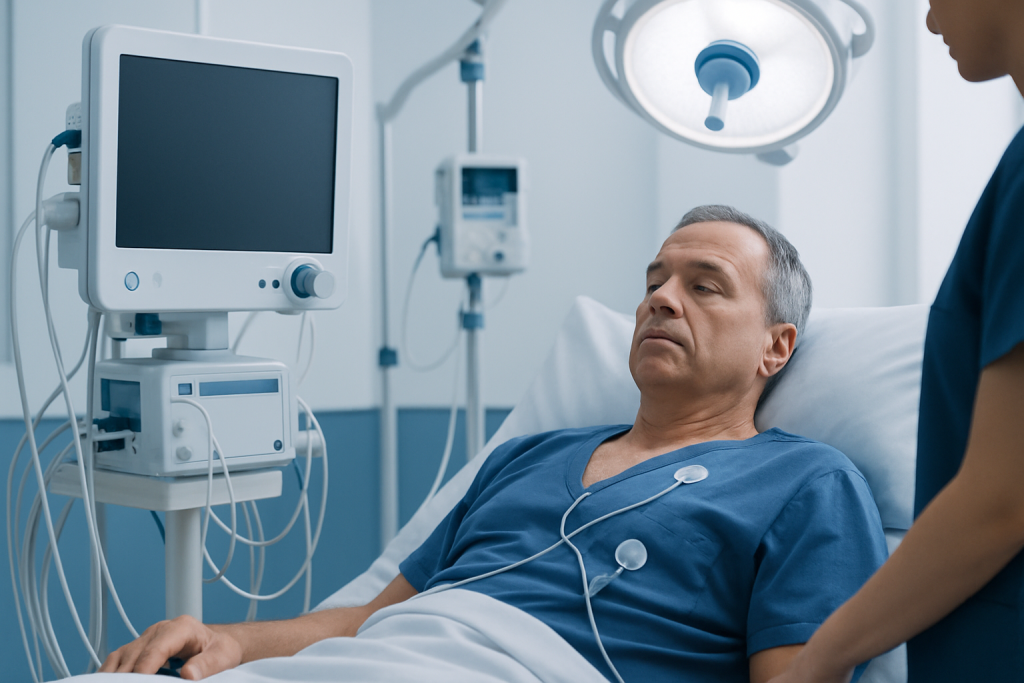
A sneeze begins in the nervous system, not the heart. Irritation inside the nose or sinuses activates a reflex that sends a rapid signal through the brainstem, prompting a deep breath, closure of the airway, and a sudden release of air. That release briefly increases pressure inside the chest and abdomen.
Because the chest pressure changes so quickly, blood returning to the heart can momentarily shift. This can alter the timing of a heartbeat by a fraction of a second. Some people feel it as a skipped beat; others notice a stronger beat right after the sneeze. The sensation can be startling, but it is usually the body’s normal reflex at work.
A sneezing fit may also affect the vagus nerve, which helps regulate heart rate. In some people, that nerve response can slow the pulse for a brief moment. Again, this is generally transient. It is not the same as the heart “stopping,” and it does not usually damage the heart.
Symptoms People Commonly Notice
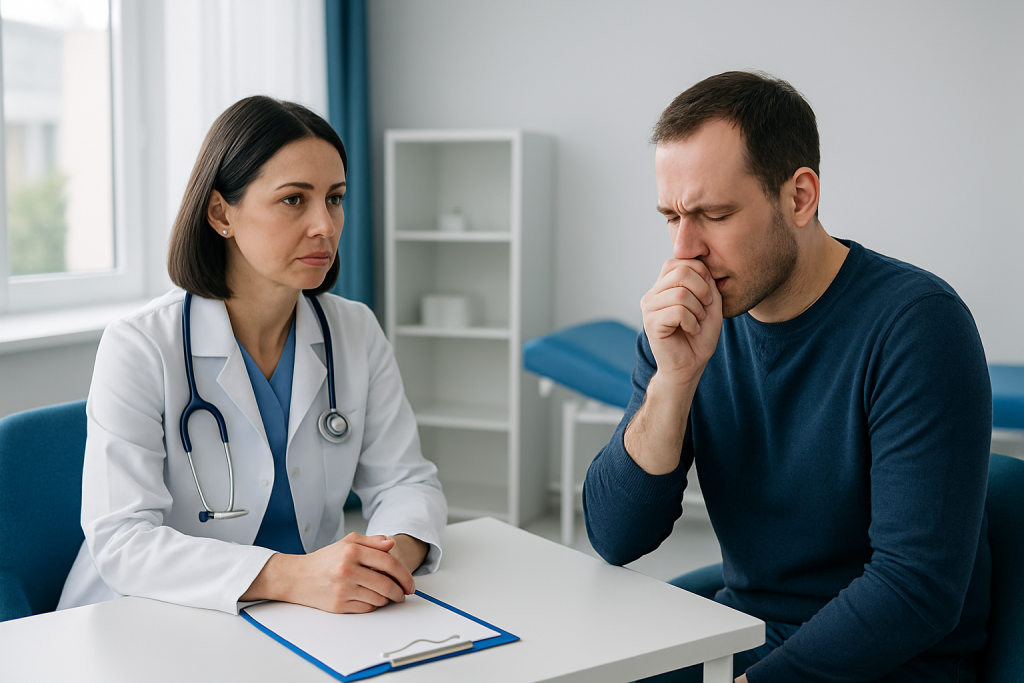
People often describe a sneeze-related heart sensation in very different ways. One person may feel a single thump. Another may feel as if the heart “flipped” or briefly paused. Some notice chest tightness because the muscles used for the sneeze contract forcefully across the ribs and upper abdomen.
Common, usually benign sensations include:
- a brief skipped-beat feeling after sneezing
- a stronger beat immediately after the sneeze
- transient chest or rib muscle soreness after repeated sneezing
- a momentary lightheaded feeling from the force of the sneeze
Less typical symptoms include ongoing palpitations, prolonged dizziness, fainting, chest pain, or shortness of breath. Those features are not explained well by a simple sneeze reflex alone and should be assessed by a clinician.
Causes & Risk Factors
The most common reason a sneeze seems connected to the heart is the mechanical effect of pressure. The body is briefly compressed, blood flow changes for a moment, and the heartbeat may be felt more clearly. People who are sensitive to normal body sensations may notice this more than others.
Certain factors can make the experience more noticeable:
- allergies, colds, or sinus irritation that cause frequent sneezing
- dehydration, which can make palpitations more noticeable
- anxiety, which can heighten awareness of the heartbeat
- fatigue, caffeine, or other common triggers of extra beats
- known arrhythmias or structural heart disease
In rare situations, a sneeze can trigger an abnormal rhythm in someone already prone to rhythm problems. That does not mean sneezing is dangerous for most people; it means the underlying heart condition deserves attention. If a person already has a pacemaker, a history of fainting, or documented arrhythmia, new symptoms should be discussed with a cardiologist.
How Doctors Evaluate It
Evaluation usually starts with a careful history. A doctor will want to know what the person felt, whether the sensation happened once or repeatedly, and whether there were symptoms such as dizziness, chest pressure, or fainting. The timing matters as well: a single odd beat after a hard sneeze is very different from palpitations that happen throughout the day.
The physical examination may include checking the pulse and listening to the heart and lungs. Depending on the story, further testing may be suggested, such as an electrocardiogram (ECG), ambulatory heart monitoring, or blood tests if another medical issue is suspected. If allergies or sinus problems are causing constant sneezing, that may also be part of the evaluation.
For patients traveling from abroad, it is helpful to bring a list of symptoms, existing diagnoses, previous ECGs or medication lists, and a brief timeline of when the sneezing-related sensations began. That kind of detail can help the care team decide whether the symptom is likely a normal reflex or something that needs closer follow-up.
Treatment Options
There is no treatment needed for a one-off, harmless sneeze-related heartbeat sensation. When the cause is the normal pressure change of sneezing, reassurance and observation are often enough. The focus shifts to the trigger behind the sneezing or any underlying rhythm issue if one exists.
If allergies, nasal irritation, or a cold are causing repeated sneezing, treating that source may reduce the chest sensations that come with it. If a person has palpitations from a diagnosed rhythm problem, the doctor may discuss heart monitoring, medication review, or other standard cardiology care. Treatment should always be individualized rather than based on the sneeze alone.
When the symptom appears alongside an underlying condition, management may involve both cardiology and primary care or ENT support. That broader approach is especially useful for patients who are trying to coordinate care across countries and want a clear plan for follow-up after returning home.
Prevention & Self-care
It is not possible to prevent every sneeze, but it is often possible to reduce how disruptive sneezing feels. Managing allergies, staying hydrated, and avoiding known irritants such as smoke or strong fragrances can lower the frequency of sneezing spells. People who notice heart flutters with caffeine, poor sleep, or stress may find those general rhythm triggers worth addressing too.
Simple self-care steps can also help during an episode. Sitting down if lightheaded, breathing slowly after the sneeze, and giving the chest muscles time to relax may make the experience less unsettling. If the person tends to sneeze in clusters, controlling nasal irritation may be more useful than focusing on the heartbeat sensation itself.
For anyone with a known heart condition, it is sensible to keep regular follow-up appointments and mention any new symptom pattern. Keeping a brief symptom log — what happened, how long it lasted, and what else was felt — can be very useful if specialist review is needed later.
When to See a Doctor
Medical advice is sensible if sneeze-related symptoms are recurrent, becoming more intense, or paired with other Heart Attack Warning Signs: Symptoms and When to Seek Help" class="ahp-ilk">warning signs. A doctor should review the situation if the person feels faint, has chest pain, notices shortness of breath, or experiences an irregular heartbeat that lasts beyond the sneeze itself.
It is also important to seek assessment if the person has a history of heart disease, arrhythmia, fainting episodes, or a pacemaker/implanted device. New symptoms in those settings are worth checking even when a sneeze seems to be the trigger. The goal is not to assume danger; it is to avoid missing a separate issue that deserves treatment.
Acibadem Health Point’s multidisciplinary specialists and JCI-accredited hospitals support international patients who need diagnosis and treatment for heart-related concerns, including rhythm symptoms that may feel confusing or sudden. A structured cardiology evaluation can bring clarity and help determine whether the symptom is simply a reflex or part of a broader heart problem.
Bottom Line
A sneeze can briefly change chest pressure, blood flow, and nerve signals, which may make the heartbeat feel strange for a moment. That sensation is usually normal and short-lived. The heart does not typically stop when a person sneezes.
What matters most is the context. If the symptom happens once and fades immediately, it is usually not concerning. If it comes with chest pain, fainting, or persistent palpitations, a medical evaluation is the right next step.
Understanding the body’s reflexes can make the experience less alarming and help people decide when reassurance is enough and when a doctor should be involved.
Frequently asked questions
Does your heart actually stop when you sneeze?
No, the heart does not usually stop when a person sneezes. A sneeze can briefly change pressure in the chest and affect the timing of a heartbeat, which may feel like a pause or a thump. In healthy people, this is usually a normal, short-lived reflex.
Why does my heart feel like it skips a beat after sneezing?
The sudden pressure from sneezing can change blood flow and make a normal extra beat or brief pause more noticeable. Many people describe this as a skipped beat, but it often reflects a harmless rhythm change rather than a dangerous problem. If it happens often, it is worth discussing with a doctor.
Can sneezing trigger an arrhythmia?
Most people will not develop an arrhythmia from sneezing alone. In someone who already has a tendency toward rhythm problems, the reflexes involved in a sneeze may make symptoms more noticeable. Recurrent palpitations or fainting should be evaluated.
Should chest pain after sneezing be ignored?
No. Mild muscle soreness from a forceful sneeze can happen, but chest pain that is severe, persistent, or associated with shortness of breath, sweating, or dizziness should be checked promptly. A clinician can help tell the difference between muscle strain and a heart-related symptom.
What can reduce the weird heart sensation when I sneeze?
Treating the cause of the sneezing, such as allergies or a cold, may help. Staying hydrated, resting, and avoiding common palpitations triggers like excess caffeine may also make the sensation less noticeable. If symptoms continue, medical review is sensible.
When is the symptom more concerning?
It is more concerning when the feeling lasts beyond the sneeze, keeps recurring, or comes with fainting, chest pain, shortness of breath, or a known heart condition. In those situations, a doctor may recommend an ECG or other heart monitoring. A clear evaluation can provide reassurance or identify a problem early.
References
- American Heart Association
- Mayo Clinic
- National Heart, Lung, and Blood Institute
- Cleveland Clinic
- Merck Manual Professional Edition
This article is for general information only and is not a substitute for professional medical advice. Please consult a qualified doctor about your individual situation.
Explore treatments in Turkey — costs, top hospitals & a free quote
JCI-accredited · board-certified surgeons · reply within 24h
Add us as a Preferred Source to see more of our trusted health content across Google Search, AI Overviews and Discover.