Chayote: Meaning and Nutrition

Key Takeaways
- Chayote is a type of squash with a mild taste and a crisp-to-soft texture depending on how it is cooked.
- It contains water, fiber, and several vitamins and minerals that can support balanced eating.
- Most people can enjoy chayote as part of a varied diet, but portion size and preparation method matter.
- Chayote is not a treatment for medical conditions, although it can fit well into heart-healthy and weight-conscious meal plans.
- People with food allergies, kidney disease, or specific dietary restrictions should ask a clinician if chayote is appropriate for them.
Medically reviewed by the Acıbadem clinical team — August 19, 2026
Chayote is a mild, versatile squash that appears in many cuisines and is valued for its light texture and nutrient content. Understanding its meaning goes beyond the name: it includes how this vegetable is used, what it provides nutritionally, and when people may need to be cautious with it.
Overview
Chayote meaning depends on the context in which the word is used. In everyday food culture, chayote refers to a pale green, pear-shaped squash that is eaten as a vegetable. It is known by many names around the world, and in kitchens it is appreciated for a gentle flavor that blends easily into soups, salads, stir-fries, and stews.
From a nutrition perspective, chayote is often chosen because it is light, adaptable, and easy to pair with other ingredients. It is not a dramatic or strongly flavored vegetable, but that is part of its appeal: it can take on seasonings well while contributing texture and some useful nutrients to meals.
For people learning about chayote while planning food choices during travel, recovery, or long-term wellness routines, it helps to think of it as a practical everyday vegetable rather than a specialty item. It is usually cooked before eating, although some preparations use it raw when it is very fresh and thinly sliced.
What chayote is and what the name means
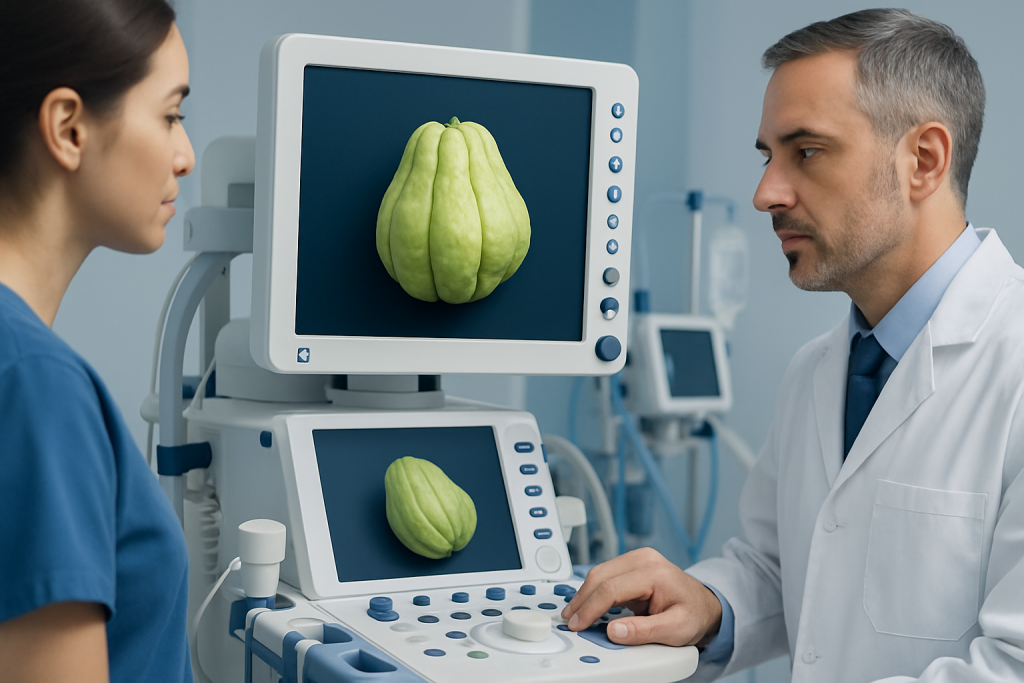
Chayote belongs to the gourd family and is botanically related to squash and pumpkin. The fruit is commonly treated as a vegetable in cooking, which can create confusion when people first encounter the term. Its name varies by region, and local food traditions may describe it differently depending on the language and culinary use.
In broad use, the “meaning” of chayote is simple: it identifies a mild, edible squash that can be eaten whole or in parts, including the flesh, skin, and sometimes the seed when prepared appropriately. The plant is valued in many countries because it grows well in warm climates and works in both savory and lightly sweet dishes.
Because the word is used differently across cultures, travelers may see chayote on menus, in markets, or in packaged foods under names they do not immediately recognize. When in doubt, asking how it is prepared is often more useful than focusing only on the name itself.
Nutrition profile and possible health benefits

Chayote is naturally low in calories and contains water, fiber, and a range of micronutrients. It may provide vitamin C, folate, potassium, and small amounts of other vitamins and plant compounds, although the exact profile depends on the variety, freshness, and cooking method. Because of its mild flavor and texture, it can be an easy way to add vegetables to a meal without making the dish feel heavy.
Its fiber content may support fullness and digestive regularity when it is part of a balanced diet. The water content can also make it a refreshing addition to meals, especially in warm climates or during periods when heavier foods are less appealing. For some people, this makes chayote a helpful swap for more refined or highly processed sides.
Possible benefits are best understood as part of overall eating patterns rather than as a standalone effect. Chayote can contribute to healthier meals, but it does not replace medical treatment, and it should not be viewed as a cure for blood sugar problems, high blood pressure, or other conditions.
- May help meals feel more filling because of its fiber
- Can support variety in vegetable intake
- Fits well into lighter cooking styles
- Works in both cooked and raw preparations, depending on freshness
Common ways chayote is used in food
One reason chayote remains popular is its flexibility in the kitchen. It can be boiled, steamed, roasted, sautéed, stuffed, or added to soups and casseroles. When cooked, the texture becomes soft and slightly crisp rather than mushy if prepared carefully, which makes it useful in both simple home meals and more elaborate dishes.
Raw chayote is sometimes shredded or thinly sliced into salads, especially when it is young and tender. It may also be blended into soups or paired with herbs, citrus, garlic, and light spices. Its subtle taste allows it to absorb flavors from broth, sauces, and seasonings without dominating the dish.
For people eating away from home, chayote may appear in regional dishes prepared with oil, salt, cheese, or meat. Those details matter more to overall nutrition than the vegetable itself. A helpful approach is to look at the full plate, not only the ingredient name.
Who may need to be cautious
Most people can include chayote as part of a normal diet. Even so, some individuals may need to be thoughtful about portion size or preparation method. For example, a person following a low-potassium diet because of Kidney Disease Treatment" class="ahp-ilk">kidney disease may need to ask a clinician or dietitian whether chayote fits their meal plan.
Food allergies are uncommon but possible with many plant foods. Anyone who notices itching, swelling, stomach upset, or breathing changes after eating chayote should stop eating it and seek medical advice. If a person is already managing multiple dietary restrictions, especially after surgery or during a medical recovery, it is sensible to review new foods with the care team.
People with diabetes can usually eat chayote, but the broader meal context matters. It is best to consider the accompanying starches, sauces, and portion sizes rather than assuming any one vegetable will have a major effect on blood sugar on its own.
How to choose, prepare, and store it
Fresh chayote should feel firm and look smooth, with skin that is free from deep wrinkles, mold, or soft spots. Smaller, younger chayotes are often more tender, while larger ones may have a firmer texture. If the skin is very wrinkled, the flesh may be less moist, although it can still be cooked in many dishes.
Before cooking, it is usually washed well and trimmed as needed. Some people peel it, while others leave the skin on if it is tender. The seed is edible when cooked in many preparations, though recipes vary by region and personal preference. Like many vegetables, chayote is best used soon after purchase for the freshest taste.
It can be stored in a cool, dry place for a short time or refrigerated, depending on local kitchen conditions and how ripe it is. Once cut, it should be covered and chilled to keep it fresh and safe. If a person is preparing food during travel, simple cooking methods such as steaming or sautéing may be easier to manage than more complex recipes.
Prevention, self-care, and practical eating habits
There is no special prevention program related to chayote itself, but it can support broader self-care goals when included in a balanced pattern of eating. A plate that includes vegetables, lean protein, healthy fats, and appropriate carbohydrates is generally more helpful than focusing on one “superfood.” Chayote can be one piece of that larger picture.
People aiming for heart-conscious or weight-conscious eating may appreciate chayote because it is naturally light and easy to pair with flavorful but moderate ingredients. Roasting with herbs, simmering in broth, or adding it to mixed vegetables can keep meals satisfying without relying too heavily on salt or rich sauces.
For international patients or travelers managing diet changes, simple familiar vegetables can make recovery meals easier to tolerate. If a person has been advised to follow a specific plan after treatment, surgery, or hospitalization, it is wise to confirm whether chayote suits that plan before making it a regular part of meals.
When to see a doctor
A doctor or dietitian should be consulted if chayote appears to trigger allergy-like symptoms, digestive discomfort that is repeated or severe, or concerns related to a medical condition such as kidney disease. New food reactions should not be ignored, especially if they occur alongside swelling, hives, or breathing difficulty.
Medical advice is also useful when a person is following a therapeutic diet and wants to know how chayote fits into it. This is especially important for people with diabetes, kidney disease, gastrointestinal conditions, or eating restrictions after surgery. A qualified clinician can help determine whether the vegetable is appropriate and in what form.
When care is being organized from another country, having a clear nutrition plan can reduce stress and make recovery more predictable. Acibadem Health Point’s multidisciplinary specialists and JCI-accredited hospitals can help diagnose and treat related medical needs for international patients, while also supporting practical questions about diet and follow-up care.
Frequently asked questions
Is chayote a fruit or a vegetable?
Botanically, chayote is a fruit because it develops from the flower of the plant. In cooking, however, it is usually treated as a vegetable because it is used in savory dishes.
Can chayote be eaten raw?
Yes, in some cases it can be eaten raw, especially when it is fresh and tender. Many people prefer it cooked because the flavor and texture become milder and easier to enjoy.
Is chayote good for weight management?
It can fit well into a weight-conscious eating plan because it is low in calories and adds volume to meals. Still, overall meal choices and portion sizes matter more than any single ingredient.
Does chayote help control blood sugar?
Chayote is not a treatment for diabetes or blood sugar control. It may be included in a balanced meal, but people with diabetes should follow their clinician’s advice on total carbohydrate intake and meal planning.
Are there any side effects from eating chayote?
Most people tolerate it well. Side effects are uncommon, but food allergies or digestive discomfort can happen, and any unusual reaction should be discussed with a doctor.
How should chayote be prepared for the best nutrition?
Gentle cooking methods such as steaming, sautéing, or light roasting can help preserve its texture and make it easy to digest. Keeping added salt and heavy sauces moderate is a practical way to keep the dish balanced.
References
- World Health Organization
- U.S. Department of Agriculture FoodData Central
- National Institutes of Health Office of Dietary Supplements
- Academy of Nutrition and Dietetics
This article is for general information only and is not a substitute for professional medical advice. Please consult a qualified doctor about your individual situation.
Explore treatments in Turkey — costs, top hospitals & a free quote
JCI-accredited · board-certified surgeons · reply within 24h
Add us as a Preferred Source to see more of our trusted health content across Google Search, AI Overviews and Discover.