Gall: Meaning and Medical Uses

Key Takeaways
- Gall commonly refers to gallstones, which may form quietly before causing symptoms.
- Pain is often felt in the upper right abdomen and may follow a meal, especially a fatty one.
- Diagnosis usually involves a medical history, physical examination, and imaging such as ultrasound.
- Treatment ranges from watchful waiting to gallbladder removal, depending on symptoms and complications.
- Lifestyle choices may reduce discomfort, but they do not dissolve existing gallstones.
Medically reviewed by the Acıbadem clinical team — August 19, 2026
Gall usually refers to gallstones or gallbladder-related problems that can cause pain, nausea, and digestive discomfort. Many people can manage symptoms safely once the condition is identified, and treatment depends on whether the stones are causing blockage, inflammation, or recurring attacks.
Overview
In everyday language, “gall” often points to a problem with the gallbladder, most commonly gallstones. The gallbladder is a small organ beneath the liver that stores bile, a fluid that helps digest fat. When this system is interrupted, a person may develop pain, nausea, or digestive upset that can appear suddenly and then settle down again.
For many people, gallstones are discovered only after an episode of discomfort. Others learn about them while having an ultrasound for a different reason. Understanding what the gallbladder does, and how stones can interfere with that process, helps patients make clearer decisions about testing, treatment, and travel for care if they are seeking a specialist opinion abroad.
Not every gallstone needs urgent treatment. The key question is whether the stones are causing symptoms or complications. That distinction usually guides whether a doctor recommends observation, medication for symptom relief, or a procedure to remove the gallbladder.
Symptoms
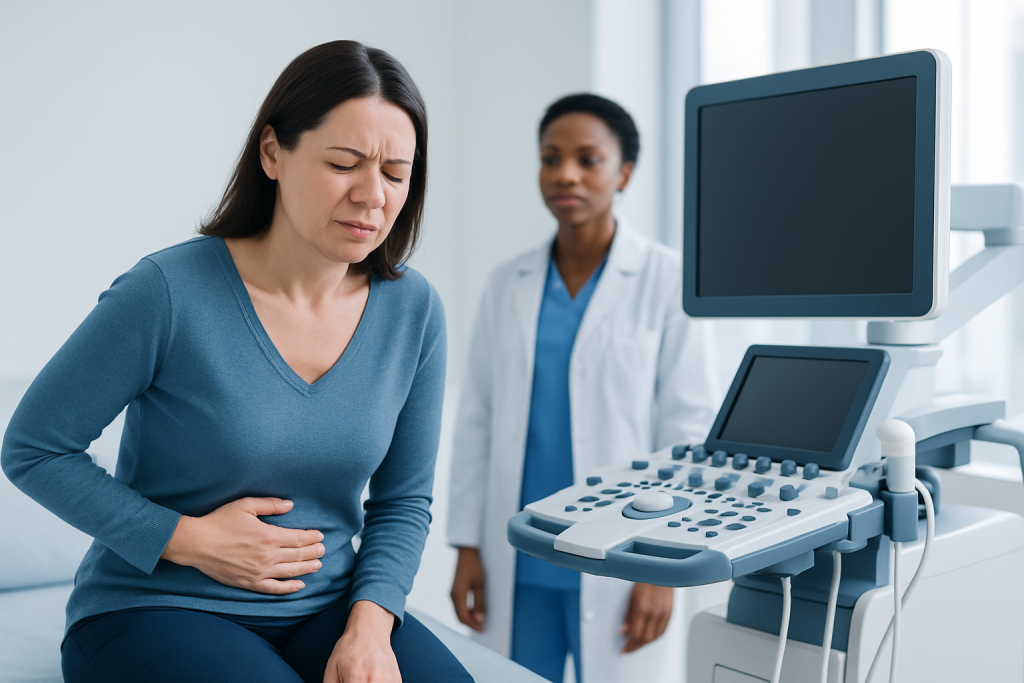
Gallbladder symptoms can be brief and easy to mistake for ordinary indigestion. A classic attack often causes steady pain in the upper right abdomen or the upper middle abdomen, sometimes spreading to the back or right shoulder. The discomfort may begin after eating, especially after a rich or fatty meal, and may last from minutes to several hours.
Other symptoms may include nausea, vomiting, bloating, and a feeling of fullness. Some people notice that deep breaths or movement make the pain feel worse. Between attacks, many feel completely well, which is one reason gallstone problems can be overlooked at first.
- Pain in the upper right or upper central abdomen
- Pain that may spread to the back or shoulder
- Nausea or vomiting
- Bloating or indigestion-like discomfort
- Pain that comes in episodes rather than staying constant
If a gallstone blocks a duct or leads to infection, symptoms may become more intense and persistent. Fever, jaundice, or ongoing pain deserve prompt medical attention, because they can signal a complication rather than a simple attack.
Causes & Risk Factors
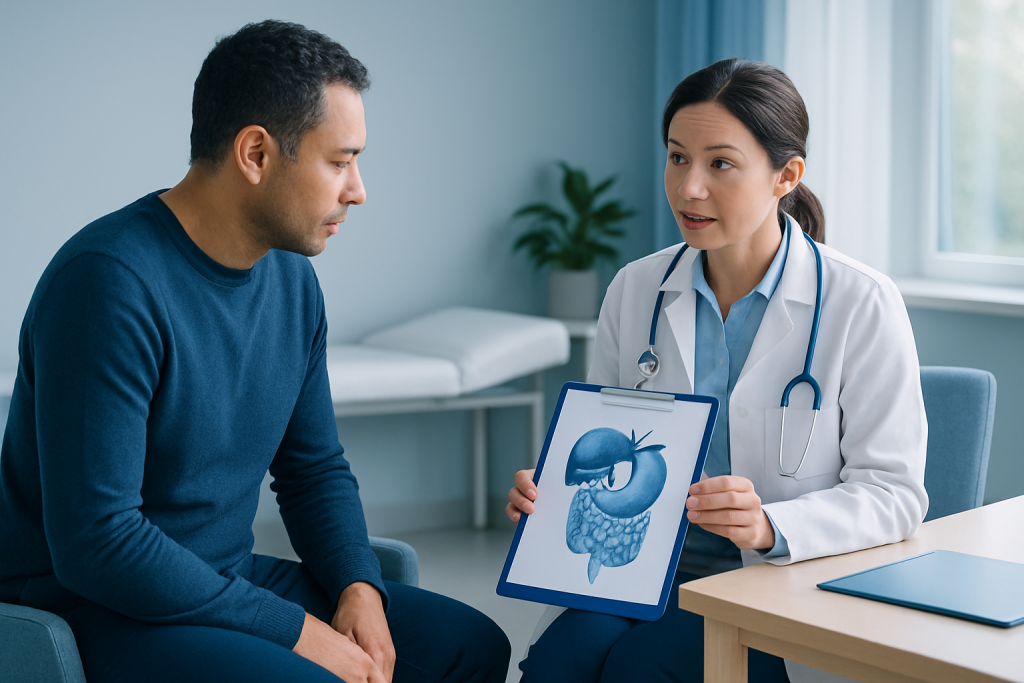
Gallstones form when substances in bile, especially cholesterol or bilirubin, become imbalanced and harden into stones. Some stones are small and numerous; others are larger and fewer. They may stay in the gallbladder without causing trouble, or they may move and block the flow of bile.
Certain factors make gallstones more likely. These include being female, having a family history of gallstones, pregnancy, obesity, rapid weight loss, and some medical conditions that affect blood cells or the intestines. Age can also play a role, and gallstones become more common over time.
Risk factors do not determine a person’s outcome on their own. Many people with one or more risk factors never develop symptoms, while others with few obvious risks do. That is why evaluation focuses not just on background risk, but also on the pattern and timing of symptoms.
Diagnosis
Diagnosis usually begins with a careful conversation about the pain: where it is, how long it lasts, what seems to trigger it, and whether there are related symptoms such as nausea, fever, or yellowing of the skin. A doctor will also review medical history and perform a physical examination to look for tenderness or signs of inflammation.
An abdominal ultrasound is the most common test used to confirm gallstones. It is noninvasive and can show stones in the gallbladder, thickening of the gallbladder wall, or signs that a duct may be blocked. In some situations, blood tests are ordered to look for infection, liver irritation, or blockage of bile flow.
If the picture is less straightforward, additional imaging or specialized tests may be needed. This can be especially helpful for international patients arranging care from another country, because a well-planned diagnostic visit can prevent unnecessary delays and help the specialist team choose the most efficient next step.
Treatment Options
Treatment depends on whether the gallstones are causing symptoms and whether complications are present. If stones are found incidentally and are not causing problems, a doctor may recommend observation. When pain episodes are recurring or complications develop, treatment is more active.
The most definitive treatment is gallbladder removal, called cholecystectomy. It is commonly performed using minimally invasive techniques, when appropriate, and many patients recover well after a short hospital stay. Removing the gallbladder prevents future gallstone attacks because stones form in the gallbladder itself.
In selected cases, supportive care may be used to manage symptoms while a treatment plan is made. This might include temporary dietary changes, fluids, or treatment for infection if needed. A small number of patients who are not good candidates for surgery may be managed with other approaches, but these are not suitable for every type of gallstone problem.
When patients are traveling for care, it helps to discuss the full pathway in advance: diagnosis, procedure timing, expected recovery, and follow-up after returning home. That makes planning more predictable and allows the care team to coordinate around language support, records, and aftercare instructions.
Prevention & Self-care
Once gallstones exist, lifestyle changes usually cannot dissolve them. Still, self-care can lower the chance of symptoms becoming more frequent and may support overall digestive comfort. Regular meals, gradual weight management, and a balanced diet are commonly advised.
Very rapid weight loss can increase gallstone risk, so weight changes are best approached steadily rather than through extreme dieting. Some people also notice that heavy, greasy meals seem to provoke discomfort, in which case smaller portions and lighter foods may be easier to tolerate.
- Choose balanced meals rather than long fasting periods
- Aim for gradual, sustainable weight changes
- Notice and limit foods that clearly trigger symptoms
- Stay hydrated and maintain regular follow-up if stones are known
Self-care should be viewed as support, not a substitute for medical assessment. If pain episodes are happening more often, a doctor should review whether the pattern suggests ongoing blockage or inflammation.
When to See a Doctor
A doctor should be consulted when abdominal pain is repeated, severe, or linked to meals in a way that suggests gallbladder trouble. Even if symptoms come and go, recurring attacks are worth evaluating because they may become more disruptive over time.
Urgent medical assessment is important if pain is accompanied by fever, chills, yellowing of the skin or eyes, dark urine, pale stools, persistent vomiting, or pain that does not ease. These can be signs of infection or a blocked bile duct and should not be ignored.
Patients planning Varicose Vein Treatment Abroad: When Stockings Are Enough and When Procedures Help More" class="ahp-ilk">treatment abroad may benefit from early review of scans, blood tests, and prior reports before traveling. Acibadem Health Point’s multidisciplinary specialists and JCI-accredited hospitals diagnose and treat gallbladder conditions for international patients, helping them move from assessment to treatment with a coordinated plan.
Living With Gallbladder Problems
For some people, the most difficult part is not the procedure itself but the uncertainty before a diagnosis is made. Symptoms may arrive unpredictably, interfere with work or travel, and create anxiety around eating. Clear medical guidance can reduce that uncertainty and make choices feel more manageable.
After treatment, most patients want to know how quickly they can return to normal routines, what foods may feel comfortable at first, and when follow-up is needed. Those questions are best answered by the treating team, especially when recovery happens across borders and coordination with a local doctor is part of the plan.
With the right evaluation and care, gallbladder problems are usually very manageable. The goal is not only to relieve pain, but also to help the patient understand the condition well enough to make confident, informed decisions.
Frequently asked questions
What does gall usually mean in medical terms?
In everyday use, gall usually refers to gallstones or gallbladder-related pain. A doctor may use more specific terms such as gallstones, biliary colic, or gallbladder disease after evaluation.
Can gallstones go away on their own?
Some small stones may remain silent for a long time, but existing gallstones usually do not dissolve with routine lifestyle changes. Treatment depends on whether they are causing symptoms or complications.
Is every gallstone painful?
No. Many gallstones cause no symptoms and are found by chance during imaging for another reason. Pain is more likely when a stone blocks bile flow or irritates the gallbladder.
What kind of doctor treats gallbladder problems?
Gastroenterologists and general surgeons often evaluate and treat gallbladder conditions, depending on the situation. In more complex cases, care may involve a multidisciplinary team.
What should a person do after a gallbladder attack?
They should arrange a medical evaluation, especially if attacks repeat. If fever, jaundice, or ongoing severe pain appears, urgent care is needed.
Will removing the gallbladder affect digestion?
Most people adapt well after gallbladder removal and return to normal eating gradually. Some may need a short adjustment period while the digestive system settles.
References
- National Institute of Diabetes and Digestive and Kidney Diseases
- American College of Gastroenterology
- Mayo Clinic
- NHS
This article is for general information only and is not a substitute for professional medical advice. Please consult a qualified doctor about your individual situation.
Persistent digestive symptoms? Get evaluated in Turkey
JCI-accredited · board-certified surgeons · reply within 24h
Add us as a Preferred Source to see more of our trusted health content across Google Search, AI Overviews and Discover.