Can You Have Breast Reconstruction in the Same Trip?

Key Takeaways
- Yes, breast reconstruction may be done immediately or later, depending on cancer treatment and overall health.
- The safest timing is based on the oncology plan, including whether radiation or chemotherapy is expected.
- Reconstruction options include implant-based and tissue-based procedures, each with different recovery patterns.
- Traveling for surgery requires extra planning for follow-up, wound care, and possible staged procedures.
- A breast surgical team should review both medical suitability and practical issues before deciding on same-trip care.
Medically reviewed by the Acıbadem clinical team — June 13, 2026
Breast reconstruction can sometimes be planned during the same overall treatment trip as breast cancer surgery, but the right timing depends on cancer stage, treatment plan, health status, and the type of reconstruction. A careful discussion with the surgical and oncology team helps match the procedure to the person’s medical needs, travel plans, and recovery goals.
Overview
For many people, the question is not only whether breast reconstruction is possible, but whether it can happen during the same journey as breast cancer treatment. In some cases, the answer is yes: a person may undergo mastectomy and reconstruction in one operation, or have reconstruction started soon after diagnosis and treatment planning. In other situations, reconstruction is safer or more practical when it is delayed.
The timing is shaped by more than preference. It depends on the cancer type, whether radiation or chemotherapy is part of the plan, the condition of the skin and breast tissue, and the person’s general health. For international patients, travel logistics matter too, because reconstruction may require follow-up visits, staged procedures, or a longer stay than the first surgery alone.
In practice, the decision is best made by a breast surgeon, a plastic or reconstructive surgeon, and the oncology team working together. Their goal is to treat the cancer appropriately while choosing a reconstruction plan that is medically sound and realistic for recovery, especially when care is being arranged across borders.
What “Same Trip” Can Mean
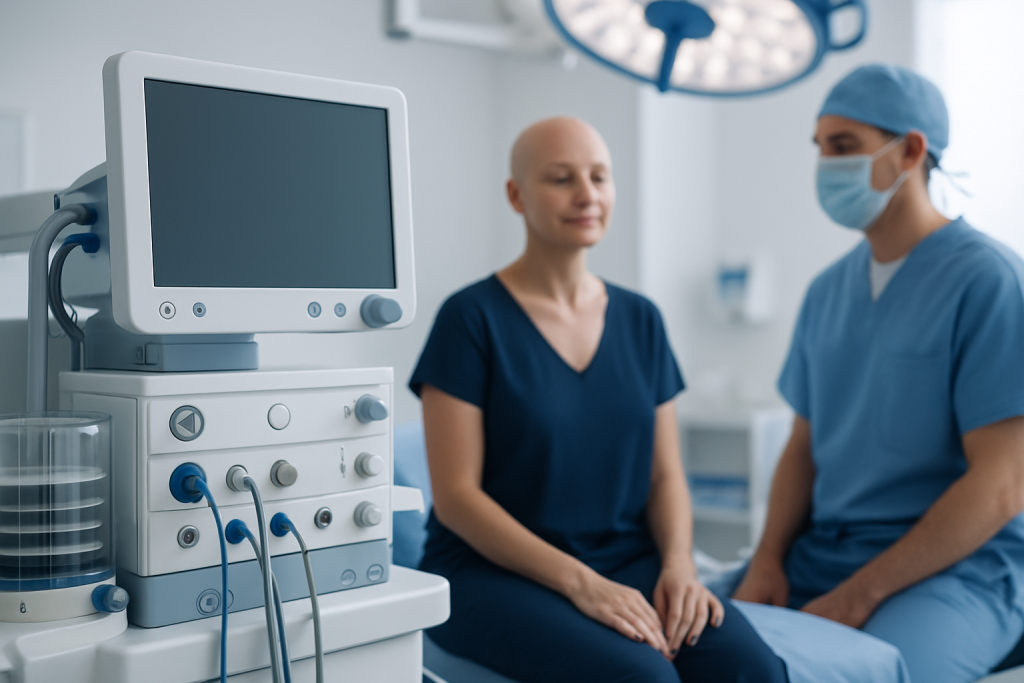
The phrase “same trip” can describe several different timelines. Some people mean immediate reconstruction, where reconstruction begins during the same operation as mastectomy. Others mean one travel period that includes the main surgery, hospital recovery, and an early follow-up appointment before returning home. A smaller group may be able to complete a staged reconstructive step during the same stay.
Immediate reconstruction is often considered when the cancer treatment plan allows it and when the breast tissue can safely support the procedure. Delayed reconstruction, by contrast, is planned after the first phase of cancer treatment is complete, which may be preferred if radiation is expected or if the person needs time to recover from the cancer surgery first.
For a patient traveling from another country, the practical question is often whether the hospital stay and early follow-up can fit into a single, carefully planned window. That depends on wound healing, drain management, the type of reconstruction, and how much aftercare will be needed before travel is safe.
Symptoms and Emotional Considerations

Breast reconstruction is not performed because of symptoms alone; it is part of surgical planning after breast cancer treatment or risk-reducing surgery. Still, the emotional effects can be significant. Many people feel a mix of relief, uncertainty, and concern about how their body will look and feel after surgery.
Some patients hope reconstruction will help them feel more comfortable in clothing or restore a sense of bodily balance. Others prefer to postpone the decision until after the cancer operation, especially when they want to focus first on treatment. There is no single correct emotional response, and it is common to need time, images, and detailed explanations before deciding.
Questions about symmetry, scarring, sensation, and whether the breast will be reconstructed with an implant or the body’s own tissue can shape the decision as much as the medical details. A clear conversation with the care team often helps reduce uncertainty and gives the patient a better sense of what recovery will really involve.
Causes & Risk Factors: What Influences Timing
The main reason reconstruction cannot always happen in the same trip is that the cancer treatment plan may require a different sequence. If radiation therapy is likely, some reconstructive options may have a higher chance of complications or may change over time. If chemotherapy must begin quickly, the team may prioritize cancer treatment first and delay reconstruction.
Several patient-related factors also matter. Smoking, diabetes, poor wound healing, prior breast surgery, body weight, and other medical conditions can affect the safety of surgery and recovery. Age alone does not determine eligibility, but overall fitness for anesthesia and surgery is important.
Other factors include:
- Breast cancer stage and tumor features
- Need for lymph node surgery
- Expected radiation or chemotherapy
- Skin condition after mastectomy
- Availability of a reconstructive surgeon and hospital resources
- Ability to stay locally for follow-up after surgery
Because these considerations are interlinked, a same-trip plan is usually built only after the oncology team has reviewed both the cancer treatment and the reconstructive options together.
How the Diagnosis and Planning Process Works
Before reconstruction is scheduled, the team reviews imaging, biopsy results, cancer stage, and the expected sequence of treatment. The reconstructive surgeon then discusses what can realistically be done at the same time as the cancer operation. This is not just a cosmetic discussion; it is a surgical planning process that weighs healing, future treatments, and safety.
Patients often need preoperative testing such as blood work, anesthesia assessment, and sometimes additional imaging. The surgeon may also examine the chest wall, skin quality, and available tissue to determine whether an implant-based reconstruction or a tissue-flap approach is more suitable. If the patient is traveling internationally, the team may also discuss how long the person should remain near the hospital and what signs should prompt earlier review.
Planning is also the time to align expectations. Reconstruction can improve appearance and body confidence, but it may involve scars, changes in sensation, several steps, or later revision surgery. A good plan is one the patient understands clearly before travel and before entering the operating room.
Treatment Options
Reconstruction options are usually grouped into two broad categories. Implant-based reconstruction uses a tissue expander or implant to recreate breast shape. Tissue-based reconstruction, sometimes called flap reconstruction, uses the patient’s own tissue from another area of the body, such as the abdomen, back, or thigh. In some cases, a combination approach is used.
Immediate implant-based reconstruction may be more straightforward for some patients, but it is not always the best choice if radiation is planned or if the skin and tissues need time to heal. Tissue-based reconstruction can offer a more natural feel in some cases, but it is a larger operation with a longer recovery. Nipple and areola reconstruction, if desired, is often a later step rather than part of the first surgery.
Common reconstructive pathways include:
- Immediate reconstruction during mastectomy
- Delayed reconstruction after cancer treatment
- Two-stage reconstruction with a tissue expander first
- Autologous flap reconstruction using the patient’s own tissue
The best option is individualized. A person’s cancer treatment plan, travel schedule, and tolerance for recovery all influence which pathway is most appropriate.
Recovery, Travel, and Self-care
Recovery after breast reconstruction is often manageable, but it is rarely as simple as a quick discharge and immediate flight home. Drain care, pain control, wound monitoring, activity limits, and the possibility of follow-up adjustments all need to be planned before travel. The team may recommend a longer stay if the surgery is extensive or if there are concerns about healing.
Self-care after surgery usually includes resting the upper body, following instructions about arm movement, wearing a recommended support garment if advised, and keeping surgical sites clean and dry. If drains are placed, the patient may need help understanding how to measure and record output. It is also important to know which symptoms are expected and which require medical review.
Practical travel planning can make recovery smoother. Patients should arrange accompaniment if possible, avoid carrying heavy luggage, and keep copies of discharge notes, medication lists, and emergency contact numbers. If a return flight is planned, the surgeon should confirm that the timing is medically appropriate and that in-flight movement, hydration, and compression guidance are understood.
When to See a Doctor
Patients should contact their surgical team promptly if they notice increasing redness, fever, worsening swelling, drainage with a strong odor, sudden asymmetry, severe pain, or any opening of the incision. These symptoms do not always mean a serious problem, but they should be assessed without delay. Early evaluation can help protect healing and reduce the chance of a larger complication.
It is also wise to seek medical advice if there are concerns about travel timing, if drains are still in place near departure, or if the patient feels unsure about how to manage dressings and medications after leaving the hospital country. For people receiving cancer treatment, the oncology team should also be informed if there are unexpected changes in the recovery course.
For patients considering treatment abroad, a multidisciplinary review is especially valuable. Acibadem Health Point’s multidisciplinary specialists and JCI-accredited hospitals diagnose and treat breast cancer and reconstructive needs for international patients, with coordinated planning designed to support safe surgery and follow-up. Even then, the final decision should always be made with the treating physicians based on the individual case.
Prevention & Long-Term Self-care
Breast reconstruction itself is not something that can be prevented, but some complications can be reduced through preparation and careful follow-up. Stopping smoking well before surgery, optimizing blood sugar control, and following preoperative instructions can support healing. Patients should also tell the team about all medicines and supplements, because some may affect bleeding or recovery.
After reconstruction, long-term self-care includes attending follow-up visits, protecting the surgical areas from strain, and watching for changes over time. If radiation, chemotherapy, or additional surgery is planned, the reconstructive team should stay informed so the approach can be adjusted if needed. Healing is often a process rather than a single event.
Emotional self-care matters as well. Some people feel satisfied early, while others need time to adapt to a changed body image or to decide whether a second-stage refinement would help. Support from family, counselors, or patient groups can make the recovery period less isolating, particularly when the person is healing far from home.
Frequently asked questions
Can breast reconstruction be done at the same time as mastectomy?
Yes, for some patients it can be done during the same operation, called immediate reconstruction. Whether that is appropriate depends on the cancer plan, tissue condition, and overall health. The surgical team should confirm that the timing is safe and realistic.
Is immediate reconstruction always better than delayed reconstruction?
No. Immediate reconstruction can be convenient and emotionally helpful for some people, but delayed reconstruction may be safer when radiation or other treatments are expected. The better choice is the one that fits the person’s cancer care and recovery needs.
How long does recovery take if reconstruction is done during the same trip?
Recovery time varies widely by procedure and by the person’s health. Implant-based procedures may recover differently from tissue-flap surgery, and drains or wound care may extend the stay. The surgeon should advise how long the patient should remain locally before traveling home.
Will breast reconstruction affect cancer treatment?
It can influence the sequence of treatment, but it should not interfere with effective cancer care when planned properly. The oncology and reconstructive teams coordinate to make sure the cancer treatment remains the priority. If radiation or chemotherapy is expected, the timing may change.
What should international patients prepare before traveling for surgery?
They should bring medical records, imaging, pathology reports, and a list of medicines. It also helps to plan extra time for follow-up, understand who to contact after discharge, and arrange support for travel home. The team should confirm when it is safe to fly.
Can reconstruction be revised later if needed?
Yes, some patients have later refinement procedures, nipple reconstruction, or symmetry adjustments. This is common and does not mean the first surgery failed. It simply reflects that reconstruction is often a staged process.
References
- National Cancer Institute
- American Cancer Society
- American Society of Plastic Surgeons
- Breastcancer.org
- World Health Organization
This article is for general information only and is not a substitute for professional medical advice. Please consult a qualified doctor about your individual situation.