Asphyxiation

Key Takeaways
- Asphyxiation is a life-threatening lack of oxygen caused by blocked or restricted breathing.
- Common warning signs include trouble breathing, blue lips, confusion, and loss of consciousness.
- It can result from choking, strangulation, inhalation of smoke or gases, drowning, or severe allergic swelling.
- Immediate emergency action is important; call local emergency services right away.
- After stabilization, treatment focuses on restoring oxygen, treating the cause, and preventing complications.
Asphyxiation happens when the body is not getting enough oxygen, often because breathing is blocked or severely limited. It is a medical emergency, and recognizing the signs quickly can make a critical difference in outcome.
Overview
Asphyxiation describes a dangerous situation in which the body cannot get enough oxygen. That oxygen shortage may happen because air cannot enter the lungs, cannot reach the blood effectively, or cannot be used normally by the body. Whatever the trigger, the result is the same: the brain, heart, and other organs are placed under immediate strain.
In everyday language, people often think of asphyxiation as choking, but the term is broader than that. It can occur during choking on food or an object, strangulation, severe asthma with airflow restriction, inhalation of smoke or toxic gases, near-drowning, or swelling of the airway from an allergic reaction. The important point is not the label, but the need for fast action.
For families, travelers, and caregivers, asphyxiation is one of those events where seconds matter and calm response matters even more. If someone cannot speak, cough, or breathe normally, emergency help should be called right away while first aid is started if appropriate.
Symptoms
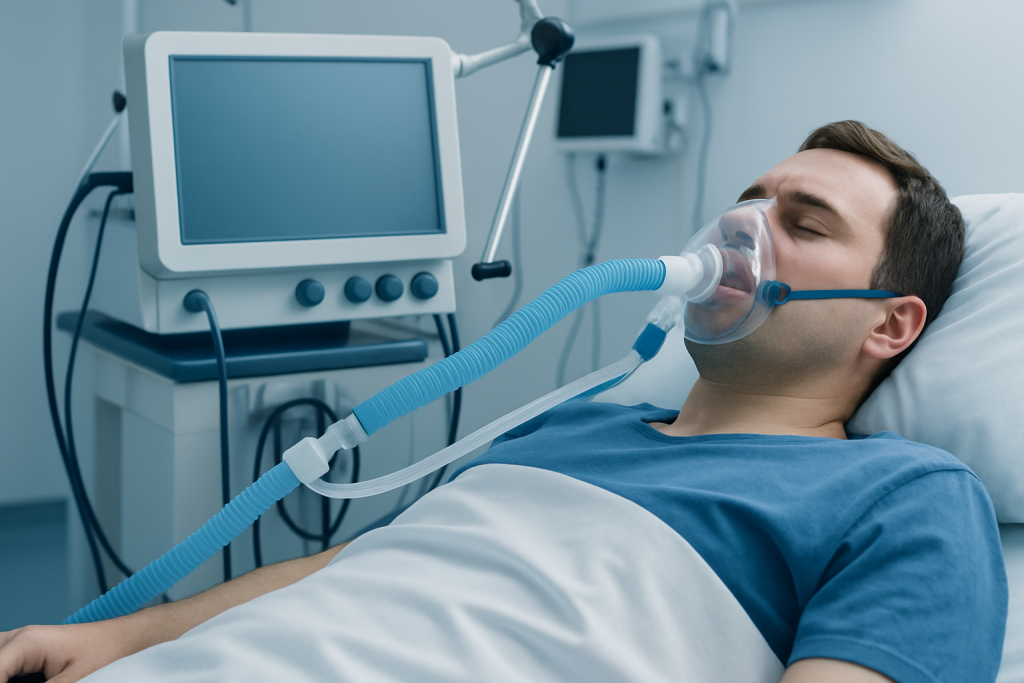
The earliest signs can look subtle, especially if the person is still conscious and trying to compensate. Breathing may become noisy, fast, or visibly difficult. The person may clutch the throat, panic, or be unable to finish a sentence. In some situations, the skin around the lips or fingertips begins to look bluish or grayish because oxygen levels are falling.
As the problem worsens, confusion, drowsiness, weakness, or collapse can follow. A person may lose consciousness if the brain is deprived of oxygen for too long. In severe cases, there may be no effective breathing at all, which is an immediate emergency.
Warning signs that deserve urgent attention include:
- Sudden difficulty breathing
- Inability to speak or cough effectively
- High-pitched breathing sounds or silent struggling
- Bluish lips, face, or nails
- Confusion, agitation, or unusual sleepiness
- Loss of consciousness
Causes & Risk Factors

Asphyxiation has many possible causes, and understanding them helps explain why prevention is not one single habit but a collection of sensible precautions. The most common cause in daily life is airway blockage, such as food, a small toy, dentures, or other objects lodged in the throat. Choking risk is higher in young children, older adults, and anyone with swallowing difficulties.
Other causes involve narrowing or closing of the airway from the outside or from swelling inside the throat. Strangulation and neck compression can interrupt airflow and blood flow. Severe allergic reactions may cause the airway to swell rapidly, while asthma attacks or other severe lung conditions can sharply limit breathing.
Environmental causes are also important. Smoke inhalation during a fire, carbon monoxide exposure, accidental exposure to certain gases, and drowning can all lead to oxygen deprivation. Risk may rise with alcohol or sedative use, neurologic disease, reduced consciousness, poor dentition, eating too quickly, or being alone when a breathing emergency begins.
Diagnosis
Asphyxiation is usually recognized first as a clinical emergency rather than through a long diagnostic process. Health professionals focus immediately on whether the airway is open, how well the person is breathing, and whether oxygen is reaching the body. If the person is unresponsive, evaluation and treatment begin at once.
Once the person is stabilized, the care team looks for the cause. This may include checking oxygen saturation, listening to the lungs, reviewing the events leading up to the episode, and examining the mouth, throat, neck, chest, or skin. Depending on the situation, imaging or blood tests may be used to assess complications such as inhalation injury, swelling, infection, or low oxygen effects on the brain.
For international patients, this stage often includes a practical review of what happened before travel, what care was already provided, and whether follow-up should continue after returning home. Clear records, medication lists, and any discharge documents can help the medical team understand the full picture and plan the next steps safely.
Treatment Options
Treatment depends on the cause, but the first goal is always the same: restore breathing and oxygen delivery as quickly as possible. Emergency responders or hospital teams may clear the airway, provide oxygen, support breathing with assisted ventilation, or use advanced airway techniques if needed. If the person has stopped breathing or has no pulse, cardiopulmonary resuscitation may be necessary.
When the cause is choking, immediate first aid is often decisive. For a conscious person who cannot breathe or speak, trained bystanders may use age-appropriate abdominal thrusts or back blows according to current first-aid guidance. If the person becomes unresponsive, emergency services should be called immediately and CPR started if the rescuer is able and trained to do so.
After the airway is secure, treatment turns to the trigger and to any resulting injury. This may involve medications for allergic swelling or asthma, care for smoke inhalation, treatment for drowning-related lung injury, or observation for delayed complications. Brain and organ function may need monitoring after prolonged oxygen deprivation, and recovery can include respiratory therapy, neurologic follow-up, or rehabilitation when appropriate.
When treatment is received in a different country, patients often benefit from a coordinated team that can manage the urgent phase and organize a sensible handoff for follow-up care. Acibadem Health Point’s multidisciplinary specialists and JCI-accredited hospitals diagnose and treat this condition for international patients with that continuity in mind.
Prevention & Self-care
Prevention starts with the setting. At home, foods that are hard, round, sticky, or poorly chewed can be a choking risk, especially for children and older adults. Small objects should be kept out of reach of children, and people with swallowing problems should be assessed and advised on texture changes, posture, and eating techniques.
For people with asthma, allergies, neurologic conditions, or a history of choking, everyday planning matters. That may include taking prescribed medicines as directed, carrying emergency allergy medication when recommended, avoiding known triggers, and discussing swallowing concerns with a clinician. Smokers, travelers, and people working in enclosed or high-risk environments should also be mindful of smoke and gas exposure.
Useful self-care habits include:
- Eating slowly and sitting upright
- Avoiding talking or laughing with food in the mouth
- Using prescribed inhalers or allergy treatments correctly
- Keeping emergency numbers easily accessible
- Learning age-appropriate first aid and CPR
For patients recovering after an asphyxiation event, self-care also includes resting as advised, attending follow-up appointments, and watching for delayed breathing problems, hoarseness, cough, confusion, or weakness. If symptoms return or new concerns appear after discharge, medical review should not be delayed.
When to See a Doctor
Any episode of suspected asphyxiation is urgent and should be treated as a medical emergency. If a person cannot breathe normally, cannot speak, turns blue, becomes confused, or loses consciousness, emergency services should be contacted immediately. Even if the person improves after the object is removed or the episode passes, a clinical evaluation may still be needed.
Medical attention is especially important after smoke inhalation, near-drowning, strangulation, a severe allergic reaction, or any event involving loss of consciousness. These situations can cause delayed swelling, lung injury, or brain effects that are not obvious right away. Children, older adults, and people with heart or lung conditions may need closer observation.
If someone has repeated choking episodes, swallowing difficulty, unexplained cough while eating, or anxiety around meals because of prior events, a doctor can help identify the cause and reduce future risk. Care is most effective when the full history is shared, including what was inhaled or swallowed, how long breathing was affected, and what first aid or emergency treatment was given.
Frequently asked questions
What is the difference between choking and asphyxiation?
Choking usually refers to a blockage in the airway, often from food or another object. Asphyxiation is a broader term that means the body is not getting enough oxygen for any reason, including choking, strangulation, smoke inhalation, or drowning.
How quickly does asphyxiation become dangerous?
It can become dangerous very quickly, especially if breathing stops or is nearly blocked. The brain is sensitive to oxygen loss, so immediate emergency response is important.
What should someone do first if another person is choking?
Call emergency services right away if the person cannot breathe, speak, or cough effectively. If the person is conscious and trained first aid is being used, follow current first-aid guidance for back blows or abdominal thrusts based on the person’s age and situation.
Can a person recover after an asphyxiation event?
Many people recover fully if oxygen flow is restored quickly and complications are avoided. Recovery depends on how long the oxygen shortage lasted, the cause, and whether any organs, especially the brain or lungs, were affected.
Do symptoms always appear right away after an asphyxiation-related event?
Not always. Some problems, such as airway swelling or lung irritation after smoke or near-drowning, may appear later, which is why medical assessment is important even if the person seems better initially.
Who is at higher risk of choking-related asphyxiation?
Young children, older adults, and people with swallowing problems are at higher risk. Risk can also be higher in anyone eating quickly, drinking alcohol, or taking medicines that cause drowsiness or affect coordination.
References
- World Health Organization
- Centers for Disease Control and Prevention
- American Heart Association
- National Health Service
- Mayo Clinic
This article is for general information only and is not a substitute for professional medical advice. Please consult a qualified doctor about your individual situation.