Vitamin C: Benefits, Sources and Deficiency

Key Takeaways
- A C-section can heal very well, but recovery happens in stages and may continue for weeks or months.
- The skin may close sooner than the deeper layers, so feeling better does not always mean full internal healing.
- Pain, swelling, and fatigue are common early on; improving symptoms usually suggest normal recovery.
- Safe movement, wound care, rest, and follow-up visits support healing after cesarean delivery.
- Urgent symptoms such as heavy bleeding, fever, worsening pain, or wound drainage should be reviewed by a doctor.
Medically reviewed by the Acıbadem clinical team — August 19, 2026
A cesarean birth is a major abdominal surgery, so healing takes time and follows its own course. Many people recover well, but complete healing includes both the skin incision and deeper tissues, along with the body’s postpartum adjustments.
Overview
A C-section, or cesarean delivery, is both a birth and an operation. That matters because healing is not limited to a small skin cut; it also includes the abdominal wall, uterus, and the body’s broader recovery after pregnancy and delivery. For many people, the first question is simple: will it heal fully? In most cases, the answer is yes, but healing does not happen all at once.
The outer incision often looks better before the deeper tissues have finished settling. A person may feel steady improvement within days or weeks, yet still be in the middle of internal healing. This is why follow-up care is important, especially for international patients who may travel home soon after birth and need a clear plan for wound care, activity, and monitoring.
Full recovery also depends on how “heal” is being defined. The scar may become small and less noticeable, the uterus will gradually return toward its pre-pregnancy state, and everyday movement usually becomes easier. Even so, some tenderness, numbness, or pulling sensations can linger for a while and may be part of normal recovery rather than a complication.
Symptoms During Normal Healing
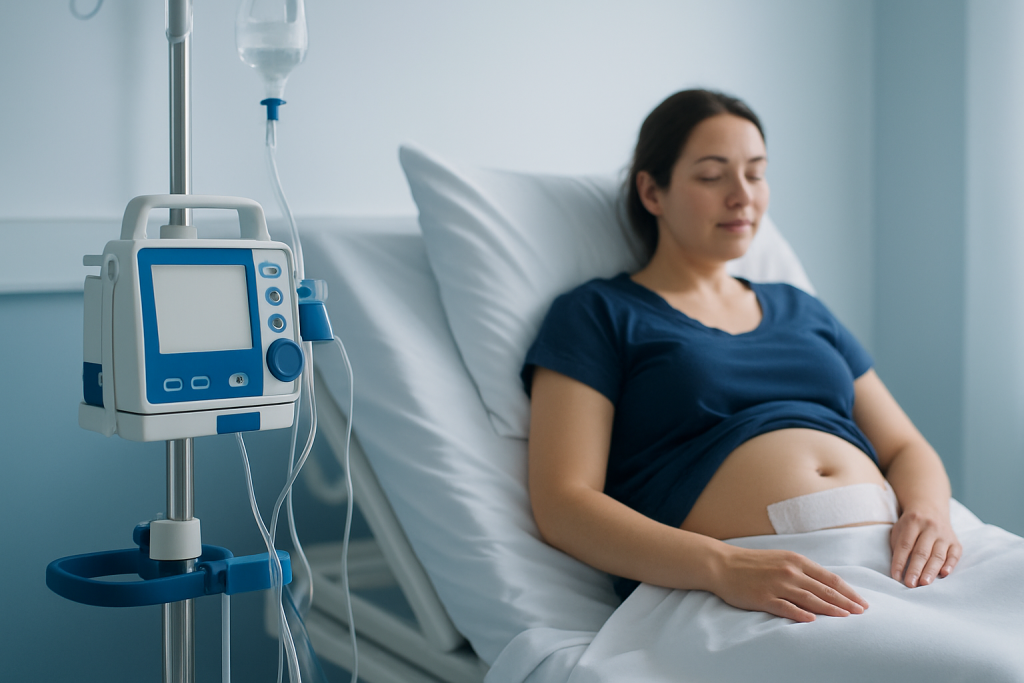
Early recovery after a C-section commonly includes soreness around the incision, a tight or pulling feeling when standing up, and tiredness that can be more intense than expected. Mild swelling, itching, and temporary numbness around the scar are also common as nerves and tissue recover. These symptoms usually improve gradually rather than disappearing overnight.
Movement often feels different in the first days. Getting out of bed, coughing, laughing, or lifting even light objects may cause discomfort, which is why gentle support of the abdomen can help. Vaginal bleeding, called lochia, also continues after birth, even after a cesarean delivery, because the uterus still needs time to shed and contract.
Signs that recovery is moving in a normal direction include pain that slowly lessens, a wound that stays closed and dry, and increasing ability to walk, sit, and care for the baby with less strain. Many people find that the hardest part is not one symptom alone, but the combination of surgery, sleep interruption, and newborn care.
- Expected early sensations: soreness, stiffness, mild itching, fatigue
- Common incision changes: bruising, numbness, gradual fading of redness
- Body recovery signs: lighter bleeding over time, easier movement, less swelling
Causes & Risk Factors
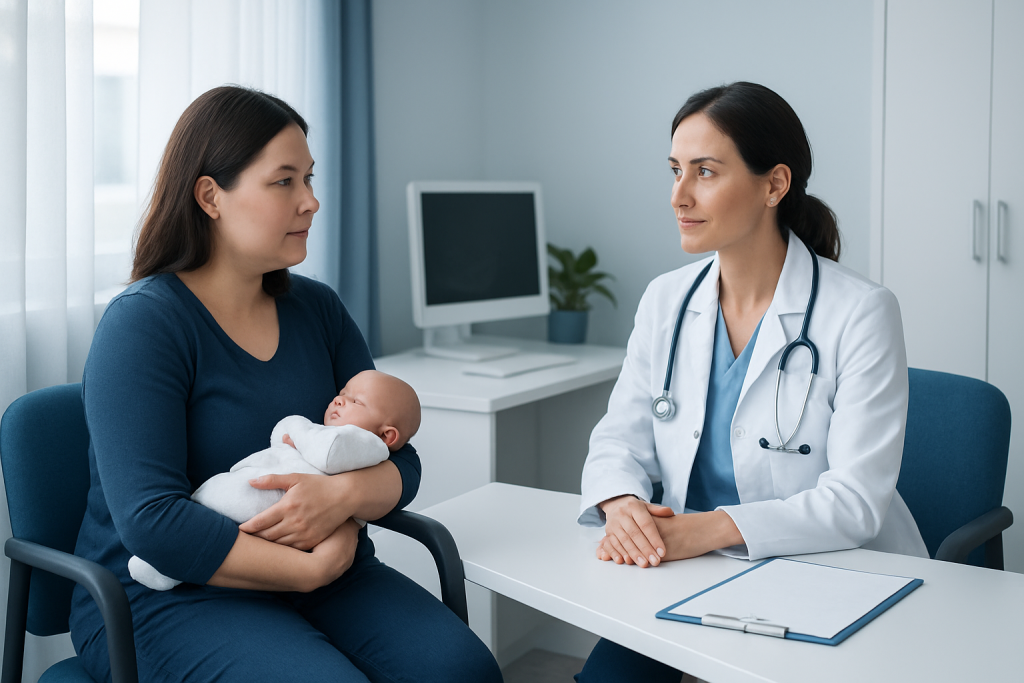
Healing after a C-section is influenced by how the surgery was performed, the person’s overall health, and what happens in the days after birth. Because the incision passes through several layers, deeper healing can be slower than the skin’s surface appearance suggests. Good blood flow, nutrition, and infection prevention all play a part in recovery.
Certain factors may make healing more complicated. These can include diabetes, anemia, obesity, smoking, a history of wound problems, emergency surgery, prolonged labor before the C-section, or infection around the time of delivery. A repeat C-section may also involve more scar tissue, which can affect comfort and healing time.
Travel and distance from the hospital can matter too. International patients sometimes face long journeys, changes in activity level, or limited access to the original surgical team after discharge. For that reason, a written discharge plan and clear instructions on what is normal versus what needs medical review can be especially helpful.
Diagnosis and Follow-up Checks
There is no single test that proves a C-section is “fully healed.” Instead, doctors assess recovery through symptoms, physical examination, and, when needed, imaging or lab tests. They look at the incision, check for infection or separation, and ask about pain, bleeding, bladder or bowel function, and overall mobility.
At a routine follow-up visit, the clinician may inspect the scar, feel the abdomen gently, and discuss how quickly activity is increasing. If there are concerns about deeper healing, a wound collection, or another postoperative issue, ultrasound or other imaging may be recommended. The uterus and surrounding tissues can also be assessed if bleeding or pelvic pain is not settling as expected.
Follow-up is not just a formality; it is part of confirming that recovery is progressing safely. For patients returning to another country, it helps to leave with a summary of the procedure, postoperative instructions, and a list of symptoms that should prompt local medical attention.
Treatment Options
There is no treatment needed for normal healing beyond supportive care, but discomfort and risk reduction are managed actively. Doctors may recommend pain-relief strategies, incision care, early gentle walking, and attention to hydration and bowel comfort. The aim is to help the body heal while lowering the chance of complications such as blood clots or constipation.
If a problem develops, treatment depends on the cause. An infection may require antibiotics, a fluid collection may need drainage, and a wound that opens may need closer dressing care or repair. If the uterus is not contracting well or bleeding becomes excessive, urgent assessment is required.
Emotional recovery is also part of treatment, especially when birth is unexpected or the postoperative period is overwhelming. Some people benefit from lactation support, postpartum counseling, pelvic floor rehabilitation, or help from family members so that rest is actually possible during the first weeks at home.
- Pain management as advised by the care team
- Incision hygiene and dressing instructions
- Early walking and gradual return to activity
- Medical treatment for infection, separation, or abnormal bleeding if present
Prevention & Self-care
Healthy healing starts with small, repeatable habits. Keeping the incision clean and dry, avoiding pressure from tight clothing, and following instructions about bathing and dressing changes can reduce irritation. It also helps to support the abdomen when coughing, sneezing, or standing up from bed.
Rest is important, but so is gentle movement. Short walks around the room or home can help circulation and reduce stiffness. Lifting heavy items, including older children, should usually wait until a doctor confirms it is safe. For many people, the biggest challenge is balancing the urge to “bounce back” with the reality that internal tissues need time.
Nutrition and hydration matter as well. Regular meals with protein, iron, fluids, and fiber can support energy, tissue repair, and bowel function. If breastfeeding, additional fluid and calorie needs may also apply, and constipation prevention becomes especially important after surgery and pain medicine use.
International patients often benefit from planning ahead for the trip home. That may include arranging help with luggage and infant care, confirming when to seek local follow-up, and carrying written discharge papers in case a new clinician needs to review the operation.
When to See a Doctor
Some discomfort is expected after a C-section, but certain changes deserve prompt medical review. Fever, increasing redness or warmth around the incision, pus or foul-smelling drainage, worsening pain instead of gradual improvement, or the wound opening need attention. Heavy vaginal bleeding, large clots, dizziness, chest pain, or shortness of breath are also reasons to seek urgent care.
Doctors should also be contacted if there is severe headache, painful swelling in one leg, trouble urinating, persistent vomiting, or inability to pass stool or gas with abdominal swelling. These symptoms may point to a complication that should not be watched at home. When in doubt, it is safer to call and describe the symptoms clearly.
A person should not wait for the next routine appointment if something feels clearly wrong. Postpartum recovery can change quickly, and early evaluation often makes treatment simpler. For patients who return abroad soon after delivery, knowing where to get local urgent care can be reassuring and practical.
Acibadem Health Point can support international patients with multidisciplinary specialists and JCI-accredited hospitals that diagnose and treat cesarean-related concerns in a coordinated way.
Bottom Line
A C-section can heal fully in the sense that the incision closes, the deeper tissues strengthen, and day-to-day life becomes comfortable again. The process is gradual, though, and recovery should be measured in stages rather than by the appearance of the scar alone.
With rest, careful wound care, gradual activity, and follow-up, many people recover well after cesarean delivery. The most useful approach is to watch for steady improvement, respect the body’s pace, and contact a doctor if symptoms move in the wrong direction.
Frequently asked questions
Can a C-section heal completely?
Yes, many people heal very well after a C-section. The skin incision closes first, while deeper tissues and the uterus continue healing for longer, so recovery is gradual rather than immediate.
How long does C-section recovery usually take?
Recovery time varies from person to person, but it often takes several weeks before daily activities feel easier. Some internal healing continues for months, which is why follow-up care and activity limits matter even after the incision looks better.
Is it normal for the scar to feel numb or itchy?
Yes, mild numbness, itching, and a tight feeling around the scar can be normal during healing. These sensations often improve over time as nerves and tissues recover.
What signs suggest the incision may be infected?
Increasing redness, warmth, swelling, pus, bad-smelling drainage, or worsening pain can suggest infection. Fever can also be a warning sign and should be discussed with a doctor promptly.
When can normal exercise or lifting resume after a C-section?
This depends on the person’s recovery and the doctor’s advice. Gentle walking is often encouraged early, but heavier lifting and exercise should usually wait until the clinician confirms it is safe.
Can I travel soon after a C-section if I am returning to another country?
Travel may be possible, but it should be discussed with the surgical team first, especially after a major operation. The person should understand wound care, warning signs, and where to get medical help if symptoms change during or after the journey.
References
- American College of Obstetricians and Gynecologists
- NHS
- Mayo Clinic
- World Health Organization
This article is for general information only and is not a substitute for professional medical advice. Please consult a qualified doctor about your individual situation.
Explore treatments in Turkey — costs, top hospitals & a free quote
JCI-accredited · board-certified surgeons · reply within 24h
Add us as a Preferred Source to see more of our trusted health content across Google Search, AI Overviews and Discover.