Frostbite 5e

Key Takeaways
- Frostbite happens when tissue freezes, usually in exposed areas such as fingers, toes, ears, nose, and cheeks.
- Early signs may include numbness, pale or waxy skin, and a prickling or burning sensation during rewarming.
- Frostbite can range from superficial injury to deeper tissue damage, so medical evaluation is often needed.
- Do not rub the area, use direct high heat, or thaw tissue if there is a chance it could refreeze.
- Warm clothing, dry layers, and limiting exposure to wind and moisture are the most reliable ways to reduce risk.
Frostbite is a cold-related injury that can damage skin and deeper tissues when the body is exposed to freezing temperatures for too long. Early recognition and prompt care are important, because treatment is most effective when the injured area is protected, rewarmed correctly, and assessed by a clinician.
Overview
Frostbite is the body’s response to intense cold when skin and the tissue beneath it lose heat faster than they can be protected. The injury most often affects fingers, toes, ears, nose, cheeks, and other areas that are exposed or have less blood flow in the cold.
At first, frostbite may seem deceptively mild because numbness can reduce pain. That is one reason people sometimes keep walking, skiing, or working outdoors longer than they should. By the time the skin looks pale, hard, or waxy, the tissue may already be under stress and in need of prompt attention.
For travelers, outdoor workers, mountaineers, and winter sports enthusiasts, frostbite is especially relevant because exposure can happen unexpectedly after a delay in transport, a weather change, or wet clothing. Understanding the warning signs helps people act early, which can make a meaningful difference in recovery.
Symptoms
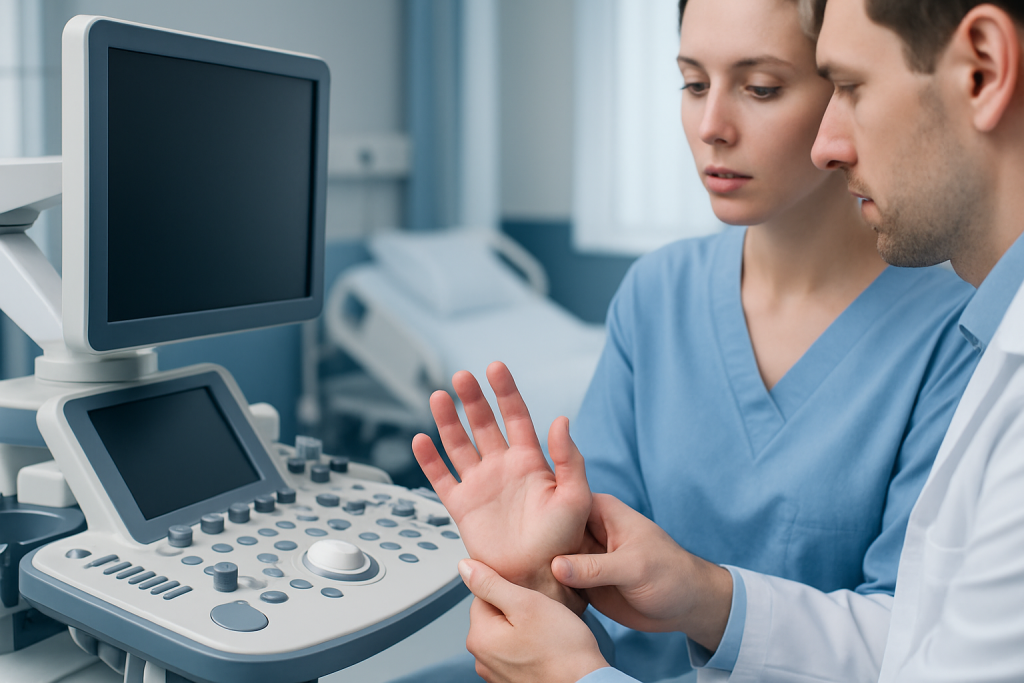
Frostbite symptoms often begin with coldness, tingling, and numbness. As the injury progresses, the area may become pale, gray, yellowish, or waxy, and the skin may feel firm or unusually hard.
During rewarming, it is common for the affected area to throb, sting, burn, or swell. Blisters may appear later, and severe cases can lead to dark discoloration, loss of sensation, or tissue that does not regain normal color and warmth.
Common warning signs include:
- Numbness or loss of feeling
- Skin that looks white, gray, blue, or waxy
- Hard or stiff skin and deeper tissue
- Pain, burning, or throbbing as the area warms
- Swelling or blisters after rewarming
Because frostbite can affect deeper layers before the skin looks dramatically changed, symptoms should never be judged by appearance alone. A person who cannot feel part of a finger or toe after cold exposure should treat it seriously even if the skin seems mostly intact.
Causes & Risk Factors

Frostbite develops when body tissue freezes. This usually happens in freezing temperatures, but wind chill, wet clothing, altitude, and prolonged exposure can all raise the risk even when the air temperature is not extreme.
The body naturally protects the core by narrowing blood vessels in the hands, feet, ears, and face. That protective response can leave those areas more vulnerable to cold injury, especially when someone is exhausted, dehydrated, poorly nourished, or unable to move around.
Risk is higher in people who:
- Spend long periods outdoors in winter conditions
- Wear tight, wet, or insufficient clothing
- Have poor circulation or diabetes
- Use alcohol or sedating substances that reduce judgment or awareness
- Smoke, which can further reduce blood flow
- Have a prior cold injury or reduced sensation in the hands or feet
International travelers may face an added challenge: unfamiliar weather, delayed access to warm shelter, or clothing that was not designed for the climate. Planning ahead for local conditions is one of the simplest ways to lower risk.
Diagnosis
Frostbite is usually diagnosed by a clinician through a physical examination and a careful history of cold exposure. The provider will look at skin color, temperature, sensation, swelling, blisters, and whether the tissue softens normally with rewarming.
In many cases, the degree of injury becomes clearer over time. What first appears to be a superficial problem may later reveal deeper tissue involvement, so follow-up examinations are often important. A medical team may also assess circulation and check for additional cold-related illness such as hypothermia.
Tests are not always necessary for mild frostbite, but they may be used if the injury seems severe or if blood flow is a concern. These can help determine how much tissue is affected and whether specialized treatment is needed.
Treatment Options
The first goal of treatment is to stop further freezing and gently restore warmth. If possible, the person should move to a warm, dry environment, remove wet clothing, and protect the injured area from pressure or friction.
Rapid rewarming in warm water is often used in a medical setting when refreezing is not a risk. After rewarming, the area may be painful, swollen, and more vulnerable to injury, so it should be handled carefully. Blisters and skin changes need professional assessment, especially if the frostbite may be deeper than it first appears.
Medical treatment may include:
- Controlled rewarming
- Pain relief
- Wound care and dressings
- Monitoring for tissue loss or infection
- Specialist evaluation for severe injury
Severe frostbite can sometimes require advanced care to preserve tissue, and in selected cases surgery is considered later after the full extent of damage becomes clear. The exact approach depends on depth, location, and the person’s overall condition.
It is important not to rub the area, place it near direct heat, or use very hot water, because these steps can worsen tissue injury. If there is a chance the frozen area could refreeze, thawing should be delayed until safe warmth is available.
Prevention & Self-care
Prevention starts before the cold exposure begins. Warm, layered clothing; moisture-wicking inner layers; insulated outerwear; hats; mittens; and dry socks all help the body conserve heat and reduce the risk of frostbite.
Hands, feet, ears, nose, and cheeks deserve special attention because they are often the first areas to be affected. It also helps to eat enough, stay hydrated, and take breaks indoors or in sheltered areas when conditions are harsh.
Practical self-care habits include:
- Checking weather, wind chill, and altitude before going out
- Changing out of wet clothing promptly
- Keeping moving when safe to do so
- Using insulated footwear and mittens rather than thin gloves in severe cold
- Avoiding alcohol before or during cold exposure
- Watching for numbness in yourself and companions
For people traveling abroad for winter sports, expeditions, or work, packing the right gear can be as important as booking transport. A local emergency plan, access to accommodation with reliable heating, and knowledge of where urgent care is located can make cold-weather travel safer and less stressful.
When to See a Doctor
Medical assessment is recommended whenever frostbite is suspected, because even mild-looking cases can hide deeper injury. This is especially important if the skin remains numb, the color does not return, blisters develop, or the person has trouble moving the affected part.
Urgent care is needed if the injury affects a large area, if there are signs of hypothermia, or if the person has diabetes, poor circulation, or another condition that may complicate recovery. A clinician should also evaluate any area that becomes dark, hard, or increasingly swollen after rewarming.
People who are traveling and cannot return quickly for follow-up should still seek initial care promptly and ask for clear instructions on wound monitoring, dressing changes, and warning signs. Acibadem Health Point notes that its multidisciplinary specialists and JCI-accredited hospitals diagnose and treat frostbite for international patients, including those who need coordinated follow-up after travel.
Frequently asked questions
How can frostbite be different from simple cold hands or feet?
Cold hands or feet usually improve quickly after warming and do not cause lasting numbness or skin changes. Frostbite is more concerning when the area stays numb, becomes pale or waxy, or develops pain and swelling during rewarming. If sensation does not return normally, medical evaluation is sensible.
Should frostbite be warmed up right away?
If the person is in a safe place and there is no chance of refreezing, controlled rewarming is usually helpful. However, the area should not be thawed if it may be exposed to the cold again soon, because refreezing can worsen the injury. When in doubt, a clinician should guide the next step.
Is it safe to rub frostbitten skin?
No. Rubbing can damage fragile tissue that is already injured by freezing. The area should be handled gently and protected from pressure, friction, and direct heat.
Can frostbite heal completely?
Mild frostbite may heal well with prompt care, especially when the tissue is rewarmed before deep damage occurs. More severe frostbite can leave lasting changes in sensation, skin appearance, or tissue health. Recovery often depends on how quickly treatment begins and how deep the injury is.
Who is at higher risk of frostbite during travel?
People visiting cold climates without proper clothing, those taking part in outdoor sports, and anyone with delayed access to warm shelter are at greater risk. Travelers with diabetes, circulation problems, or reduced feeling in the hands or feet should be especially careful. Planning for the weather and carrying the right gear can lower the risk considerably.
When should emergency help be sought?
Emergency care is appropriate if frostbite is severe, the person is also hypothermic, or the affected area becomes dark, hard, or increasingly swollen. If there is any uncertainty about the depth of injury, prompt evaluation is the safest choice. Early assessment can help protect tissue and guide proper follow-up.
References
- Mayo Clinic
- Cleveland Clinic
- Merck Manual Consumer Version
- National Health Service
- American Red Cross
This article is for general information only and is not a substitute for professional medical advice. Please consult a qualified doctor about your individual situation.