Andropause: Symptoms, Causes, and Treatment

Key Takeaways
- Andropause usually refers to a gradual decline in testosterone and related symptoms, not a sudden hormonal change.
- Common signs may include reduced energy, lower libido, mood changes, sleep problems, and loss of muscle strength.
- Other health issues can cause similar symptoms, so a proper medical evaluation is important before treatment is chosen.
- Treatment may include lifestyle changes, managing underlying conditions, and in some cases testosterone therapy under medical supervision.
- Men with persistent symptoms, fertility concerns, or prostate or heart conditions should discuss options with a qualified doctor.
Andropause is a term often used to describe age-related hormonal changes in men, especially a gradual decline in testosterone. It can affect energy, mood, sexual health, and overall well-being, but many symptoms are also linked to other treatable conditions.
Overview
Andropause is a commonly used term for the set of changes some men notice as they get older, particularly when testosterone levels decline gradually. Unlike menopause, which is a clearly defined transition in women, andropause does not happen in the same way for every man and is not always a single medical diagnosis.
For many men, the conversation begins with subtle changes: feeling less energetic, recovering more slowly after exercise, noticing changes in sexual desire, or becoming less resilient under stress. These shifts can be part of normal aging, but they can also reflect hormone imbalance, sleep disorders, depression, thyroid disease, diabetes, or other conditions that deserve attention.
Because the symptoms are broad and often overlap with everyday stress or chronic illness, a careful medical review is more useful than guessing based on age alone. The goal is not simply to label symptoms, but to understand what is driving them and whether there is a safe, effective way to improve quality of life.
Symptoms
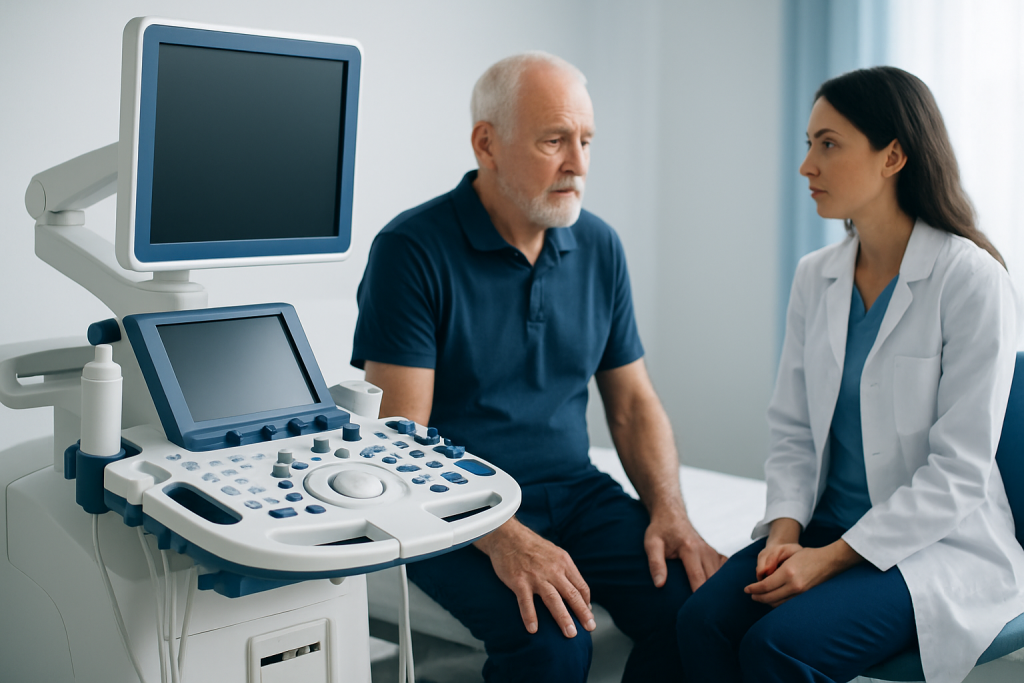
The symptoms associated with andropause usually develop slowly. Some men notice only one or two changes, while others feel a wider effect on physical, emotional, and sexual health. The pattern can vary widely from person to person.
Common symptoms may include a lower sex drive, fewer spontaneous erections, tiredness that does not improve with rest, reduced muscle mass or strength, increased body fat, and slower physical recovery. Some men also report low mood, irritability, trouble concentrating, reduced motivation, or poorer sleep quality.
Physical signs can be less obvious at first. A man might feel he is “not quite himself,” have less enthusiasm for exercise, or struggle to keep up with normal routines that used to feel easy. These symptoms are not specific to testosterone changes, which is why they should be discussed in context rather than interpreted in isolation.
- Reduced libido or sexual interest
- Erectile changes, especially fewer morning erections
- Fatigue or low stamina
- Loss of muscle tone or strength
- Increased abdominal fat
- Low mood, irritability, or reduced confidence
- Difficulty concentrating or feeling mentally “slowed down”
Causes & Risk Factors

The main hormonal change linked with andropause is a gradual fall in testosterone production with age. In many men, this decline is modest and does not cause major symptoms. When symptoms do appear, they may be intensified by other factors that affect hormone balance, sleep, metabolism, or mental health.
Several health conditions can contribute to similar complaints. Obesity, type 2 diabetes, sleep apnea, chronic stress, alcohol excess, smoking, thyroid disorders, and some medicines can all affect energy, sexual function, and mood. A person may have more than one contributing factor at the same time, which makes evaluation especially important.
Risk tends to be higher in men with chronic illness, poor sleep, limited physical activity, or a family history of metabolic disease. Age matters, but it should not be the only explanation. A patient traveling for care from another country may already have partial workup results, and those records can be very helpful in building a clearer picture during consultation.
Diagnosis
Diagnosing andropause begins with a conversation about symptoms, general health, medicines, sleep, sexual function, and emotional well-being. A doctor may ask how long the changes have been present, whether they are constant or intermittent, and whether anything seems to improve or worsen them.
Blood tests are often used to measure testosterone, usually in the morning when levels are most reliable. Depending on the situation, doctors may also check other hormones and screen for conditions that can mimic low testosterone, such as thyroid problems, anemia, diabetes, or elevated prolactin. The exact tests depend on the individual’s history and findings.
A diagnosis is rarely made from one result alone. If testosterone is borderline or symptoms are nonspecific, repeat testing and broader assessment may be needed. This careful approach helps avoid overtreatment and ensures that a more important underlying cause is not missed.
Treatment Options
Treatment depends on the cause of the symptoms, the testosterone level, and the person’s overall health goals. For some men, the first step is to address contributing factors such as poor sleep, excess weight, inactivity, stress, alcohol use, or untreated medical conditions. Improving these areas can make a meaningful difference on its own.
Testosterone replacement therapy may be considered for men with confirmed low testosterone and significant symptoms, but it is not suitable for everyone. A doctor will usually review prostate health, blood count, cardiovascular risk, fertility goals, and other factors before recommending it. Because testosterone therapy can affect sperm production, it is generally discussed carefully in men who wish to have children.
Other treatment approaches may include managing erectile dysfunction, treating depression or sleep apnea, adjusting medicines that may be contributing to symptoms, and supporting exercise and nutrition habits. For international patients, coordinated evaluation can be especially useful when several specialists need to review symptoms together before a treatment plan is finalized.
- Lifestyle measures: exercise, sleep, weight management, nutrition, stress reduction
- Treatment of underlying conditions: diabetes, thyroid disease, sleep apnea, depression
- Medication review: identifying drugs that may contribute to symptoms
- Testosterone therapy: only when appropriate and monitored by a clinician
- Supportive care for sexual health and emotional well-being
Prevention & Self-care
Not every age-related hormonal change can be prevented, but many symptoms associated with andropause can be improved by habits that support overall health. Regular physical activity, especially a mix of resistance training and aerobic exercise, helps preserve muscle, support metabolism, and improve energy.
Sleep deserves particular attention because poor sleep can lower daytime energy and interfere with hormone regulation. A consistent sleep schedule, limiting alcohol late in the day, and seeking assessment for snoring or breathing pauses at night can be practical first steps. Balanced eating also matters, especially enough protein, fiber, and nutrients that support healthy body composition.
Men can also benefit from keeping track of symptoms rather than trying to judge them from memory. Writing down changes in libido, mood, sleep, energy, and exercise tolerance can help a doctor understand the pattern more accurately and choose the right tests or treatments.
- Exercise regularly, including strength training
- Prioritize sleep and evaluate possible sleep apnea
- Maintain a healthy weight and limit excess alcohol
- Do not ignore persistent low mood or anxiety
- Review long-term medicines with a doctor if symptoms develop
When to See a Doctor
Medical advice is appropriate when symptoms are persistent, affecting daily life, or difficult to explain. A man should not assume that fatigue, low mood, or sexual changes are “just age” if the changes are ongoing or getting worse.
It is especially important to seek evaluation if symptoms begin suddenly, there is a marked change in sexual function, or there are signs of another condition such as weight gain, snoring, excessive daytime sleepiness, breast enlargement, infertility, or worsening diabetes control. These clues can help doctors identify the real cause more quickly.
A consultation is also wise before starting any hormone treatment obtained online or outside proper supervision. Testosterone is not a general wellness supplement; it requires a clear indication and follow-up. Acibadem Health Point’s multidisciplinary specialists and JCI-accredited hospitals can help international patients diagnose and treat this condition in a coordinated, medically supervised way.
Living With the Condition
Many men find that once the cause of their symptoms is identified, the situation feels more manageable. Some need only lifestyle changes and treatment of an underlying issue, while others benefit from ongoing follow-up to monitor hormones, energy, sexual health, and overall response to care.
Living well with andropause-related concerns often means setting realistic expectations. The aim is not to reverse aging, but to restore function, reduce bothersome symptoms, and protect long-term health. Progress may be gradual, especially if sleep, weight, or metabolic issues also need attention.
For men receiving care from abroad, follow-up planning matters. Clear instructions for monitoring, repeat tests, and symptom review can help ensure continuity after returning home and make the overall experience safer and more effective.
Frequently asked questions
Is andropause the same as male menopause?
The term is often used that way, but it is not medically identical to menopause. In men, hormone decline is usually gradual and variable, so symptoms and test results need individual assessment.
What are the most common symptoms of andropause?
Common symptoms include low libido, fatigue, reduced muscle strength, mood changes, and sleep problems. Some men also notice less motivation or trouble concentrating.
Can low testosterone be caused by something other than aging?
Yes. Obesity, diabetes, sleep apnea, chronic stress, thyroid problems, alcohol use, and certain medicines can all contribute. That is why a proper evaluation is important before treatment is started.
How is andropause diagnosed?
Doctors usually combine symptom review with blood tests for testosterone, often taken in the morning. They may also check for other medical conditions that can cause similar symptoms.
Is testosterone therapy always the right treatment?
No. It is usually reserved for men with confirmed low testosterone and symptoms that are consistent with the diagnosis. A doctor must review safety issues such as fertility plans, prostate health, and blood count before recommending it.
Can lifestyle changes really help?
Yes. Regular exercise, better sleep, weight management, and limiting alcohol can improve energy and hormone-related symptoms for many men. These steps also support heart and metabolic health.
References
- Mayo Clinic
- National Institute on Aging
- Endocrine Society
- British Society for Sexual Medicine
This article is for general information only and is not a substitute for professional medical advice. Please consult a qualified doctor about your individual situation.