What Are Hiccups? Causes, Triggers, and Remedies

Key Takeaways
- Hiccups happen when the diaphragm and breathing muscles contract suddenly and the vocal cords close quickly.
- Common triggers include eating too fast, carbonated drinks, alcohol, temperature changes, and stress.
- Most hiccups are harmless and clear within minutes to hours with simple self-care measures.
- Hiccups that last longer than 48 hours, recur often, or come with other symptoms should be assessed by a doctor.
- A careful history and physical exam usually guide the search for an underlying cause.
Hiccups are a common and usually short-lived reflex caused by involuntary diaphragm spasms. Most episodes settle on their own, but persistent or recurrent hiccups may deserve medical evaluation.
Overview
Hiccups are one of the body’s most familiar reflexes: a quick, repeated contraction of the diaphragm followed by a sudden closure of the vocal cords, which creates the characteristic “hic” sound. They often appear without warning and, in most people, disappear just as quickly.
Although hiccups are usually harmless, they can be distracting, inconvenient, and occasionally exhausting when they linger. For international patients who are already managing travel, changing meal routines, or recovery away from home, even a common reflex like hiccups can feel more disruptive than expected.
Understanding what sets them off can make them easier to manage. In many cases, the trigger is something ordinary such as a large meal, a fizzy drink, or a sudden change in temperature; less often, hiccups may point to irritation of the nerves or organs involved in breathing and digestion.
Symptoms
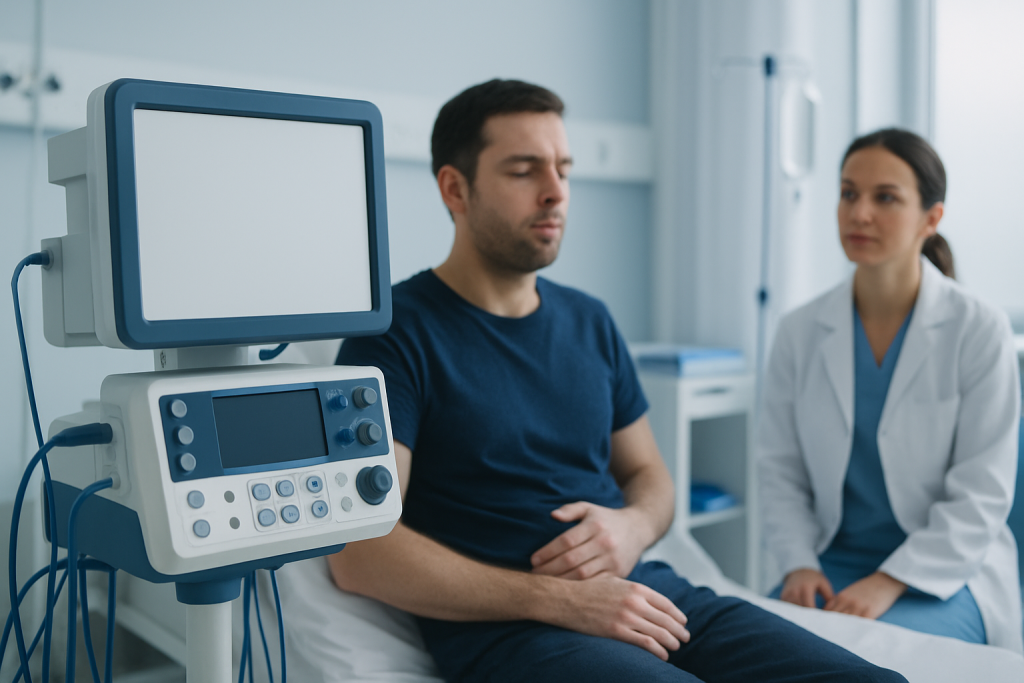
The main symptom is the sound and sensation of repeated hiccups. Episodes may come in short bursts or continue for several minutes, and some people notice a mild tightness in the chest, upper abdomen, or throat during the reflex.
Most hiccups are simply annoying. They may interfere with speaking, eating, or sleeping, but they usually do not cause pain. If hiccups are prolonged, they can lead to fatigue, reduced appetite, or trouble resting, especially if they happen during an illness or recovery period.
- Sudden, involuntary “hic” sounds
- Brief tightening in the chest or upper abdomen
- Difficulty finishing a meal or conversation
- Occasional sleep disruption when episodes last longer
Hiccups themselves are not a disease. The important question is whether they are isolated and short-lived, or part of a broader pattern that suggests something else is going on.
Causes & Risk Factors

Hiccups begin when the diaphragm—the main muscle used for breathing—contracts involuntarily. This reflex can be triggered by irritation anywhere along the pathway that helps control breathing, swallowing, and the vocal cords. In everyday life, the trigger is often temporary and easy to identify.
Common causes and triggers include eating too quickly, overeating, swallowing air, carbonated beverages, spicy foods, alcohol, and sudden shifts in temperature, such as a hot drink followed by something cold. Emotional stress or excitement may also play a role, particularly in children and adolescents.
Less commonly, persistent hiccups may be related to an underlying issue such as acid reflux, irritation of the stomach or esophagus, medication effects, recent surgery, infections, or conditions affecting the brain, chest, or nervous system. Risk can be higher when a person is recovering from anesthesia, has digestive irritation, or is exposed to new eating patterns during travel.
Possible contributors include:
- Fast eating or drinking
- Carbonated drinks and alcohol
- Large meals or stomach distension
- Sudden temperature changes in food or beverages
- Stress, excitement, or fatigue
- Acid reflux or other gastrointestinal irritation
- Medications or recent procedures in some cases
Diagnosis
Most short hiccup episodes do not require testing. A doctor usually begins by asking how long the hiccups have been happening, what seems to trigger them, and whether there are other symptoms such as heartburn, weight loss, fever, nausea, cough, or neurologic changes.
If hiccups last more than 48 hours, keep returning, or begin after a new medication or medical procedure, an evaluation becomes more important. The goal is not to “diagnose hiccups” themselves, but to look for the reason they are persisting.
Depending on the situation, a clinician may recommend a physical examination and, if needed, tests to assess digestion, infection, metabolic issues, chest conditions, or nervous system concerns. The workup is tailored to the person’s history rather than done in a one-size-fits-all way.
Treatment Options
For ordinary hiccups, treatment often starts with simple measures that help interrupt the reflex. Some people find relief by slowing their breathing, sipping cool water, or changing the pattern of swallowing. Others respond to brief breath-holding or gentle maneuvers that increase carbon dioxide slightly and may settle the spasm.
If hiccups are linked to reflux, stomach irritation, or another underlying issue, treatment focuses on that cause rather than the hiccups alone. In persistent cases, a doctor may consider prescription medicine, especially when the episodes interfere with eating, sleeping, or recovery.
What helps can vary from person to person, so it is sensible to try safe, simple approaches first and seek medical guidance if the hiccups do not ease. Treatment is most effective when it is matched to the trigger, overall health, and any ongoing symptoms.
- Slow, steady breathing
- Sipping water or swallowing carefully
- Pausing meals and avoiding rapid eating
- Reducing carbonated drinks and alcohol if they seem to trigger episodes
- Medical treatment for reflux or another identified cause
Prevention & Self-care
Many hiccups can be reduced by making small changes to daily habits. Eating more slowly, taking smaller bites, and avoiding very large meals can help limit stomach distension, which is a common trigger. For some people, cutting back on fizzy drinks or alcohol also makes a noticeable difference.
When travel, busy schedules, or unfamiliar foods are involved, routines may be harder to keep. That is especially true for international patients who are adjusting to jet lag, different meal times, or recovery after a procedure; in those settings, pacing meals and staying well hydrated can be helpful and realistic steps.
General self-care ideas include:
- Eat slowly and chew well
- Limit very hot or very cold drinks if temperature changes trigger hiccups
- Manage stress with rest and calm breathing
- Stay hydrated, especially during travel or illness
- Note patterns so repeated triggers can be avoided
There is no guaranteed method to prevent every episode, but observing what usually comes before the hiccups often gives the best clues.
When to See a Doctor
A medical evaluation is recommended if hiccups last longer than 48 hours, come back frequently, or are severe enough to disrupt eating, sleeping, or speaking. Hiccups that develop after surgery, a new medication, or a recent illness should also be discussed with a doctor.
It is wise to seek care sooner if hiccups occur with chest pain, trouble breathing, vomiting, difficulty swallowing, fever, significant weight loss, weakness, numbness, confusion, or a new headache. These symptoms do not mean something serious is certain, but they do make a checkup more important.
For people arranging care from another country, a structured evaluation can be reassuring because it helps separate a temporary reflex from a treatable medical cause. Acibadem Health Point’s multidisciplinary specialists and JCI-accredited hospitals diagnose and treat this condition for international patients, with attention to both the underlying cause and the practical needs of follow-up care.
Living With Recurrent Hiccups
When hiccups keep returning, the pattern matters as much as the episode itself. Keeping a simple note of meal timing, beverages, stress, sleep, and accompanying symptoms can help a doctor identify a trigger or underlying condition more quickly.
Recurrent hiccups can feel frustrating, but they are often manageable once the cause is clarified. In many cases, small lifestyle adjustments and treatment of a digestive or medication-related issue are enough to reduce or stop them.
The main goal is not to react to every hiccup with concern, but to notice when the pattern changes. Short, isolated episodes are common; ongoing or disruptive hiccups deserve a thoughtful medical review.
Frequently Asked Questions
Why do hiccups happen after eating? Eating quickly, swallowing air, or stretching the stomach with a large meal can irritate the diaphragm reflex. Carbonated drinks and very spicy foods may also make hiccups more likely in some people.
Do home remedies work? Some simple approaches, such as slow breathing or sipping water, help many people, especially when the episode is brief. Results vary, and no single home remedy works for everyone.
Are hiccups ever a sign of something serious? Most are not. However, persistent hiccups or hiccups that come with other symptoms can sometimes be linked to reflux, infection, medication effects, or a problem involving the chest, abdomen, or nervous system.
Frequently asked questions
What exactly causes a hiccup sound?
The sound comes from a sudden, involuntary contraction of the diaphragm followed by quick closure of the vocal cords. That rapid closure creates the familiar “hic” sound.
How long do normal hiccups last?
Most common hiccup episodes last only a few minutes and stop on their own. If they continue for more than 48 hours, they are considered persistent and should be checked by a doctor.
Can stress really cause hiccups?
Yes, stress and excitement can trigger hiccups in some people. They may do this by changing breathing patterns or increasing swallowed air.
What should someone avoid if hiccups keep happening?
It can help to avoid large meals, carbonated drinks, alcohol, and eating too quickly if those seem to be triggers. Keeping a brief record of patterns can make the cause easier to spot.
Are hiccups common after surgery or anesthesia?
They can happen after surgery or anesthesia, often because of temporary irritation or changes in the body during recovery. If they persist, the surgeon or doctor should be informed so the cause can be reviewed.
When should a person worry about hiccups at home?
Concern is reasonable when hiccups are prolonged, frequent, or linked with symptoms such as chest pain, vomiting, trouble swallowing, or breathing difficulty. In those situations, medical evaluation is the safer choice.
References
- Mayo Clinic
- National Health Service (NHS)
- Cleveland Clinic
- Merck Manual Consumer Version
- MedlinePlus
This article is for general information only and is not a substitute for professional medical advice. Please consult a qualified doctor about your individual situation.
More from the Health Library



Related Specialists

Prof. Dr. Abdullah Büyükçelik
Medical Oncology
Dr. Mehmet Celal Şen
Pediatric Surgery
Dr. Gülçin Taşkın Ak
Internal Medicine
Prof. Dr. Özgür Çetik
Orthopedic Surgery & Traumatology