

Body Contouring

Key Takeaways
- Body contouring reshapes the body; it is not a substitute for weight loss or healthy habits.
- Options range from liposuction and tummy tuck procedures to skin-tightening and fat-reduction treatments.
- Good candidates are usually near a stable weight and have realistic goals about scars, recovery, and results.
- Recovery depends on the procedure and may include swelling, compression garments, and activity limits.
- A qualified plastic surgeon can help match the treatment plan to the person’s anatomy, health, and travel needs.
Body contouring refers to surgical and non-surgical procedures that reshape areas of the body after weight loss, pregnancy, aging, or changes in skin elasticity. It is planned to improve proportions and comfort, while keeping expectations realistic and safety central.
Overview
Body contouring is a broad term for procedures that refine the shape of the body by removing excess fat, tightening skin, or lifting tissue that has stretched or changed over time. People often begin looking into it after major weight loss, pregnancy, or gradual changes that make clothes fit differently than before.
It helps to think of body contouring as a tailoring process rather than a weight-loss solution. The goal is to improve proportion, contour, and comfort in areas such as the abdomen, arms, thighs, breasts, back, or neck. For some people, the concern is mainly cosmetic; for others, loose skin can also make movement, hygiene, or clothing choices more difficult.
There is no single “right” body contouring plan. Some people benefit from one focused procedure, while others need a staged approach that addresses several areas over time. A good consultation looks at body shape, skin quality, medical history, and personal goals before any decision is made.
Symptoms and Common Reasons People Seek Body Contouring
Body contouring is not usually sought because of a medical symptom in the traditional sense. Instead, people often notice specific changes that have become frustrating or limiting in daily life. Loose skin, stubborn pockets of fat, skin folds, and uneven proportions are common reasons for seeking an evaluation.
After weight loss, the body may look smaller, but the skin may not fully contract, leaving folds around the abdomen, upper arms, thighs, chest, or lower back. After pregnancy, the abdominal wall may feel stretched, and the skin may not recover its previous tone. Aging can also thin skin and reduce elasticity, making previously subtle contours more visible.
- Loose or hanging skin after weight loss
- Fullness that does not change much with diet and exercise
- Skin rubbing, irritation, or hygiene challenges in folds
- Body proportions that feel out of balance
- Self-consciousness about how clothing fits or photographs look
These concerns can affect confidence, but they can also be very practical. During planning, surgeons often ask what feels most difficult in everyday life, because that helps distinguish between a cosmetic wish and a problem that may require a more functional, medically thoughtful approach.
Causes and Risk Factors
Body contour changes usually reflect a combination of factors rather than one single cause. Large weight fluctuations are among the most common reasons people consider surgery, because skin that has been stretched for a long time may not fully retract on its own. Pregnancy, genetics, aging, and sun exposure can also influence how elastic or firm the skin remains.
Some people are more likely to develop loose skin or resistant fat deposits because of their body composition and inherited skin quality. Others may be left with contour irregularities after previous surgery or after significant changes in muscle tone. In these situations, body contouring is often part of a broader recovery journey rather than a stand-alone beauty treatment.
Several factors can increase the complexity of treatment or recovery:
- Smoking or nicotine use, which can impair healing
- Diabetes or other conditions that affect wound recovery
- Very recent weight loss, when weight may not yet be stable
- Prior abdominal or body surgery, which may affect scar tissue
- Unrealistic expectations about scar visibility or final shape
International patients should also consider practical factors, such as the time needed for follow-up visits and the availability of local support after returning home. Planning recovery is part of planning the procedure itself.
Diagnosis and Pre-Procedure Evaluation
There is no single test for body contouring. Evaluation begins with a detailed consultation in which the surgeon reviews goals, examines the skin and underlying tissue, and checks general health. The most useful question is not simply “What can be removed?” but “What result is both safe and realistic for this body?”
Medical history matters because surgery and anesthesia place demands on the body. A clinician may ask about weight stability, previous operations, blood clot history, medications, allergies, and any chronic conditions. If the person is considering surgery after weight loss, the surgeon may want the weight to remain stable for a period before proceeding.
Depending on the planned treatment, the assessment may include measurements, photographs for planning, and discussion of scar placement, garment use, and recovery time. For people traveling from another country, this conversation should also cover how many in-person visits are needed, what can be managed remotely, and when safe travel home is expected.
Treatment Options
Body contouring options fall into two main groups: surgical and non-surgical. The best choice depends on the amount of correction needed, the quality of the skin, and whether the main concern is excess fat, loose skin, or both. Some people need a combination of techniques to achieve a balanced result.
Surgical options may include liposuction for localized fat removal, tummy tuck procedures for abdominal skin and muscle tightening, arm lift or Lift Surgery" class="ahp-ilk">thigh lift surgery for loose tissue, breast lift or reduction, back contouring, or lower body lift procedures after major weight loss. These operations can offer more substantial changes but usually require a longer recovery.
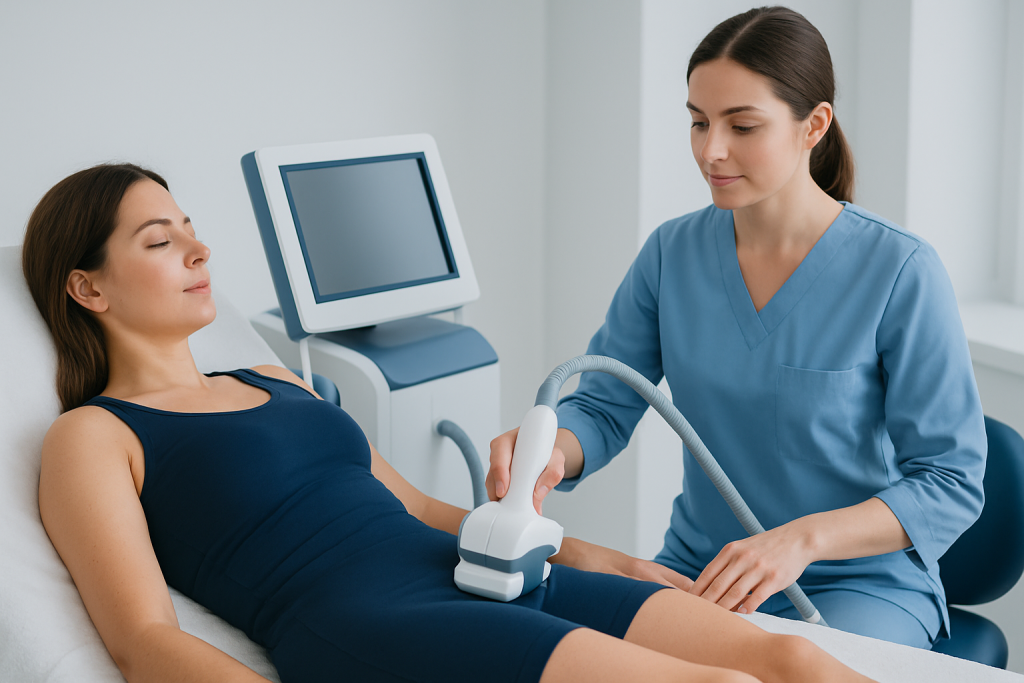
Non-surgical options may use radiofrequency, ultrasound, laser-based devices, or cryolipolysis to target small fat deposits or improve mild skin laxity. These treatments generally involve less downtime, but their effects are more subtle and may require multiple sessions. They are usually not a substitute for surgery when there is significant excess skin.
- Liposuction for fat reduction in selected areas
- Tummy tuck for abdominal contour and excess skin
- Body lift or lower body lift after major weight loss
- Arm, thigh, breast, or back contouring procedures
- Non-invasive tightening or fat-reduction technologies
In many cases, the safest plan is staged rather than all at once. This is especially true for international patients, where the surgeon may balance the desired improvement with the realities of long-distance travel, healing, and follow-up.
What Recovery Usually Looks Like
Recovery depends strongly on the procedure chosen, but most body contouring plans involve some swelling, bruising, and temporary discomfort. Compression garments are often recommended to support the tissues and help manage swelling. Patients are usually encouraged to walk gently soon after surgery, while avoiding strenuous exercise until the surgeon says it is safe.
After surgery, drains may sometimes be used temporarily, and incision care becomes an important part of the routine. It is common for the body to look different at various stages of healing; early swelling does not reflect the final result. Results often become more refined over weeks to months as tissues settle and scars mature.
For people traveling home after treatment, recovery planning should include seating comfort during travel, the ability to move around safely, and a clear plan for medication, wound care, and follow-up. The most helpful recoveries are the ones that are prepared before the procedure, not improvised after it.
Prevention and Self-care
Not every contour change can be prevented, but some habits can help preserve results and support healing. A stable weight is one of the most important factors, because repeated weight gain and loss can stretch the skin again and alter the surgical outcome. Regular activity and balanced nutrition also support long-term body shape and general health.
Before any procedure, stopping smoking or nicotine use is strongly recommended because healing can be compromised. After treatment, following the surgeon’s instructions carefully usually matters more than any single product or remedy. This includes garment use, incision care, activity limits, and attending follow-up appointments.
Practical self-care often includes:
- Keeping body weight stable after recovery
- Staying hydrated and eating enough protein for healing
- Avoiding nicotine exposure
- Wearing compression garments as instructed
- Protecting scars from sun exposure when advised
- Reporting unusual pain, redness, fever, or fluid leakage promptly
People who live abroad may benefit from organizing help at home in advance, especially for the first days after surgery. Simple preparations such as loose clothing, easy meals, and assistance with errands can make recovery calmer and safer.
When to See a Doctor
A consultation is appropriate when loose skin, excess fat, or contour irregularity continues to bother someone despite diet and exercise, or when the changes are affecting comfort or confidence. It is also wise to seek medical advice if there has been major weight loss, because the right timing for surgery can make a meaningful difference.
People should speak with a qualified doctor before considering any body contouring procedure if they have diabetes, heart or lung disease, blood clotting concerns, or a history of poor wound healing. They should also seek professional input if they smoke, are planning pregnancy soon, or are still actively losing weight.
Urgent medical attention is needed if there are signs of infection, severe swelling in one limb, shortness of breath, chest pain, or sudden worsening pain after surgery. For international patients, choosing a center that coordinates evaluation, treatment, and follow-up carefully can make the process smoother; Acibadem Health Point notes that its multidisciplinary specialists and JCI-accredited hospitals diagnose and treat body contouring cases for international patients.
Frequently asked questions
Is body contouring the same as weight loss surgery?
No. Body contouring reshapes the body after weight changes, while weight loss surgery is designed to help reduce body weight. Some people seek body contouring after bariatric surgery once their weight has stabilized.
Who is usually a good candidate for body contouring?
People are often good candidates when they are near a stable weight, in reasonably good health, and have realistic expectations. A surgeon also looks at skin quality, healing risks, and whether the person can manage recovery instructions.
Will body contouring remove all loose skin?
Not always. The goal is usually meaningful improvement, not perfection, and some scarring is expected after surgery. The amount of skin that can be removed depends on safety, anatomy, and the chosen procedure.
How long does recovery take?
Recovery time varies by procedure and by the number of areas treated. Smaller treatments may involve only a short downtime, while more extensive surgery can require several weeks of recovery and ongoing healing for months.
Are non-surgical body contouring treatments effective?
They can help with small fat pockets or mild skin laxity, but results are usually subtler than surgery. They are best suited for selected concerns and do not replace surgical lifting when there is significant excess skin.
Can someone travel internationally for body contouring?
Yes, many people do, but careful planning is important. The person should allow enough time for evaluation, surgery, early recovery, and follow-up before traveling home, and should confirm that support will be available after discharge.
References
- American Society of Plastic Surgeons
- Mayo Clinic
- International Society of Aesthetic Plastic Surgery
- National Health Service
This article is for general information only and is not a substitute for professional medical advice. Please consult a qualified doctor about your individual situation.
More from the Health Library



Related Specialists

Dr. Serkan Tokgönül
Aesthetic Plastic & Reconstructive Surgery
Dr. Ömercan Yağız Öksüz
Aesthetic Plastic & Reconstructive Surgery
Prof. Dr. Mehmet Veli Karaaltın
Aesthetic Plastic & Reconstructive Surgery
Dr. Nezail Demirciler
Plastic, Reconstructive and Aesthetic Surgery