

After Major Weight Loss: What Your Surgeon Checks Before Recommending a Body Contouring Plan

Key Takeaways
- Body contouring is usually considered after weight has been stable for a period of time.
- Surgeons assess skin quality, fat distribution, muscle tone, and any hernias or scars.
- Overall health, nutrition, smoking status, and medical history strongly affect safety and healing.
- A good plan often uses staged procedures rather than trying to correct everything at once.
- Patients traveling for care should plan for recovery time, follow-up, and support after returning home.
Medically reviewed by the Acıbadem clinical team — June 13, 2026
After major weight loss, a surgeon looks at much more than loose skin before suggesting body contouring. The plan depends on body stability, healing capacity, target areas, and whether surgery can be done safely and in a practical sequence.
Overview
After major weight loss, many people reach a point where the scale has changed but the body still feels unfamiliar. Skin may not shrink back fully, the abdomen can remain heavy with excess tissue, and clothing may fit differently from one area to another. At that stage, body contouring can become part of the conversation, but a surgeon does not recommend it based on appearance alone.
The first question is whether the body is ready for surgery. A thoughtful evaluation looks at weight stability, overall health, skin elasticity, muscle tone, and the specific areas that are causing discomfort or limiting daily life. For international patients, this discussion also includes travel timing, length of stay, and the practical realities of healing away from home.
Body contouring is not one single operation. It may involve lifting or reshaping the abdomen, arms, thighs, breasts, back, or other regions, and the safest plan is often built step by step. The goal is to create a result that is both medically sound and realistic for the person’s lifestyle, recovery capacity, and long-term maintenance.
Why the post-weight-loss body looks the way it does
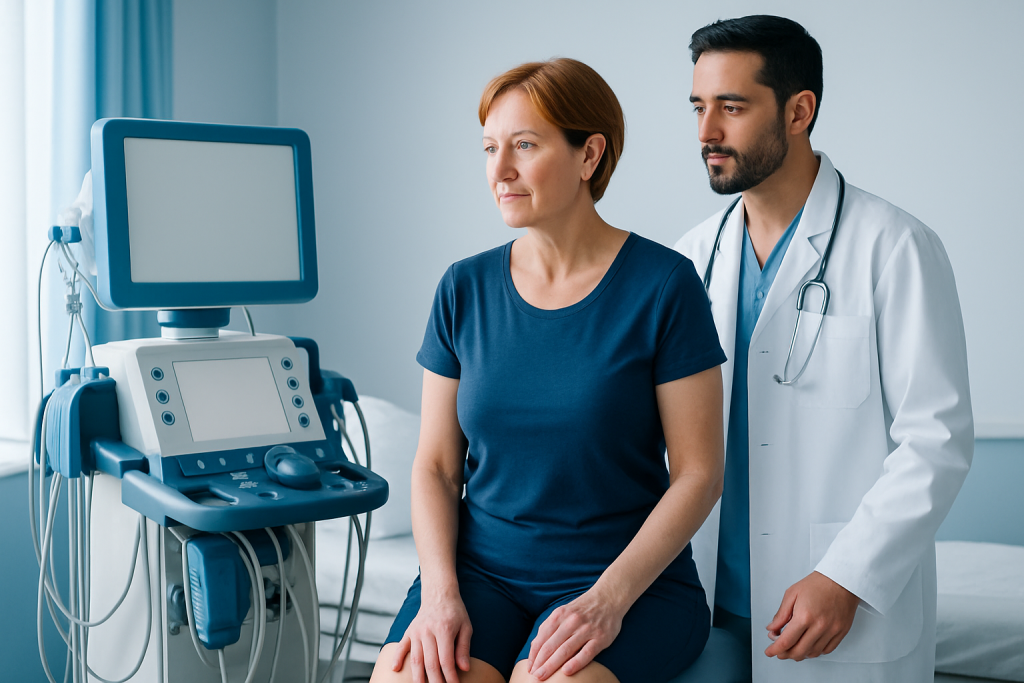
When weight decreases substantially, the skin and soft tissues may have been stretched for years. Even after fat is lost, the envelope of skin may remain enlarged, especially in areas that carried the most volume. Age, genetics, the size of the weight loss, and how long the body stayed at a higher weight all influence how much natural tightening is possible.
There may also be changes below the skin. Abdominal muscles can separate, previous stretch marks may become more visible, and fat may remain in certain pockets that do not respond to diet or exercise. Some people also notice rashes, hygiene problems, chafing, or difficulty with movement because of the extra tissue.
Understanding these changes helps the surgeon separate what can improve with contouring from what should be addressed in another way. It also helps the patient see that loose skin is not a failure of effort; it is often a normal outcome after significant weight reduction.
Symptoms and concerns that commonly lead to consultation

Many people seek advice because of physical discomfort rather than cosmetic dissatisfaction alone. Heavy folds under the abdomen or breasts can trap moisture, cause skin irritation, or make exercise feel harder. Loose upper-arm or thigh skin may rub during walking, and excess tissue around the chest or waist can affect posture or clothing choices.
Emotional concerns are also common. Some patients feel that their outer shape no longer reflects the hard work they invested in their health journey. Others want to know whether further improvement is possible before they commit to surgery, time off work, and travel.
A surgeon will usually ask about both function and appearance, because the reasons for surgery shape the plan. Helpful details often include:
- Areas that cause pain, rashes, or hygiene problems
- Clothing fit and movement limitations
- Any numbness, weakness, or abdominal bulging
- Previous operations, scarring, or wound-healing issues
- The body areas that matter most to the patient
What the surgeon checks before recommending a plan
The physical examination is the heart of the consultation. The surgeon studies skin quality, thickness, elasticity, and how much excess tissue is present in each area. They also check whether fat is still distributed unevenly, whether muscle separation is contributing to contour problems, and whether scars from prior surgery may affect the approach.
In the abdomen, the surgeon may look for a hernia or for separation of the abdominal muscles, because these findings can change the type of operation needed. Around the chest, back, thighs, arms, or buttocks, they assess how tissue moves, where it hangs, and how much tightening is realistically possible without placing too much tension on the closure.
The consultation also includes a broader look at the patient’s goals. A careful surgeon wants to know what outcome would feel meaningful, what areas are secondary, and what level of downtime is manageable. That conversation helps avoid overpromising and supports a plan that matches the patient’s daily life and recovery support.
Causes and risk factors that affect candidacy
Several factors can make body contouring safer or more complex. The most important is weight stability. If weight is still changing quickly, the final shape may shift again after surgery, which can reduce the value of the procedure and affect symmetry. Surgeons often prefer a sustained period of stable weight before moving forward.
General health matters just as much. Smoking, poorly controlled diabetes, anemia, nutritional deficiencies, blood-clotting risks, and some chronic illnesses can slow healing or increase complications. People who have had bariatric surgery may also need attention to protein intake, vitamins, and overall nutritional recovery before surgery is considered.
Other factors include prior abdominal operations, a history of poor scar healing, and whether the patient can take time for recovery and follow-up. For those traveling internationally, the surgeon also weighs the ability to stay long enough for immediate aftercare and the practicality of continuing wound care once the patient returns home.
How the diagnosis and surgical planning process works
There is no single test that decides body contouring eligibility. Instead, the surgeon combines examination, medical history, and sometimes lab tests or imaging to build a safe plan. Blood work may be ordered to review anemia, nutrition, kidney function, or other health markers that can influence healing.
If an abdominal bulge suggests a hernia, imaging may be helpful. Photos may also be taken for planning, with the patient’s consent, to document baseline contours and guide discussion about which regions could be improved first. In some cases, the surgeon may recommend waiting and reassessing after nutrition, weight stability, or medical optimization improves.
Planning is usually more helpful than chasing a single “ideal” operation. Many patients do better with a sequence of procedures based on priorities and recovery capacity. That approach can reduce stress on the body, limit surgical time, and make follow-up more manageable, especially when care is being coordinated across countries.
Treatment options and how surgeons choose between them
Body contouring after major weight loss can include Tuck Surgery" class="ahp-ilk">tummy tuck surgery, lower body lift, arm lift, thigh lift, breast lift, back contouring, and fat removal in selected areas. The exact mix depends on where excess skin is most pronounced and whether there is deeper structural laxity that needs correction as well. Some patients need one focused operation; others need staged procedures over time.
The surgeon also considers whether combining procedures would be safe. Combining too much at once can increase operative time and recovery demands, so a conservative sequence is often preferred. If muscle repair is needed in the abdomen, or if scars and tissue quality are complex, the surgical plan may be adjusted to protect wound healing and comfort.
For patients who travel abroad for treatment, planning includes anesthesia assessment, expected hospital stay, compression garments, activity limits, and the timing of follow-up visits. Acibadem Health Point’s multidisciplinary specialists and JCI-accredited hospitals diagnose and treat this condition for international patients, with coordinated care designed to support both surgery and recovery.
Prevention, preparation, and self-care before and after surgery
Good preparation begins well before the operation date. The body usually heals better when weight has been stable, nutrition is adequate, and smoking has been stopped. Patients are often encouraged to focus on protein intake, hydration, gentle activity, and any vitamin or supplement plan recommended by their doctor.
After surgery, the priorities are protecting the incisions, managing swelling, and following movement instructions carefully. Walking early, when approved, can help circulation, while heavy lifting, strenuous exercise, and sudden stretching are generally limited until the surgeon says it is safe. Support garments may be part of the recovery plan to help tissues settle and reduce discomfort.
Self-care is also about planning life around healing. International patients should arrange a companion if possible, confirm where wound checks will happen, and know who to contact if they notice increasing redness, drainage, fever, or unexpected pain. A successful recovery is often built on small, practical steps rather than dramatic effort.
When to see a doctor
A consultation is worthwhile when loose skin or excess tissue causes pain, rashes, hygiene problems, movement limits, or distress that does not improve with time. It is also appropriate to seek advice after weight has been stable and the person wants to understand realistic options rather than guessing from online photos.
Prompt medical review is important if there is a painful bulge that could suggest a hernia, a wound that is not healing, or symptoms of poor nutrition such as unusual fatigue or slow recovery after prior procedures. Patients should also speak with a surgeon before making travel plans for surgery so the evaluation, timing, and aftercare requirements are clear.
In many cases, the most useful next step is a structured consultation rather than a commitment to surgery. That conversation can clarify whether body contouring is appropriate now, whether more preparation is needed, or whether a staged plan would be safer and more satisfying in the long run.
Frequently asked questions
How long should weight be stable before body contouring is considered?
Surgeons commonly prefer a period of stable weight before surgery is planned, because ongoing weight change can affect the final shape and the durability of the result. The exact timing depends on the person’s history, overall health, and whether they have completed weight-loss treatment. A surgeon can advise when the body is ready for a reliable assessment.
Does body contouring only remove loose skin?
Not always. Depending on the area, surgery may also tighten underlying tissues, address muscle separation, or remove localized fat that remains after weight loss. The surgeon chooses the approach based on what is contributing most to the contour issue.
Why do surgeons ask so many questions about nutrition and vitamins?
After major weight loss, some people have low protein or nutrient levels that can affect wound healing. Good nutrition supports recovery, lowers the chance of complications, and helps the tissues respond better to surgery. This is especially important for patients who have had bariatric surgery.
Can several body contouring procedures be done at the same time?
Sometimes, but not always. Combining procedures can be practical for some patients, yet it can also increase surgical time and recovery demands. The safest plan depends on the patient’s health, the size of the procedures, and how much the body can handle in one session.
What if the patient lives in another country and needs follow-up care?
That should be discussed before surgery begins. The surgeon needs to know how long the patient can stay, how wound checks will be arranged, and who will oversee recovery after travel. Clear planning helps make aftercare safer and less stressful.
Is loose skin after weight loss a sign that something went wrong?
No. Loose skin is a common and expected result after substantial weight reduction, especially when the skin was stretched for a long time. It reflects the skin’s limited ability to shrink fully, not a lack of progress.
References
- American Society of Plastic Surgeons
- International Society of Aesthetic Plastic Surgery
- Mayo Clinic
- National Health Service
This article is for general information only and is not a substitute for professional medical advice. Please consult a qualified doctor about your individual situation.
More from the Health Library


Related Specialists

Dr. Serkan Tokgönül
Aesthetic Plastic & Reconstructive Surgery
Dr. Ömercan Yağız Öksüz
Aesthetic Plastic & Reconstructive Surgery
Prof. Dr. Mehmet Veli Karaaltın
Aesthetic Plastic & Reconstructive Surgery
Dr. Nezail Demirciler
Plastic, Reconstructive and Aesthetic Surgery