Body Contouring After Weight Loss: Which Areas Are Usually Treated First?

Key Takeaways
- Body contouring after weight loss is usually staged rather than done all at once.
- The abdomen and lower trunk are often prioritized because they can create the most discomfort and clothing issues.
- Arms, breasts, thighs, and the back are commonly treated next, based on where skin laxity is greatest.
- A surgeon plans the order by looking at health, healing capacity, remaining weight stability, and daily goals.
- Good recovery, nutrition, and weight stability help support safer surgery and more lasting results.
Body Contouring Plan" class="ahp-ilk">After major weight loss, body contouring is often planned in stages to address the areas that affect comfort, clothing fit, and skin irritation most. The most commonly treated first areas are the abdomen, flanks, breasts, arms, thighs, and lower body, depending on skin excess and overall health.
Overview
When a person loses a large amount of weight, the change is not always limited to the number on the scale. Skin and soft tissue may not fully contract, leaving folds, looseness, or areas that rub, sag, or interfere with movement. Body contouring after weight loss is designed to reshape these areas, but it is rarely approached as a single, all-in-one operation.
Surgeons usually prioritize the zones that affect comfort and function most. For many patients, that means starting with the abdomen or lower trunk, then moving to the arms, breasts, thighs, or back in later stages. The order is highly individual and depends on where the excess skin is most noticeable, what the person wants to improve first, and what can be treated safely within a reasonable recovery plan.
For international patients, this planning stage matters even more. Travel, time away from work, and follow-up logistics all influence whether several procedures should be combined or spaced out. A careful consultation helps match the surgical plan to the person’s body, health history, and practical needs after returning home.
Which Areas Are Usually Treated First?
The abdomen is often the first area discussed after major weight loss. Loose skin in this region can cause hygiene problems, skin irritation, difficulty finding clothes that fit well, and a persistent sense of heaviness in the front of the body. When there is both extra skin and weakened abdominal support, a tummy tuck or lower body contouring procedure may be considered early in the sequence.
The flanks and lower back are frequently addressed alongside the abdomen because these areas connect visually and physically. Treating only the front can leave a discontinuous result, so surgeons sometimes recommend a circumferential approach, such as a lower body lift, when skin laxity wraps around the torso. This can be especially useful when weight loss has left a “belt” of loose tissue around the midsection.
Arms and breasts often come next, especially when skin looseness interferes with clothing choices or confidence in daily activities. An arm lift may help reduce hanging tissue along the upper arms, while breast reshaping or lifting can restore a more balanced upper-body contour. Thighs and the outer hips are also commonly treated, particularly when rubbing or discomfort affects walking, sitting, or exercise.
The decision is not based on appearance alone. A surgeon may advise treating the area that creates the most symptoms first, even if another area feels more visible in the mirror. In some cases, the abdomen takes priority because it influences core comfort and can also serve as a foundation for later contouring elsewhere.
Why Surgeons Often Start with the Midsection
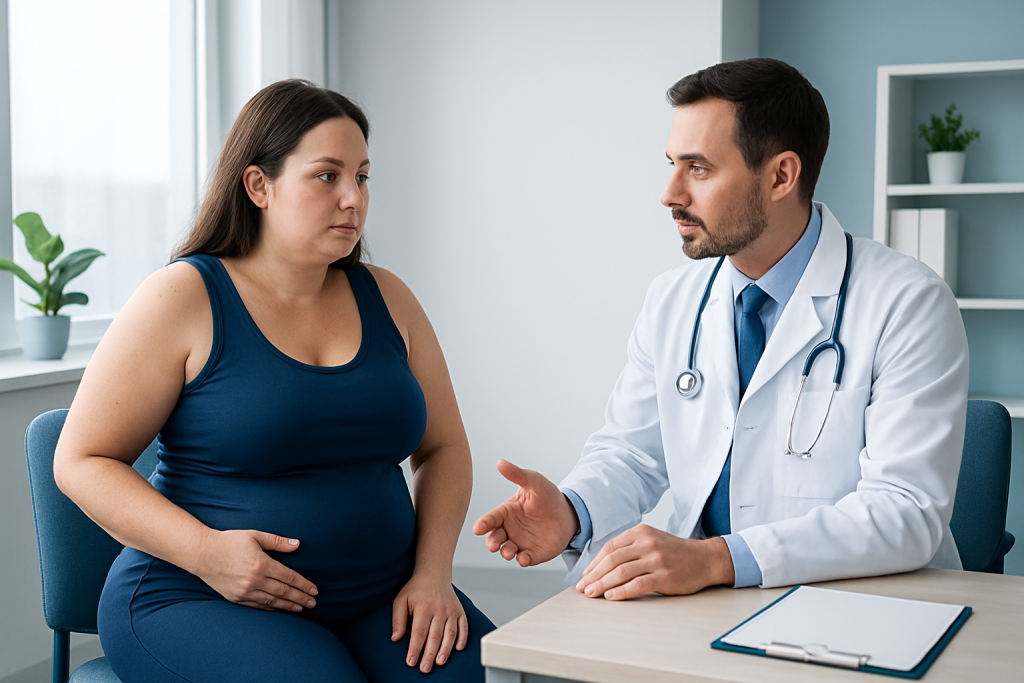
The midsection tends to be the first focus because it affects both function and overall body balance. When abdominal skin hangs over the waistline, it can trap moisture, increase the risk of rashes, and make movement feel less comfortable. A well-planned abdominal procedure may also improve posture and the fit of clothing, which can have a practical impact on everyday life.
Another reason the torso is frequently treated early is that it sets the proportions for the rest of the plan. Once the abdomen and flanks are reshaped, the surgeon can better judge how much excess remains in the upper body or lower limbs. This helps create a sequence that feels coordinated instead of piecemeal.
That said, not every patient begins with the abdomen. Someone whose main concern is heavy upper arms, breast droop, or thigh rubbing may reasonably place those areas first. The most appropriate order is the one that balances anatomy, healing safety, and the patient’s personal priorities.
Causes & Risk Factors for Loose Skin After Weight Loss
Loose skin after weight loss is common when the body has spent a long time at a higher weight or when the weight change happens relatively quickly. Skin stretches to accommodate body size, but its ability to retract depends on several factors, including age, genetics, sun exposure, smoking history, and the amount of weight lost. The greater the stretch, the more likely it is that skin will remain lax after the weight has come off.
Weight-loss method can also play a role. People who lose weight after bariatric surgery or through substantial lifestyle changes may both experience skin excess, although the pattern can differ from one person to another. Areas with long-term fat storage, such as the abdomen, thighs, upper arms, and breasts, are especially likely to show loose tissue.
Other factors can influence the surgical plan as well. Stable weight, good nutrition, and controlled medical conditions support safer healing. A surgeon may also consider whether the person has anemia, diabetes, nutritional deficiencies, or a history of poor wound healing before deciding how much surgery can be done in one stage.
How the Surgical Plan Is Decided
Body contouring after weight loss is usually customized, not standardized. During consultation, the surgeon examines where the skin hangs, how the tissues move, whether there is muscle separation, and whether symptoms such as chafing or irritation are present. Photographs, measurements, and discussion of daily routines may help shape the final sequence.
Several practical questions often guide the order of treatment: Which area causes the most discomfort? Which procedure has the highest impact on clothes fitting and mobility? How much time can the patient dedicate to recovery? If a person is traveling from another country, the team may also consider how many procedures can be completed safely during one visit and what follow-up will look like after returning home.
It is common for surgeons to stage procedures so the body has time to recover between operations. Staging can reduce strain on healing tissues and may allow each area to be refined more carefully. The final plan should feel realistic, taking into account work leave, family support, travel arrangements, and the patient’s ability to rest properly after surgery.
Treatment Options
Different procedures address different parts of the body. A tummy tuck removes excess abdominal skin and may tighten separated muscles when appropriate. A lower body lift reshapes the waist, hips, buttocks, and lower abdomen in a more continuous way, which can be useful after major weight loss with circumferential laxity.
An arm lift reduces loose tissue from the upper arms, while a thigh lift improves the contour of the inner or outer thighs. Breast procedures may include lifting, reduction, or reshaping, depending on tissue changes after weight loss. Some patients also benefit from back contouring or buttock reshaping when laxity extends beyond the front of the body.
In selected cases, more than one procedure may be combined. This can be efficient for some people, but it is not always the best choice. The decision depends on surgical time, blood loss risk, the extent of tissue removal, and how well the person is expected to tolerate recovery. A qualified surgeon will explain whether a combined approach or staged operations are more appropriate.
Prevention & Self-care Before and After Surgery
There is no way to prevent all loose skin after major weight loss, but certain habits can make body contouring safer and recovery smoother. The most important step is weight stability. Many surgeons prefer that a person reach a maintenance phase before surgery so the final shape is easier to plan and less likely to change soon after the operation.
Nutrition also matters. Adequate protein, hydration, and correction of vitamin or mineral deficiencies can support wound healing. People who smoke are usually advised to stop well before surgery, since nicotine can slow circulation and increase the risk of complications. Regular movement, when permitted, can help reduce stiffness and support circulation during recovery.
After surgery, self-care includes wearing any recommended compression garments, protecting incisions, attending follow-up visits, and avoiding heavy lifting until cleared. Patients who are returning to another country should confirm the follow-up plan before traveling, including how to send photos, when to schedule a review, and which warning signs should prompt medical attention. A clear recovery plan makes the experience calmer and more predictable.
When to See a Doctor
A consultation is worthwhile once weight has been stable and the person has realistic goals for contouring. It is especially helpful if loose skin causes rashes, discomfort, difficulty exercising, or problems with hygiene and clothing fit. A surgeon can explain which area is best treated first and whether any medical issues need to be addressed before surgery.
After an operation, follow-up should not be delayed if there is increasing redness, swelling that worsens rather than improves, fever, wound drainage, chest pain, shortness of breath, or sudden leg pain. These symptoms do not always mean something serious, but they do need prompt medical assessment.
For people planning care from abroad, a coordinated team can make the process easier. At Acibadem Health Point, multidisciplinary specialists and JCI-accredited hospitals help international patients with diagnosis, surgery, and follow-up planning in a structured way that supports continuity of care.
Frequently asked questions
01What body contouring area is most often treated first after weight loss?
The abdomen is often the first area discussed because it commonly causes discomfort, hygiene issues, and clothing problems. That said, the best first procedure depends on where the excess skin is greatest and which symptoms matter most to the patient.
02Can several areas be treated at the same time?
Sometimes yes, but it depends on the person’s health, the length of surgery, and how much tissue needs to be removed. Many surgeons prefer staging procedures so healing is safer and recovery is more manageable.
03How long should weight be stable before body contouring?
Surgeons usually want weight to be stable before planning surgery, because ongoing weight change can alter the result. The exact timing varies, so a consultation is the best place to discuss readiness.
04Does body contouring after weight loss remove fat as well as skin?
These procedures mainly remove excess skin and reshape tissue, though some operations may include limited <a href="https://www.acibademhealthpoint.com/blog/buccal-fat-removal-procedure-recovery-and-risks/" title="Buccal Fat Removal: Procedure, Recovery and Risks" class="ahp-ilk">fat removal. The goal is contour improvement rather than weight loss.
05What if the loose skin is mostly on the arms or thighs?
Those areas can certainly be treated, and they may be prioritized if they cause rubbing or limit daily comfort. The surgeon will usually plan the order based on symptoms, anatomy, and recovery needs.
06Is body contouring recovery different for international patients?
The surgery itself is similar, but travel planning, follow-up timing, and arranging support at home become especially important. Patients should make sure their surgeon provides a clear aftercare plan before they fly back.
This article is for general information only and is not a substitute for professional medical advice. Please consult a qualified doctor about your individual situation.
Medical weight-loss options in Turkey — costs & eligibility
JCI-accredited · board-certified surgeons · reply within 24h
Add us as a Preferred Source to see more of our trusted health content across Google Search, AI Overviews and Discover.
More from the Health Library

What a Plastic Surgery Quote Usually Includes—and What Can Add to the Final Cost

Mommy Makeover Abroad: Which Procedures Are Safest to Combine in One Trip?