Varicose Vein Treatment Abroad: When Stockings Are Enough and When Procedures Help More

Key Takeaways
- Compression stockings can ease symptoms and are sometimes enough for mild cases.
- Procedures are often considered when pain, swelling, skin changes, or vein complications persist.
- A proper vein evaluation usually includes a clinical exam and duplex ultrasound.
- Traveling for treatment requires planning for recovery, follow-up, and safe mobility.
- A qualified vascular specialist can help match the treatment to the vein pattern and the patient’s goals.
Medically reviewed by the Acıbadem clinical team — July 13, 2026
Varicose veins are common, but not every case needs a procedure. The right approach depends on symptoms, vein health, and how much the condition affects daily life, including for patients considering treatment abroad.
Overview
For international patients, timing matters as much as treatment choice. Some people prefer to travel only if a procedure is clearly likely to help, while others are seeking a second opinion after months of recurring symptoms. A well-planned consultation can clarify whether the vein issue is stable enough for conservative care or whether intervention would be more appropriate.
Because varicose vein treatment may include imaging, compression fitting, and a discussion of recovery expectations, patients benefit from a center that can coordinate these steps efficiently. That is especially useful when travel dates are limited and follow-up needs to be built into the plan before returning home.
Symptoms
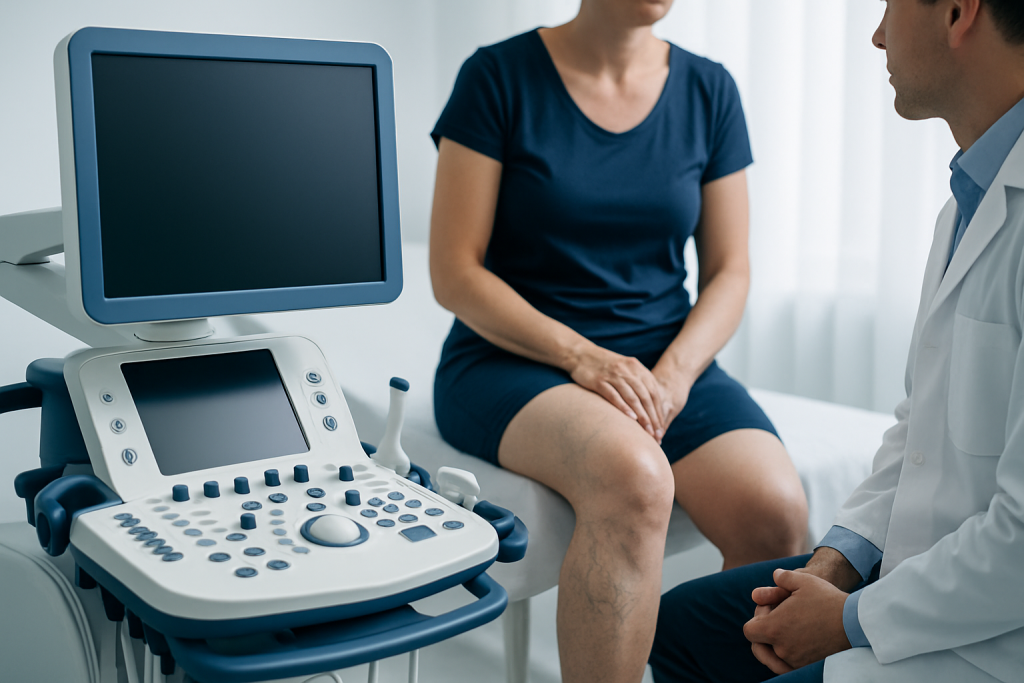
Symptoms alone do not always show how advanced the vein problem is. Some people with strikingly visible veins have little discomfort, while others with only modest surface changes have significant venous insufficiency underneath. That is why treatment decisions are usually based on both symptoms and imaging findings, not appearance alone.
For people traveling for care, keeping a short symptom history can be helpful. Notes about when discomfort began, what worsens it, whether swelling is daily or occasional, and whether compression stockings have helped can make the consultation more productive. This is especially useful when the first appointment needs to cover diagnosis and planning in a limited time window.
Causes & Risk Factors

The pattern of affected veins also matters. Some varicose veins are fed by a larger vein with faulty valves, while others are more localized. This distinction helps specialists decide whether stockings may be enough or whether a procedure would likely provide a better long-term result.
A person’s overall health can influence treatment selection as well. Skin changes, prior vein treatments, clotting history, pregnancy status, and tolerance for downtime all affect the discussion. For patients planning treatment abroad, the medical team should review these details before travel so that the chosen approach fits the person, not just the vein map.
Diagnosis
For patients seeking care abroad, diagnosis is often the stage that separates a straightforward travel plan from a confusing one. A clinic that can provide ultrasound, specialist review, and a treatment recommendation during the same visit may save time and reduce uncertainty. That is particularly helpful when a patient must arrange travel, leave from work, and recovery away from home.
Because varicose vein procedures are usually planned rather than rushed, there is time to review the scan findings, compare options, and understand what to expect during healing. This step is important when choosing care in another country, since the patient should return home with a clear follow-up plan rather than a vague recommendation.
Treatment Options
Not every varicose vein needs the same level of treatment. A person with mild, mostly cosmetic veins may do well with conservative care. Someone with aching, edema, and reflux in a major leg vein may feel better after a targeted procedure that addresses the source of the pressure.
For international patients, procedures are usually planned with recovery in mind. The team may advise short walks soon after treatment, temporary compression, and a period of avoiding heavy exertion or long immobility. A careful plan is especially important when the patient will fly home soon after the procedure, since mobility and follow-up instructions need to be very clear.
At Acibadem Health Point, multidisciplinary specialists and JCI-accredited hospitals can diagnose and treat varicose veins for international patients in a coordinated setting when this is appropriate for their care journey.
Prevention & Self-care
Prevention is not always possible, especially when family history plays a major role, but symptoms can often be kept in check. The aim is to reduce venous pressure, protect the skin, and avoid the cycle of worsening swelling and irritation. Small habits repeated consistently often matter more than dramatic changes.
If stockings have been prescribed, they are usually most useful when worn regularly rather than only on bad days. They should not be assumed to be a permanent substitute for evaluation if symptoms keep progressing. Persistent swelling, skin discoloration, or a new tender cord-like vein should prompt a reassessment.
When to See a Doctor
A specialist review is especially worthwhile if the same veins keep coming back after prior treatment, if symptoms are interfering with work or travel, or if the patient wants a second opinion before committing to a procedure. A well-informed choice is usually more valuable than a quick one.
When the condition is affecting day-to-day life, consulting a qualified vascular or vein specialist can help identify the most appropriate path. The right approach is often the one that matches both the medical findings and the patient’s practical reality, including the need for follow-up after an international trip.
Frequently asked questions
Are compression stockings enough for varicose veins?
They can be enough for mild symptoms, especially if the main goal is comfort and swelling control. However, they do not correct faulty vein valves, so persistent pain, skin changes, or complications may point toward a procedure being more helpful.
How does a doctor decide between stockings and a procedure?
The decision is usually based on symptoms, ultrasound findings, and whether the veins are causing complications. If the reflux is limited and symptoms are mild, conservative care may be reasonable; more advanced disease often benefits from intervention.
What tests are usually needed before varicose vein treatment?
A clinical examination and duplex ultrasound are the most common steps. The ultrasound helps show which veins have reflux and guides the treatment plan.
Can someone travel soon after a varicose vein procedure?
It depends on the procedure, the patient’s overall health, and the treating doctor’s instructions. Many patients can travel after a planned recovery period, but walking, compression use, and timing should be discussed in advance.
Do varicose veins always need surgery?
No, many people manage them without surgery. The term 'surgery' also covers a range of modern minimally invasive procedures, and not all patients need that level of treatment.
What makes treatment abroad different from treatment at home?
The medical principles are the same, but planning is more important because consultation, treatment, and follow-up may need to fit into a short travel schedule. Patients should make sure the clinic can provide a clear diagnosis, a realistic recovery plan, and instructions for continuing care after they return home.
References
- National Heart, Lung, and Blood Institute
- Society for Vascular Surgery
- NICE Guideline on Varicose Veins
- Mayo Clinic
- World Health Organization
This article is for general information only and is not a substitute for professional medical advice. Please consult a qualified doctor about your individual situation.