Blood Clot In Leg: Symptoms, Causes and Treatment

Key Takeaways
- A blood clot in the leg can be serious even when symptoms are mild or unclear.
- Deep vein thrombosis often causes swelling, pain, warmth, or tenderness in one leg.
- Travel, recent surgery, reduced mobility, pregnancy, and some medical conditions can raise risk.
- Doctors usually confirm the diagnosis with an examination and imaging tests such as ultrasound.
- Treatment focuses on preventing the clot from growing or moving and lowering the chance of future clots.
Medically reviewed by the Acıbadem clinical team — August 19, 2026
A blood clot in the leg often refers to deep vein thrombosis, a condition that can limit blood flow and needs timely medical attention. This article explains how it develops, what it can feel like, how doctors diagnose it, and the usual treatment and prevention steps.
Overview
A blood clot in the leg usually means a clot has formed in one of the deep veins, most often in the calf or thigh. This is known as deep vein thrombosis, or DVT. It matters because a clot in a deep vein can block circulation locally and, in some cases, travel to the lungs.
Many people first notice only a change that seems easy to dismiss: one leg feels tighter than usual, the calf looks fuller, or walking becomes uncomfortable in a way that is different from a routine muscle strain. That is why a new, one-sided leg change deserves attention, especially when there is a recent surgery, long travel, bed rest, or another risk factor in the background.
For international patients, DVT can become especially relevant around flights, relocations, and medical travel. A person may feel well enough to continue a trip, yet still develop a clot after long periods of sitting or after a hospital stay. A careful evaluation is the safest way to sort out whether symptoms are caused by a clot, a muscle injury, a vein problem, or something else entirely.
Symptoms
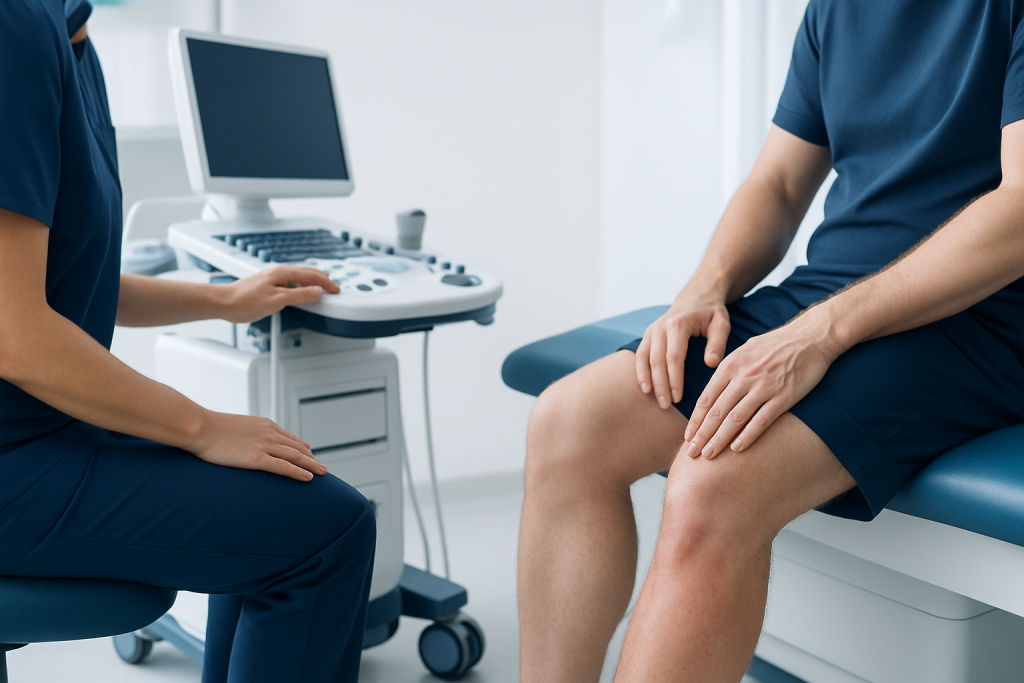
The signs of DVT are often one-sided and may build gradually. The most common pattern is swelling in one leg, sometimes paired with pain, tenderness, or a heavy sensation. The skin may feel warmer than the other side, and the calf can become visibly larger or tighter.
Not everyone has dramatic symptoms. Some clots cause only mild discomfort, and some cause no obvious symptoms at first. That is one reason clinicians take new swelling or pain seriously even when the person can still walk and carry on with daily activities.
Possible symptoms include:
- Swelling in one leg, ankle, or foot
- Pain or cramping, often in the calf
- Warmth over the affected area
- Tenderness when standing or walking
- Skin redness or discoloration
- A feeling of heaviness or tightness
If chest pain, shortness of breath, coughing, or faintness develops, emergency care is needed because those symptoms may suggest a clot has moved to the lungs.
Causes & Risk Factors
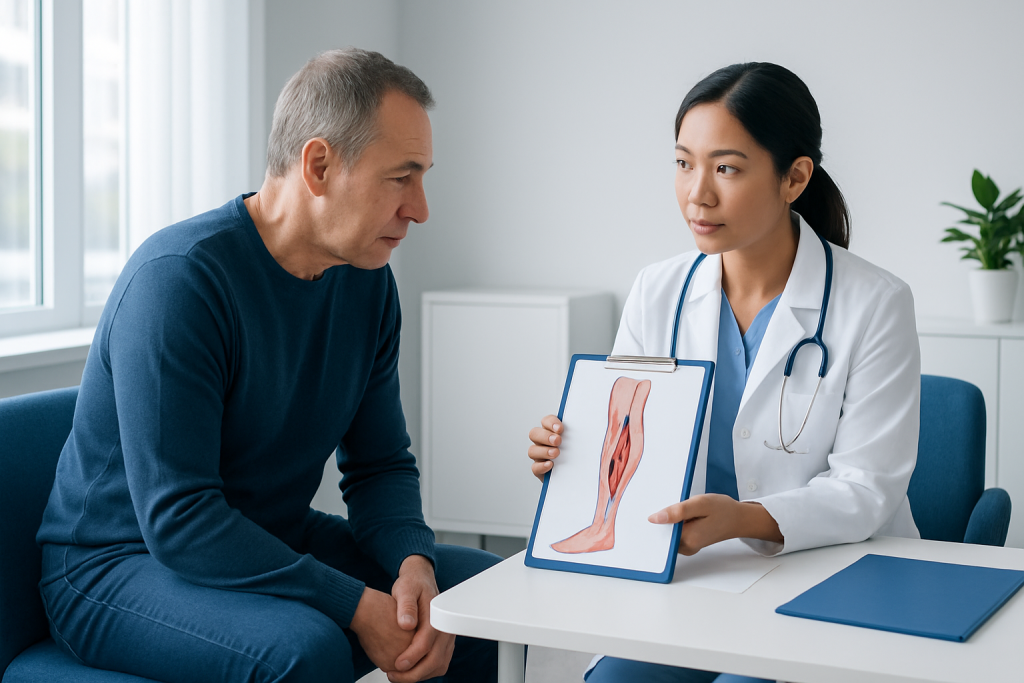
A clot forms when blood flow slows, the vein wall is irritated or injured, or the body’s clotting tendency increases. These are often described as parts of Virchow’s triad, and they help explain why DVT can appear after surgery, illness, or immobility. Sometimes there is no single obvious trigger, but risk still exists.
Common risk factors include recent surgery, hospital admission, prolonged bed rest, long-distance travel, pregnancy and the postpartum period, cancer, smoking, obesity, and certain inherited or acquired clotting disorders. Hormonal medicines, including some forms of estrogen therapy, can also increase risk in certain people. Older age can raise risk as well, although DVT can occur in younger adults too.
Risk is often higher when several factors overlap. For example, a person recovering from surgery may also be sitting for long periods on a flight home, making prevention advice especially important. A doctor can help estimate risk based on the full medical picture rather than one factor alone.
Diagnosis
Doctors begin with a history and physical examination, focusing on symptom onset, recent travel or surgery, medications, prior clots, and family history. Because leg swelling and pain can come from many causes, the goal is to assess how likely a clot is and whether imaging is needed quickly.
An ultrasound of the leg veins is the main test used to confirm DVT in many cases. It is noninvasive and can show whether blood is flowing normally through the veins. In some situations, blood tests such as D-dimer may be used to help assess the likelihood of a clot, especially when symptoms are less clear.
When a clot is not found in the leg but concern remains, doctors may look for other explanations such as a muscle tear, cellulitis, Baker’s cyst, or a superficial vein issue. If there are signs suggesting a clot has reached the lungs, additional testing for pulmonary embolism may be necessary.
Treatment Options
Treatment is aimed at stopping the clot from growing, reducing the chance of a clot reaching the lungs, and lowering the risk of future clots. Anticoagulant medicines, often called blood thinners, are the main treatment for many people with DVT. They do not dissolve the clot instantly, but they help the body break it down safely over time.
Some people may need hospital-based care, especially if symptoms are severe, if there is a high risk of complications, or if another illness is involved. Others can be treated as outpatients with close follow-up. The choice depends on medical history, the clot location, bleeding risk, and whether the person can reliably take medicine and return for review.
In selected cases, additional treatments may be considered. These can include clot-removal procedures for unusual or severe situations, compression therapy for symptom control, and longer-term planning if the clot was caused by a persistent risk factor. A specialist team may also review whether a person needs evaluation for inherited clotting problems or cancer-related causes, depending on age and circumstances.
Prevention & Self-care
Prevention is often practical and highly personal. People at higher risk may be advised to move regularly, stay hydrated, use compression garments when appropriate, and follow medication plans carefully after surgery or during long travel. If a doctor has recommended preventive anticoagulation, consistency matters more than convenience.
Self-care during recovery usually focuses on safe movement and symptom monitoring. Gentle walking is often encouraged once a clinician says it is appropriate, because stillness can slow venous return. It is also sensible to avoid massage of a painful swollen leg until a clot has been ruled out, since the cause should be clear before applying pressure.
Helpful habits may include:
- Standing up and moving at regular intervals during flights or long car rides
- Following postoperative mobility instructions closely
- Taking prescribed medicines exactly as directed
- Watching for new swelling, chest symptoms, or worsening pain
- Keeping follow-up appointments, even after returning home from medical travel
For patients who travel internationally for care, a discharge plan should ideally include medication instructions, Heart Attack Warning Signs: Symptoms and When to Seek Help" class="ahp-ilk">warning signs, and a clear way to contact the treating team after returning home. That continuity can make recovery steadier and less stressful.
When to See a Doctor
A doctor should be contacted promptly for new, unexplained one-sided leg swelling, pain, warmth, or tenderness, especially if risk factors are present. The same advice applies if symptoms appear after surgery, a long trip, or a period of limited mobility. Timely assessment is important because early treatment can reduce complications.
Emergency care is needed right away if leg symptoms are accompanied by chest pain, shortness of breath, coughing up blood, rapid heartbeat, or fainting. Those signs may point to a pulmonary embolism, which requires immediate medical attention.
People already being treated for a clot should also seek medical advice if symptoms worsen, if there is unusual bleeding while on anticoagulants, or if medication doses are missed and the treatment plan is unclear. A clinician can advise whether urgent evaluation or a routine follow-up is the safest next step.
Acibadem Health Point’s multidisciplinary specialists and JCI-accredited hospitals diagnose and treat blood clots in the leg for international patients, with coordinated care before travel, during treatment, and in follow-up.
Living With and Recovering From DVT
Recovery from DVT is often a matter of steady follow-up rather than dramatic interventions. Many people continue normal activities with adjustments, especially once treatment is underway and symptoms are improving. The treatment timeline and activity guidance should be individualized, since the location of the clot, bleeding risk, and overall health all matter.
Some patients notice lingering swelling, aching, or a sense of heaviness after the initial clot is treated. This does not always mean the clot is getting worse. It can reflect healing changes in the vein, and a doctor can help distinguish expected recovery from a new problem.
Longer-term planning may include reviewing whether the clot was provoked by a temporary event or whether an ongoing risk factor needs attention. That conversation helps shape the length of treatment, future travel precautions, and any additional screening or prevention steps.
Frequently Asked Questions
Below are answers to common questions patients ask when they are trying to understand a possible blood clot in the leg and what happens next.
Frequently asked questions
Can a blood clot in the leg go away on its own?
Some small clots may change over time, but a suspected DVT should not be left to self-diagnosis or watchful waiting. Medical evaluation is important because treatment is usually aimed at preventing the clot from enlarging or traveling.
Is leg pain always a sign of a clot?
No. Muscle strain, arthritis, infection, and vein problems can also cause leg pain. What makes DVT more concerning is new one-sided swelling, warmth, tenderness, or symptoms after a risk event such as surgery or long travel.
How is DVT usually treated?
The most common treatment is an anticoagulant medicine to reduce the chance of clot growth and new clot formation. Some people also need compression therapy, close monitoring, or specialist procedures, depending on the situation.
Can I fly after being diagnosed with a blood clot?
Travel decisions should be made with the treating doctor, because timing depends on the clot, the treatment plan, and the person’s overall condition. If travel is unavoidable, the care team can give specific safety advice for the journey.
What should I do if one leg suddenly swells?
A new one-sided swollen leg should be assessed by a doctor as soon as possible, especially if there is pain or warmth. If chest symptoms, shortness of breath, or fainting occur, emergency care is needed immediately.
Can DVT come back after treatment?
Yes, recurrence is possible, particularly if risk factors remain present or if preventive steps are not followed. Doctors often review the cause of the first clot to decide how to lower future risk.
References
- World Health Organization
- Centers for Disease Control and Prevention
- National Heart, Lung, and Blood Institute
- Mayo Clinic
- NHS
This article is for general information only and is not a substitute for professional medical advice. Please consult a qualified doctor about your individual situation.
Explore treatments in Turkey — costs, top hospitals & a free quote
JCI-accredited · board-certified surgeons · reply within 24h
Add us as a Preferred Source to see more of our trusted health content across Google Search, AI Overviews and Discover.