Hair Replacement in Istanbul: What Patients Should Know

Key Takeaways
- Hair replacement is not one single procedure; it may include surgical transplantation or other restoration approaches.
- Good candidates usually have a stable pattern of hair loss and enough donor hair for the planned treatment.
- Careful clinic selection matters because technique, planning, and follow-up influence the final result.
- Recovery usually includes temporary swelling, scabbing, and activity limits during the first days to weeks.
- Patients traveling internationally should plan for consultation, procedure timing, aftercare, and follow-up before booking their trip.
Hair replacement in Istanbul can refer to several approaches to restoring hair, most commonly surgical hair transplantation. For patients traveling from abroad, understanding the procedure, candidacy, recovery, and clinic selection can make the journey safer and more predictable.
Overview
When people search for hair replacement in Istanbul, they are often looking for a practical way to address visible hair loss while combining treatment with the expertise of an established medical center. In most settings, the phrase refers to hair restoration procedures, especially surgical hair transplantation, rather than a single technique. The right option depends on the pattern of hair loss, the quality of the donor area, overall health, and the patient’s expectations.
Istanbul has become a well-known destination for international patients because it offers a broad range of specialists and modern medical facilities. That said, the location alone should never be the deciding factor. A thoughtful consultation, a realistic treatment plan, and a clear understanding of recovery are more important than any promise of convenience or speed.
Patients usually do best when they think of hair restoration as a medical process, not just a cosmetic appointment. Planning should include whether the hair loss is stable, which technique may suit the scalp, how long the results are expected to take to appear, and what support will be available after the patient returns home.
Symptoms and Who May Consider Treatment
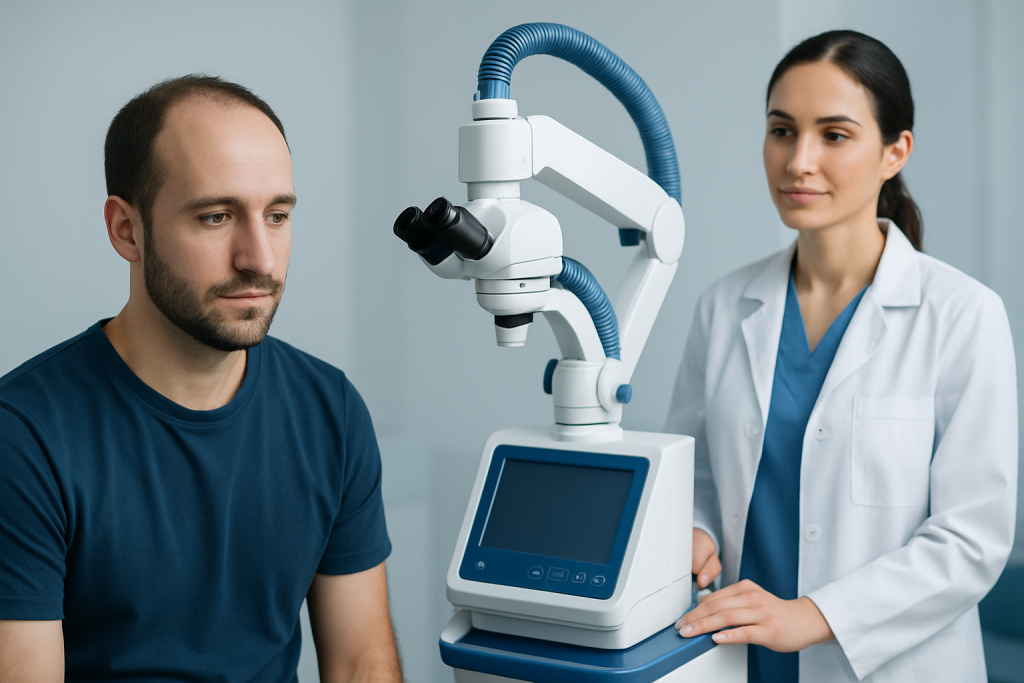
Hair loss can appear in several forms. Some people notice a widening part line, others see a receding hairline, and some experience thinning across the crown or temples. In certain cases, the scalp looks patchy after injury, surgery, infection, or inflammatory skin conditions. The emotional impact can be significant, especially when hair changes continue over time.
Hair replacement is usually considered when hair loss is bothersome, permanent, or unlikely to improve with simpler measures alone. It may be suitable for people with androgenetic alopecia, some forms of scarring hair loss, or localized loss in carefully selected situations. However, not everyone is a candidate for surgery, and some people benefit more from medical management, scalp care, or a staged approach.
A consultation can also help distinguish hair shedding from true hair thinning. Temporary shedding may follow stress, illness, childbirth, nutritional issues, or certain medications. In those cases, the focus may be on identifying and treating the underlying cause rather than immediately planning a restoration procedure.
- Gradual recession at the temples or hairline
- Thinning at the crown or mid-scalp
- Patchy loss from scarring or trauma
- Reduced density that affects styling or confidence
Causes and Risk Factors

The most common cause of progressive hair loss in adults is androgenetic alopecia, a condition influenced by genetics and hormones. In men, this often appears as a receding hairline or thinning crown. In women, it may show up as diffuse thinning across the top of the scalp, with the front hairline often preserved.
Other contributors can include autoimmune disorders, scalp inflammation, fungal infections, traction from tight hairstyles, thyroid disease, iron deficiency, rapid weight change, and certain medicines. Age also plays a role, but younger adults can be affected as well. Because the cause influences the best treatment, evaluation should look beyond appearance alone.
For surgical hair replacement, the donor area is especially important. This is the zone, usually at the back and sides of the scalp, where hair is more resistant to pattern thinning. A patient may have hair loss that is suitable for treatment, but still not have enough donor density for the number of grafts desired. A careful assessment helps avoid overpromising and supports natural-looking planning.
Patients traveling from abroad should also consider general health factors that affect healing, such as smoking, uncontrolled diabetes, blood-clotting issues, or a history of poor wound healing. These do not always rule out treatment, but they do deserve review before any procedure is scheduled.
Diagnosis and Pre-Treatment Assessment
A proper assessment starts with a medical history and scalp examination. The clinician may ask when hair loss began, whether it is still changing, what treatments have already been tried, and whether there is a family history of thinning. The pattern of loss often provides important clues about the cause.
Depending on the case, the evaluation may include a closer look at the scalp with magnification, photos for comparison, and sometimes blood tests to check for contributing issues such as anemia, thyroid imbalance, or nutrient deficiency. If the diagnosis is unclear, a biopsy may occasionally be recommended, especially when inflammation or scarring is suspected.
For patients coming to Istanbul from another country, pre-treatment assessment may begin remotely and continue in person once they arrive. This can be useful for reviewing photos, medical history, medications, and expectations before travel. A good clinic should explain whether the patient is a candidate, how many sessions may be needed, and what results are realistic for the available donor hair.
Treatment Options
Hair replacement may involve several approaches. The best known are follicular unit extraction, often called FUE, and follicular unit transplantation, or FUT. In both methods, healthy hair follicles are taken from the donor area and placed where thinning is visible. The difference lies in how the donor hair is collected.
FUE removes follicles one by one, which can leave tiny dot-like marks that are usually less noticeable. FUT removes a narrow strip of scalp, then separates it into grafts for placement. Each technique has advantages and limitations, and the choice depends on hair characteristics, the extent of loss, donor supply, and the patient’s goals. Some people may also be offered combination planning or staged treatment over time.
Not every hair restoration pathway is surgical. In selected patients, clinicians may recommend medications, scalp therapies, or procedures that support growth and slow progression before or after surgery. These non-surgical measures can be useful when hair loss is still evolving or when surgery alone would not provide a balanced long-term result.
During the procedure, local anesthesia is commonly used. Patients are awake but should be comfortable. The procedure can take several hours, and larger sessions may be divided according to the treatment plan. The aim is not simply to add hair, but to place grafts in a pattern that respects hair direction, density, and the natural shape of the face.
What to Expect Before and After the Procedure
Before treatment, patients are usually advised to review medications, stop or adjust certain products only if the doctor recommends it, and avoid smoking when possible because it can affect healing. The scalp may need to be washed in a specific way, and patients should arrange a comfortable travel schedule so they are not rushed before or immediately after the procedure.
After hair replacement, the scalp commonly shows redness, mild swelling, tiny scabs, and a feeling of tightness or tenderness. These effects are generally temporary. Hair shafts in the transplanted area may shed in the first weeks, which can surprise patients who are not expecting it, but this is often part of the normal cycle before new growth begins.
Recovery instructions usually include gentle washing, protecting the scalp from direct sun, avoiding scratching or pressure, and limiting strenuous exercise for a period of time. Patients traveling home soon after the procedure should understand their aftercare schedule clearly, including when to wash the scalp, when to resume normal activity, and how to contact the clinic if anything unexpected happens.
Visible improvement takes patience. Early changes may appear gradually, and the fuller cosmetic result may take several months to develop. Because international patients may not be able to return quickly, written instructions and remote follow-up options are especially valuable.
Prevention, Maintenance, and Self-Care
Hair restoration does not stop future hair loss in all cases. For that reason, ongoing care matters. Some patients need medical therapy to preserve existing hair, while others require later touch-up procedures if the pattern of thinning continues. A long-term plan should be discussed early, especially in younger patients whose hair loss is still progressing.
Gentle scalp care supports healing and overall comfort. Patients are generally advised to follow the clinic’s washing routine, avoid harsh styling products early in recovery, protect the scalp from sun exposure, and be cautious with hats or helmets until cleared by the doctor. Nutrition, sleep, and stress management can also support general hair health, even though they are not substitutes for medical treatment when hair loss has a specific cause.
It is also wise to keep expectations grounded. A natural result usually depends on hair characteristics such as texture, color contrast, curl pattern, and donor density. The goal is often improved framing and coverage rather than a return to the exact hairline of adolescence. Honest planning tends to produce more satisfying outcomes than chasing an unrealistically dense result.
When to See a Doctor
Medical evaluation is appropriate when hair loss is sudden, patchy, accompanied by scalp pain or redness, or associated with itching, scaling, or visible inflammation. These features can point to conditions that need prompt diagnosis before any restoration plan is considered. A doctor should also evaluate hair loss that follows illness, medication changes, hormonal shifts, or significant stress.
Patients should seek expert advice before choosing a hair replacement procedure if they have ongoing medical conditions, take blood-thinning medicines, or have a history of keloids, poor wound healing, or skin disease affecting the scalp. A qualified clinician can explain whether surgery is suitable, which technique is safest, and whether medical treatment should come first.
For international patients, it is helpful to speak with the clinic early enough to clarify the consultation process, travel timing, and follow-up arrangements. Acibadem Health Point can support patients with multidisciplinary specialists in JCI-accredited hospitals that diagnose and treat hair loss conditions for international patients, helping them move through evaluation and recovery with coordinated care.
Recovery, Follow-up, and Travel Planning
Patients who travel for hair replacement should think beyond the procedure date itself. The first follow-up visit, immediate healing period, and the logistics of returning home are all part of the treatment plan. A stable travel schedule, access to the clinic’s contact details, and clear written instructions can reduce stress after the procedure.
Follow-up may include checking the scalp, reviewing healing, and confirming when the patient can resume normal grooming or sports. If the treatment is staged, the clinician may later reassess density, donor availability, and whether additional work would be helpful. This long view is especially relevant for patients whose hair loss pattern may continue to change over time.
Patients generally benefit from asking in advance who will manage concerns after they return home, how photos should be sent for review, and what symptoms should prompt contact with the medical team. Good aftercare is not an optional extra; it is part of responsible hair restoration.
Frequently asked questions
What does hair replacement mean in medical terms?
In medical use, hair replacement usually refers to hair restoration, most often surgical hair transplantation. It may also include non-surgical treatments that help preserve hair or support growth. A doctor can explain which meaning applies in a specific case.
Who is a good candidate for hair replacement in Istanbul?
A good candidate usually has a stable type of hair loss and enough donor hair for the planned treatment. Overall health, scalp condition, and realistic expectations are also important. Not everyone needs surgery, so assessment should come first.
Is FUE better than FUT?
Neither method is universally better; each suits different needs. FUE and FUT differ in how donor follicles are collected, how the scalp heals, and how the final plan is designed. The choice depends on the patient’s hair pattern, donor supply, and the surgeon’s recommendation.
How long does recovery usually take?
The scalp often needs a short period of protected healing, with redness and scabbing improving over days to weeks. Patients should avoid strenuous activity and follow washing instructions carefully. Final cosmetic improvement develops gradually over several months.
Will transplanted hair keep growing permanently?
Transplanted follicles are usually chosen from areas that are more resistant to pattern hair loss, so they often continue to grow for a long time. However, natural hair around them may still thin over time. Some patients need ongoing treatment to protect existing hair.
What should international patients ask before traveling?
They should ask about candidacy, the technique recommended, how many days to stay, follow-up arrangements, and what to do if concerns arise after they return home. It is also wise to confirm who will provide aftercare instructions and remote review if needed.
References
- American Academy of Dermatology
- International Society of Hair Restoration Surgery
- Mayo Clinic
- British Association of Dermatologists
This article is for general information only and is not a substitute for professional medical advice. Please consult a qualified doctor about your individual situation.
More from the Health Library

Breast Lift With or Without Implants: Which Result Fits Your Volume, Position, and Skin?

Revision Rhinoplasty: When Another Operation Is Too Early