BiPAP: Uses, Benefits and Side Effects

Key Takeaways
- BiPAP delivers a higher pressure when inhaling and a lower pressure when exhaling.
- It may be used for conditions such as COPD flare-ups, sleep-related breathing problems, or other causes of breathing difficulty.
- A proper mask fit and careful follow-up make the treatment easier to tolerate and more effective.
- BiPAP does not replace medical evaluation when breathing changes are sudden, severe, or new.
- People traveling for care may need help learning the device, checking settings, and planning safe follow-up after returning home.
Medically reviewed by the Acıbadem clinical team — August 19, 2026
BiPAP is a type of noninvasive breathing support that helps move air into and out of the lungs with two different pressure settings. It is used in several breathing-related conditions and is often discussed when a patient needs support without an invasive ventilator.
Overview
BiPAP is short for bilevel positive airway pressure. It is a noninvasive way to support breathing by sending pressurized air through a mask, usually placed over the nose, mouth, or both. The word “bilevel” describes the key feature of the treatment: one pressure level helps a person breathe in, and a lower pressure level makes it easier to breathe out.
For many patients, BiPAP is used when breathing feels too effortful and the lungs need extra support without the immediate need for a breathing tube. It may be used in hospitals, in sleep medicine, and sometimes at home after a doctor has assessed the situation carefully. Because the device works through a mask, it can be a practical option for patients who need respiratory help but want to avoid more invasive treatment when clinically appropriate.
For international patients, BiPAP is often introduced as part of a broader breathing plan that may include sleep testing, lung function review, imaging, or medication adjustments. The exact role of the device depends on the underlying reason for breathlessness, so the first step is always identifying why breathing has become difficult.
Symptoms
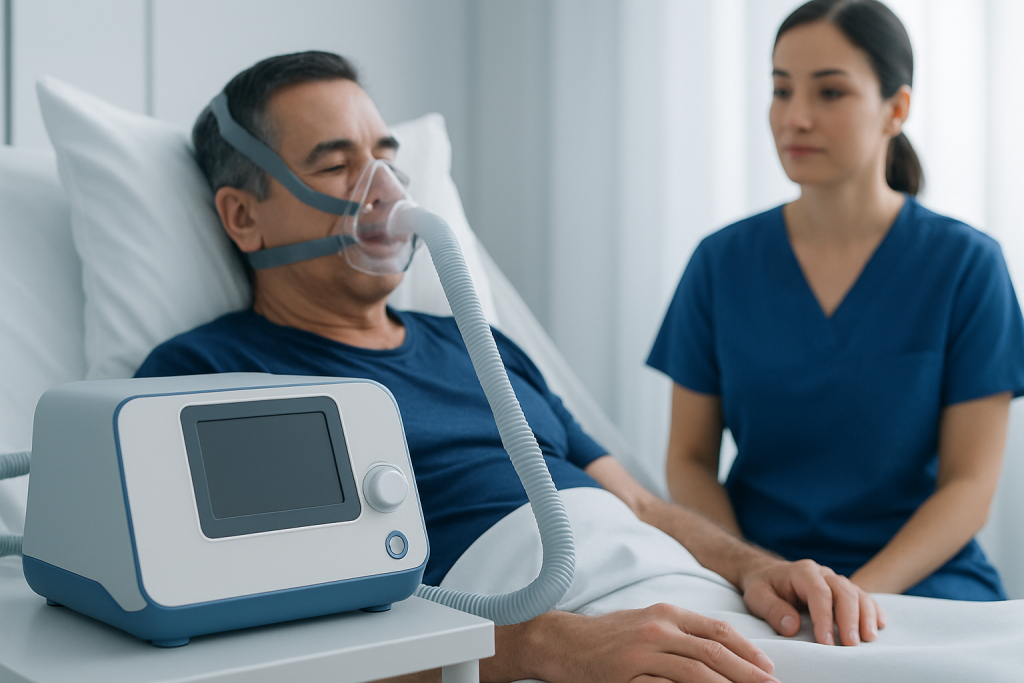
BiPAP is not a symptom itself; it is a support treatment used when breathing problems suggest that extra pressure may help. Doctors may consider it when a person has shortness of breath, shallow breathing, or signs that the body is working too hard to keep oxygen and carbon dioxide levels balanced.
People who may be evaluated for BiPAP often report waking unrefreshed, daytime sleepiness, morning headaches, chest tightness from labored breathing, or a sense that they cannot get a full breath. In hospital settings, the clue may be faster breathing, visible effort with each breath, or abnormal blood gas results that show the lungs are not exchanging air efficiently.
In sleep-related conditions, symptoms may appear at night first, such as loud snoring, pauses in breathing, restless sleep, or frequent awakenings. In chronic lung disease, symptoms can become more noticeable during flare-ups, especially when an infection, fluid overload, or another stressor makes breathing harder than usual.
Causes & Risk Factors
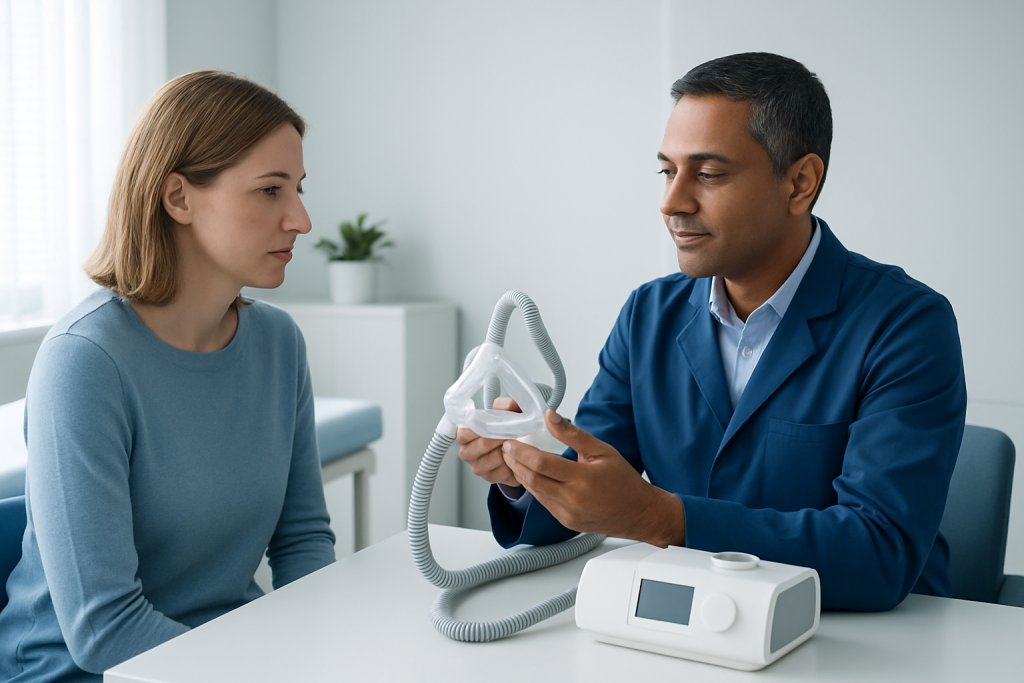
BiPAP is used for several different medical situations, and the underlying cause matters more than the machine itself. A clinician may recommend it for obstructive sleep apnea when a patient needs a pressure pattern that is more comfortable or better suited to their breathing pattern. It may also be used in chronic obstructive pulmonary disease, certain forms of obesity-related breathing difficulty, neuromuscular weakness, or temporary respiratory distress in the hospital.
Some patients are more likely to need noninvasive ventilation because their lungs, airway, or breathing muscles are under strain. Risk factors can include smoking-related lung disease, severe obesity, neuromuscular disorders, chest wall disorders, and repeated respiratory infections. Older age, poor sleep quality, and other long-term medical problems can also make breathing support more likely to be part of the care plan.
It is helpful to think of BiPAP as a tool that addresses a problem, not a diagnosis. A doctor still needs to determine whether the main issue is airway collapse during sleep, reduced breathing drive, weak respiratory muscles, or impaired gas exchange in the lungs.
Diagnosis
Before BiPAP is started, the medical team usually looks for the reason breathing is struggling. The evaluation may include a physical examination, oxygen measurement, blood tests, chest imaging, lung function testing, or an arterial blood gas test. If sleep-related breathing trouble is suspected, an overnight sleep study may be recommended to clarify what happens during the night.
During assessment, doctors also consider whether the patient should use BiPAP immediately or whether another treatment is more appropriate. In some cases, a person may need oxygen, medication, airway clearance, or a different type of ventilatory support. The goal is to match the device to the need, not simply to place a machine on the patient without a clear reason.
For patients coming from abroad, this stage is often where a multidisciplinary team becomes valuable. Respiratory specialists, sleep physicians, nurses, and respiratory therapists may all contribute to selecting settings, teaching mask use, and planning follow-up that can continue safely after the patient returns home.
Treatment Options
BiPAP therapy is delivered through a close-fitting mask connected to a machine that provides two levels of air pressure. The higher inhalation pressure helps open the airway and move air in, while the lower exhalation pressure makes breathing out more manageable. This pressure pattern can reduce the work of breathing and, in the right patient, improve ventilation and comfort.
How BiPAP is used depends on the setting. In the hospital, it may be started for acute breathing distress and monitored closely. At home, it may be prescribed for ongoing use, often during sleep. Some patients need only temporary support, while others use it longer term as part of chronic disease management. Comfort adjustments, humidification, and gradual adaptation may help people tolerate treatment better.
Common practical issues include dry mouth, mask leaks, skin irritation, and feeling anxious at first. These concerns are often manageable with proper fitting, coaching, and device review. If symptoms do not improve or the machine feels intolerable, the settings or interface may need adjustment by the care team rather than simply being abandoned.
A few general points are useful to remember:
- BiPAP should be used exactly as prescribed.
- The mask should fit securely without causing pain.
- Cleaning and maintenance matter for both comfort and hygiene.
- Changes in breathing, sleep quality, or alertness should be reported to the clinician.
Prevention & Self-care
BiPAP itself is not a condition to prevent, but many of the breathing problems that lead to its use can be reduced or better controlled. People with chronic lung or sleep-related conditions often benefit from avoiding smoking, staying current with vaccinations, following prescribed medications, and treating infections or flare-ups promptly. Weight management may also be part of the plan when sleep-disordered breathing or obesity-related hypoventilation is involved.
Self-care with BiPAP focuses on consistency and comfort. Patients do better when they learn how to place the mask correctly, keep the equipment clean, and recognize common issues early. Using a humidifier if recommended, protecting the skin where the mask rests, and letting the care team know about dryness or pressure marks can make the experience more sustainable.
International patients may need an extra layer of preparation before travel or after discharge. It can be useful to ask for written instructions, the device settings, replacement supplies, and a clear plan for follow-up with a local clinician at home. If the treatment is part of post-hospital recovery, the team should also explain what breathing changes would be expected and what changes should prompt reassessment.
When to See a Doctor
Medical advice should be sought whenever breathing becomes new, worse, or harder to control. A person should not wait if breathlessness is interfering with daily activities, sleep is repeatedly interrupted by breathing problems, or there is confusion, bluish color around the lips, or marked drowsiness. These signs need prompt evaluation because the cause may require treatment beyond home support.
It is also important to speak with a doctor if BiPAP is prescribed but the person cannot tolerate the mask, feels worse on the device, or notices frequent leaks, pressure sores, bloating, or persistent dryness. These problems are common enough to discuss and are often improved with adjustments.
For those traveling for care, follow-up matters as much as the original setup. Acibadem Health Point’s multidisciplinary specialists and JCI-accredited hospitals diagnose and treat breathing conditions for international patients, with attention to teaching, device adaptation, and continuity of care after discharge.
Living With BiPAP
Adjusting to BiPAP is often a process rather than a single event. Many patients need time to get used to the sensation of airflow, the sound of the machine, and the routine of using it nightly or during recovery. Small changes, such as trying different mask styles or practicing while awake for short periods, can make the transition smoother.
Tracking how the person feels after starting therapy can be very helpful. Better morning alertness, less shortness of breath, and more restful sleep may suggest the treatment is helping, while ongoing fatigue or discomfort may point to a need for reassessment. A structured follow-up visit is a good opportunity to review adherence, device data if available, and any lingering symptoms.
Because breathing support sits at the intersection of comfort, safety, and long-term disease control, patients should feel encouraged to ask questions. Clear explanations and regular review help make BiPAP feel less technical and more like a practical tool that supports everyday health.
Frequently asked questions
What is the difference between BiPAP and CPAP?
BiPAP provides two pressure levels: one for inhaling and one for exhaling. CPAP uses one steady pressure throughout the breathing cycle. A doctor chooses the device based on the person’s condition, comfort, and breathing pattern.
Is BiPAP only used in the hospital?
No. BiPAP may be used in the hospital for short-term breathing support or at home for ongoing therapy, depending on the diagnosis. The setting and duration are guided by the treating clinician.
Can BiPAP cure sleep apnea or lung disease?
BiPAP does not cure the underlying condition. It helps manage breathing and reduce strain while the cause is treated or monitored. The overall plan may also include medication, lifestyle changes, or other therapies.
What if the mask feels uncomfortable?
Mask discomfort is common at first and should be discussed with the care team. Different mask styles, fit adjustments, or humidification may improve comfort. It is better to troubleshoot than to stop treatment on one’s own.
Does a person need a sleep study before using BiPAP?
Not always. A sleep study is often used when sleep apnea is suspected, but BiPAP can also be started after other types of respiratory evaluation, especially in the hospital. The right test depends on the reason breathing support is being considered.
When should breathing problems be treated as urgent?
Sudden or severe shortness of breath, bluish lips, confusion, chest pain, or extreme sleepiness should be evaluated promptly. These symptoms can signal a serious breathing problem that needs immediate medical attention.
References
- American Thoracic Society
- National Heart, Lung, and Blood Institute
- Mayo Clinic
- World Health Organization
- Sleep Foundation
This article is for general information only and is not a substitute for professional medical advice. Please consult a qualified doctor about your individual situation.
Explore treatments in Turkey — costs, top hospitals & a free quote
JCI-accredited · board-certified surgeons · reply within 24h
Add us as a Preferred Source to see more of our trusted health content across Google Search, AI Overviews and Discover.