BiPAP Machine: Uses, Benefits and Risks
Key Takeaways
- BiPAP provides two pressure levels: a higher one for breathing in and a lower one for breathing out.
- It may be used for sleep apnea, COPD, and some other conditions that make breathing harder.
- A good mask fit, humidification, and gradual adjustment can improve comfort and regular use.
- BiPAP is not the same as oxygen therapy, although some people may need both.
- If symptoms or machine comfort change, a clinician should reassess settings and mask fit.
Medically reviewed by the Acıbadem clinical team — August 19, 2026
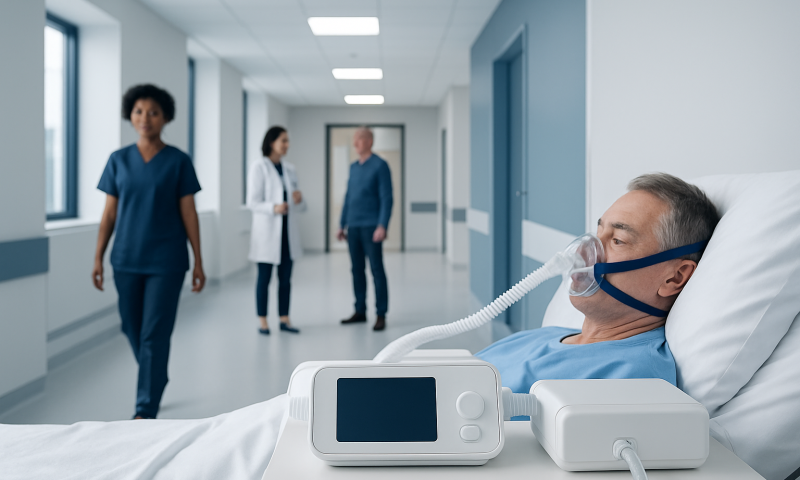
A BiPAP machine is a form of noninvasive breathing support that delivers two pressure levels to help a person inhale and exhale more comfortably. It may be prescribed for sleep-related breathing problems or certain lung and nerve conditions, and it is best used with proper medical guidance and follow-up.
Overview
A BiPAP machine, short for bilevel positive airway pressure, is a type of noninvasive ventilation that supports breathing through a mask rather than a breathing tube. It delivers one pressure level when a person inhales and a lower pressure level when they exhale, which can make breathing feel more natural than a single-pressure device for some patients.
BiPAP is often discussed alongside CPAP, but the two are not identical. CPAP provides one continuous pressure, while BiPAP adjusts between inhaling and exhaling pressures. That difference matters when a person needs more help taking breaths, has trouble exhaling against pressure, or has a condition that affects how well the body moves air in and out.
For international patients, BiPAP therapy is usually part of a broader care plan that begins with a diagnostic visit, followed by device fitting, education, and later review. In many cases, success depends less on the machine itself and more on matching the settings, mask, and follow-up to the person’s diagnosis and daily routine.
Symptoms and Reasons It May Be Prescribed
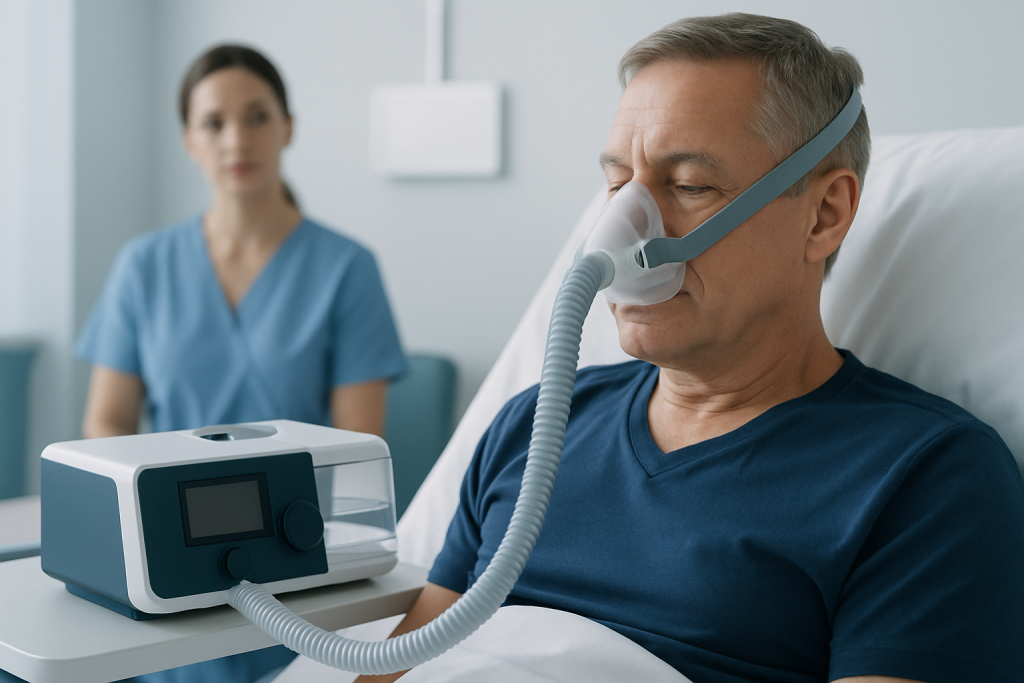
BiPAP is not usually chosen for one symptom alone. It is prescribed when a clinician sees signs that a person may benefit from breathing assistance, often after reviewing sleep patterns, oxygen levels, blood gases, or a known lung or neuromuscular condition.
Common situations include loud snoring with pauses in breathing during sleep, morning headaches, waking unrefreshed, shortness of breath that is worse at night, or difficulty clearing carbon dioxide from the body. Some people with chronic lung disease, obesity hypoventilation syndrome, or certain muscle and nerve disorders may also use BiPAP to reduce the effort of breathing.
- Obstructive sleep apnea in selected patients
- Chronic obstructive pulmonary disease with breathing failure
- Obesity hypoventilation syndrome
- Neuromuscular weakness affecting the breathing muscles
- Acute episodes of respiratory distress in a monitored setting
Because these symptoms can overlap with many other conditions, BiPAP should not be started based only on self-observation. A qualified clinician can determine whether the issue is airway obstruction, poor ventilation, oxygenation problems, or another concern that needs different treatment.
Causes and Risk Factors
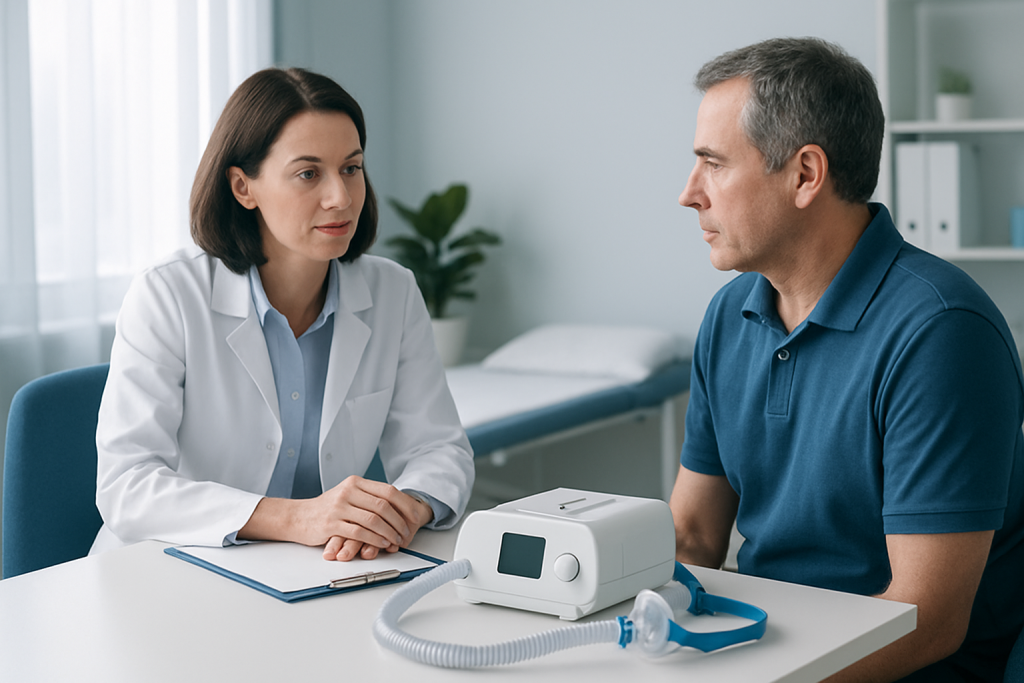
BiPAP is used when the body is not moving air effectively on its own. That may happen because the upper airway collapses during sleep, the lungs cannot empty fully, breathing muscles are weak, or the brain’s drive to breathe is reduced during certain illness states.
Risk factors vary depending on the underlying diagnosis. Excess body weight, older age, smoking history, long-term lung disease, sleep apnea, facial structure that narrows the airway, and certain neurologic disorders can all increase the chance that a person will need some form of ventilatory support.
It is also important to remember that BiPAP is a treatment tool, not a diagnosis. The machine may help relieve symptoms, but clinicians still look for the condition behind the breathing difficulty so care can be targeted and adjusted over time.
Diagnosis and Medical Evaluation
Before BiPAP is prescribed, the care team usually confirms why breathing support is needed. Depending on the suspected condition, evaluation may include a sleep study, pulse oximetry, arterial blood gas testing, pulmonary function tests, chest imaging, or a detailed review of symptoms and medications.
If sleep apnea is suspected, a sleep medicine specialist may recommend an overnight study either in a lab or at home. If chronic lung disease is the main concern, the clinician may focus on carbon dioxide retention, oxygen levels, and whether a person is having trouble breathing during sleep or at rest.
For patients traveling from another country, it helps to bring prior test results, imaging, prescriptions, and a list of current treatments. This often shortens the pathway to the right settings and reduces the chance of repeating tests that have already been done recently.
Treatment Options and How BiPAP Works
BiPAP therapy works by giving extra air pressure through a nasal mask, full-face mask, or similar interface. The higher inhalation pressure helps open the airway and support each breath in, while the lower exhalation pressure makes it easier to breathe out and may improve comfort for people who struggle with standard continuous pressure.
In some patients, BiPAP is used at night only. In others, it may be used for longer periods, especially when the lungs or breathing muscles need more support. Some devices also include backup breathing rates or additional modes for more specialized situations, which are selected by the treating clinician.
BiPAP may be combined with oxygen therapy if oxygen levels are low, but the two are different. Oxygen adds more oxygen to inhaled air, while BiPAP assists the mechanics of breathing. A clinician decides whether one or both are needed based on the cause of the breathing problem.
Treatment usually includes a fitting session, pressure adjustment, and education on mask placement, cleaning, and troubleshooting. The first weeks matter because early discomfort is common, and a few practical adjustments often improve use:
- Trying a different mask style or size
- Using humidification if dryness develops
- Adjusting straps without overtightening
- Checking for air leaks
- Reviewing settings if breathing still feels difficult
Prevention and Self-care
BiPAP itself does not prevent a condition from developing, but good self-care can improve how well therapy works and may reduce the strain of chronic breathing problems. Consistent use is usually more helpful than occasional use, especially when the device is prescribed for sleep-related breathing issues or chronic hypoventilation.
Cleaning the mask and tubing as instructed can reduce irritation and help the equipment last longer. Keeping the face and skin dry before use may lessen pressure marks, and using humidification can make nasal dryness or mouth dryness more manageable. If the person breathes through the mouth at night, the care team may suggest a different mask type.
Lifestyle measures are also part of the picture. For some patients, weight management, smoking cessation, lung rehabilitation, and regular follow-up visits can support better breathing overall. If travel is involved, it is wise to carry the device safely, pack adapters if needed, and confirm how follow-up will happen after returning home.
When to See a Doctor
A doctor should be consulted if a person has loud snoring with breathing pauses, persistent daytime sleepiness, unexplained morning headaches, worsening shortness of breath, or repeated awakenings feeling breathless. These signs may point to sleep apnea or another breathing disorder that deserves evaluation.
Anyone already using BiPAP should seek reassessment if the mask no longer fits, air leaks are frequent, the pressure feels too strong or too weak, sleep remains poor, or symptoms return despite regular use. A clinician can decide whether the issue is equipment-related, settings-related, or due to a change in the underlying condition.
Urgent medical care is needed for severe shortness of breath, blue lips or fingers, confusion, chest pain, or a sudden drop in alertness. For international patients, coordinated evaluation by respiratory and sleep specialists can make it easier to move from testing to treatment and then to safe follow-up after returning home. Acibadem Health Point’s multidisciplinary specialists and JCI-accredited hospitals diagnose and treat this condition for international patients.
Living With BiPAP: Practical Adjustments That Matter
Many people do best once they stop treating BiPAP as a device to “get used to” and instead approach it as a process to fine-tune. Comfort improves when the setup matches the person’s breathing pattern, facial structure, sleep position, and schedule.
Small details can change the experience noticeably. A humidifier may help if the air feels too dry. A different pillow may reduce mask pressure when sleeping on the side. A clinician may also review data from the machine to see whether therapy is effective overnight and whether changes are needed.
When BiPAP is part of long-term care, regular review matters even if symptoms improve. Breathing needs can change over time, and a stable plan usually comes from periodic reassessment rather than a one-time prescription.
Frequently asked questions
What is the difference between BiPAP and CPAP?
BiPAP delivers two pressure levels, one for inhaling and a lower one for exhaling. CPAP uses one constant pressure throughout the breathing cycle. A clinician chooses the device based on the person’s condition, comfort, and breathing needs.
Is a BiPAP machine only for sleep apnea?
No. It can also be used for chronic lung disease, obesity hypoventilation syndrome, and some neuromuscular conditions. The right indication depends on why breathing support is needed.
Does BiPAP replace oxygen therapy?
Not necessarily. BiPAP helps move air in and out more effectively, while oxygen therapy raises the oxygen level in inhaled air. Some people need one treatment, and others need both.
Is BiPAP difficult to get used to?
Some people need a short adjustment period, especially with the mask or air pressure. Mask changes, humidification, and pressure review often improve comfort. If discomfort continues, the settings should be checked by a clinician.
Can a BiPAP machine be used at home?
Yes, many patients use BiPAP at home after proper evaluation and setup. Home use should still be supervised by a qualified clinician so the settings remain appropriate and effective.
What should someone do if the machine feels wrong or symptoms return?
They should contact the prescribing clinician or sleep and breathing team for reassessment. A change in symptoms can mean the mask fit, pressure settings, or underlying condition needs review.
References
- American Academy of Sleep Medicine
- National Heart, Lung, and Blood Institute
- American Lung Association
- Mayo Clinic
- MedlinePlus
This article is for general information only and is not a substitute for professional medical advice. Please consult a qualified doctor about your individual situation.
Explore treatments in Turkey — costs, top hospitals & a free quote
JCI-accredited · board-certified surgeons · reply within 24h
Add us as a Preferred Source to see more of our trusted health content across Google Search, AI Overviews and Discover.