

BBL: Uses, Recovery and Risks

Key Takeaways
- A BBL uses fat taken from another part of the body rather than an implant.
- Good candidates usually have enough donor fat and realistic goals about shape, not just size.
- Recovery depends on protecting the transferred fat, so sitting and sleeping positions may need to change for a while.
- Like any surgery, a BBL has risks, and choosing an experienced plastic surgeon is important.
- International patients should plan for follow-up care before traveling home.
Medically reviewed by the Acıbadem clinical team — August 19, 2026
A Brazilian butt lift, often called a BBL, is a body-contouring procedure that uses a person’s own fat to enhance the shape of the buttocks. This guide explains how it is planned, what recovery usually involves, and which questions matter most when considering surgery abroad.
Overview
A BBL, short for Brazilian butt lift, is a body-contouring procedure that aims to improve the shape and projection of the buttocks using the person’s own fat. In many cases, surgeons remove fat from areas such as the abdomen, flanks, back, or thighs and then place that fat strategically in the buttocks.
The appeal of a BBL is not only added volume. Many people are drawn to the way the procedure can reshape the overall silhouette by reducing fullness in one area and enhancing curves in another. For patients thinking about treatment abroad, it is often helpful to view the surgery as a planning process rather than a single operation: consultation, imaging or medical review, surgery, early recovery, and follow-up all matter.
Because the procedure combines liposuction and Facial Fat Transfer vs. Fillers: Which Option Fits a Shorter Stay Abroad?" class="ahp-ilk">fat transfer, it is both aesthetic and technical. Outcomes depend on surgical judgment, skin quality, body proportions, healing, and how much fat survives after transfer. A careful consultation should focus on what is realistically achievable for that individual body rather than on a one-size-fits-all ideal.
What a BBL is meant to change

A BBL is usually chosen by adults who want a fuller, rounder, or more lifted buttock contour without using an implant. Some people want to restore shape after weight changes, pregnancy, or aging, while others simply feel their lower body proportions are not balanced.
The procedure can also improve the transition from the waist, hips, and thighs into the buttocks, which may create a smoother body line. That said, it is not designed to correct every concern. A BBL does not treat skin laxity in the same way as a lift procedure, and it cannot guarantee symmetry, firmness, or a specific clothing size.
Patients who travel for cosmetic surgery often benefit from discussing photographs, recovery expectations, and lifestyle needs before booking surgery. The best plan is one that fits the body safely and the patient’s practical life afterward, including time for rest, safe sitting, and follow-up visits.
Who may be a candidate

Not everyone who wants a BBL is automatically a good candidate. Surgeons usually look for someone who is generally healthy, close to a stable weight, and has enough donor fat to harvest from other areas of the body. They also assess whether the person can follow postoperative instructions carefully.
People with certain medical issues, a history of poor wound healing, smoking or nicotine use, uncontrolled chronic illness, or unrealistic expectations may need more evaluation before surgery. A detailed medical review matters because fat transfer surgery depends on both safe anesthesia planning and a body that can heal well.
For international patients, candidacy also includes logistics. It is important to know whether there will be enough time for preoperative testing, the initial recovery period, and an in-person postoperative check before returning home. If travel plans are rushed, the safest option may be to postpone surgery until timing is more suitable.
How the procedure is performed
A BBL generally begins with liposuction. The surgeon removes fat from selected areas and processes it so that healthy fat cells can be prepared for transfer. That fat is then injected into the buttocks in small amounts and in carefully planned layers to shape contour and projection.
The technique matters greatly. The surgeon aims to place fat in a way that supports circulation and natural-looking results while respecting safety principles. Because the procedure involves both body sculpting and grafting, the final look often reflects the balance between the donor areas and the buttocks rather than a simple increase in volume.
Patients should expect surgery to be followed by specific instructions about compression garments, movement, and pressure avoidance. Those details are not minor afterthoughts; they are part of the procedure’s success. In a travel setting, they should be explained clearly before discharge so the patient knows what can and cannot be done once back at the hotel or during the flight home.
Risks and possible complications
Every operation has risk, and a BBL is no exception. Common surgical risks can include bleeding, infection, pain, swelling, bruising, contour irregularity, asymmetry, fluid collection, and temporary numbness. Some transferred fat may not survive, which can affect the final shape.
There are also more serious risks specific to fat transfer. These are uncommon but important to understand, especially when evaluating where and by whom surgery is performed. A reputable surgeon should explain these risks directly, not minimize them, and should discuss how technique, monitoring, and operating standards are used to reduce risk.
Patients should be cautious about any promise of a perfect outcome or a very fast recovery. A thoughtful consultation includes a real conversation about complications, what symptoms should prompt urgent medical attention, and how postoperative follow-up will be managed after the patient leaves the clinic or country.
Recovery and healing
Recovery after a BBL usually asks for patience. The body needs time for swelling to settle, liposuction areas to recover, and transferred fat to establish its blood supply. During the early phase, pressure on the buttocks is often limited so the fat is not compressed unnecessarily.
Patients may be given guidance on how to sit, stand, sleep, wear garments, and move around safely. Gentle walking is often encouraged early on, but strenuous activity, heavy lifting, and prolonged pressure on the treated area are usually restricted for a period of time. The exact plan varies by surgeon and by the extent of surgery.
For someone traveling internationally, recovery planning should start before the trip. That means arranging a companion if possible, choosing accommodations that support rest, and making sure any required postoperative checks are scheduled before departure. It is also wise to know which local doctor or clinic can be contacted if a concern arises after returning home.
Prevention & self-care
There is no way to guarantee a surgical outcome, but patients can support safer healing by following instructions closely. That typically includes avoiding nicotine, keeping follow-up appointments, using prescribed garments or supports as directed, and protecting the surgical areas from unnecessary pressure or trauma.
Nutrition, hydration, and rest also play a role in recovery. A body that is healing from liposuction and fat transfer benefits from steady routines and from avoiding unnecessary strain. Patients should ask in advance about showering, bathing, travel, driving, and returning to work so the first weeks feel organized rather than uncertain.
Self-care after a BBL should also include emotional realism. Swelling can make results look different at first, and changes may continue for months. It is usually wiser to judge healing gradually, with the surgeon’s guidance, rather than focusing on day-to-day fluctuations.
- Follow sitting and sleeping instructions carefully.
- Attend all postoperative reviews before and after travel.
- Avoid smoking and nicotine products.
- Watch for unusual pain, fever, or wound changes and report them promptly.
When to see a doctor
Patients should contact their surgeon or seek medical care if they develop worsening pain, fever, increasing redness, unexpected drainage, shortness of breath, dizziness, leg swelling, or any symptom that feels out of step with normal recovery. It is always better to ask early than to wait and wonder.
Even if the issue seems minor, a postoperative question deserves attention when the person is recovering far from the operating team. International patients should know the exact contact route for urgent questions and should not hesitate to reach out if they are unsure whether a symptom is expected.
Before deciding on a BBL, it is also appropriate to ask for a second opinion if anything about the consultation feels rushed or unclear. A well-planned cosmetic operation should leave the patient informed, not pressured. Acibadem Health Point’s multidisciplinary specialists and JCI-accredited hospitals diagnose and treat this condition for international patients, with care pathways that can support both surgery and follow-up planning.
Frequently asked questions
What does BBL mean in medical terms?
BBL usually refers to a Brazilian butt lift, a cosmetic procedure that enhances the buttocks using the patient’s own fat. It combines liposuction with fat transfer, so the donor areas and the buttocks are both part of the treatment plan. The exact approach depends on the patient’s body shape and surgical goals.
Is a BBL the same as a butt implant?
No. A BBL uses fat from another part of the body, while implants use a manufactured device placed in the buttocks. Surgeons may recommend one option over the other depending on body type, desired result, and safety considerations.
How long does recovery usually take?
Recovery is gradual and varies from person to person. Early healing often requires careful attention to sitting, sleeping, and activity limits, while swelling and shape changes may continue for weeks or months. The surgeon’s instructions should guide each stage.
Will all of the transferred fat stay in place?
Not necessarily. Some of the transferred fat may be reabsorbed by the body during healing, which is a normal part of fat grafting. Surgeons plan for this by placing fat carefully and by explaining that the final result can change over time.
Can a BBL be done if the person is very slim?
It may be more challenging if there is limited donor fat available. In that situation, the surgeon may discuss whether the person is a candidate or whether another approach would be more suitable. A realistic evaluation is the safest place to start.
What should international patients ask before booking surgery?
They should ask about the surgeon’s experience, the operative technique, expected recovery restrictions, follow-up schedule, and what to do if a problem arises after flying home. It is also helpful to confirm whether enough time is set aside for healing before travel. Clear answers before the trip reduce confusion afterward.
References
- American Society of Plastic Surgeons
- American Society for Aesthetic Plastic Surgery
- International Society of Aesthetic Plastic Surgery
- National Health Service
- U.S. Food and Drug Administration
This article is for general information only and is not a substitute for professional medical advice. Please consult a qualified doctor about your individual situation.
Explore treatments in Turkey — costs, top hospitals & a free quote
JCI-accredited · board-certified surgeons · reply within 24h
Add us as a Preferred Source to see more of our trusted health content across Google Search, AI Overviews and Discover.
More from the Health Library



Related Specialists
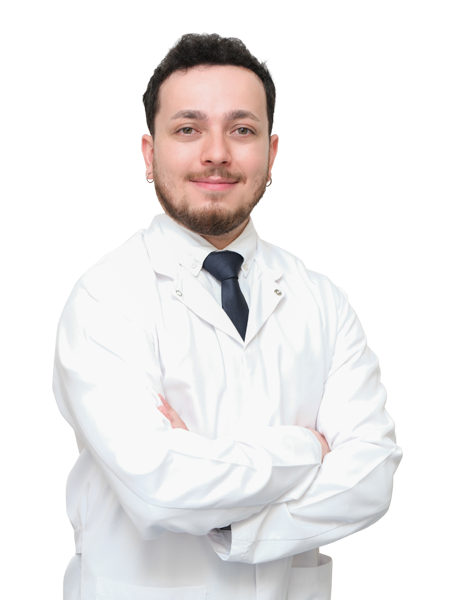
Dr. İlker Altundağ
Aesthetic Plastic & Reconstructive Surgery
Dr. Serkan Tokgönül
Aesthetic Plastic & Reconstructive Surgery
Dr. Ömercan Yağız Öksüz
Aesthetic Plastic & Reconstructive Surgery
Prof. Dr. Mehmet Veli Karaaltın
Aesthetic Plastic & Reconstructive Surgery