Bariatric Operations

Key Takeaways
- Bariatric operations are not cosmetic procedures; they are medical treatments for obesity and related conditions.
- Common types include sleeve gastrectomy, gastric bypass, and other stomach or intestinal procedures.
- Long-term success depends on follow-up care, nutrition planning, physical activity, and regular medical monitoring.
- Not everyone is a candidate, and the best option depends on medical history, goals, and risk profile.
- After surgery, patients often need support for vitamin intake, meal changes, and emotional adjustment.
Bariatric operations are surgical procedures designed to help people with severe obesity lose weight and improve related health conditions. They are usually considered after careful evaluation of overall health, eating patterns, and previous weight-loss efforts.
Overview
Bariatric operations are surgical treatments that help people with obesity lose weight in a structured, medically supervised way. They work by changing the size of the stomach, the way food is absorbed, or both, which can also improve conditions such as type 2 diabetes, high blood pressure, sleep apnea, and fatty liver disease.
For many people, the decision to consider surgery comes after years of trying diets, exercise programs, and medication with limited lasting results. A bariatric procedure is usually part of a broader plan that includes nutritional guidance, lifestyle changes, and long-term follow-up rather than a single operation that ends the process.
For international patients, the pathway often starts with understanding whether surgery is appropriate, comparing procedure types, and planning recovery time around travel and family support. That planning matters, because the best outcomes come from a clear match between the operation, the person’s medical needs, and the ability to maintain follow-up care after returning home.
Symptoms and Signs That Weight Is Affecting Health
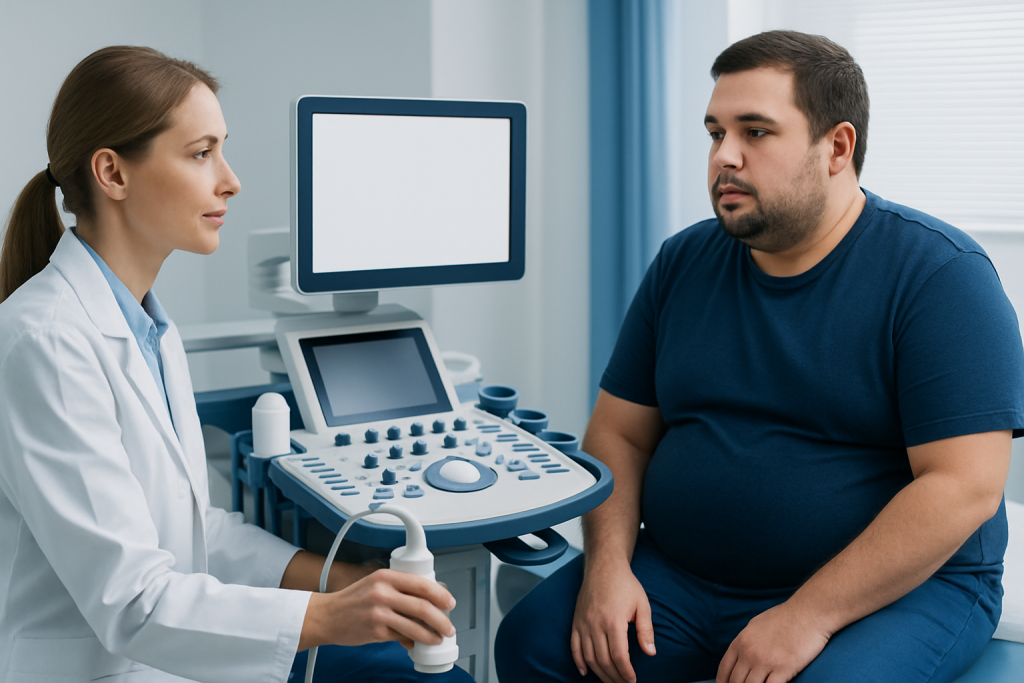
Bariatric operations are considered when excess weight begins to affect daily life, mobility, or overall health. Some people notice shortness of breath with mild activity, joint pain, daytime tiredness, or difficulty sleeping. Others may have laboratory findings such as elevated blood sugar or cholesterol before they feel obvious symptoms.
Obesity can also show up in less visible ways. Repeated dieting, weight regain, food cravings that feel hard to manage, or worsening self-confidence may all be part of the picture. These experiences do not mean surgery is automatically needed, but they can be important topics to discuss during a medical evaluation.
It is also common for people to have more than one obesity-related condition at the same time. A person may be exploring surgery because of weight alone, or because weight is making another condition harder to control despite appropriate treatment.
Causes & Risk Factors
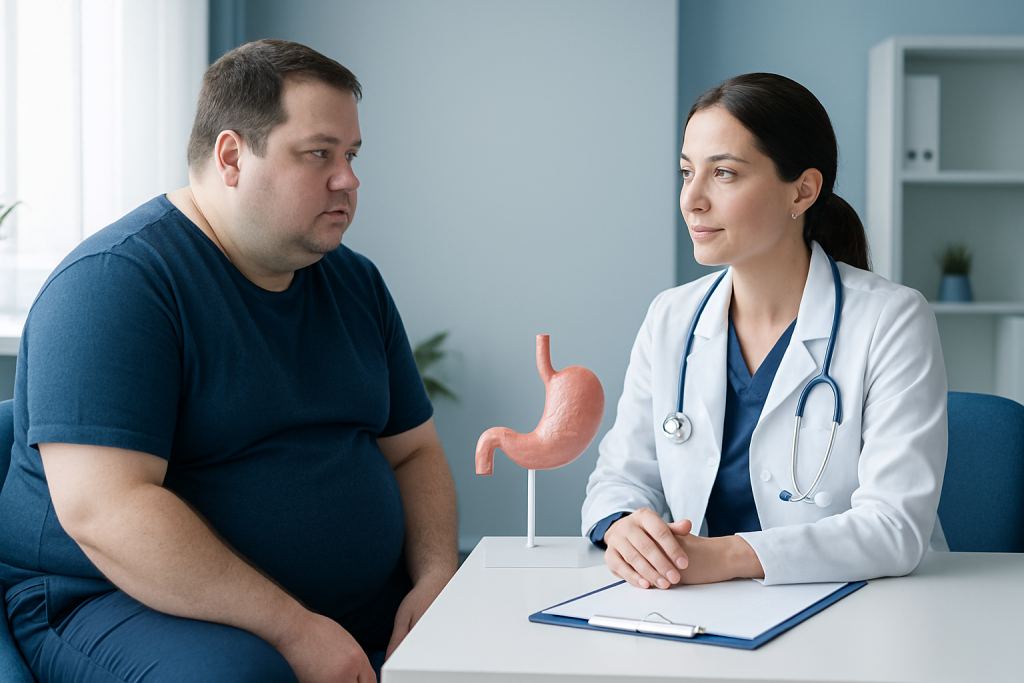
Obesity is influenced by many factors, and it is rarely the result of one simple cause. Genetics, hormones, sleep patterns, medications, stress, mental health, eating environment, and physical activity all play a role. Bariatric operations address the body’s weight-regulation system, but they do not replace the need to understand these underlying influences.
Doctors usually look at body mass index, obesity-related conditions, prior weight-loss efforts, and overall surgical risk when considering whether a person may benefit from surgery. Other factors include age, history of reflux or abdominal surgery, blood sugar control, smoking, and whether someone can participate in the required follow-up program.
- Long-standing severe obesity
- Type 2 diabetes or prediabetes
- High blood pressure or high cholesterol
- Sleep apnea
- Joint strain or reduced mobility
- History of unsuccessful non-surgical weight management
Because every patient is different, the “best” procedure is not the same for everyone. A careful review by a bariatric team helps balance potential benefit against possible risks and lifestyle demands.
Diagnosis and Pre-Operative Evaluation
Before a bariatric operation is recommended, the patient usually undergoes a detailed assessment. This may include measurements of weight and height, blood tests, nutritional screening, evaluation of diabetes or thyroid disease, and sometimes heart or lung testing. The purpose is not to create barriers, but to make the operation safer and more appropriately tailored.
A surgeon or obesity medicine specialist will also ask about previous weight changes, eating habits, medications, alcohol use, and mental health history. In some cases, a dietitian, psychologist, anesthesiologist, or other specialist joins the evaluation so the person receives a complete picture of what recovery will involve.
For patients traveling from another country, pre-operative planning may include sending records in advance, confirming test results, and deciding how much time should be set aside for recovery before flying home. A clear plan reduces uncertainty and helps the patient know what support will be needed after discharge.
Treatment Options
Bariatric operations include several procedures, and the right choice depends on anatomy, health conditions, and long-term goals. The most commonly performed procedures include Gastrectomy vs. Gastric Bypass: Differences That Matter Beyond the Operating Room" class="ahp-ilk">sleeve gastrectomy, gastric bypass, and, in selected cases, other operations that alter digestion in different ways.
Sleeve gastrectomy removes a large portion of the stomach, leaving a smaller tube-shaped stomach. This can reduce the amount of food a person can comfortably eat and may also affect hunger-related hormones. Gastric bypass creates a small stomach pouch and reroutes part of the small intestine, which limits intake and changes absorption.
Some patients may be candidates for revisional surgery if a previous procedure did not produce the expected result or caused complications. In all cases, the operation is only one part of treatment; ongoing nutrition guidance, vitamin supplementation when advised, and follow-up visits remain essential.
Recovery usually begins with a staged eating plan, starting with liquids and moving gradually to pureed foods, soft foods, and then regular textures as directed by the care team. Patients are also encouraged to walk early, hydrate carefully, and watch for symptoms that need medical review.
Benefits and Expected Outcomes
When successful, bariatric operations can support meaningful and durable weight loss. Many patients also notice improvements in energy, mobility, blood sugar, blood pressure, sleep quality, and joint discomfort. For some, the change is not only physical; it can also make everyday activities, travel, and social participation feel more manageable.
The strongest results usually come from people who stay engaged with follow-up care. That includes attending scheduled visits, taking prescribed supplements if needed, adjusting portion sizes, and seeking help early if eating becomes difficult or symptoms appear.
It is important to remember that progress is often gradual. Weight loss does not happen in a straight line, and some plateaus are expected. A bariatric team can help distinguish normal recovery patterns from signs that additional support is needed.
Prevention & Self-care
After surgery, self-care is about building a routine that the body can sustain over time. This often means eating slowly, stopping when comfortably full, choosing protein-rich foods, and avoiding habits such as grazing or drinking large amounts with meals if the care team advises otherwise. Hydration, movement, and sleep also matter more than people often expect.
Vitamin and mineral intake may need special attention, especially after procedures that affect absorption. The exact supplements and monitoring schedule should come from the treating team, since needs differ by operation and by individual lab results. Regular blood tests help identify deficiencies early, when they are easier to correct.
- Follow the staged diet exactly as instructed
- Keep protein and fluid goals realistic and consistent
- Attend all follow-up appointments, even if recovery feels smooth
- Return to activity gradually with medical approval
- Seek emotional support if eating habits or body image become difficult
For patients who return home after treatment abroad, continuity of care is especially important. Sharing the operative report and follow-up plan with a local doctor helps ensure that nutrition checks, medication adjustments, and any needed lab work continue without interruption.
When to See a Doctor
Medical advice should be sought before surgery if weight is affecting health, quality of life, or the control of other medical conditions. A doctor can help determine whether surgery is appropriate, whether non-surgical options should be tried first, and which procedure best matches the person’s risk profile and goals.
After surgery, prompt medical review is important if there is persistent vomiting, inability to drink fluids, increasing abdominal pain, fever, shortness of breath, black stools, or signs of dehydration. These symptoms do not always mean something serious, but they should never be ignored.
In the long term, patients should stay in contact with a bariatric team if weight loss slows unexpectedly, reflux worsens, fatigue develops, or eating becomes difficult. For international patients, Acibadem Health Point’s multidisciplinary specialists and JCI-accredited hospitals support diagnosis, treatment, and follow-up planning for people traveling for care.
Frequently asked questions
What are bariatric operations used for?
Bariatric operations are used to help people with severe obesity lose weight and improve obesity-related health problems. They are considered medical treatments, not cosmetic procedures. The goal is to support safer long-term weight control when other methods have not been enough.
How do doctors decide if someone is a candidate?
Doctors usually review weight history, medical conditions, previous weight-loss attempts, and overall surgical risk. They also consider whether the person can commit to long-term follow-up, diet changes, and vitamin monitoring. A full evaluation helps match the procedure to the individual’s needs.
Which bariatric operation is best?
There is no single best operation for everyone. Sleeve gastrectomy, gastric bypass, and other procedures each have different benefits and trade-offs. The choice depends on health conditions, eating patterns, reflux history, and the patient’s ability to follow the recommended lifestyle plan.
What is recovery like after surgery?
Recovery usually includes a staged diet, careful hydration, early walking, and gradual return to normal activity. The care team will also monitor for pain, nausea, nutrition concerns, and healing progress. Follow-up visits are an important part of safe recovery.
Will I need vitamins after surgery?
Many patients do need vitamins or minerals after bariatric surgery, especially after procedures that affect absorption. The exact plan depends on the type of surgery and blood test results. Regular monitoring helps prevent deficiencies before they become a problem.
Can weight come back after bariatric surgery?
Some weight regain can happen over time, especially if follow-up care lapses or eating patterns shift. Surgery works best as part of a long-term plan that includes nutrition, activity, and regular medical support. If weight begins to change unexpectedly, the bariatric team can help assess the cause.
References
- American Society for Metabolic and Bariatric Surgery
- National Institute of Diabetes and Digestive and Kidney Diseases
- World Health Organization
- Mayo Clinic
This article is for general information only and is not a substitute for professional medical advice. Please consult a qualified doctor about your individual situation.