Athlete’s Foot: Symptoms, Causes and Treatment

Key Takeaways
- Athlete's foot is a contagious fungal skin infection that thrives in warm, moist environments.
- Common signs include itching, burning, peeling skin, and cracking between the toes or on the soles.
- Treatment often includes antifungal medicines plus careful foot hygiene and moisture control.
- Shoes, socks, locker rooms, and shared surfaces can spread the fungus if precautions are not taken.
- People with diabetes or weakened immune systems should seek medical advice promptly if symptoms do not improve.
Medically reviewed by the Acıbadem clinical team — August 19, 2026
Athlete's foot is a common fungal infection that affects the skin of the feet, especially between the toes. It often causes itching, peeling, redness, and soreness, and it usually responds well to early treatment and simple hygiene steps.
Overview
Athlete’s foot, also called tinea pedis, is a fungal infection that affects the skin of the feet. Despite the name, it does not only happen to athletes. Anyone who wears tight shoes, has sweaty feet, walks barefoot in shared places, or is exposed to fungal spores can develop it.
The infection usually begins in the spaces between the toes, but it can also spread to the soles, sides of the feet, and sometimes the toenails. It is common, treatable, and often manageable with a combination of antifungal therapy and everyday foot-care habits.
For people traveling internationally for care, a clear diagnosis matters because athlete’s foot can look similar to eczema, contact dermatitis, psoriasis, or other skin conditions. A clinician can help confirm the cause and recommend the most suitable treatment plan.
Symptoms
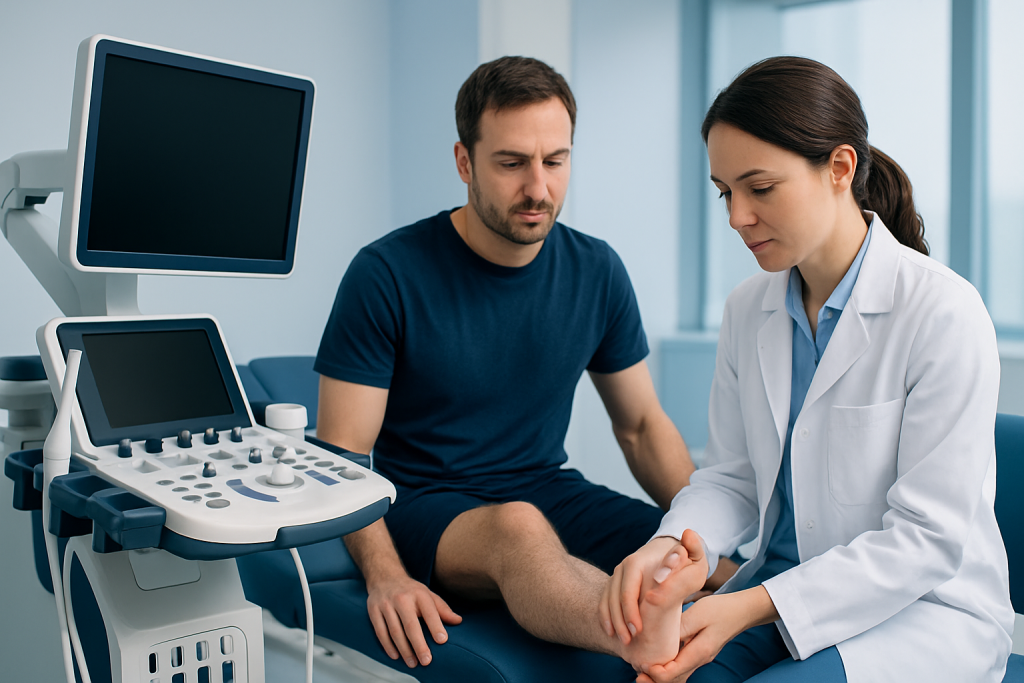
The first clue is often persistent itching or a stinging sensation, especially after removing shoes and socks. Many people notice dry, scaly skin between the toes, peeling on the soles, or a mild burning feeling that becomes more noticeable in warm weather.
As the infection progresses, the skin may crack, become red or inflamed, and feel tender. In some cases, blisters can form, or the skin may look whitish and soggy between the toes, particularly when moisture has been trapped for long periods.
- Itching, burning, or stinging on the feet
- Peeling, flaking, or cracked skin
- Redness or scaling between the toes
- Blisters or soreness in some cases
- Toenail changes if the infection spreads
Symptoms may come and go, but they often return if the underlying moisture and exposure are not addressed. If the feet remain irritated despite good self-care, another diagnosis should be considered.
Causes & Risk Factors
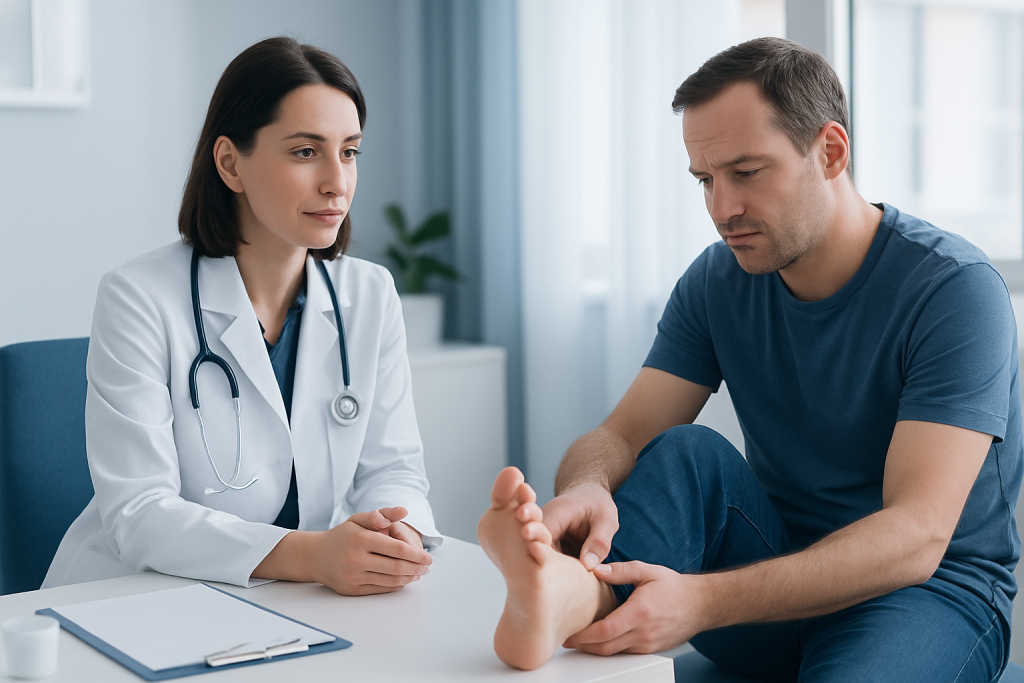
Athlete’s foot is caused by dermatophytes, a group of fungi that feed on dead skin tissue. These organisms grow best in warm, damp environments, which is why locker rooms, public showers, swimming areas, and non-breathable shoes can create favorable conditions.
Transmission can happen through direct contact with infected skin or indirectly through contaminated floors, towels, socks, or shoes. Once the fungus reaches the skin, tiny cracks or prolonged moisture make it easier to settle in and multiply.
Certain factors increase the chance of developing athlete’s foot, including excessive sweating, wearing closed shoes for long hours, having minor skin injury on the feet, or sharing footwear. People with diabetes, reduced circulation, or immune system problems should be especially attentive because skin infections may become more difficult to clear.
Diagnosis
In many cases, a clinician can diagnose athlete’s foot by looking at the pattern of rash, scaling, and skin breakdown. The location of the rash and the appearance of the skin often provide strong clues, especially when the changes are centered between the toes or on the soles.
If the diagnosis is uncertain, a small sample of skin may be taken and examined under a microscope or sent for testing. This can help distinguish a fungal infection from dermatitis, psoriasis, or another cause of foot irritation.
For international patients, this step can be particularly helpful before starting treatment, since using the wrong cream or delaying proper care can allow symptoms to linger. A reliable diagnosis also matters if the infection has spread to the nails or if the skin is cracked and painful.
Treatment Options
Treatment usually begins with antifungal medicine applied to the affected skin. These topical products are often effective for uncomplicated athlete’s foot, but they need to be used consistently and for the full period recommended by a clinician, even if the skin starts to look better early on.
More extensive, stubborn, or recurrent infections may require oral antifungal treatment prescribed by a doctor. This is more likely when the infection has spread widely, affects the nails, or does not respond to topical therapy alone.
Along with medicine, treatment works better when the feet are kept dry and exposed skin is protected from ongoing moisture. A clinician may advise changing socks more often, alternating shoes, and addressing any related nail infection or skin breakdown.
- Topical antifungal creams, sprays, or powders
- Oral antifungal medicine in selected cases
- Drying measures and shoe hygiene
- Care for cracks, blisters, or secondary irritation
When symptoms are persistent or unusual, especially after travel or self-treatment, a dermatology specialist can refine the plan so that care is both targeted and practical.
Prevention & Self-care
Prevention begins with moisture control. Feet should be washed regularly and dried carefully, especially between the toes, because lingering dampness gives fungi an opportunity to grow. Breathable socks and well-ventilated shoes can also make a meaningful difference.
Changing socks when they become sweaty, rotating shoes so they can dry fully, and using clean footwear in shared spaces are simple but effective habits. In public showers or locker rooms, wearing shower sandals can reduce exposure to fungal spores on the floor.
Helpful self-care steps include:
- Keep feet clean and dry
- Change socks daily, or more often if sweaty
- Choose shoes that allow air circulation
- Do not share towels, socks, or shoes
- Use footwear in communal wet areas
People who travel frequently may find it useful to pack extra socks, a second pair of shoes, and a small foot-drying routine into their schedule. These small adjustments are often easier to maintain than they sound and can reduce the chance of recurrence.
When to See a Doctor
Medical advice is worthwhile if the rash is painful, spreading, recurrent, or not improving after a reasonable period of self-care. A clinician should also be consulted if the skin is deeply cracked, oozing, or showing signs of another infection, such as increasing warmth or swelling.
People with diabetes, poor circulation, or weakened immune systems should not wait long to seek evaluation, since foot infections can become more complicated in these settings. The same is true if the toenails are involved or if walking becomes uncomfortable because of the skin changes.
For patients arranging care from abroad, it can help to have the feet assessed before travel when possible, and to plan follow-up afterward if the condition has been recurrent. Acibadem Health Point’s multidisciplinary specialists and JCI-accredited hospitals diagnose and treat this condition for international patients as part of coordinated care.
Living With Athlete's Foot
Most cases improve with consistent treatment and practical daily habits, but recurrence is common if the underlying environment stays favorable to fungi. That is why attention to footwear, moisture, and skin care matters even after symptoms settle.
If athlete’s foot keeps returning, a clinician may look for contributing factors such as nail fungus, heavy sweating, or an incorrect initial diagnosis. In some people, a short treatment plan works well, but lasting improvement depends on keeping the feet dry and preventing reinfection from shoes or other family members’ items.
With the right approach, athlete’s foot is usually a manageable condition rather than a long-term problem. Care that is timely, tailored, and easy to sustain tends to give the best results.
Frequently asked questions
Is athlete's foot contagious?
Yes, it can spread through direct contact and through contaminated surfaces such as shower floors, towels, socks, or shoes. The fungus is more likely to spread in warm, moist environments. Good hygiene and not sharing personal items can reduce the risk.
Can athlete's foot go away on its own?
Sometimes the irritation may seem to improve for a while, but the fungus often remains unless it is treated. Without proper treatment, it can return or spread. Using an antifungal medicine and keeping the feet dry usually works better than waiting it out.
How long does treatment usually take?
The time varies depending on how severe the infection is and which treatment is used. Many uncomplicated cases improve with consistent topical treatment, but the skin may need time to fully heal even after the fungus is controlled. A doctor can advise when to reassess if symptoms are not clearing.
Can athlete's foot affect the toenails?
Yes, the fungus can spread to the toenails and cause thickening, discoloration, or brittle nails. Nail involvement is often harder to treat than skin infection alone. If nail changes are present, medical evaluation is a good idea.
What should someone avoid doing with athlete's foot?
It is best not to scratch the area, share socks or shoes, or keep feet trapped in damp footwear for long periods. Using steroid creams without medical advice can also be unhelpful if the problem is fungal rather than inflammatory. A clinician can help choose the right treatment.
When is athlete's foot more serious?
It becomes more concerning if the skin is deeply cracked, painful, swollen, or showing signs of infection, or if the person has diabetes or immune system problems. In these situations, the infection may need prompt medical attention. Persistent or recurrent symptoms also deserve evaluation.
References
This article is for general information only and is not a substitute for professional medical advice. Please consult a qualified doctor about your individual situation.
Explore treatments in Turkey — costs, top hospitals & a free quote
JCI-accredited · board-certified surgeons · reply within 24h
Add us as a Preferred Source to see more of our trusted health content across Google Search, AI Overviews and Discover.