Asystole

Key Takeaways
- Asystole is a form of cardiac arrest and is treated as a medical emergency.
- It is not a shockable rhythm, so CPR and medicines are central to initial care.
- Common triggers include severe heart disease, lack of oxygen, electrolyte problems, and certain medications or toxins.
- Early recognition, rapid emergency response, and treatment of the underlying cause are critical.
- Recovery plans often include monitoring, rehabilitation, and long-term management of heart risk factors.
Asystole is a life-threatening heart rhythm in which the heart has no detectable electrical activity and does not pump blood effectively. It requires immediate emergency treatment, and understanding the warning signs, causes, and follow-up care can support safer decisions for patients and families.
Overview
Asystole is the absence of detectable electrical activity in the heart. In practical terms, the heart is not generating the signals needed to contract and move blood, so circulation stops unless emergency treatment begins immediately.
This condition is one of the rhythms seen in cardiac arrest. It differs from slower heart rhythms or irregular rhythms because there is no meaningful electrical activity to correct with a shock. The priority is rapid cardiopulmonary resuscitation, urgent assessment, and treatment of whatever caused the arrest in the first place.
For families and international patients, the word itself can sound abrupt and frightening. A clearer way to think about it is this: asystole is not a diagnosis that stands alone; it is a dangerous end point that usually reflects a serious problem elsewhere in the body, such as severe heart disease, oxygen loss, a major metabolic disturbance, or a medication effect.
Symptoms
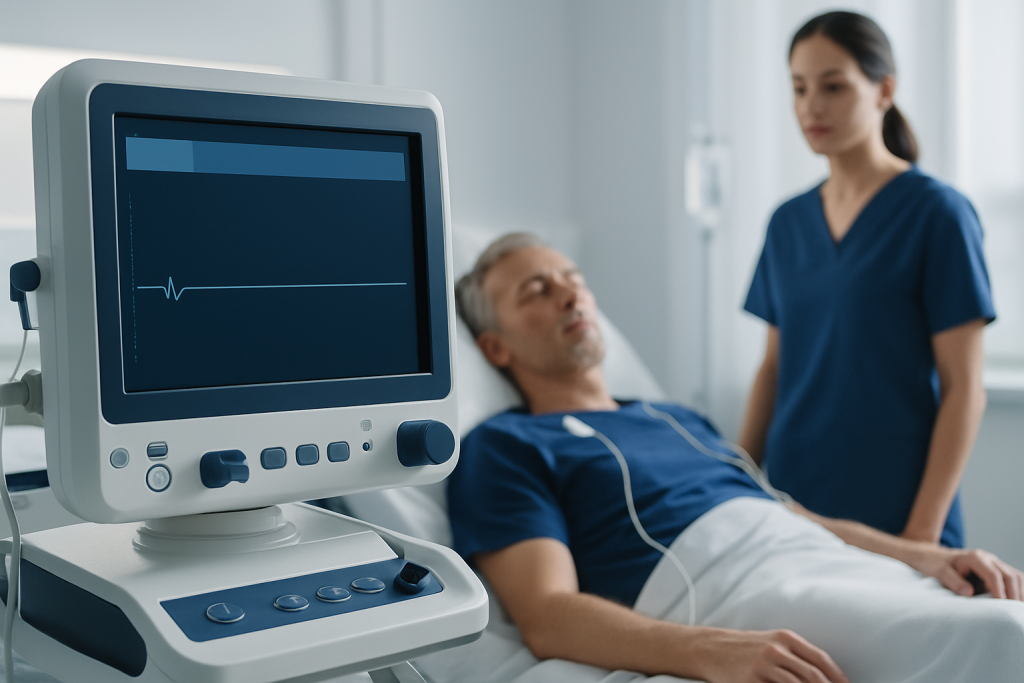
Asystole usually presents as sudden collapse. Because the brain and other organs are no longer receiving blood flow, the person may become unresponsive within seconds.
Common signs include:
- Loss of consciousness
- No normal pulse
- Absence of breathing or only gasping breaths
- Pale or blue-tinged skin
- No response to voice or touch
These symptoms can appear without much warning, although some people may have earlier symptoms from the problem that led to the arrest, such as chest discomfort, shortness of breath, dizziness, fainting, or severe weakness. In many situations, by the time asystole is recognized, the person is already critically ill and needs immediate emergency care.
Causes & Risk Factors

Asystole is commonly the final rhythm in a chain of events that has already placed the body under severe strain. It may follow prolonged ventricular fibrillation or pulseless electrical activity, or it may occur after a profound oxygen shortage, severe blood loss, or advanced heart failure.
Some of the more recognized causes and contributing factors include:
- Severe coronary artery disease or a major heart attack
- Advanced heart failure or very poor heart muscle function
- Lack of oxygen from respiratory failure, choking, drowning, or severe asthma
- Major electrolyte imbalance, especially potassium disturbances
- Severe acid-base problems or body-wide metabolic collapse
- Medication effects, overdose, or toxin exposure
- Bradyarrhythmias or conduction system disease that deteriorate further
Risk is higher in people with known heart disease, prior cardiac arrest, untreated sleep-related breathing problems, severe lung disease, or illness that causes dehydration, infection, or blood loss. The exact trigger matters, because long-term care depends on identifying and treating that cause, not only on restoring a heartbeat in the moment.
Diagnosis
Asystole is diagnosed in an emergency setting, usually when a person is found unresponsive and monitoring shows a flatline pattern that persists after confirming the tracing is real. Clinicians first check whether leads are attached properly and whether there may be another rhythm that is being missed.
At the same time, the team evaluates the person for signs of circulation and begins resuscitation. This may include rhythm monitoring, pulse checks, oxygen delivery, intravenous access, and point-of-care testing to look for reversible causes such as low blood sugar, electrolyte abnormalities, or blood gas changes.
Once immediate stabilization is underway, doctors may use blood tests, ECG, chest imaging, echocardiography, or other studies to understand why the arrest happened. For international patients transferred after an event, it is especially helpful to bring prior medical records, medication lists, implant information, and any available emergency documentation, because details from the first hospital can guide the next steps.
Treatment Options
Asystole is treated as a resuscitation emergency. The first response is high-quality CPR to help maintain a minimal flow of blood to the brain and vital organs while the team searches for a reversible cause.
Because asystole is not a shockable rhythm, defibrillation is not the main treatment. Instead, clinicians focus on chest compressions, airway and breathing support, emergency medications according to resuscitation protocols, and rapid correction of problems such as low oxygen, severe acidosis, hypothermia, or electrolyte imbalance.
After return of circulation, care often shifts to intensive monitoring. The patient may need:
- Ventilator support or oxygen therapy
- Blood pressure support
- Treatment for heart attack or blocked coronary arteries
- Medication review to remove offending agents
- Temporary pacing in selected conduction disorders
- Evaluation for implantable devices or other long-term cardiac care when appropriate
Recovery is highly individualized. Some patients improve once the underlying issue is corrected, while others need ongoing treatment for chronic heart or lung disease. In an international care pathway, this may involve coordinated handoff between emergency medicine, cardiology, intensive care, rehabilitation, and post-discharge follow-up planning before travel home.
Prevention & Self-care
Not every episode of asystole can be prevented, but many of the conditions that lead to it can be identified earlier and managed more safely. People with known heart disease should keep regular follow-up appointments, take prescribed medicines as directed, and seek care promptly for new chest pain, fainting, or worsening breathlessness.
Helpful prevention steps include:
- Managing blood pressure, cholesterol, diabetes, and smoking cessation
- Following treatment for coronary artery disease or heart failure
- Checking medication interactions and avoiding unreviewed overuse of sedatives or pain medicines
- Treating sleep apnea, lung disease, or severe dehydration early
- Staying alert to warning symptoms such as recurrent fainting, palpitations, or unexplained weakness
Self-care after a cardiac arrest depends on the cause and the degree of recovery. Some patients need cardiac rehabilitation, activity guidance, nutrition support, and emotional adjustment after a sudden life-threatening event. If care is received away from home, planning a clear follow-up pathway before discharge can make the transition safer and less stressful.
When to See a Doctor
Asystole itself is a 911-or-local-emergency-services event and cannot be managed safely at home. If someone collapses, is unresponsive, or is not breathing normally, emergency help should be called immediately and CPR started if the bystander is trained.
Medical evaluation is also important for people who have had fainting episodes, repeated near-fainting, unexplained seizures, new severe shortness of breath, chest pain, or known heart disease that is worsening. These symptoms do not always mean asystole, but they can signal a rhythm problem or another serious condition that needs prompt assessment.
After an event, follow-up with a cardiologist or resuscitation team is important even if the patient feels better. A full review of the cause, medications, and recovery plan can reduce the chance of missed complications and help patients understand what should happen next.
At Acibadem Health Point, multidisciplinary specialists and JCI-accredited hospitals work together to diagnose and treat complex cardiac emergencies for international patients, with attention to both urgent care and the practical steps that follow discharge.
Living After a Cardiac Arrest Due to Asystole
Surviving a cardiac arrest caused by asystole often begins a new phase of care rather than ending one. The main goals become neurological recovery, heart function assessment, prevention of another episode, and support for daily life after hospitalization.
Depending on the cause, follow-up may include cardiology visits, imaging, rhythm monitoring, review of medications, and rehabilitation. Some people also need help with memory, sleep, mood, or physical stamina after intensive care. These issues are common and deserve attention rather than being dismissed as merely “recovering slowly.”
For patients traveling across borders, records transfer matters. Having test results, discharge summaries, and clear instructions in one place can help the next clinician continue care without repeating unnecessary tests. A calm, organized plan is often just as important as the hospital treatment itself.
Frequently asked questions
Is asystole the same as cardiac arrest?
Asystole is one rhythm that can cause cardiac arrest, but not every cardiac arrest is asystole. In asystole, there is no detectable electrical activity, so the heart is not pumping effectively. It is treated as a medical emergency that requires immediate resuscitation.
Can a defibrillator restart asystole?
No, asystole is not a shockable rhythm. Defibrillation is used for certain chaotic or dangerously fast rhythms, but asystole is managed with CPR, medicines, oxygen support, and treatment of the underlying cause. The care team also checks whether the flatline is real and not a technical problem.
What usually causes asystole?
It often develops because of a serious problem elsewhere, such as a major heart attack, oxygen deprivation, severe electrolyte imbalance, advanced heart disease, or a medication or toxin effect. In many cases, asystole is the end stage of a deteriorating condition rather than the first event. That is why identifying the cause is so important after the emergency.
Can someone survive asystole?
Survival is possible in some cases, especially when CPR starts quickly and a reversible cause is found and treated. Outcomes depend on how long the heart has stopped, the person’s overall health, and how fast emergency care begins. Recovery can also include rehabilitation and close medical follow-up.
What should bystanders do if someone collapses and may have asystole?
Call emergency services immediately and start CPR if trained. Use an automated external defibrillator if one is available, following its instructions, because the initial rhythm may not be known right away. Quick action can help preserve blood flow until professionals arrive.
What happens after the patient leaves the hospital?
Follow-up usually focuses on the cause of the arrest, medication review, heart monitoring, and rehabilitation if needed. Some patients need device evaluation, lifestyle changes, or treatment for the condition that triggered the event. A clear discharge plan is especially useful for patients returning to another country.
References
- American Heart Association
- European Resuscitation Council
- Mayo Clinic
- National Heart, Lung, and Blood Institute
- World Health Organization
This article is for general information only and is not a substitute for professional medical advice. Please consult a qualified doctor about your individual situation.