Amlodipine: Uses, Dosage and Side Effects

Key Takeaways
- Amlodipine is generally well tolerated, but swelling, flushing, dizziness, and headache can occur.
- Some side effects are dose-related, while others may improve as the body adjusts to treatment.
- Severe symptoms such as chest pain, fainting, or allergic reactions need prompt medical attention.
- Do not stop amlodipine suddenly without speaking with a doctor, especially if it is controlling blood pressure or angina.
- A medication review is helpful if side effects interfere with daily life, travel, or long-term follow-up care.
Medically reviewed by the Acıbadem clinical team — August 19, 2026
Amlodipine is a commonly prescribed medicine for high blood pressure and chest pain, and most people tolerate it well. Still, like any medication, it can cause side effects that range from mild and temporary to more serious and worth discussing with a doctor.
Overview
Amlodipine is a widely used medicine in the calcium channel blocker group. Doctors prescribe it most often for high blood pressure, and sometimes for certain types of chest pain caused by reduced blood flow to the heart. For many patients, it is a practical long-term option because it is taken once daily and is usually easy to fit into a regular routine.
Even so, people starting a new medicine naturally want to know what to expect. Amlodipine side effects are often mild, but they can still matter if they affect comfort, sleep, mobility, or confidence in continuing treatment. Understanding the common patterns helps patients notice what is likely to settle and what deserves a call to a clinician.
For people who are seeking care from another country, it can be especially useful to know which side effects are expected after starting treatment and which symptoms should prompt a follow-up before travel plans resume. A good treatment plan includes not only the prescription itself, but also practical guidance for monitoring and communication across distances.
Symptoms
The most talked-about amlodipine side effect is swelling, usually in the ankles or feet. Some people notice that shoes feel tighter by the end of the day or that one leg appears more puffy after sitting or standing for long periods. This swelling is not usually dangerous by itself, but it should be mentioned to a doctor because it can be bothersome and may influence treatment choices.
Other common effects include dizziness, lightheadedness, flushing, headache, tiredness, and a sensation of warmth. Some patients also report palpitations or mild nausea. These symptoms may appear shortly after starting treatment or after a dose change, and they often become less noticeable over time.
Less common but important symptoms include marked weakness, severe dizziness when standing, shortness of breath, chest pain, irregular heartbeat, or fainting. Any signs of an allergic reaction, such as swelling of the face or lips, rash, or trouble breathing, should be treated as urgent. If side effects seem unusual for a person’s usual health pattern, that is a reason to seek medical advice rather than simply waiting them out.
Causes & Risk Factors

Amlodipine works by relaxing and widening blood vessels. That action lowers blood pressure and reduces the heart’s workload, but it also explains some of the side effects. When blood vessels widen, fluid can shift into the tissues more easily, which is one reason ankle swelling may occur.
Some patients are more likely to notice side effects than others. Older adults, people who already have low blood pressure, and those taking several blood pressure medicines may feel dizziness more strongly. Side effects can also be more noticeable after a dose increase, during dehydration, or when someone is recovering from an illness that has reduced food or fluid intake.
Other factors can complicate the picture. Swelling may be more apparent in people who sit for long periods, travel often, or have venous problems. Because symptoms can overlap with those from heart, kidney, or liver conditions, a careful review is important when a patient has more than one medical issue or is receiving care in multiple places.
Diagnosis
There is no single test that confirms amlodipine side effects. Doctors usually look at the timing of symptoms, the dose being used, and whether the complaints began after the medication was started or adjusted. A clear medication history is often the most useful tool.
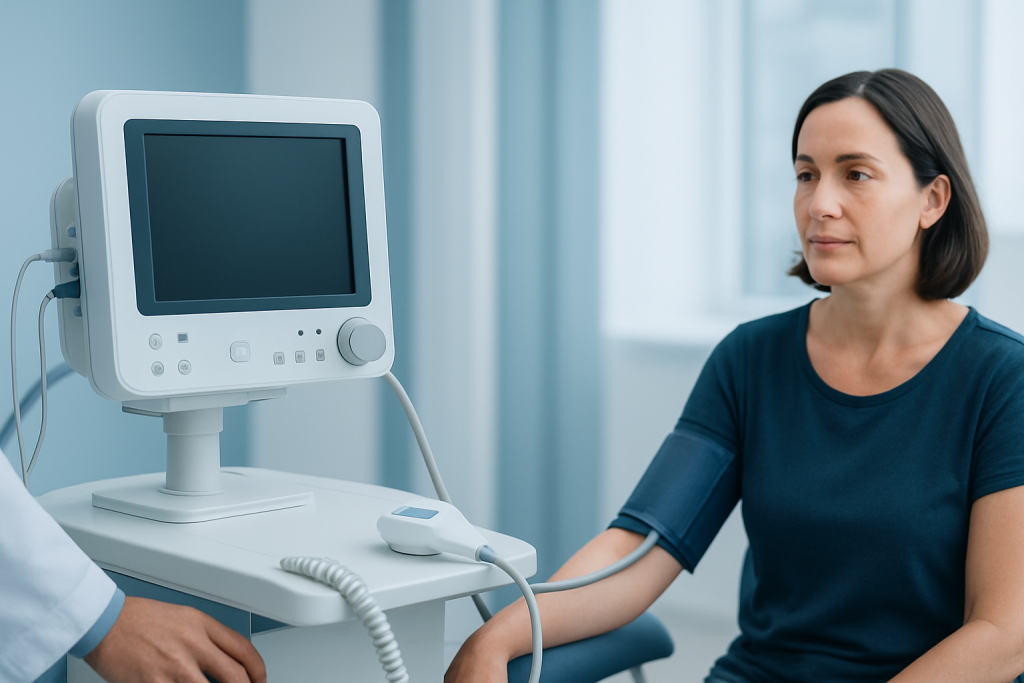
A clinician may check blood pressure, pulse, and sometimes weight, ankle swelling, or other physical signs. If symptoms are more than mild, blood tests or heart tests may be recommended to rule out other causes. This is especially important when swelling, shortness of breath, or chest discomfort could reflect an underlying condition rather than a medication reaction.
For international patients, bringing a current medication list, previous prescriptions, and recent test results can make evaluation easier. If a person has started amlodipine before traveling, it is helpful to note exactly when symptoms began and how they have changed over time. That kind of detail often guides the next step more effectively than general impressions alone.
Treatment Options
Management depends on how severe the side effects are and how well the medicine is working for the person. Mild symptoms may improve with time, especially when they occur soon after starting treatment. In other cases, a doctor may consider adjusting the dose, changing the timing, or switching to a different blood pressure medicine.
When ankle swelling is the main issue, clinicians often review whether the swelling is clearly linked to amlodipine or whether another cause may be involved. Sometimes a different combination of medicines is more suitable. It is important not to add or stop treatment on one’s own, because blood pressure control and symptom control need to be balanced carefully.
If a person has severe side effects or signs of an allergic reaction, urgent evaluation is needed. Emergency care may be appropriate if there is trouble breathing, fainting, severe chest pain, or sudden facial swelling. For less urgent but persistent symptoms, a scheduled follow-up gives the doctor room to reassess the full medication plan rather than focusing on one symptom in isolation.
Prevention & Self-care
Patients can reduce the chance of problems by taking amlodipine exactly as prescribed and by keeping a simple symptom log during the first weeks of treatment. Writing down dizziness, swelling, headaches, or missed doses can help a clinician see patterns that are easy to overlook during a short appointment.
Practical habits may also help. Standing up slowly, staying reasonably hydrated, and avoiding long periods of inactivity can lessen dizziness and swelling for some people. During travel, moving the legs regularly and elevating the feet when possible may be useful, especially on long flights or car rides.
- Take the medicine at the same time each day unless a doctor advises otherwise.
- Do not double a missed dose without medical guidance.
- Monitor blood pressure if a clinician has recommended home checks.
- Ask before using over-the-counter medicines or supplements, since some may affect blood pressure or interact with treatment.
Patients who are followed by doctors in more than one country should keep an updated list of medicines in both paper and digital form. That makes it easier to review side effects during a clinic visit, at an airport, or after returning home. If needed, Acibadem Health Point’s multidisciplinary specialists and JCI-accredited hospitals diagnose and treat this condition for international patients in a coordinated way.
When to See a Doctor
Anyone with new or troublesome symptoms after starting amlodipine should speak with a doctor, especially if the side effects interfere with daily life. Swelling that steadily worsens, dizziness that affects walking or driving, or headaches that do not settle should not be ignored. A planned review can often solve the issue without disrupting blood pressure treatment.
Medical attention should be sought promptly if there is chest pain, fainting, severe shortness of breath, a fast or irregular heartbeat, or signs of an allergic reaction. These symptoms need assessment because they may reflect something more serious than a routine medication side effect. It is also sensible to contact a doctor if a person is unsure whether the symptoms are due to amlodipine or another condition.
People managing hypertension or angina over long distances benefit from having a follow-up plan before they leave the clinic. Knowing whom to contact, what symptoms to report, and when to seek local care can make treatment safer and less stressful. A thoughtful plan helps patients continue therapy with more confidence and fewer surprises.
Frequently asked questions
What are the most common amlodipine side effects?
The most common side effects include ankle or foot swelling, dizziness, flushing, headache, and tiredness. Many people find these symptoms mild, but they should still be mentioned to a doctor if they persist or become troublesome.
Does amlodipine side swelling mean something is wrong with my heart?
Not always. Amlodipine can cause swelling because it relaxes blood vessels, which may allow fluid to collect in the lower legs. However, swelling can also have other causes, so a clinician should review it if it is new, worsening, or accompanied by shortness of breath.
Will amlodipine side effects go away on their own?
Some side effects improve as the body adjusts, especially mild dizziness or headache early in treatment. If symptoms continue, worsen, or affect daily activities, the prescribing doctor may need to reassess the dose or choose another medicine.
Can amlodipine be stopped if side effects are bothersome?
It should not be stopped suddenly without medical advice. Blood pressure or chest pain symptoms may return if treatment is interrupted, so the safer approach is to discuss the side effects and consider a supervised change in therapy.
Is it safe to take amlodipine with other medicines?
It can often be used safely with other medicines, but combinations should be checked carefully. Some drugs can increase dizziness, change blood pressure, or interact with treatment, so the full medication list should always be reviewed by a doctor or pharmacist.
When should a traveler seek help for amlodipine side effects abroad?
A traveler should seek help if symptoms are severe, rapidly worsening, or include chest pain, fainting, trouble breathing, or facial swelling. For milder concerns, it is wise to contact the treating doctor or a local clinician with a current list of medicines and recent blood pressure readings.
References
- National Health Service (NHS)
- Mayo Clinic
- U.S. Food and Drug Administration
- American Heart Association
- MedlinePlus
This article is for general information only and is not a substitute for professional medical advice. Please consult a qualified doctor about your individual situation.
Explore treatments in Turkey — costs, top hospitals & a free quote
JCI-accredited · board-certified surgeons · reply within 24h
Add us as a Preferred Source to see more of our trusted health content across Google Search, AI Overviews and Discover.