Women’s Hairline Hair Loss: Finding the Right Care
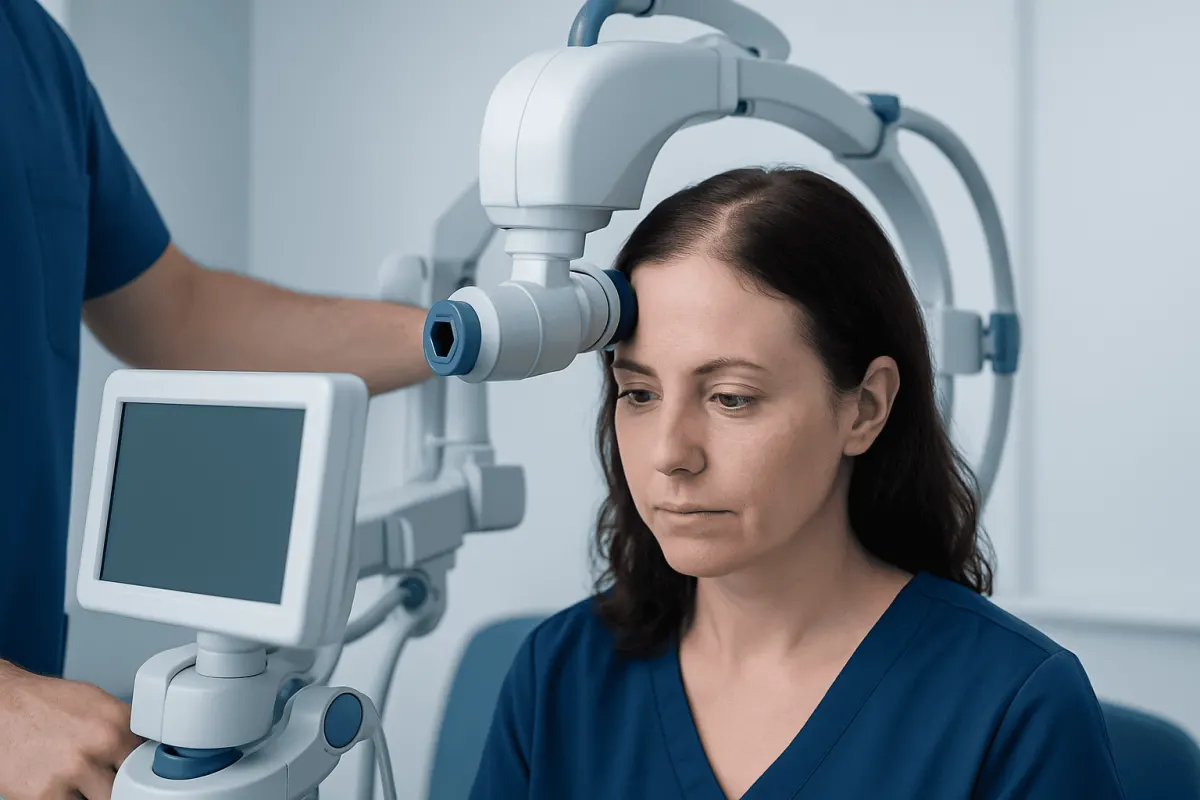
Women's hairline hair loss may be caused by genetic thinning, traction from hairstyles, hormonal changes, or inflammatory scalp conditions. The most suitable treatment depends on the cause and may include medical treatment, cosmetic coverage, hair transplantation, or hairline-lowering surgery in carefully selected patients.
Women's hairline hair loss: an overview
Women’s hairline hair loss can often be improved, but the right approach depends on why the hairline has changed. Some women have temporary shedding or gradual follicle miniaturization that may respond to medical care. Others have a naturally high hairline, traction-related loss, or a form of scarring alopecia that needs specialist treatment before any restoration procedure is considered.
Hairline restoration is not one single treatment. It may involve treating the scalp condition, using camouflage methods, transplanting healthy follicles into thin areas, or performing hairline-lowering surgery for an appropriately selected person with a high forehead. A dermatologist or hair-restoration surgeon can help distinguish active hair loss from a stable hairline shape and set realistic expectations.
Why a woman's hairline may recede or thin
Female pattern hair loss is a common cause of gradual thinning. It often produces a widening part or reduced density across the top of the scalp, although some women notice thinning around the frontal hairline as well. Hormonal changes, family history, aging, certain medicines, illness, nutritional deficiencies, and thyroid disorders can contribute to shedding or make an underlying tendency more noticeable.
Traction alopecia is another important cause of a women’s hair loss receding hairline. Repeated tension from tight braids, ponytails, extensions, weaves, or head coverings can gradually damage follicles, particularly at the temples and front edge. Early traction-related hair loss may improve when tension is reduced, while long-standing damage can become permanent.
Frontal fibrosing alopecia is an inflammatory, scarring condition that commonly affects the front and sides of the hairline and may also reduce eyebrow hair. It can cause smooth, pale-looking skin at the hairline, itching, burning, redness, or small bumps. A naturally high forehead is different from hair loss and may be considered for women’s hairline lowering only after a clinician confirms that the hairline is stable.
Women's hairline treatment: diagnosis and candidacy

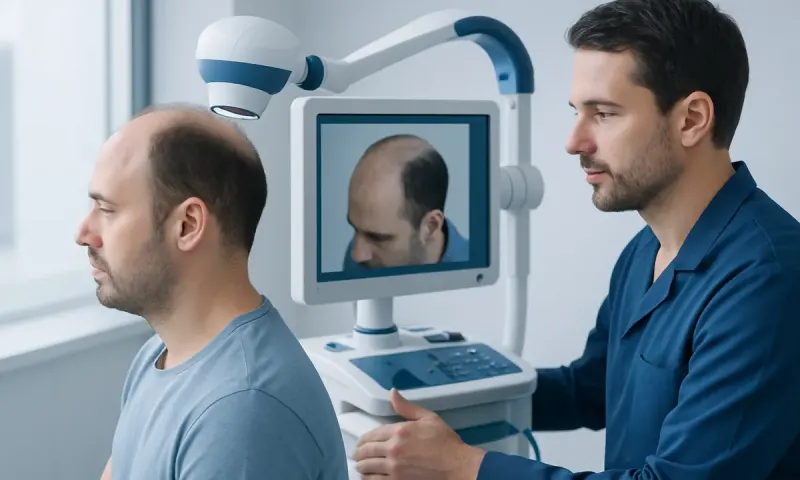
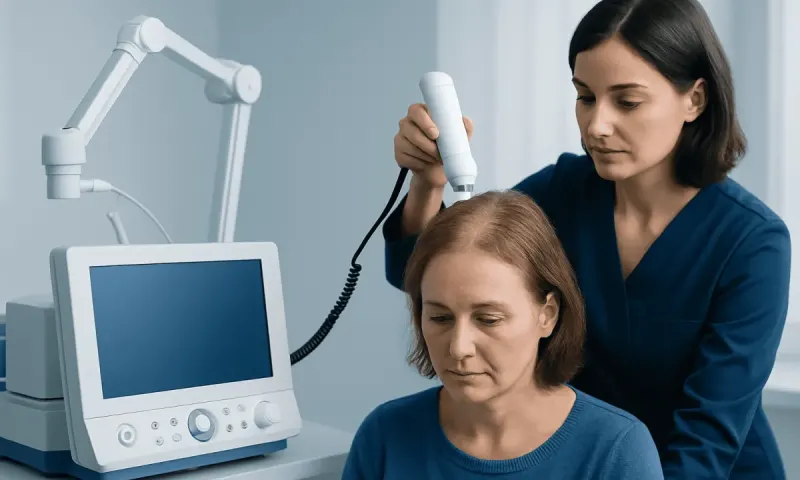
Assessment usually begins with a history of when shedding started, family history, hairstyles, menstrual or hormonal changes, medicines, and scalp symptoms. A clinician examines the scalp and may use dermoscopy to look closely at follicles. Blood tests may be recommended when symptoms or history suggest a correctable cause, and a scalp biopsy may be useful if scarring alopecia is suspected.
For many forms of non-scarring hair loss, treatment may include topical medicines, treatment of an identified medical cause, and changes to hair-care practices. A clinician may discuss prescription medicines for selected patients, taking account of medical history, pregnancy plans, and potential side effects. Supplements are not routinely helpful unless a deficiency has been identified.
A candidate for hair transplantation generally has enough healthy donor hair, stable or medically controlled hair loss, a healthy scalp, and realistic expectations about density. People with active inflammation, uncontrolled shedding, insufficient donor density, or progressing scarring alopecia may be advised to delay surgery. Hairline-lowering surgery is more suitable for some people with a naturally high hairline and adequate scalp flexibility rather than active hair loss.
Women's hairline restoration and lowering: how the procedure works
Women’s hairline restoration most often refers to hair transplantation. During this procedure, follicles are moved from a donor area, usually the back or sides of the scalp, to carefully planned sites along the hairline. The surgeon designs a soft, irregular hairline and places single-hair grafts at the leading edge to create a natural transition, while preserving future options if hair thinning continues.
- Planning: The clinician reviews the diagnosis, donor supply, facial proportions, hair characteristics, and desired hairline position.
- Follicle collection: Grafts may be removed individually with follicular unit extraction or from a narrow donor strip with follicular unit transplantation.
- Implantation: Small recipient sites are made at precise angles and directions before grafts are placed under local anesthesia.
- Aftercare: The team provides instructions for washing, sleeping, activity, and follow-up visits.
Hairline lowering, also called forehead reduction surgery, is a separate technique. It removes a narrow section of forehead skin and advances the scalp forward in one operation. It may provide an immediate change in hairline position, but it leaves an incision at the hairline and depends on scalp laxity. Some patients later choose a small transplant to soften a scar or add density around the new hairline.
How long does it take to recover from hairline surgery?
Recovery from hairline surgery varies by procedure, but the initial healing period commonly takes about one to two weeks. After a hair transplant, mild tenderness, swelling, redness, and small crusts can occur in the recipient and donor areas. Many people return to non-strenuous daily activities within several days, although the treating team may recommend avoiding rubbing the scalp, intense exercise, swimming, and direct sun exposure for a defined period.
- First days: Swelling and discomfort generally settle, while grafts need protection from friction or pressure.
- About 7 to 14 days: Crusting usually loosens with gentle washing as directed by the surgical team.
- Weeks 2 to 8: Transplanted hairs often shed temporarily; this expected phase does not necessarily mean grafts have failed.
- Months 3 to 6: New growth commonly becomes noticeable, with improving coverage over time.
- About 9 to 18 months: Transplanted hair can continue to mature in texture, length, and density.
After forehead reduction, swelling and bruising generally improve over the first couple of weeks, while numbness around the incision can take longer to settle. The incision may remain pink or visible early on and typically matures over several months. Individual instructions from the surgeon take priority because healing, work requirements, and the techniques used differ from person to person.
Results, benefits, and risks of hairline surgery
The potential benefit of surgery is a more balanced-looking hairline or improved coverage in a defined thin area. Hair transplantation can provide long-lasting growth from transplanted follicles, but it does not stop future thinning in surrounding native hair. Medical treatment may still be recommended to help protect existing hair. With forehead reduction, the hairline position changes immediately, although the final appearance develops as swelling resolves and the incision matures.
Results depend on the quality and availability of donor hair, hair texture and color contrast, the cause of hair loss, scalp health, surgical planning, and adherence to aftercare. A transplant cannot safely create unlimited density, and a conservative design is often preferable because it allows for natural aging and possible future hair loss.
Possible risks include bleeding, infection, temporary swelling, numbness, scarring, uneven density, temporary shedding of nearby hair, visible donor-area changes, and an unnatural-looking hairline if placement is not carefully planned. Transplanted follicles may not grow as expected, especially if an inflammatory scalp disease is active. Discussing benefits, limitations, and alternatives with an experienced clinician supports a safer, individualized decision.
How to cover front baldness female?
Front hairline thinning can often be covered temporarily with scalp-colored powders, hair fibers, tinted sprays, root touch-up products, clip-in fringe pieces, toppers, or wigs. A side part, soft fringe, or hairstyle that adds gentle volume near the front may also reduce the contrast between the scalp and hair. These options can be useful while a medical assessment or treatment plan is underway.
How to make a hairline look fuller?
A fuller-looking hairline can be created by placing fibers or powder only on dry hair, choosing a close color match, and using light layers rather than a heavy, straight line. Styling with low heat, avoiding harsh chemicals, and limiting tight hairstyles can help protect fragile hairs. Products should be removed gently, and any product that causes itching, redness, or scaling should be stopped.
Camouflage does not regrow follicles, but it can support confidence and daily comfort. If thinning is progressing, patchy, painful, or accompanied by scalp changes, professional assessment is more useful than repeatedly changing cosmetic products. A clinician can advise whether medical women’s hairline treatment, transplant planning, or non-surgical options are appropriate.
Can frontal fibrosing alopecia be reversed?
Frontal fibrosing alopecia cannot reverse follicles that have already been permanently destroyed by scarring. However, early treatment can often help reduce inflammation, relieve symptoms, and slow or stabilize further loss. Dermatology care may include anti-inflammatory treatments chosen according to the person’s symptoms, examination findings, medical history, and plans for pregnancy.
Hair transplantation is generally not considered while frontal fibrosing alopecia is active because inflammation can affect graft survival and further loss may continue. If the condition has been clinically inactive for a sustained period, a specialist may discuss whether restoration is reasonable, while explaining that outcomes can be less predictable than in non-scarring hair loss.
When to seek medical care
A medical appointment is advisable for rapid shedding, a receding hairline that is worsening, patchy loss, eyebrow thinning, scalp pain, itching, burning, redness, scaling, or shiny areas without visible follicle openings. Prompt assessment is particularly important when scarring alopecia is possible. Acıbadem Health Point’s multidisciplinary specialists and JCI-accredited hospitals assess and treat hair and scalp conditions for international patients, with care planned around the underlying diagnosis.
Frequently asked questions
01Is a hair transplant suitable for a receding hairline in women?
A hair transplant may be suitable when hair loss is stable or medically controlled and there is adequate donor hair. It is less suitable for active scarring alopecia, uncontrolled shedding, or limited donor density. A scalp examination is needed before deciding whether surgery is appropriate.
02Is hairline lowering the same as a hair transplant?
No. Hairline lowering advances the scalp and hairline forward by removing a section of forehead skin, while a hair transplant relocates follicles into thin or absent areas. Some people may benefit from one procedure, while others may use both at different times.
03Are transplanted hairs permanent?
Transplanted follicles usually retain many of the characteristics of hair from the donor area and can provide long-lasting growth. However, surrounding non-transplanted hair may continue to thin, so an overall long-term hair plan can be important.
04Can minoxidil help frontal hair loss in women?
Topical minoxidil may help some women with female pattern hair loss by supporting hair growth and reducing further thinning. It does not restore follicles destroyed by scarring alopecia and may not be appropriate for every person. A clinician can advise on suitability and safe use.
05Can tight hairstyles permanently damage the hairline?
Repeated pulling from tight hairstyles can cause traction alopecia, especially at the temples and front hairline. Early changes may improve after tension is reduced, but prolonged traction can lead to permanent follicle damage. Choosing looser styles and rotating hairstyles may help reduce risk.
06What should a person ask before hairline surgery?
Useful questions include the confirmed cause of hair loss, whether it is stable, the proposed technique, donor-area effects, expected timeline, possible complications, and whether medical treatment is also needed. It is also reasonable to ask how the surgeon designs a natural hairline and plans for potential future hair loss.
This article is for general information only and is not a substitute for professional medical advice. Please consult a qualified doctor about your individual situation.
Hair transplant in Turkey — costs, graft counts & a free assessment
JCI-accredited · board-certified surgeons · reply within 24h
Add us as a Preferred Source to see more of our trusted health content across Google Search, AI Overviews and Discover.