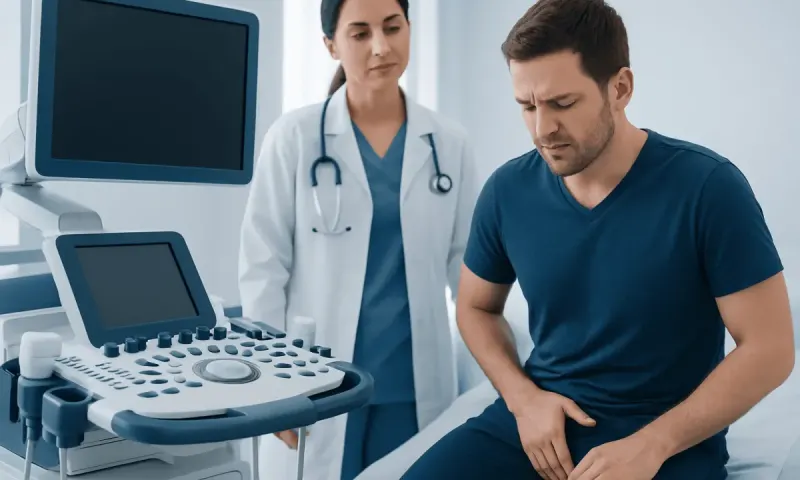
Why Does My Testicle Hurt When I Touch It?
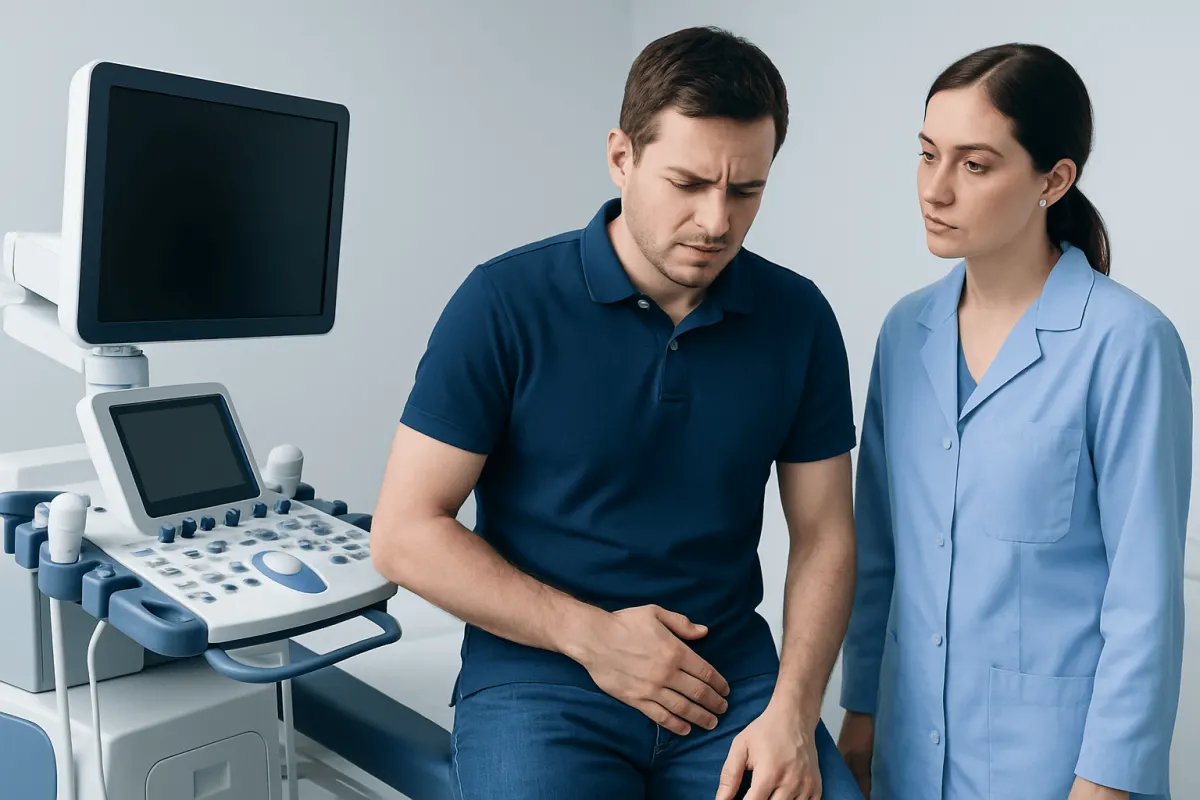
A testicle that hurts when touched can be caused by temporary irritation or minor injury, but it can also signal conditions such as infection, a varicocele, hernia, or testicular torsion. Sudden or severe pain, swelling, nausea, or a high-riding testicle requires urgent medical assessment.
Overview: Why does my testicle hurt when I touch it?
If someone asks, “why does my testicle hurt when I touch it?”, the answer is that the testicle or surrounding tissues may be irritated, inflamed, injured, or under pressure. Brief mild tenderness can follow a minor knock, vigorous activity, tight clothing, prolonged sitting, or sexual activity. However, pain on touch can also occur with an infection, enlarged scrotal veins, a hernia, or testicular torsion.
The scrotum contains the testicles, epididymis, spermatic cord, blood vessels, nerves, and supporting tissues. Pain may come from any of these structures, and it may be felt in the groin, lower abdomen, or back as well as the scrotum. Because some causes need urgent treatment, new testicular pain should be taken seriously, particularly when it begins suddenly.
Online searches such as “why does my testicle hurt when I touch it Reddit,” “why does my testis hurt when I touch it,” or questions in other languages can provide personal experiences, but they cannot distinguish a harmless cause from an urgent one. A medical examination is the safest way to understand the cause when pain is severe, persistent, recurrent, or accompanied by other symptoms.
Is it normal for a testicle to hurt when touched?
Testicles are naturally sensitive, so firm squeezing or direct pressure can be uncomfortable. Mild soreness for a short time after a small impact or strenuous exercise may be expected, especially if there is no swelling, bruising, fever, urinary symptom, or change in testicle position.
It is not considered normal for a testicle to remain painful to gentle touch, become increasingly tender, or hurt without an obvious reason. Pain that lasts more than a day or two, returns repeatedly, or interferes with walking, work, sleep, or sexual activity should be assessed by a healthcare professional.
A painless lump should also be checked, even though testicular cancer does not usually cause pain. Early assessment can identify treatable causes and provide reassurance when no serious problem is found.
Why does only one testicle feel sore?
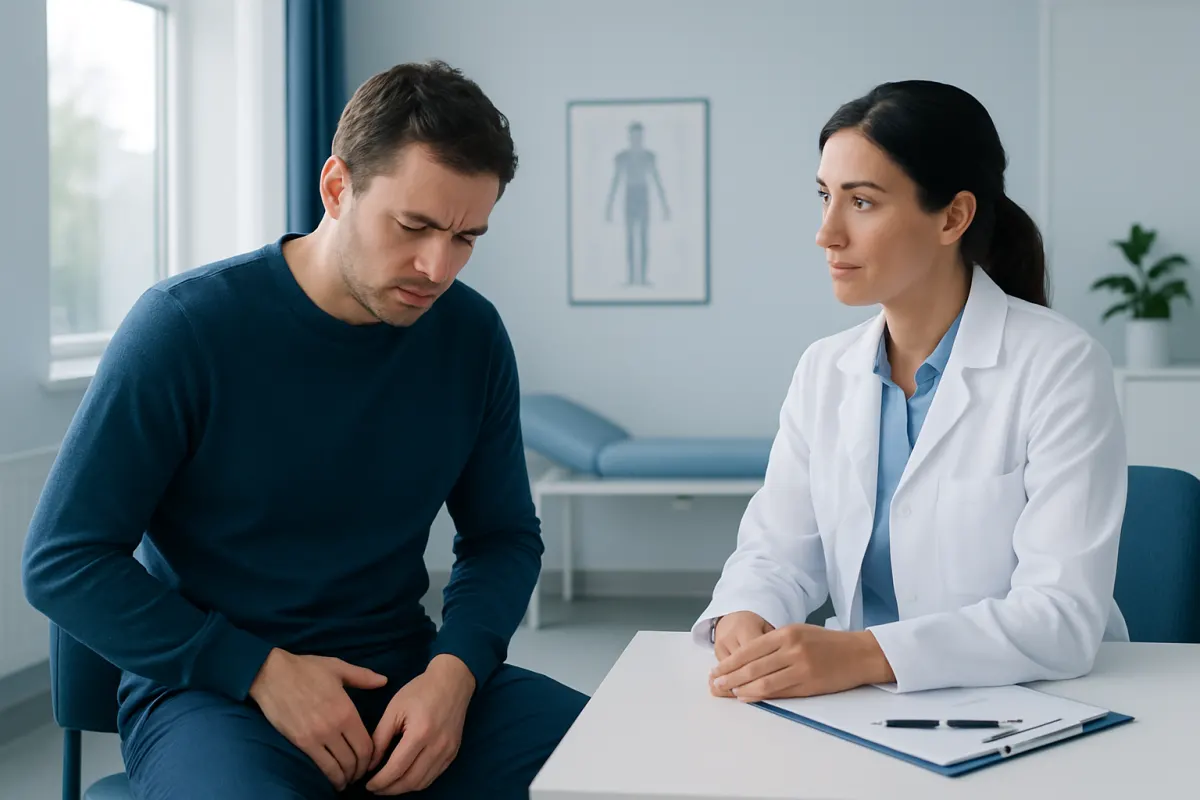
One-sided soreness is common because many scrotal conditions occur on one side. A direct injury, inflammation of the epididymis behind one testicle, a varicocele, or an inguinal hernia may affect the left or right side separately. Varicoceles are often noticed on the left and can cause a dull ache or heavy feeling that worsens after standing or exercise.
Infection or inflammation of the epididymis, called epididymitis, may cause gradual pain in one testicle, swelling, warmth, and sometimes burning during urination, urinary frequency, discharge, or fever. In younger sexually active adults, sexually transmitted infections can be one possible cause; in other people, urinary bacteria or prostate-related problems may contribute. Epididymitis needs medical evaluation because treatment depends on the underlying cause.
A person asking why does my one testicle hurt when I touch it should also be aware of testicular torsion. This occurs when the spermatic cord twists and reduces blood flow to the testicle. It usually causes sudden, intense one-sided pain and is a medical emergency. It can occur at any age, although it is more common in adolescents and younger people.
Common causes of testicular tenderness
Minor trauma is a frequent cause of tenderness. Sports, cycling, a fall, accidental compression, or a blow to the groin can lead to bruising and soreness. Symptoms should steadily improve rather than worsen. Significant swelling, marked bruising, or pain after a strong impact should be assessed promptly to exclude injury to the testicle.
Other possible causes include epididymitis, orchitis (inflammation of the testicle), varicocele, hydrocele, spermatocele, inguinal hernia, kidney stones, and pelvic or nerve-related pain. Some conditions cause a heavy or dull sensation rather than sharp pain. A hernia may produce a groin bulge that becomes more obvious when coughing, lifting, or straining.
Testicular torsion is the key urgent cause to rule out. It may be associated with nausea, vomiting, lower abdominal pain, swelling, an unusually high or horizontal testicle, or pain that wakes someone from sleep. It should not be managed at home. Immediate emergency care is essential because timing affects the chance of preserving normal testicular blood supply.
- Gradual pain with urinary symptoms: may suggest infection or inflammation.
- Dull ache that is worse after standing: may occur with a varicocele.
- Pain after a bump or sport: may reflect trauma, but severe symptoms need assessment.
- Sudden severe pain with nausea or swelling: may indicate torsion and needs emergency care.
Can testicle pain go away on its own?
Yes, mild pain from temporary pressure, a minor bump, or muscle strain may go away on its own over hours to a few days. Rest, supportive underwear, avoiding vigorous exercise, and protecting the area from further pressure can help while symptoms settle.
However, improvement alone does not always identify the cause. Infection may temporarily feel better but still require treatment, and intermittent torsion can cause episodes of pain that stop when the testicle untwists. Repeated unexplained episodes should therefore be evaluated even if the person feels well between them.
Anyone with persistent discomfort, recurrent pain, increasing tenderness, swelling, fever, urinary symptoms, or a lump should arrange a clinical review. A clinician can determine whether observation is reasonable or whether further tests and treatment are needed.
How to relieve pain in one testicle
For mild pain after an obvious minor injury and without warning signs, temporary self-care may include rest, snug supportive underwear, and a cold pack wrapped in a cloth for short periods. Avoid placing ice directly on the skin. Heavy lifting, cycling, running, and activities that increase discomfort can be paused until symptoms improve.
Over-the-counter pain relief may help some adults when used according to the product label and when medically appropriate. A pharmacist or clinician can advise people who have kidney disease, stomach ulcers, bleeding conditions, allergies, or who take blood-thinning medicines. Antibiotics should not be started without a prescription, as treatment depends on the cause.
People sometimes search “why does my testicle hurt when I touch it how to fix,” but there is no single safe fix without knowing the diagnosis. Do not massage a painful, swollen testicle or attempt to push a suspected hernia back. If torsion is possible, emergency evaluation is more important than home measures.
Diagnosis and treatment options
A clinician will ask when the pain started, whether it was sudden or gradual, whether there was injury or sexual exposure, and whether urinary, bowel, fever, or abdominal symptoms are present. They will examine the abdomen, groin, scrotum, and testicles, often comparing both sides. This assessment is usually brief but important for identifying urgent concerns.
Tests may include a urine sample, testing for sexually transmitted infections when relevant, and scrotal ultrasound with Doppler blood-flow assessment. Ultrasound can help identify torsion, inflammation, fluid collections, varicocele, or a mass, although urgent surgical assessment should not be delayed when torsion is strongly suspected.
Treatment is directed at the cause. Infection may require prescribed antimicrobial treatment and supportive care; a varicocele or hernia may be monitored or treated when symptoms or complications warrant it. Torsion generally requires urgent surgery to untwist and secure the testicle. Varicocele treatment may be considered for selected people with ongoing discomfort or fertility-related concerns.
Acıbadem Health Point’s multidisciplinary specialists and JCI-accredited hospitals assess and treat urological conditions for international patients, with care plans based on the individual diagnosis and clinical needs.
When to seek medical care
Seek emergency medical care immediately for sudden severe pain in one testicle, especially if it occurs with nausea, vomiting, swelling, redness, abdominal pain, or a testicle that appears higher than usual. These can be signs of torsion, and prompt evaluation is essential. Emergency assessment is also appropriate after a major groin injury or if pain is severe and rapidly worsening.
Arrange a prompt medical appointment for pain that persists beyond a short period, keeps returning, is associated with fever, urinary burning, discharge, a groin bulge, swelling, or a new lump. Even if pain occurs only sometimes, recurrent episodes deserve evaluation because intermittent conditions can be difficult to recognize from symptoms alone.
It is reasonable to mention the exact pattern, including whether pain happens after exercise, touch, sexual activity, urination, or standing. This information helps a clinician identify the likely source and decide whether imaging or laboratory tests are necessary.
Frequently asked questions
01Why does my testicle hurt when I touch it sometimes?
Intermittent tenderness may follow pressure, exercise, sexual activity, or a minor injury. It can also occur with conditions such as a varicocele or intermittent torsion. Recurrent episodes, especially sudden episodes, should be discussed with a doctor.
02Can tight underwear cause testicle pain?
Very tight clothing may cause pressure, heat, chafing, or temporary discomfort in some people. It should not cause severe or persistent pain. Changing to comfortable supportive underwear may help mild pressure-related soreness, but ongoing symptoms need medical assessment.
03Does epididymitis cause pain when touching the testicle?
Yes. Epididymitis can cause tenderness, swelling, and warmth, often on one side. It may also cause urinary symptoms, fever, or discharge, and it should be evaluated because treatment depends on whether infection is present and what is causing it.
04Can stress cause one testicle to hurt?
Stress can increase muscle tension and make a person more aware of bodily sensations, including pelvic or groin discomfort. However, stress should not be assumed to be the explanation for new testicular pain until physical causes have been considered by a clinician.
05Should I go to the emergency room for testicle pain?
Emergency care is needed for sudden, severe, or worsening testicular pain, particularly with nausea, vomiting, swelling, redness, or an abnormal testicle position. These symptoms can occur with testicular torsion, which requires urgent treatment. Milder but persistent or recurrent pain should still be assessed promptly.
06Can testicular cancer cause pain when touched?
Testicular cancer more often presents as a painless lump, swelling, or change in testicle size or firmness, but discomfort can occur. Any new lump, enlargement, or persistent change should be examined by a healthcare professional. Pain alone does not confirm cancer, and many other causes are more common.
This article is for general information only and is not a substitute for professional medical advice. Please consult a qualified doctor about your individual situation.
Persistent digestive symptoms? Get evaluated in Turkey
JCI-accredited · board-certified surgeons · reply within 24h
Add us as a Preferred Source to see more of our trusted health content across Google Search, AI Overviews and Discover.