Increased Urinary Frequency in Men: Common Causes
Increased urinary frequency in men means needing to urinate more often than is usual for that person, sometimes with urgency, nighttime waking or leakage. It is a symptom rather than a diagnosis, and assessment can identify whether the bladder, prostate, urinary tract, medicines or another health condition is involved.
Overview: What Increased Urinary Frequency in Men Means
Increased urinary frequency in men is the need to pass urine more often than is normal for the individual, whether during the day, overnight or both. It may occur with a small urine volume each time, a sudden difficult-to-delay urge, a weak stream, incomplete emptying or urine leakage. The right treatment and recovery expectations depend on the underlying cause and whether a procedure is needed.
Some people drink more fluids because of exercise, hot weather or habit and therefore urinate more often. Others have a bladder that signals the need to empty too early, or a prostate that partially obstructs urine flow. A careful assessment is important because frequency can also be associated with infection, diabetes, medication effects and, less commonly, more serious urinary tract conditions.
Frequency is different from producing an unusually large total volume of urine. Someone may pass small amounts frequently because of bladder irritation or incomplete emptying, while someone with high fluid intake or poorly controlled diabetes may make a larger amount of urine overall. Keeping track of drinks, toilet visits and symptoms can help distinguish these patterns.
Symptoms and Possible Causes
Frequent urination may be accompanied by urgency, nocturia (waking at night to urinate), burning, pelvic discomfort, dribbling, a slow stream or a sensation that the bladder has not emptied fully. Urge urinary incontinence is leakage that occurs when urgency is too strong to reach the toilet in time. These symptom combinations give useful clues but do not confirm a diagnosis on their own.
In men, benign prostatic hyperplasia (BPH), or non-cancerous prostate enlargement, is a common contributor to lower urinary tract symptoms. The enlarged prostate can narrow the urethra and make bladder emptying harder. Information about benign prostatic hyperplasia can help explain why symptoms such as a weak stream and frequent small voids often occur together.
Other possible causes include overactive bladder, urinary tract infection, prostatitis, bladder stones, constipation, sleep disorders, anxiety, excess caffeine or alcohol, and medicines that increase urine production. Diabetes can cause thirst and increased urine output; neurological conditions can affect bladder control. Rarely, blood in the urine or persistent new symptoms may indicate a condition requiring more detailed investigation.
- Frequency mainly at night may be related to sleep disruption, evening fluids, leg swelling or changes in urine production overnight.
- Urgency and leakage can suggest overactive bladder, but infection and obstruction should be considered first.
- Painful urination, fever or cloudy urine may point to infection and should be assessed promptly.
Diagnosis and Assessment

A clinician will ask when the symptoms began, how often urination occurs, whether urgency, leakage, pain or weak flow is present, and how symptoms affect sleep and daily life. They will also review fluid intake, caffeine and alcohol use, constipation, existing medical conditions, medicines and previous urinary procedures. A symptom questionnaire may help monitor changes over time.
A bladder diary is often particularly useful. Over several days, it records drinks, urine volumes when practical, toilet visits, urgency episodes and leakage. This can show whether the main concern is frequent small voids, excessive urine production, nighttime urine production or urgency.
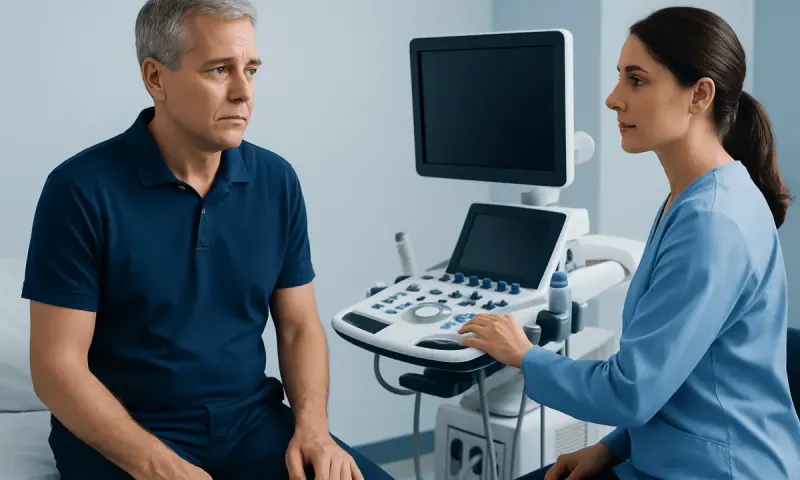
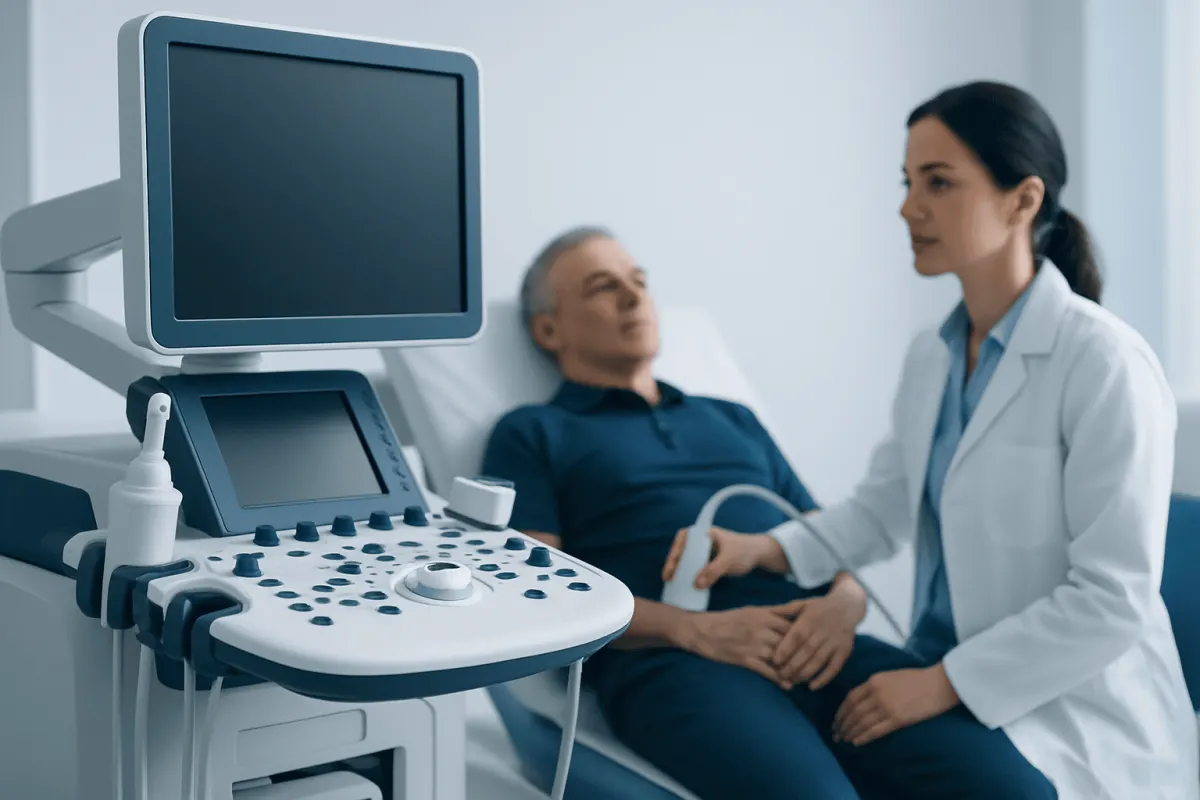
Testing may include a urine test to look for infection, blood or glucose, and blood tests when kidney function, diabetes or other health issues are suspected. The clinician may examine the abdomen and external genital area and, when appropriate, perform a rectal examination to assess the prostate. Ultrasound can measure how much urine remains in the bladder after voiding, while flow testing measures stream strength.
Further assessment is selected according to symptoms and initial results. This can include cystoscopy to inspect the urethra and bladder, imaging, or urodynamic testing to measure how the bladder stores and releases urine. These tests are not required for everyone, but they can be valuable before invasive treatment or when symptoms are complex.
Treatment Options, Procedures and Recovery
Treatment for increased urinary frequency in men is guided by its cause, severity and personal priorities. First steps may include adjusting fluid timing, reducing bladder irritants and treating constipation. Medicines may relax the prostate or bladder, reduce prostate size in selected cases, or address an identified infection or metabolic problem. A prescriber will consider side effects, other health conditions and possible interactions before recommending medication.
Pelvic-floor muscle training and bladder training can reduce urgency and leakage for some men. A continence physiotherapist can teach correct muscle activation and develop a structured programme. These methods are often used alongside lifestyle changes or medicine rather than as an either-or choice.
For prostate-related obstruction that does not respond adequately to conservative treatment, procedures can remove, shrink or widen obstructing prostate tissue. Recovery varies by procedure, prostate size, overall health and whether a catheter is required temporarily. Burning, frequency, urgency and small amounts of blood in urine can occur while tissues heal, but the care team should explain what is expected and when to contact them. Relevant treatment may include prostate surgery when a specialist determines that surgery is appropriate.
For persistent overactive bladder or urgency incontinence, minimally invasive options may include injections into the bladder muscle, stimulation of nerves involved in bladder control, or an implanted neuromodulation device. These are usually considered after behavioural measures and medicines have not provided sufficient benefit. Treatment decisions should balance potential symptom improvement with risks, recovery needs and follow-up requirements.
How Long Does Frequent Urination Last After Surgery?
Frequent urination after urinary or prostate surgery commonly improves gradually rather than immediately. The bladder and operated tissues may be irritated during healing, and a bladder that worked against obstruction for a long time may need time to adjust. Depending on the procedure, increased urgency or frequency may last for days to several weeks, and occasionally longer while bladder function settles.
Recovery is highly individual. Factors include the type of operation, catheter use, pre-existing overactive bladder symptoms, urinary infection, prostate size and general health. The surgical team will provide procedure-specific advice about hydration, activity, catheter care, medicines and expected changes in urine appearance.
Medical advice should be sought promptly after surgery for fever, worsening pain, an inability to pass urine, large blood clots, heavy bleeding, severe weakness or symptoms of infection. A follow-up review is important if frequency is not improving as expected, becomes worse or is accompanied by new leakage, as additional treatment or testing may be needed.
What Is the New Procedure for Overactive Bladder?
There is no single “new procedure” for overactive bladder because treatment choices continue to develop and are tailored to the individual. Established advanced options include bladder injections of botulinum toxin, percutaneous tibial nerve stimulation and sacral neuromodulation. These treatments aim to reduce inappropriate bladder signals that create urgency, frequency and urge leakage.
Botulinum toxin injections are placed into the bladder wall through a cystoscope. They can reduce urgency for many suitable patients but may temporarily make bladder emptying more difficult, so clinicians assess the risk of urinary retention and infection. The effect is not permanent, and repeat treatment may be considered when symptoms return.
Tibial nerve stimulation uses mild electrical stimulation near the ankle to influence nerves involved in bladder control, generally through a series of treatment sessions. Sacral neuromodulation uses a small implanted device to modulate sacral nerves after an evaluation period confirms likely benefit. A urologist can explain which, if any, advanced option is suitable after evaluating the person’s symptoms, prostate status and bladder emptying.
Can an Overactive Bladder Go Back to Normal?
An overactive bladder can improve substantially, and some people achieve good control of frequency, urgency and leakage with the right combination of measures. Whether symptoms fully resolve depends on the cause, how long they have been present and whether there is another contributing condition such as prostate obstruction, diabetes, neurological disease or infection.
Bladder training, pelvic-floor rehabilitation, healthy fluid habits and treatment of constipation can reduce symptoms over time. Medicines or procedures may be helpful when these measures alone are insufficient. Maintaining improvements often requires continued attention to triggers and regular follow-up with a clinician.
It is important not to assume that urgency is simply overactive bladder, especially when symptoms are new. Urine testing and assessment for incomplete bladder emptying, infection or prostate-related obstruction help ensure that treatment is targeted appropriately.
Is Incontinence Surgery Worth It?
Incontinence surgery may be worth considering when leakage is persistent, significantly affects quality of life and has not improved enough with appropriate non-surgical treatment. The value of surgery is personal: it depends on the type and severity of incontinence, daily activities, health status, goals and willingness to accept possible risks and recovery time.
In men, stress urinary incontinence can occur after prostate treatment and may be managed with options such as a male sling or an artificial urinary sphincter in carefully selected cases. Urgency-related leakage is treated differently and may respond better to bladder-focused treatments. Accurate diagnosis is therefore essential before discussing surgery.
A specialist should explain realistic benefits, alternatives, potential complications, the possibility of further procedures and the practical aspects of recovery. Acıbadem Health Point’s multidisciplinary specialists and JCI-accredited hospitals assess and treat urinary conditions for international patients, with treatment planning based on individual clinical needs.
Prevention, Self-Care and When to Seek Medical Care
Not every cause of urinary frequency can be prevented, but practical habits may reduce symptoms. Spreading fluid intake across the day, avoiding large drinks shortly before bedtime, and limiting caffeine, alcohol and carbonated drinks if they trigger urgency can help. People should not restrict fluids excessively, particularly in hot weather or when advised to maintain hydration for another medical reason.
Regular activity, managing constipation, maintaining a weight that supports overall health and reviewing medicines with a clinician can also be useful. A bladder diary can identify patterns and provide a practical starting point for discussion. It is best not to stop prescribed medicines without speaking to the clinician who prescribed them.
When to seek medical care: A medical appointment is appropriate for persistent or worsening frequency, repeated nighttime waking, urine leakage, weak stream, trouble starting urination or symptoms that affect sleep and daily activities. Urgent assessment is needed for inability to urinate, fever with urinary symptoms, severe lower abdominal or back pain, visible blood in urine, or confusion or marked weakness in an older person. These signs can have several causes and should be evaluated without delay.
Frequently asked questions
01What is considered increased urinary frequency in men?
There is no single number of toilet visits that defines a problem for every man. Frequency is considered increased when urination happens more often than usual for the person, disrupts sleep or activities, or occurs alongside urgency, pain, weak flow or leakage. A bladder diary can help document the pattern.
02Can an enlarged prostate cause frequent urination?
Yes. A non-cancerous enlarged prostate can narrow the urethra and prevent the bladder from emptying efficiently. This may lead to frequent small voids, nighttime urination, urgency, a weak stream and a feeling of incomplete emptying.
03How long does frequent urination last after surgery?
Frequency and urgency often improve gradually over days to weeks after urinary or prostate surgery, although some people need longer for the bladder to settle. The timeline depends on the procedure and pre-existing bladder function. Worsening symptoms, fever, inability to urinate or significant bleeding require prompt medical advice.
04What is the new procedure for overactive bladder?
Advanced treatments for overactive bladder include botulinum toxin bladder injections, tibial nerve stimulation and sacral neuromodulation. They are not suitable for everyone and are usually considered when bladder training and medicines have not provided enough relief. A urologist can advise after checking for infection, incomplete emptying and prostate obstruction.
05Can an overactive bladder go back to normal?
Overactive bladder symptoms can improve greatly and may become well controlled with lifestyle measures, bladder training, pelvic-floor therapy, medicines or procedures. Full resolution is possible for some people but is not guaranteed, especially when another health condition contributes. An assessment helps identify treatable causes.
06Is incontinence surgery worth it?
For some men, surgery is a useful option when persistent leakage has a major effect on quality of life and non-surgical treatment has not helped enough. The decision depends on the type of incontinence, general health, expected benefit and possible risks. A specialist evaluation is needed because stress leakage and urgency leakage require different treatments.
This article is for general information only and is not a substitute for professional medical advice. Please consult a qualified doctor about your individual situation.
Explore treatments in Turkey — costs, top hospitals & a free quote
JCI-accredited · board-certified surgeons · reply within 24h
Add us as a Preferred Source to see more of our trusted health content across Google Search, AI Overviews and Discover.