Right Testicle Hurts: When Sudden Pain Is Urgent
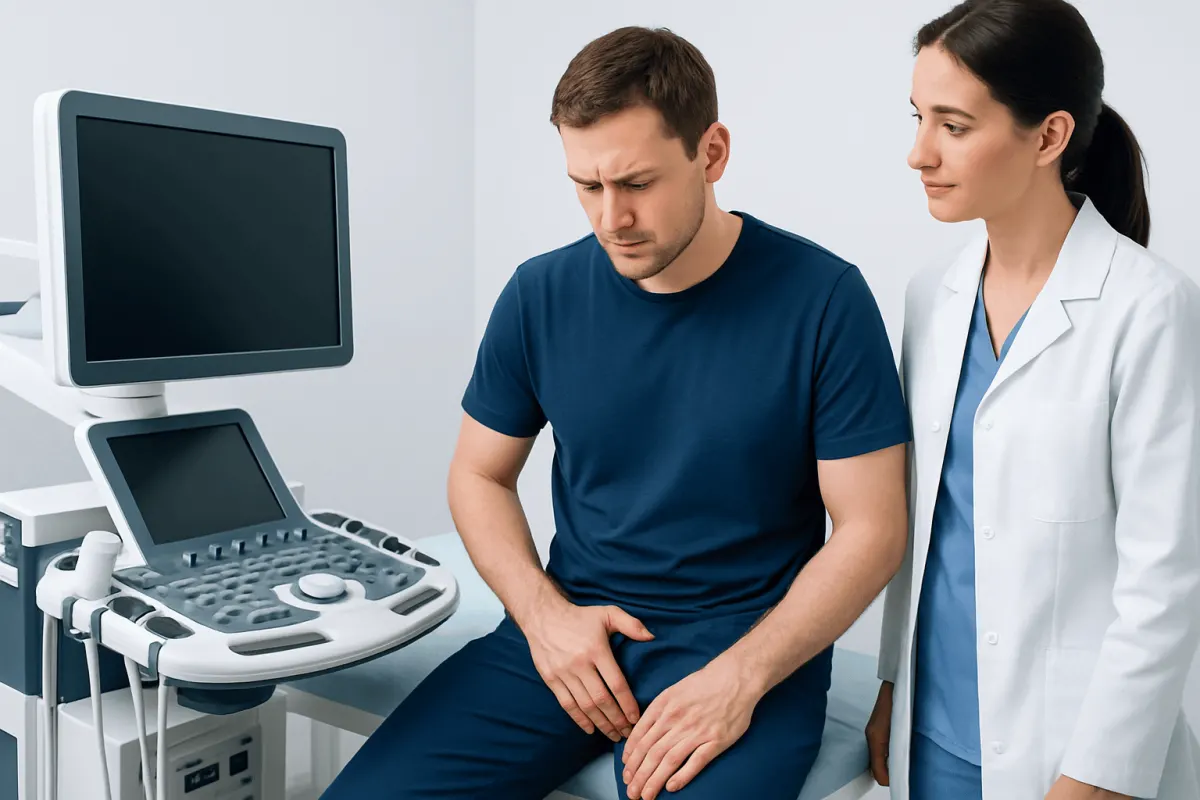
When the right testicle hurts, the cause may be minor, such as strain or irritation, but sudden or intense pain can signal testicular torsion and needs urgent assessment. Recovery after testicular surgery depends on the procedure, while persistent, worsening or new pain should be reviewed by a clinician.
Overview: What happens when your right testicle hurts?
If the right testicle hurts, it is important not to assume the cause is harmless. Discomfort can arise from the testicle itself, the epididymis (the coiled tube behind it), the groin, urinary tract, nerves or muscles. Some causes settle with conservative care, while sudden severe pain requires emergency assessment to exclude testicular torsion.
Testicular torsion occurs when the spermatic cord twists and reduces blood supply to the testicle. It can affect either side and often starts abruptly. Prompt surgery may be needed to untwist and secure the testicle, so anyone with sudden one-sided scrotal pain should seek emergency medical care rather than waiting to see if it improves.
Other common explanations include inflammation or infection, a groin hernia, injury, fluid around the testicle, dilated scrotal veins, or pain referred from a kidney stone or lower back. A clinician can distinguish these possibilities through history, examination and, when appropriate, ultrasound or urine testing.
Symptoms and possible causes of right-sided testicle pain
The pattern of pain offers useful clues but cannot reliably diagnose the cause at home. Torsion commonly causes abrupt, strong pain with swelling, nausea or vomiting, and the testicle may sit higher than usual. Epididymitis, an inflammation that may be associated with a urinary or sexually transmitted infection, more often develops over hours or days and may occur with tenderness, warmth, urinary burning, discharge or fever.
A right testicle that hurts after ejaculation may reflect temporary pelvic muscle tension, congestion, inflammation of the prostate or epididymis, or another cause of pelvic pain. Repeated pain, pain with urinary symptoms, fever, discharge, a new lump, or pain that does not settle should be assessed rather than self-treated.
Right testicle pain after surgery can occur because the scrotum, groin and lower abdomen share nerves and tissues. For example, right testicle hurts after hernia surgery may be related to expected early postoperative swelling, bruising or nerve irritation. However, increasing pain, marked swelling, redness, fever, difficulty urinating, a hard enlarging scrotum or a sudden change in symptoms should be reported promptly to the surgical team.
- Injury or strain: may follow sport, lifting or a direct blow.
- Infection or inflammation: may cause gradual pain, swelling and urinary symptoms.
- Inguinal hernia: may produce a groin bulge or pain that extends into the scrotum.
- Varicocele or hydrocele: can cause heaviness, aching or visible scrotal enlargement.
- Kidney stone or nerve-related pain: may radiate into the groin or testicle.
How doctors assess right testicle pain
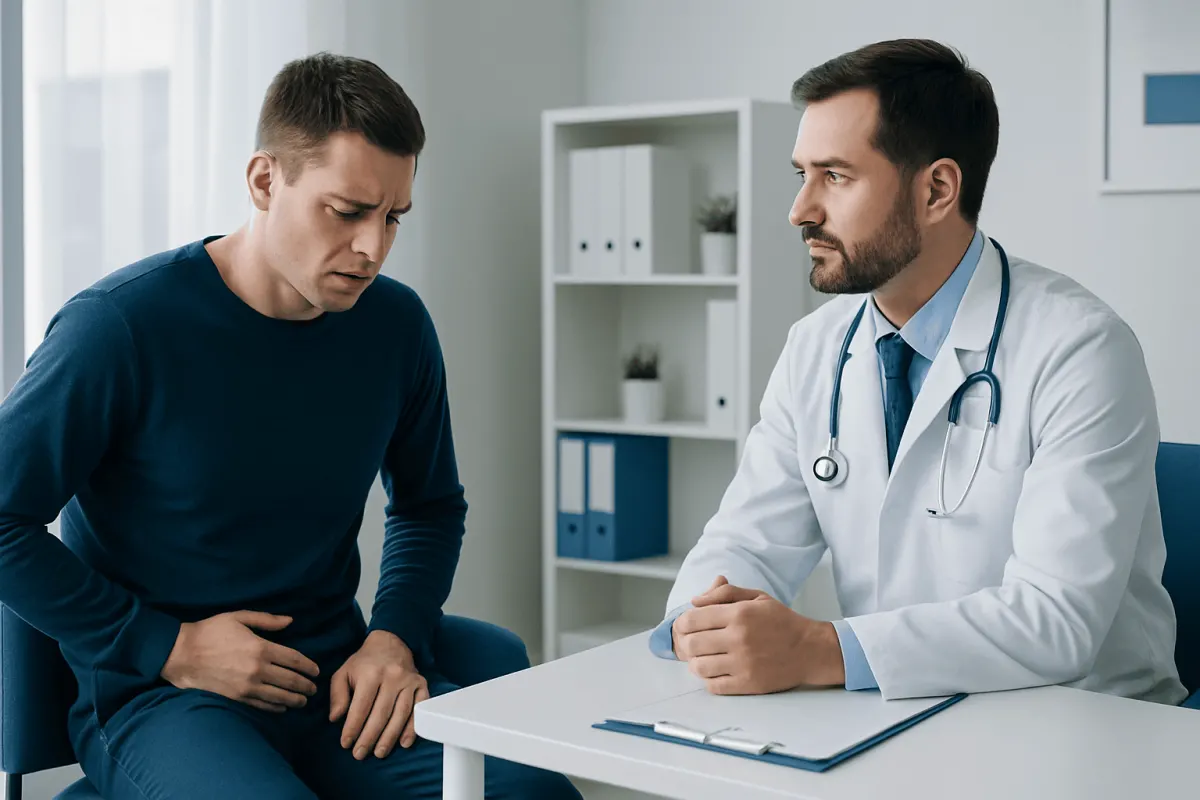
Assessment starts with questions about when the pain began, whether it was sudden or gradual, recent injury or surgery, exercise, urinary symptoms, sexual health, fever, nausea and any previous scrotal problems. A clinician will examine the abdomen, groin and scrotum, looking for swelling, a hernia, skin changes, tenderness and the position of each testicle.
Urine testing may help identify infection or blood in the urine. Testing for sexually transmitted infections may be advised when relevant. A scrotal ultrasound with Doppler blood-flow assessment is often used when torsion, a mass, injury or another structural concern is possible. However, if torsion is strongly suspected, emergency surgery should not be delayed unnecessarily for testing.
Depending on the findings, doctors may also consider abdominal imaging, blood tests or referral to a urologist. A testicular lump or persistent enlargement needs timely evaluation. Not all lumps are cancer, but examination and imaging are important to identify the cause early.
When surgery may be recommended
Testicular surgery is not required for every cause of pain. Antibiotics may be used for confirmed or suspected bacterial infection, while rest, scrotal support and clinician-approved pain relief may help with minor injury or postoperative discomfort. Treatment should target the underlying cause rather than pain alone.
Emergency surgery is generally needed for suspected testicular torsion. The surgeon untwists the cord if possible and usually secures both testicles inside the scrotum to reduce the risk of torsion in the future. If blood supply has been lost for too long and the testicle is no longer viable, removal may be necessary; this is a decision made during surgery based on tissue health.
Other procedures may include hernia repair, treatment for a significant injury, drainage of an abscess, removal of a suspicious testicular mass, or selected operations for chronic scrotal conditions. The type of anaesthetic, incision, expected recovery and possible effects on fertility or hormone function depend on the procedure and should be discussed with the surgeon beforehand.
Acıbadem Health Point’s multidisciplinary specialists and JCI-accredited hospitals assess and treat urological and surgical causes of scrotal pain for international patients, with care planned around the individual diagnosis.
Is testicle surgery painful?
Testicle surgery is performed with anaesthesia, so a person should not feel the operation itself. It is normal to have some soreness, swelling, bruising or a pulling sensation in the scrotum and groin after surgery. The intensity varies with the procedure, the reason for surgery and individual healing.
Clinicians usually provide a postoperative pain-management plan. This may include medicines appropriate for the individual, ice packs protected by cloth for short intervals if advised, supportive underwear and activity modification. Pain should generally improve over the days after surgery rather than steadily worsen.
Severe pain that begins suddenly after an initial improvement, pain not controlled by the prescribed plan, rapidly growing swelling, persistent vomiting, fever, wound drainage or significant redness needs medical advice. These symptoms do not always indicate a serious complication, but they should be assessed promptly.
How long should you rest after testicular surgery?
Rest needs vary by operation. After an uncomplicated procedure, many people spend the first several days resting, walking gently at home and supporting the scrotum. Desk-based activities may sometimes be resumed within about one to two weeks, but the surgeon’s instructions should take priority because recovery differs after torsion repair, hernia surgery, injury repair or testicle removal.
Heavy lifting, strenuous exercise, cycling and contact sports are often restricted for several weeks to protect healing tissues. Driving should wait until the person is no longer taking sedating pain medicine and can perform an emergency stop comfortably. Sexual activity and masturbation should also wait until the incision is healing well and the care team says it is safe, commonly after a follow-up review.
A gradual return to activity is safer than pushing through discomfort. Supportive underwear, keeping the incision clean and dry according to instructions, and attending follow-up appointments can support recovery. People should contact their surgeon for personalised guidance if work or sport involves physical exertion.
Can you get hard after testicular torsion surgery?
Yes. Most people can still have erections after testicular torsion surgery because erections depend mainly on blood flow and nerves in the penis, rather than on the testicle alone. The operation is performed in the scrotum and ordinarily does not interfere directly with erectile function.
Temporary reluctance to have erections, discomfort with spontaneous erections or anxiety about the surgical area can occur while healing. Sexual activity should be postponed until pain and swelling have improved and the surgeon confirms that recovery is on track. If erections remain painful, erectile difficulties continue after healing, or there are concerns about fertility or testosterone, a urologist can provide assessment and support.
Even if one testicle must be removed, the remaining healthy testicle commonly produces sufficient testosterone and sperm for normal sexual development, erections and fertility. Individual outcomes vary, especially if there were pre-existing fertility issues or damage to both testicles.
When to seek medical care
Emergency care is needed for sudden, severe or rapidly worsening testicular pain, particularly with nausea, vomiting, swelling, a high-riding testicle, abdominal pain or pain after an injury. These symptoms can occur with torsion, and prompt assessment offers the best chance of protecting testicular function.
A medical review within a short time is appropriate for pain lasting more than a day, recurrent discomfort, fever, urinary burning, blood in the urine, penile discharge, a groin bulge, a new lump, or persistent swelling. People recovering from surgery should also contact their care team if pain is worsening rather than improving or if they notice signs of infection or wound problems.
Until reviewed, it is sensible to avoid heavy lifting and strenuous exercise, wear supportive underwear if comfortable, and avoid taking leftover antibiotics. Pain should not be ignored simply because it is mild: a clear diagnosis helps ensure treatment is appropriate and reassuring.
Frequently asked questions
01What happens when your right testicle hurts?
Right-sided testicle pain can come from the testicle, epididymis, groin, urinary tract or nearby nerves and muscles. Causes range from minor injury and inflammation to hernia, kidney stones and torsion. Sudden severe pain requires emergency assessment because torsion can reduce blood flow to the testicle.
02How long should you rest after testicular surgery?
Many people rest most during the first few days and then gradually increase gentle activity. Return to work, exercise, lifting and sexual activity depends on the procedure and healing progress, often taking from days to several weeks. The surgeon’s individual instructions should always guide recovery.
03Is testicle surgery painful?
Anaesthesia prevents pain during the operation, but soreness, swelling and bruising are common afterward. Prescribed pain relief, scrotal support and rest can help. Pain that becomes severe or progressively worse should be discussed with the surgical team.
04Can you get hard after testicular torsion surgery?
Most people can have erections after torsion surgery because the procedure does not usually affect the structures responsible for erections. It is common to wait until the scrotum has healed before sexual activity. Ongoing pain with erections or persistent erectile concerns should be assessed by a urologist.
05Why does my right testicle hurt after hernia surgery?
Mild groin or scrotal discomfort can occur after hernia repair due to swelling, bruising and healing tissues. It should generally improve over time. New severe pain, increasing swelling, redness, fever or difficulty urinating should be reported promptly to the surgeon.
06Why does my right testicle hurt after ejaculation?
Pain after ejaculation can be related to pelvic muscle tension, inflammation, infection or irritation involving the prostate, epididymis or urinary tract. If it happens repeatedly or occurs with fever, urinary symptoms, discharge, swelling or a lump, medical assessment is advisable. Sudden severe testicular pain should be treated as urgent regardless of when it occurs.
This article is for general information only and is not a substitute for professional medical advice. Please consult a qualified doctor about your individual situation.
Persistent digestive symptoms? Get evaluated in Turkey
JCI-accredited · board-certified surgeons · reply within 24h
Add us as a Preferred Source to see more of our trusted health content across Google Search, AI Overviews and Discover.