Signs of Testicular Torsion: Sudden Pain Matters

Signs of testicular torsion usually begin with sudden, severe pain in one testicle, often with swelling, nausea or vomiting. It is a time-sensitive emergency: prompt assessment and surgery, when needed, offer the best chance of saving testicular tissue and protecting future function.
Overview: recognizing testicular torsion
Testicular torsion occurs when the spermatic cord twists. This cord contains the blood vessels that supply the testicle, so twisting can quickly restrict blood flow. The condition is most common in adolescents, but it can affect infants, children and adults.
The most important signs of testicular torsion are sudden pain on one side of the scrotum, rapid swelling and a testicle that appears higher than usual or positioned differently. Nausea, vomiting or lower abdominal pain may occur as well. Pain can begin during sleep, after activity or without an obvious trigger.
Not every episode of scrotal pain is torsion, but it is not possible to safely rule it out at home. Pain that improves on its own can occasionally reflect intermittent twisting and untwisting, which still needs urgent urology assessment. Testicular torsion is different from conditions such as epididymitis, which more often develops gradually and may be associated with urinary symptoms or fever.
Symptoms and signs of testicular torsion
Classic symptoms are abrupt, intense pain in one testicle and swelling of the scrotum. The affected side may become tender, red or firm. Some people have pain that spreads to the groin or lower abdomen, and nausea or vomiting can be prominent.
Signs of testicular torsion in adults are broadly similar to those in teenagers. Although adults may be more likely to consider injury, infection or a muscle strain, sudden scrotal pain still requires emergency evaluation. Adults should not delay care because of embarrassment, previous episodes of pain or uncertainty about the cause.
People sometimes ask about signs of testicular torsion before it happens. There is usually no reliable warning sign. However, brief recurrent episodes of one-sided testicular pain that resolve without treatment may be intermittent torsion. A person with this pattern should arrange urgent medical assessment because a future episode may not resolve.
- Sudden severe pain in one testicle or the scrotum
- Rapid swelling, tenderness or redness
- A high-riding, horizontal or unusually positioned testicle
- Nausea, vomiting or lower abdominal pain
- New scrotal pain after sleep, exercise or minor activity
Causes and risk factors

Torsion usually results from increased mobility of the testicle within the scrotum. A common underlying anatomical variation, sometimes called a bell-clapper deformity, allows the testicle to rotate more freely around the spermatic cord. This variation can occur on both sides.
The condition may occur without injury. It can also follow rapid growth during puberty, exercise, a minor bump or exposure to cold, but these factors do not cause torsion in every case. Having a close family member with torsion or having previous episodes of unexplained, sudden testicular pain may increase concern for a structural predisposition.
Testicular torsion is not caused by sexual activity, poor hygiene or a sexually transmitted infection. It is also not something that can be reliably prevented through lifestyle choices. The practical protection is recognizing urgent symptoms and seeking emergency care without delay.
Diagnosis and urgent assessment
Clinicians first assess the timing and nature of pain, associated symptoms and any history of previous episodes. Signs of testicular torsion on physical exam can include an enlarged, tender testicle that sits high in the scrotum or lies horizontally. The scrotal skin may be swollen, and the normal reflex that causes the testicle to rise when the inner thigh is touched may be absent.
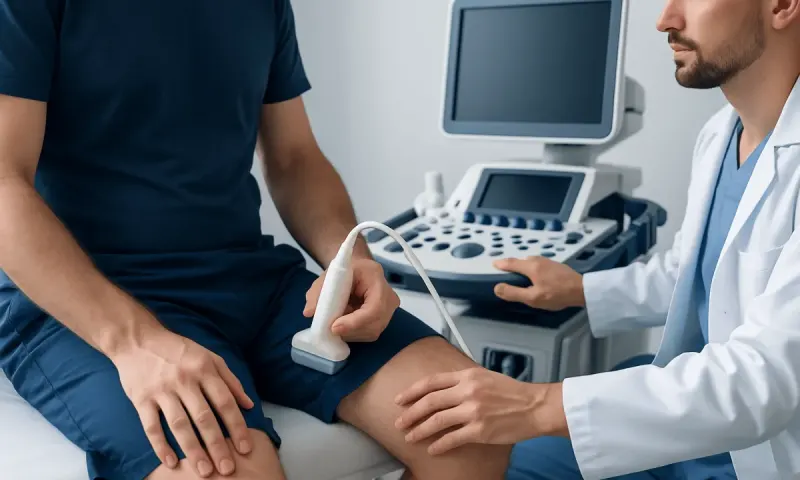
However, signs of testicular torsion on exam are not completely reliable by themselves. A clinician may use Doppler ultrasound to evaluate blood flow and look for other explanations, such as inflammation or a hernia. If torsion is strongly suspected, imaging should not delay surgery.
Blood and urine tests may be used when infection is also being considered, but they do not exclude torsion. The priority is restoring blood supply as soon as possible. Emergency clinicians and urologists make decisions based on the full clinical picture rather than waiting for any single test result.
Surgery and treatment options
The usual treatment is emergency surgery called orchiopexy. Under anesthesia, the surgeon makes a small incision in the scrotum, untwists the spermatic cord and assesses whether blood flow and testicular tissue recover. The affected testicle is then secured to the scrotal wall to reduce the chance of future twisting.
Because the anatomical risk can be present on both sides, the other testicle is commonly secured during the same operation. This preventive step is important even if it has never caused symptoms. The operation is generally performed through the scrotum and does not usually require removal of the testicle.
If blood supply has been blocked for too long and the tissue is no longer viable, removal of the affected testicle, called orchiectomy, may be necessary. One healthy testicle is usually sufficient for typical testosterone production, erections and fertility, although individual circumstances vary. Orchiopexy surgery can also be recommended after intermittent torsion to prevent a more serious future event.
What is recovery like after testicular torsion surgery?
Recovery after testicular torsion surgery commonly involves scrotal soreness, mild swelling and bruising for several days. The surgical team provides instructions about pain relief, wound care, bathing, supportive underwear and follow-up. A scrotal support or close-fitting underwear can help reduce movement and improve comfort.
Most patients can walk carefully soon after surgery and resume light daily activities as comfort allows. Strenuous exercise, cycling, heavy lifting and contact sports are usually postponed until the surgeon confirms that healing is adequate. Sexual activity and masturbation should also wait until discomfort has resolved and the surgical team advises it is safe.
Follow-up appointments allow the surgeon to assess wound healing, testicular position and recovery of the affected testicle. Parents and caregivers should follow the same aftercare guidance for children and should contact the surgical team if the child develops increasing pain, fever, spreading redness, drainage or marked swelling.
How long does testicular torsion take to heal after surgery?
Initial healing after surgery often takes around one to two weeks, although tenderness and mild swelling may take longer to fully settle. The exact timeline depends on the severity of torsion, whether the testicle regained blood flow, the type of procedure performed and the person’s general health.
Return to school, desk work or other low-demand activities may be possible within several days, depending on comfort and the advice of the treating clinician. More physically demanding work, sports and activities that may impact the scrotum often need a longer break, commonly several weeks.
The internal healing and longer-term assessment of testicular health may continue over subsequent follow-up visits. If one testicle was severely affected, the urologist may monitor its size and function over time. Patients should follow their own surgeon’s restrictions rather than relying only on general recovery timelines.
Is testicular torsion a serious surgery?
Testicular torsion is serious because the underlying condition threatens the blood supply to the testicle, not because orchiopexy is usually a highly complex operation. The surgery is urgent and is performed to preserve the testicle whenever possible and prevent torsion on the other side.
As with any operation, there are potential risks, including bleeding, infection, ongoing pain, anesthesia-related complications or injury to nearby structures. The possibility of testicular damage or removal depends largely on how long blood flow was reduced and how the testicle responds after untwisting.
Timely surgery is the best approach when torsion is suspected. Delaying emergency evaluation to see whether pain goes away can increase the chance of permanent damage. Urology teams explain the expected procedure, possible findings and aftercare in a way that is appropriate for the patient and family.
Can you get hard after testicular torsion surgery?
Yes. Most people can have erections after testicular torsion surgery, particularly once pain and swelling have improved. Orchiopexy is performed on the scrotum and generally does not directly interfere with the nerves and blood flow involved in penile erections.
Early erections can feel uncomfortable because the scrotal area is healing. Temporary worry about pain, body changes or fertility can also affect sexual confidence. It is sensible to avoid sexual activity until the surgeon confirms healing is sufficient, even if erections occur naturally.
If erections are persistently painful, sexual function changes continue after recovery, or there are concerns about fertility or testosterone, a urologist can provide individualized assessment. When one testicle has been removed, the remaining healthy testicle commonly provides adequate hormone production and reproductive potential.
When to seek medical care
Emergency medical care is needed for sudden testicular or scrotal pain, especially if it is severe, one-sided, accompanied by swelling, nausea, vomiting or an unusually positioned testicle. A person should go to an emergency department rather than wait for a routine appointment.
Urgent assessment is also appropriate when sudden pain has improved before evaluation, as this may indicate intermittent torsion. After surgery, patients should contact their care team promptly for worsening pain, fever, increasing redness, pus-like drainage, persistent vomiting or concerns about the incision.
Acıbadem Health Point’s multidisciplinary specialists and JCI-accredited hospitals diagnose and treat urgent urological conditions for international patients. Any person with possible torsion should seek the nearest emergency medical service immediately rather than delay travel or wait for symptoms to change.
Frequently asked questions
01What are the first signs of testicular torsion?
The first sign is often sudden, severe pain in one testicle. Swelling, nausea, vomiting, lower abdominal pain and a testicle that sits higher than usual may follow. These symptoms need emergency medical assessment.
02Can testicular torsion pain come and go?
Yes. Pain that starts suddenly and then settles can occur if the testicle twists and later untwists on its own. This may be intermittent torsion and still requires urgent evaluation because a later episode may cause sustained loss of blood flow.
03Can an adult have testicular torsion?
Yes. Testicular torsion is most common in adolescents but can occur at any age, including adulthood. Sudden scrotal pain in an adult should not be assumed to be an infection or injury without prompt medical assessment.
04How soon should testicular torsion be treated?
Treatment should begin as quickly as possible because blood flow to the testicle may be reduced or stopped. Emergency assessment is needed immediately when torsion is suspected. Earlier surgery generally offers the best opportunity to preserve testicular tissue.
05Will both testicles be fixed during torsion surgery?
In many cases, the surgeon secures both testicles during the operation. Fixing the unaffected side helps prevent torsion there in the future because the same anatomical tendency may be present on both sides.
06Can testicular torsion affect fertility?
It can affect fertility if the affected testicle is severely damaged, especially when treatment is delayed. However, many people retain normal fertility with one healthy testicle, and prompt treatment improves the likelihood of preserving function. A urologist can discuss follow-up testing when appropriate.
This article is for general information only and is not a substitute for professional medical advice. Please consult a qualified doctor about your individual situation.
Persistent digestive symptoms? Get evaluated in Turkey
JCI-accredited · board-certified surgeons · reply within 24h
Add us as a Preferred Source to see more of our trusted health content across Google Search, AI Overviews and Discover.